A death shaped by royal status
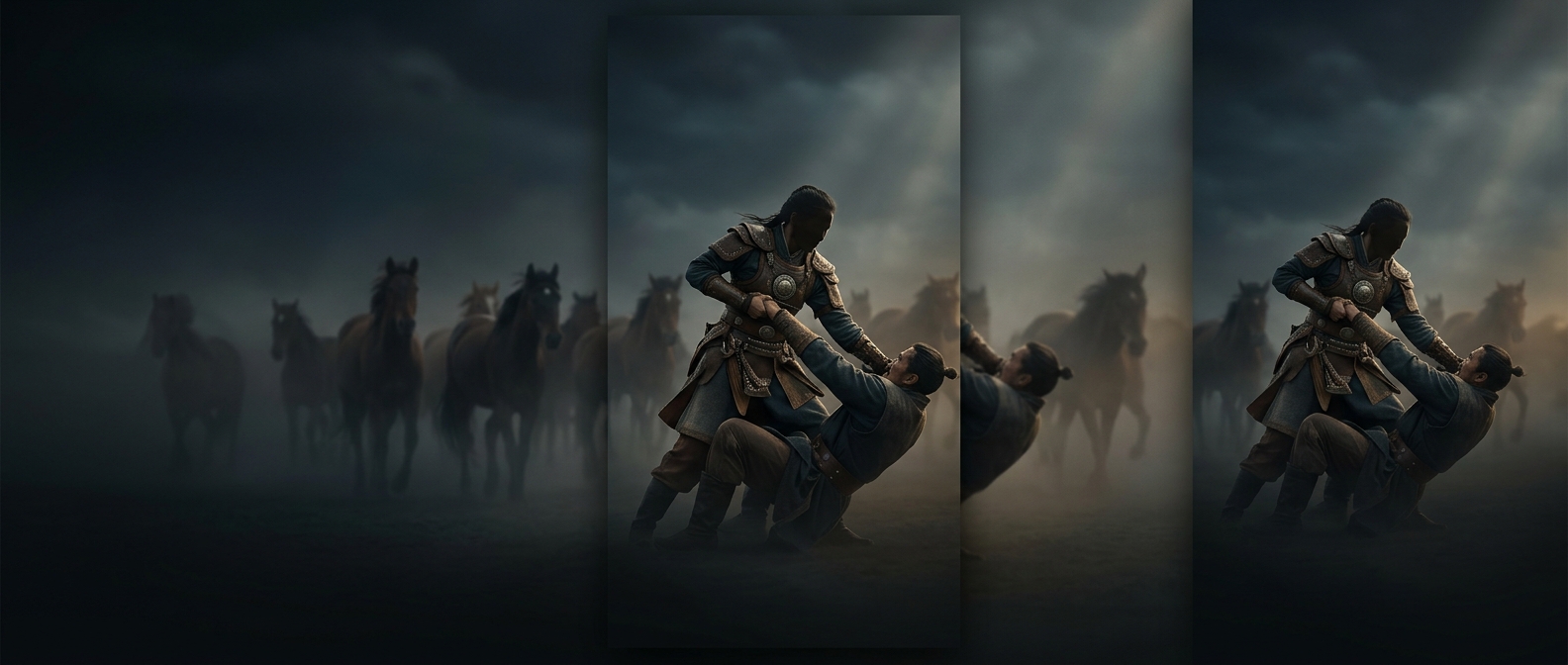
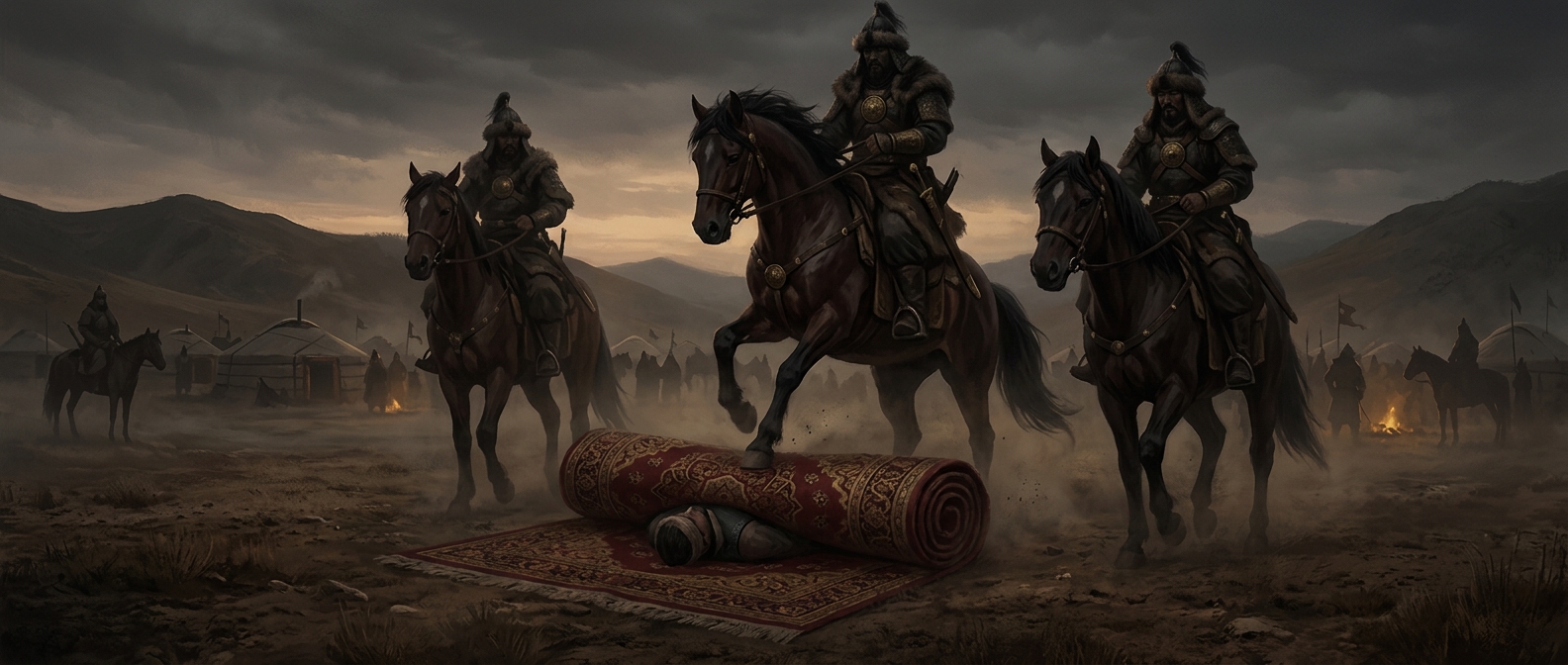
In 1258, Mongol forces captured Baghdad and its ruler, the Abbasid caliph al-Mustaʿsim. A famous account says the conquerors had him wrapped in a carpet and trampled by horses rather than kill him with a blade. The point was not mercy: it was a way to execute a defeated ruler while avoiding the direct spilling of his royal blood on the ground, which was believed to bring bad luck.
The carpet made the distinction physical. The caliph could be killed, but his blood would not touch the earth. In this telling, a Mongol belief about royal blood shaped the practical form of an execution—and turned the ruler’s status into a constraint even after his defeat.
Conquest and its consequences
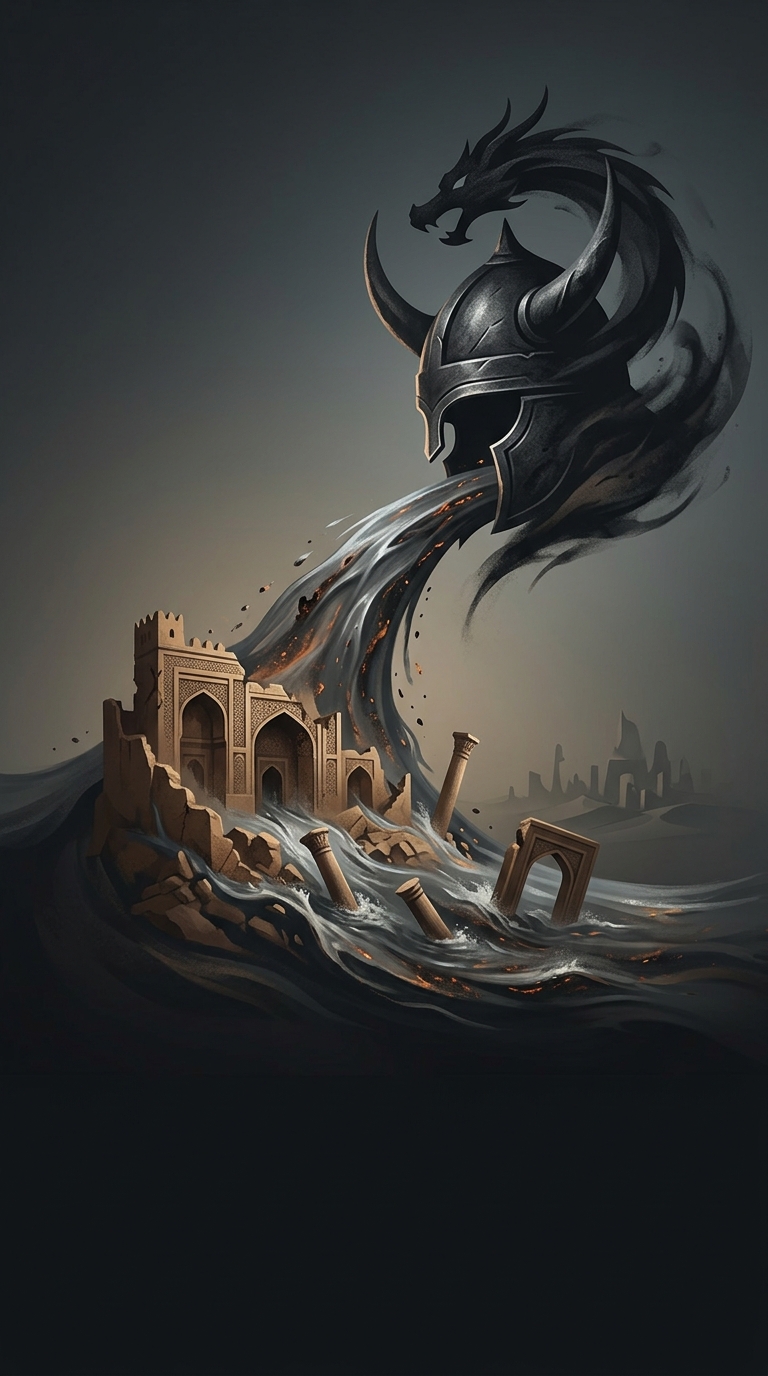
The execution came at the end of Baghdad’s siege, when Mongol forces under Hulagu Khan took the city. The caliph’s death marked more than the loss of a battle: it ended the Abbasid caliphate’s long rule from Baghdad and became a powerful symbol of the city’s conquest.
The story is remembered for its stark contrast: a ruler denied a conventional execution because of the very rank that had failed to protect him. In the account, the carpet was both a barrier between royal blood and the earth and the means by which the conquered caliph was killed.