A Scaffold Built for a Political Execution
Mary, Queen of Scots, was executed at Fotheringhay Castle on February 8, 1587, after years in English custody. Her death was not simply the end of a prison sentence: Elizabeth I’s government had authorized the killing of a fellow monarch, a decision with serious political and religious consequences. The ceremony therefore had to make the outcome unmistakable while presenting it as a lawful act of state.
The raised platform and the formal preparations turned the execution into a public event witnessed by officials and household members. Mary was blindfolded and positioned at the block so the executioner could strike her neck with an axe. That required force and accuracy; a poor angle or an incomplete cut could mean repeated blows. Accounts of the execution describe the beheading as mishandled, though details vary.
Why the Wig Became Part of the Story
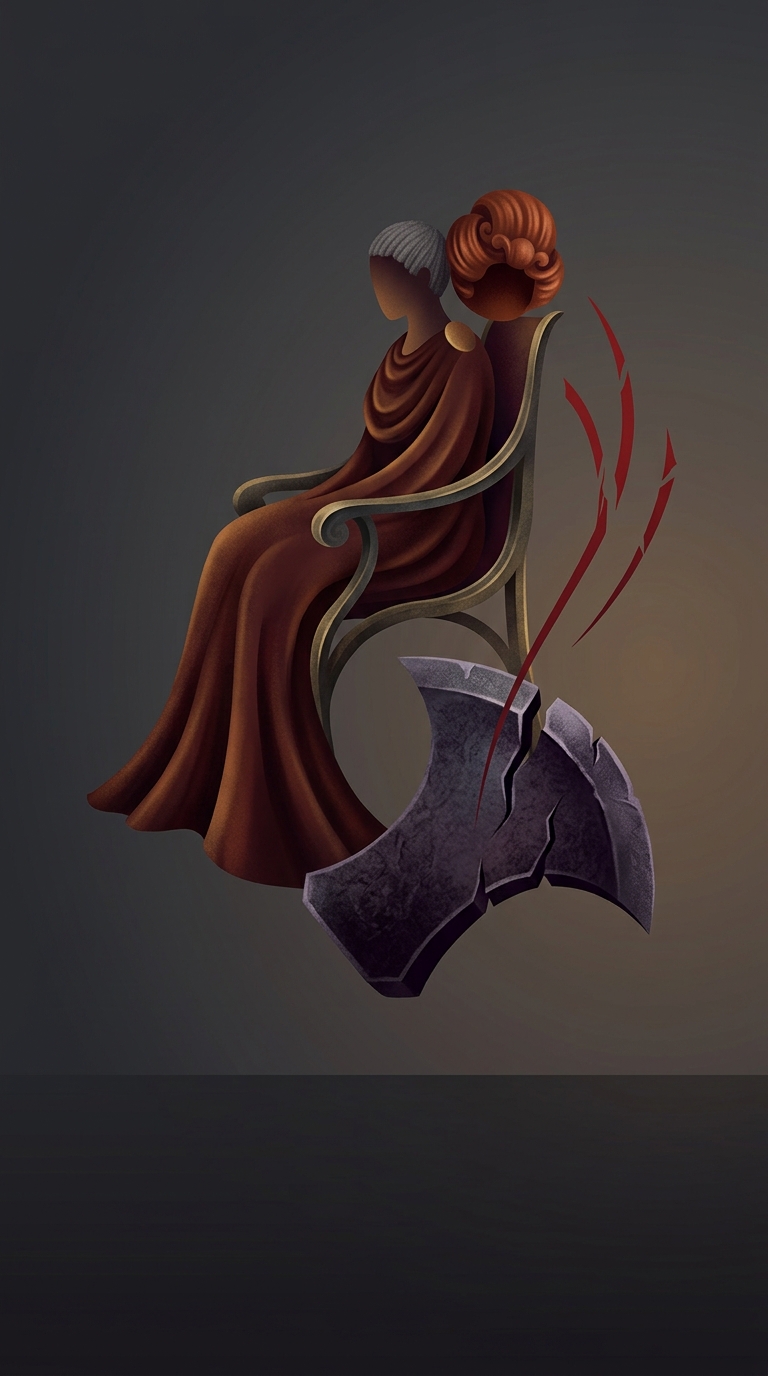
The reported wig mishap exposed a hidden contrast between the royal image and the prisoner’s physical condition. Mary’s appearance at the scaffold had been carefully arranged, but the hair beneath the wig was said to be short and gray. When the wig came away as the executioner lifted her head, the staged display briefly gave way to an unplanned, intimate detail.
That detail endured because executions were meant to communicate authority, yet they were also unpredictable human events. The failed blows made the ceremony seem brutal rather than controlled; the dislodged wig made its central figure suddenly less like an emblem of rival sovereignty and more like an aging woman who had spent years in confinement. The scaffold could display the state’s power, but it could not fully dictate what witnesses would remember.