A wrestling match with a political price
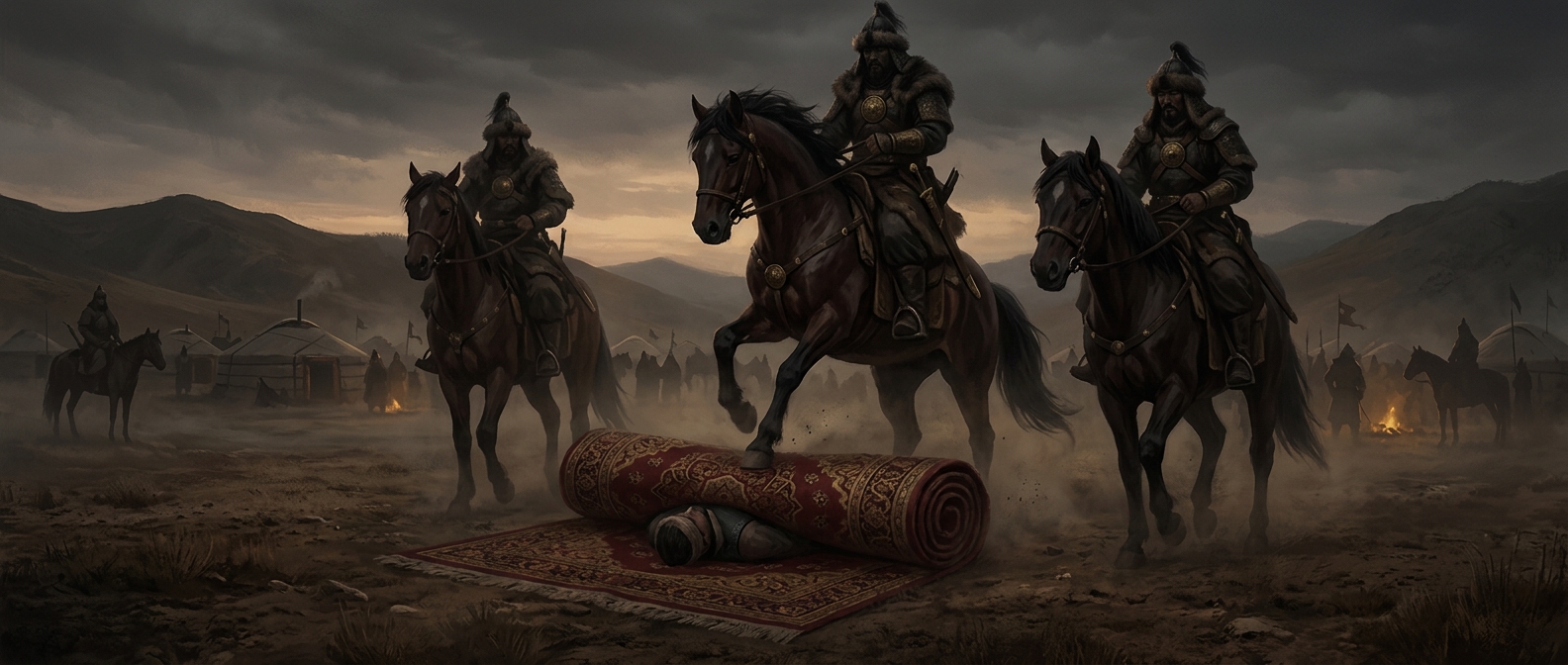
Khutulun was a Mongol noblewoman in the 13th century, when power among the ruling families rested not only on titles but on the ability to command people, horses, and territory. In that setting, a contest for her hand could carry consequences beyond romance. A horse was valuable working wealth: it enabled travel across the steppe, supported military campaigns, and signaled a family’s resources.
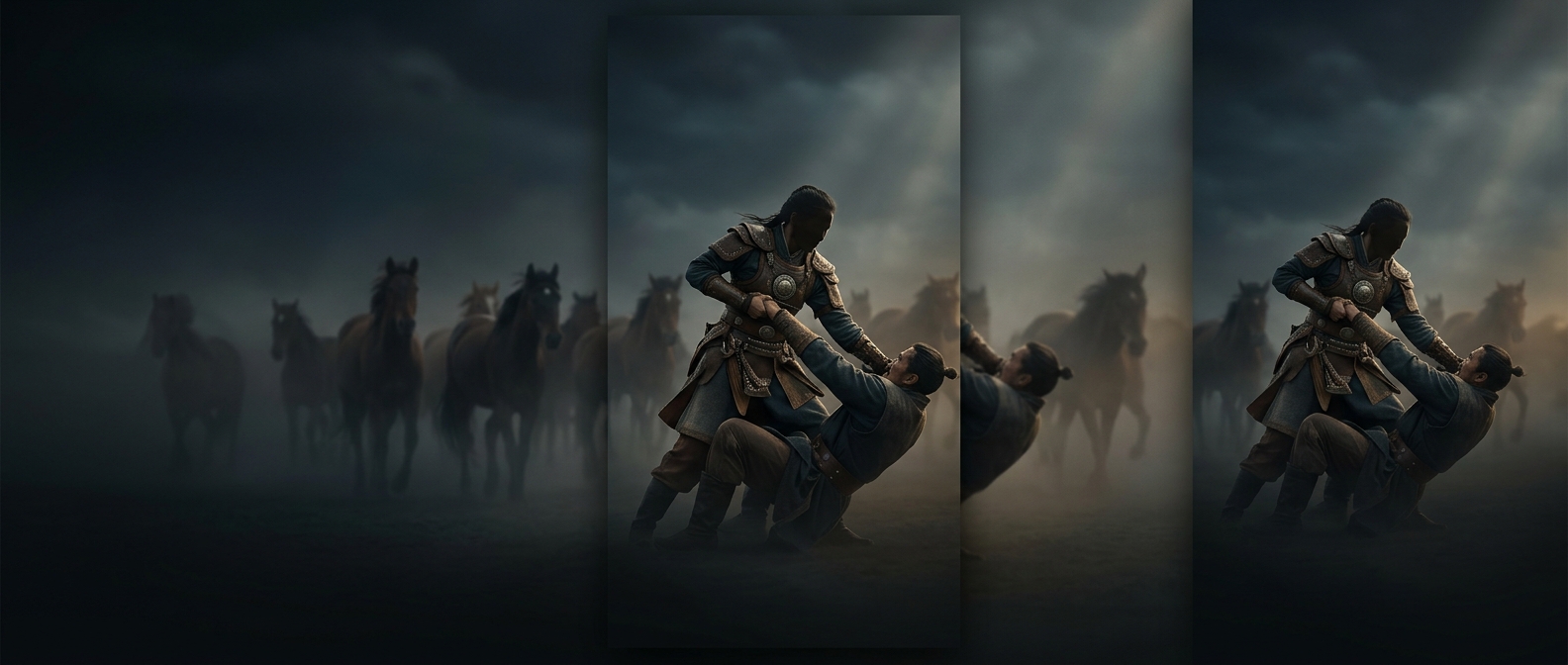
Her challenge turned the usual marriage negotiation into a test with terms she controlled. A suitor who lost did not simply leave without a match; he gave up horses. Each contest therefore made Khutulun’s strength visible while increasing her own stock of a resource central to Mongol life.
Strength as leverage
Elite Mongol women could hold substantial influence within their families, though their choices were shaped by dynastic politics. Marriage could bind powerful households together, so a woman’s prospective husband mattered to more than the couple. Khutulun’s wrestling reputation gave her a way to resist being treated as a prize in someone else’s alliance: suitors had to meet her on ground where she held the advantage.
The story also explains why the horse tally matters. The herd was not just a comic penalty for overconfident suitors. It made the contest’s outcome tangible, turning personal prowess into material wealth. Khutulun’s legend endures because it joins two kinds of power—physical skill and control over the terms of marriage—while making both visible in a single wager.