History
Discover facts about history. Small discoveries that change the way you see familiar things.
History
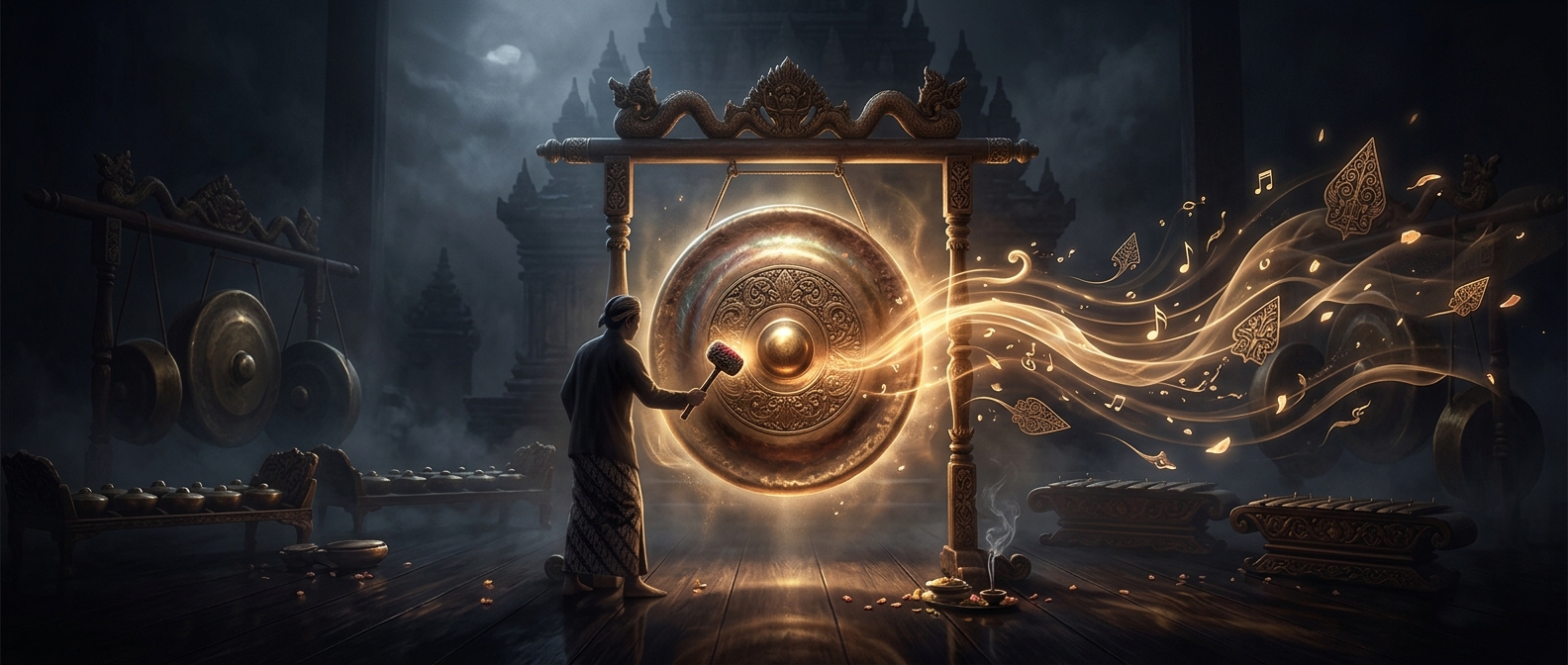
Gamelan orchestras require bronze gongs
Each Indonesian ensemble is tuned to its own set of pitches rather than a standard one, so no two gamelan orchestras sound exactly alike.
Discover more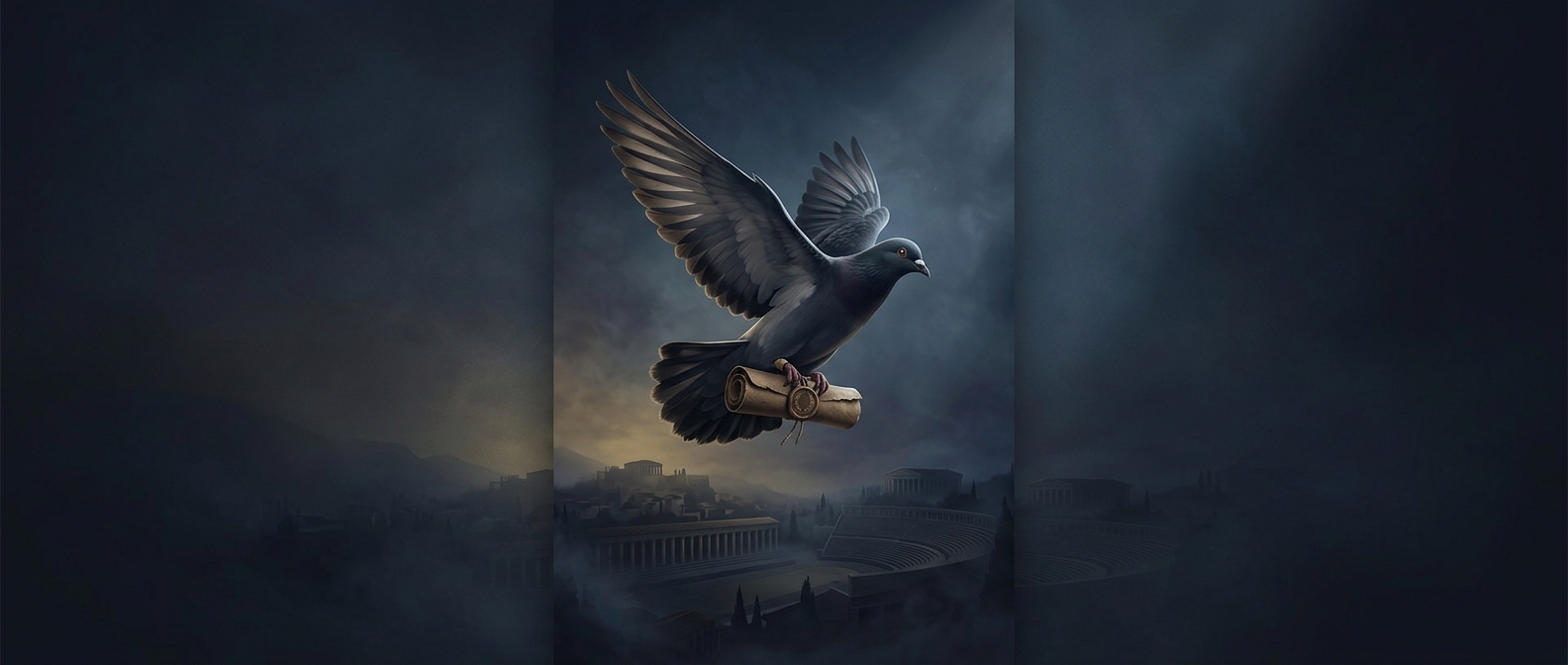
An ancient Olympic victory was reportedly announced by pigeon
The story of wrestler Taurosthenes says he sent a homing pigeon back to Aegina with a colored ribbon tied to it. The signal let his family know he had won…
Discover more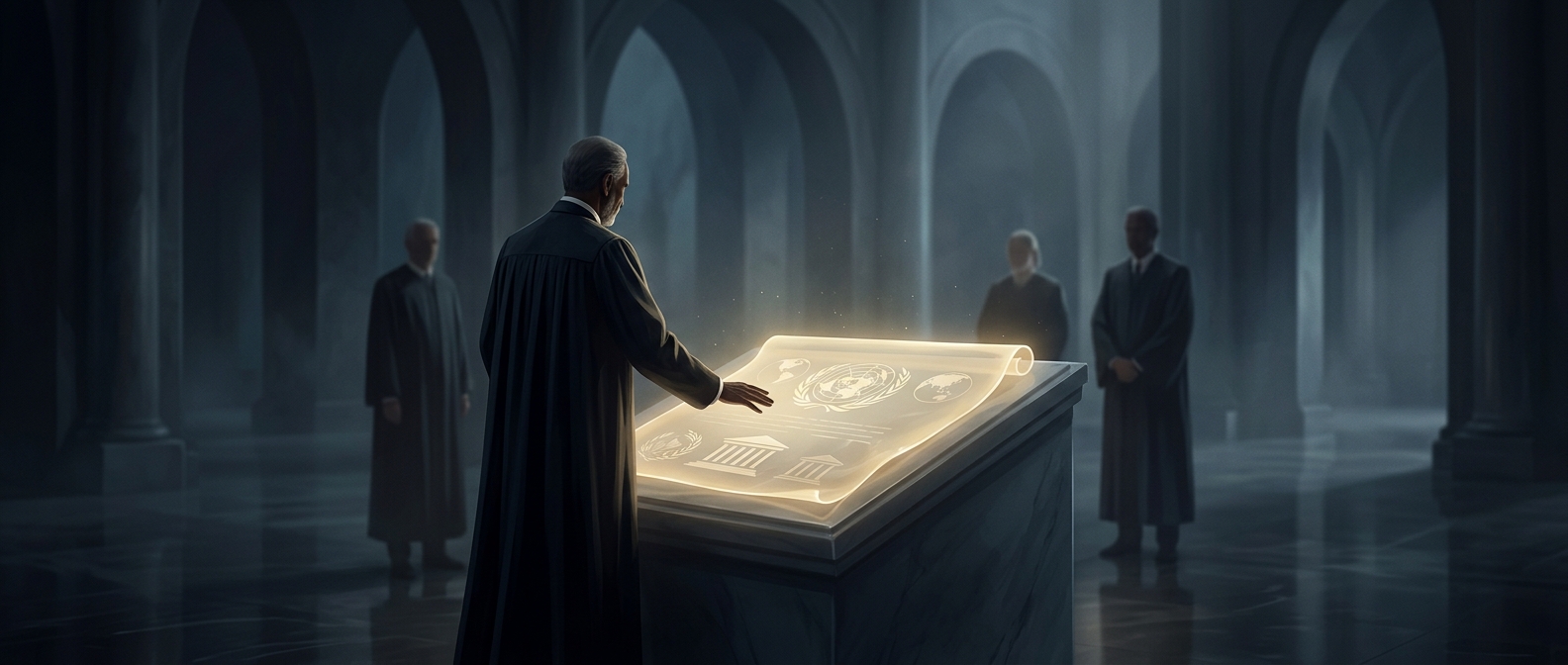
UN sanctions need national governments to make them bite
The Security Council can impose binding measures, but member states implement them through their own systems. An asset freeze therefore becomes real when…
Discover more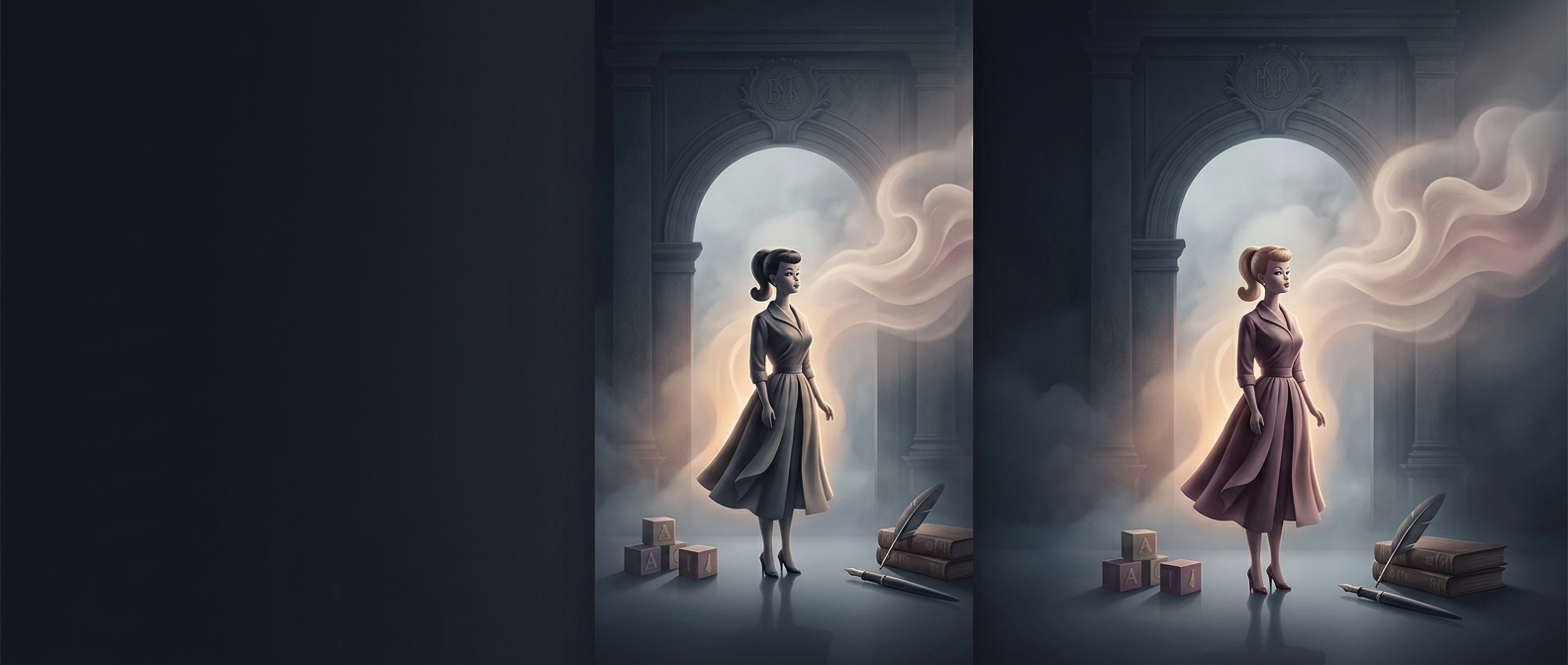
Barbie has a surprisingly ordinary full name
Her full name is Barbara Millicent Roberts. For a doll famous for changing careers and wardrobes, the name is refreshingly ordinary.
Discover more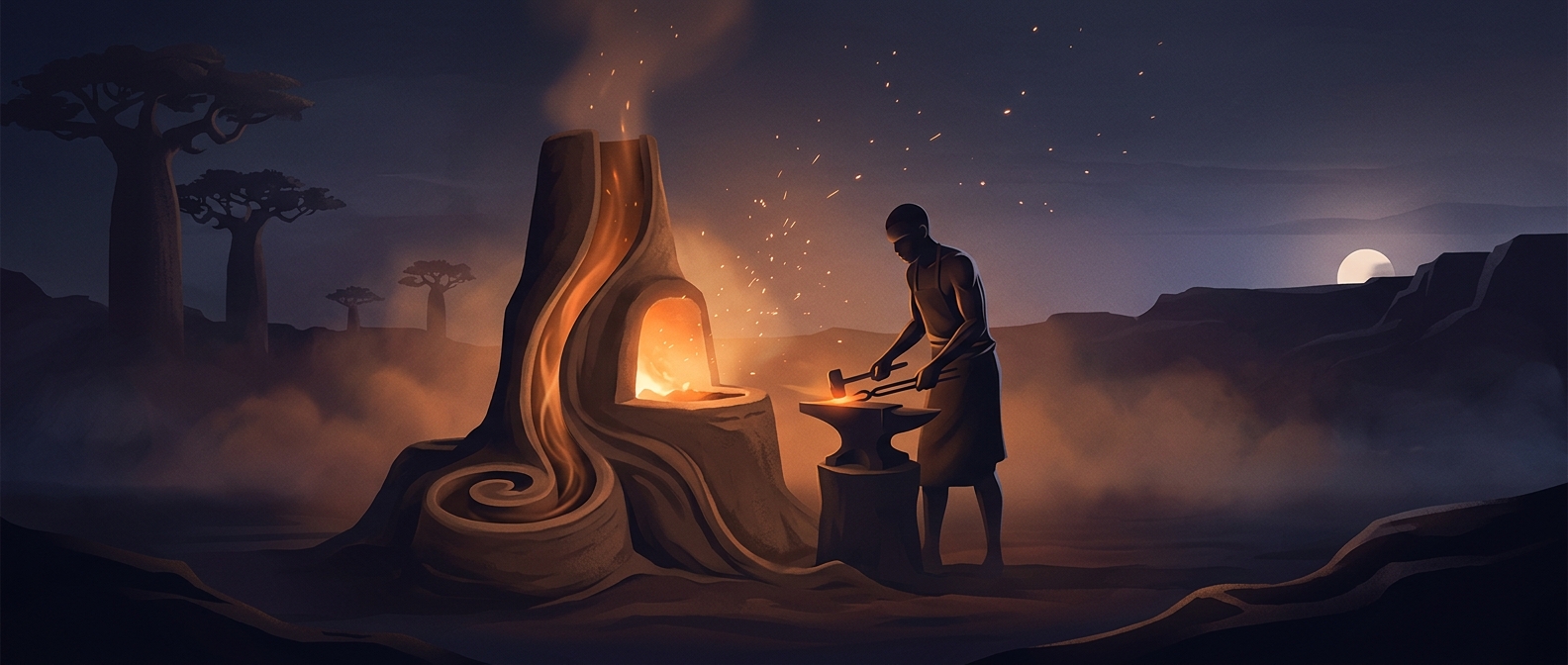
African blacksmiths built early drafting furnaces
Tall clay chimneys pulled air through the furnace in a steady updraft, supplying the heat needed to smelt iron ore. The design let blacksmiths do without…
Discover more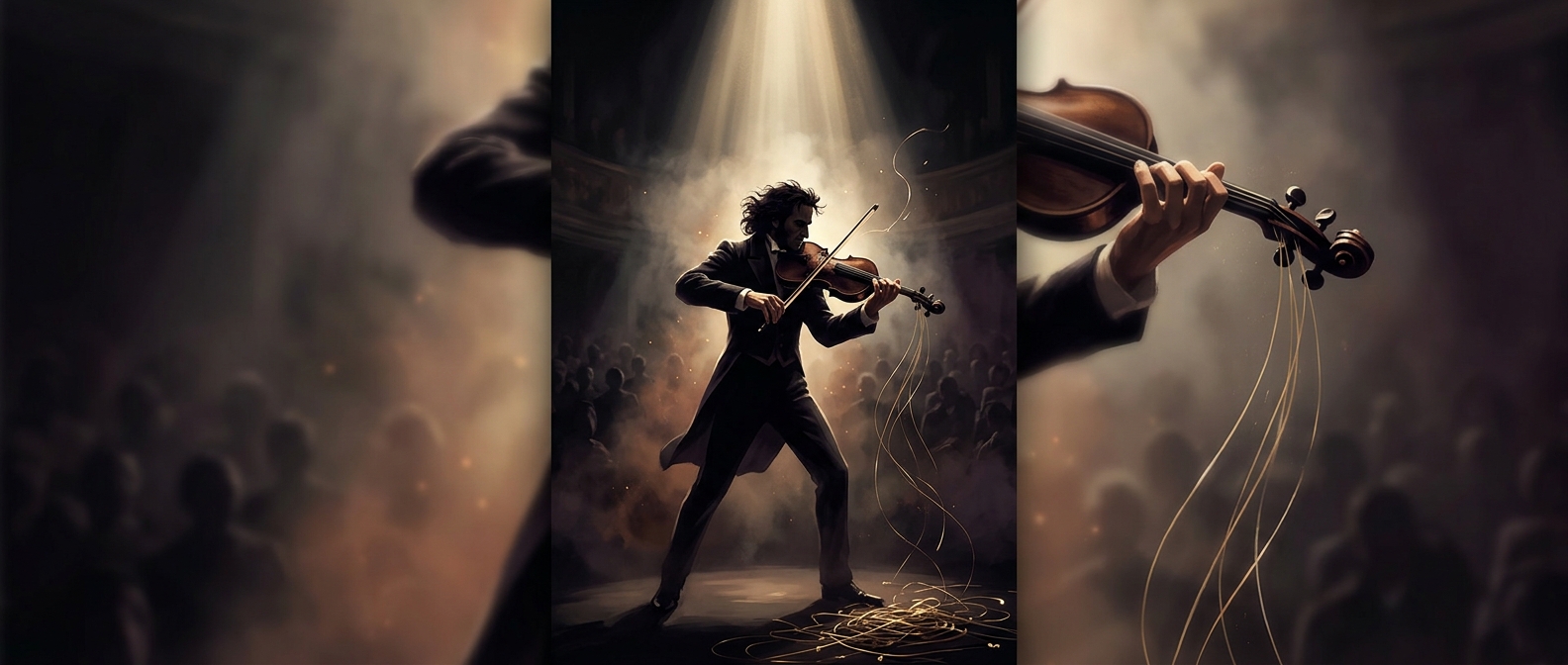
Paganini made one violin string enough for a performance
He composed and performed pieces using only the G string, turning an apparent limitation into a signature feat. A normal violin gives the player four strings…
Discover more STACKY FOR IPHONE
A bigger world.
One discovery
at a time.
Keep discovering with Stacky. Interesting facts in an app that is always within reach.
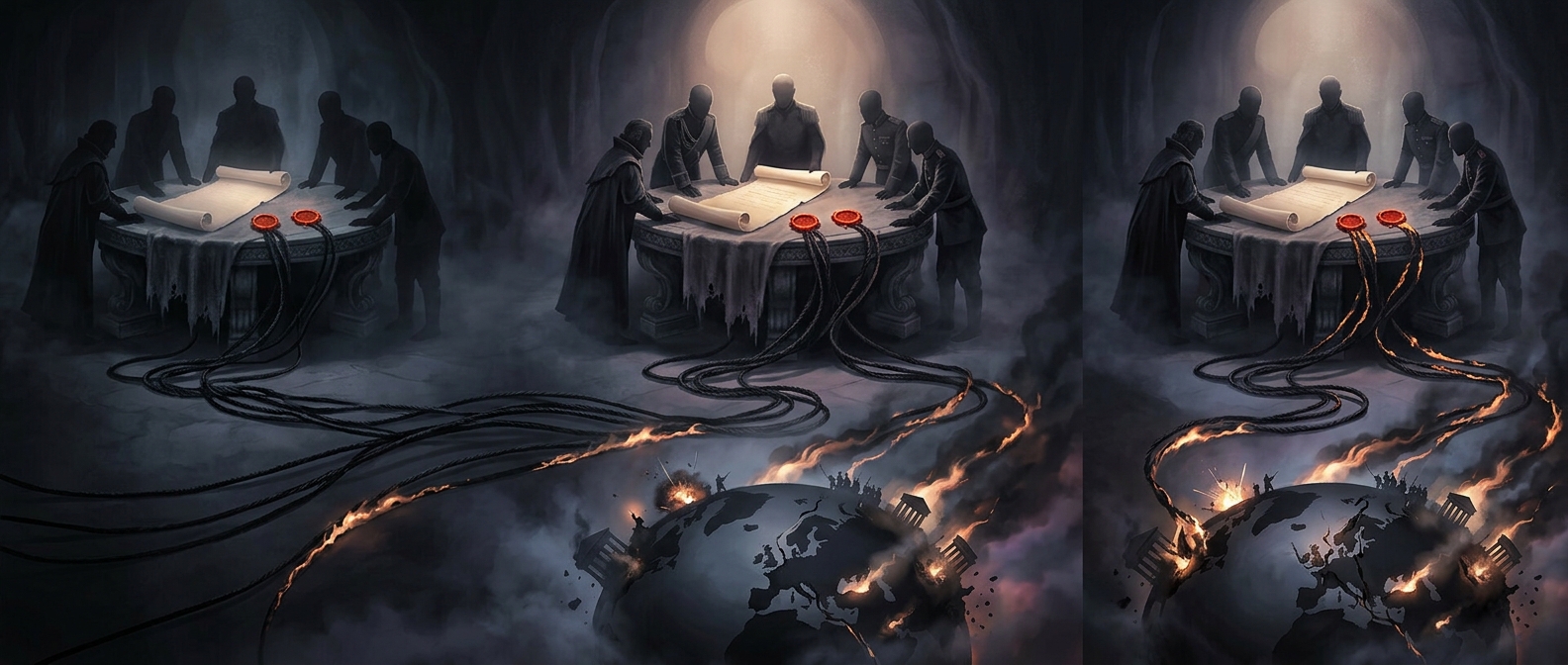
Secret military pacts forcefully triggered a global conflict
After an archduke was assassinated, alliance commitments pulled empires into a crisis that had begun as a local dispute. The pacts meant a conflict could…
Discover more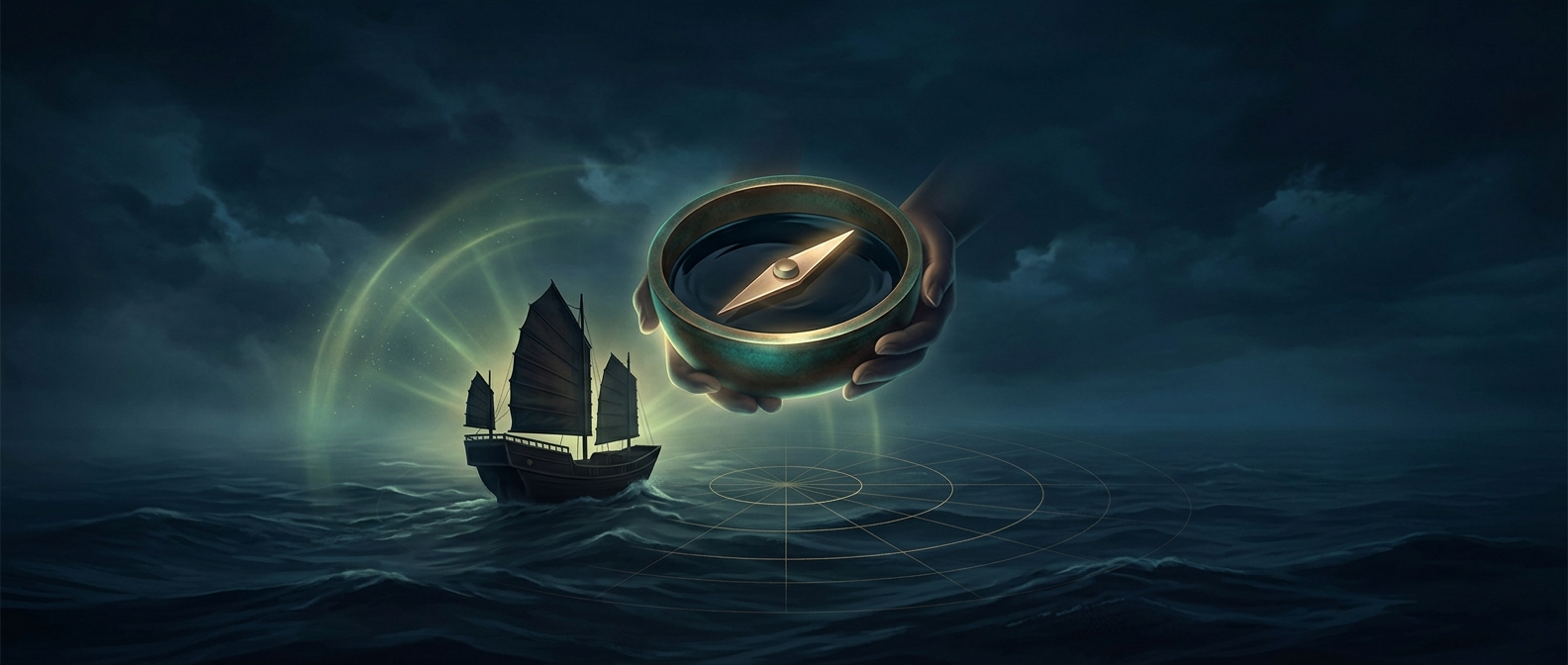
Chinese sailors used magnetic compasses for ocean navigation
A magnetized needle floating in a bowl gave Chinese sailors a heading when clouds or storms hid the stars. It was a simple fix for navigation’s oldest…
Discover more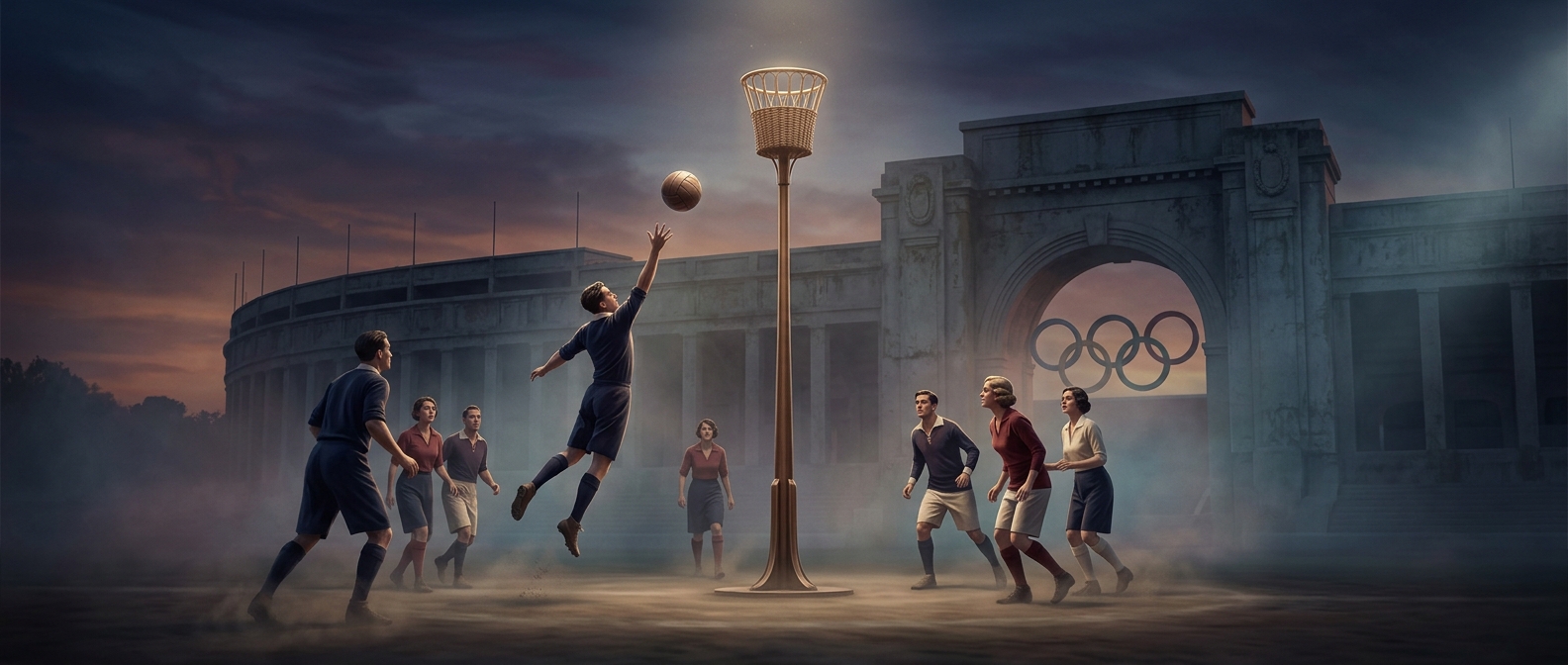
Antwerp Olympics featured korfball as a demonstration
Korfball’s rules were part of the show: men and women played together, and neither dribbling nor physical contact was allowed. At the Antwerp Games, the…
Discover more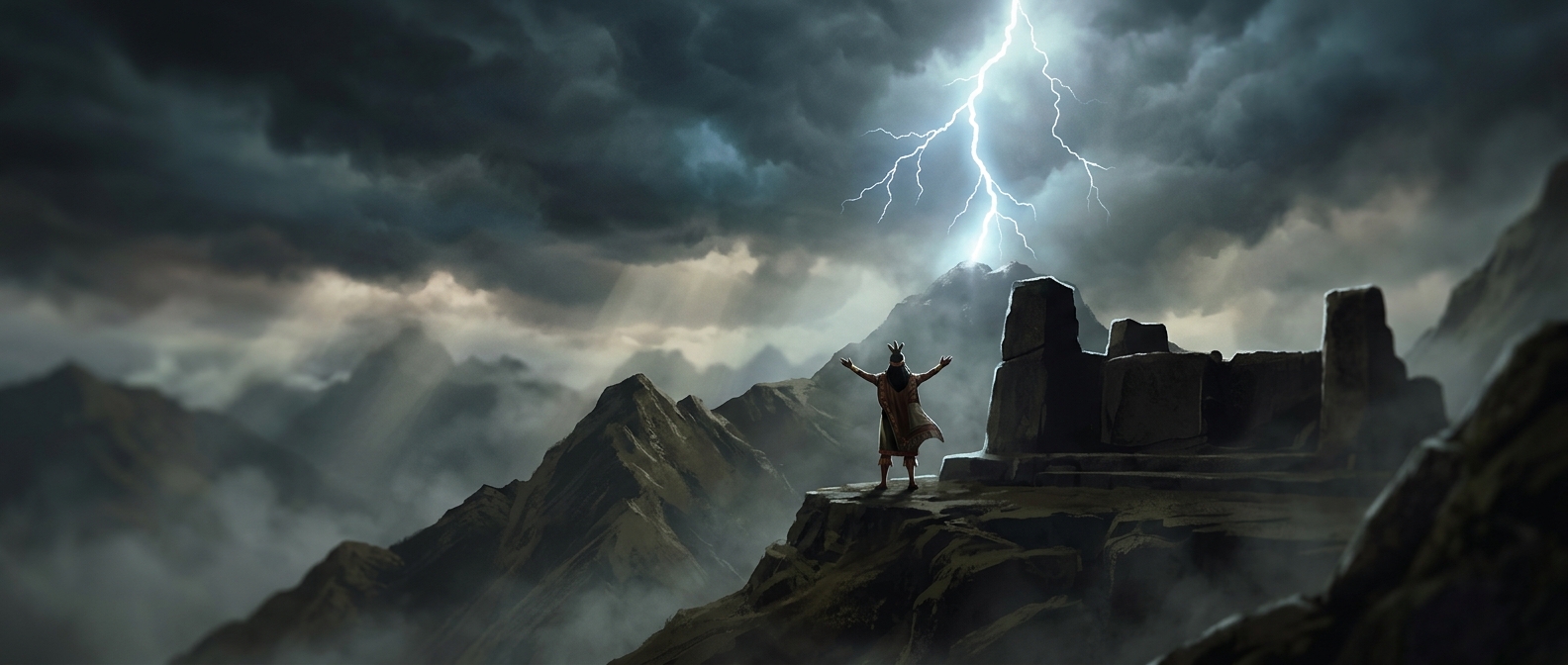
Incas worshipped active lightning as holy events
In Inca belief, lightning was a sign of divine power, not just a flash in the sky. Survivors of a strike were revered as shamans chosen by the sky; Illapa was…
Discover more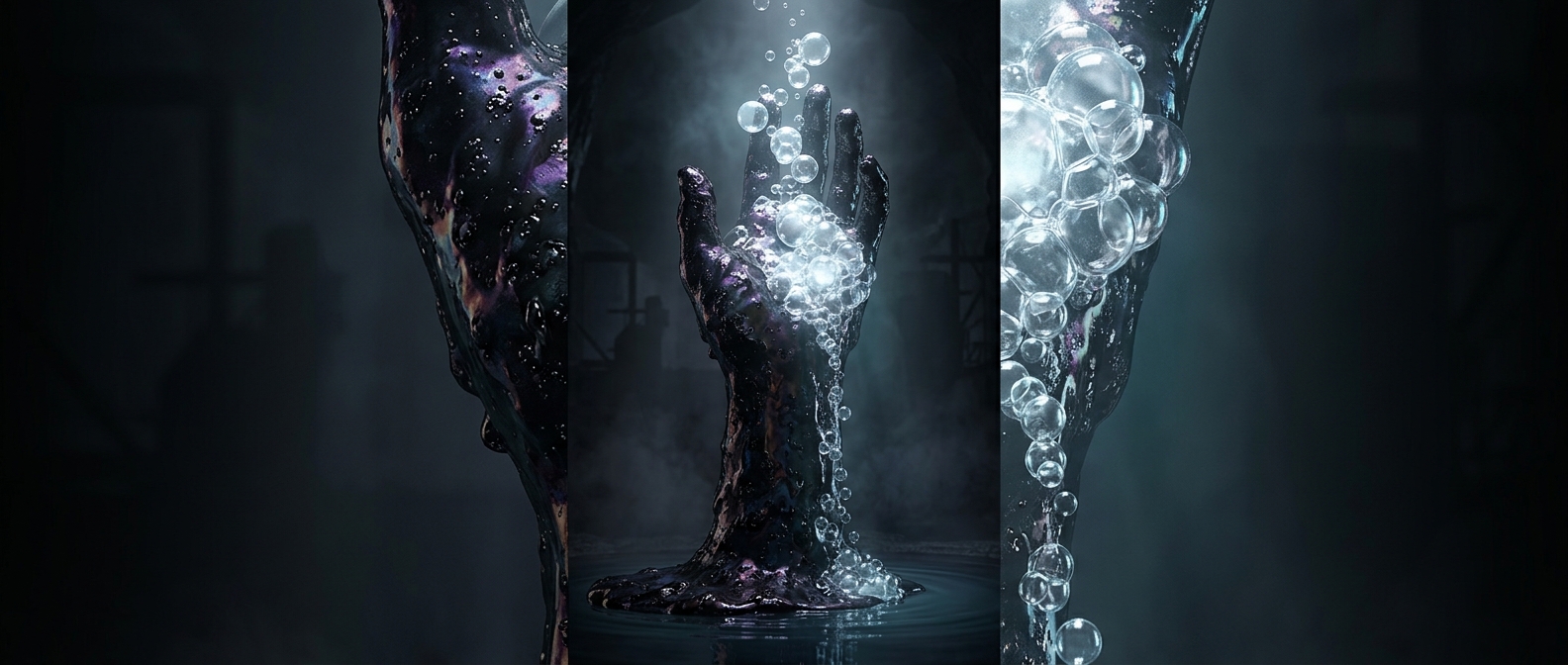
How coal tar helped create synthetic detergents
With natural fats scarce, chemists made synthetic detergents from coal tar. The route to a clean white shirt ran through a byproduct of one of the dirtiest…
Discover more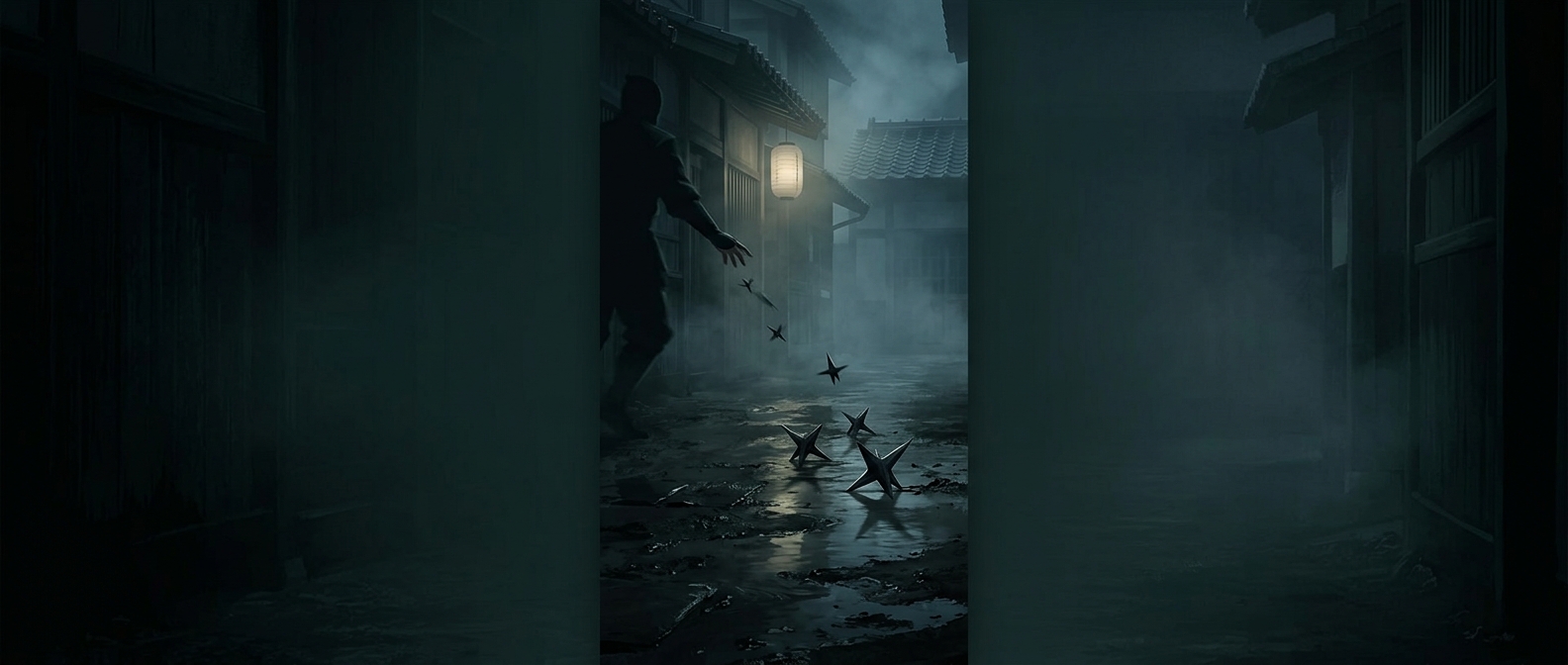
Japanese agents carried a brutal escape trick
They scattered sharp iron spikes behind them; the points could pierce traditional straw sandals and make chasing them painful. A getaway trick that turned…
Discover more
Oldest surviving piece of clothing resembles an ancient rag
The Tarkhan Dress, found in an ancient tomb, is a pleated linen shirt that has survived for more than 5,000 years.
Discover more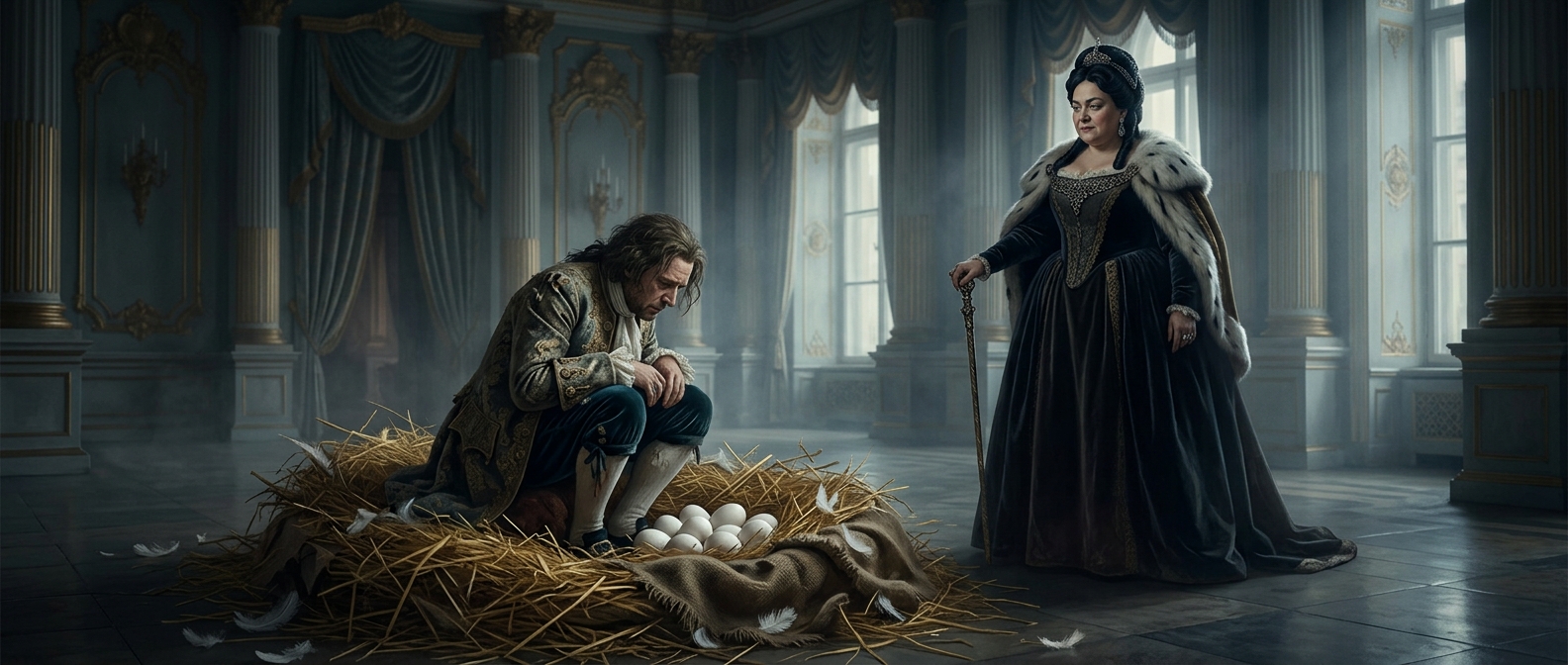
The prince forced to cluck on a nest of eggs
When a prince displeased Empress Anna of Russia, she forced him to sit on a nest of eggs in a freezing room and cluck like a hen for days.
Discover more
Whistling indoors supposedly summoned spirits
Some folklore held that whistling indoors invited malicious spirits into the home.
Discover more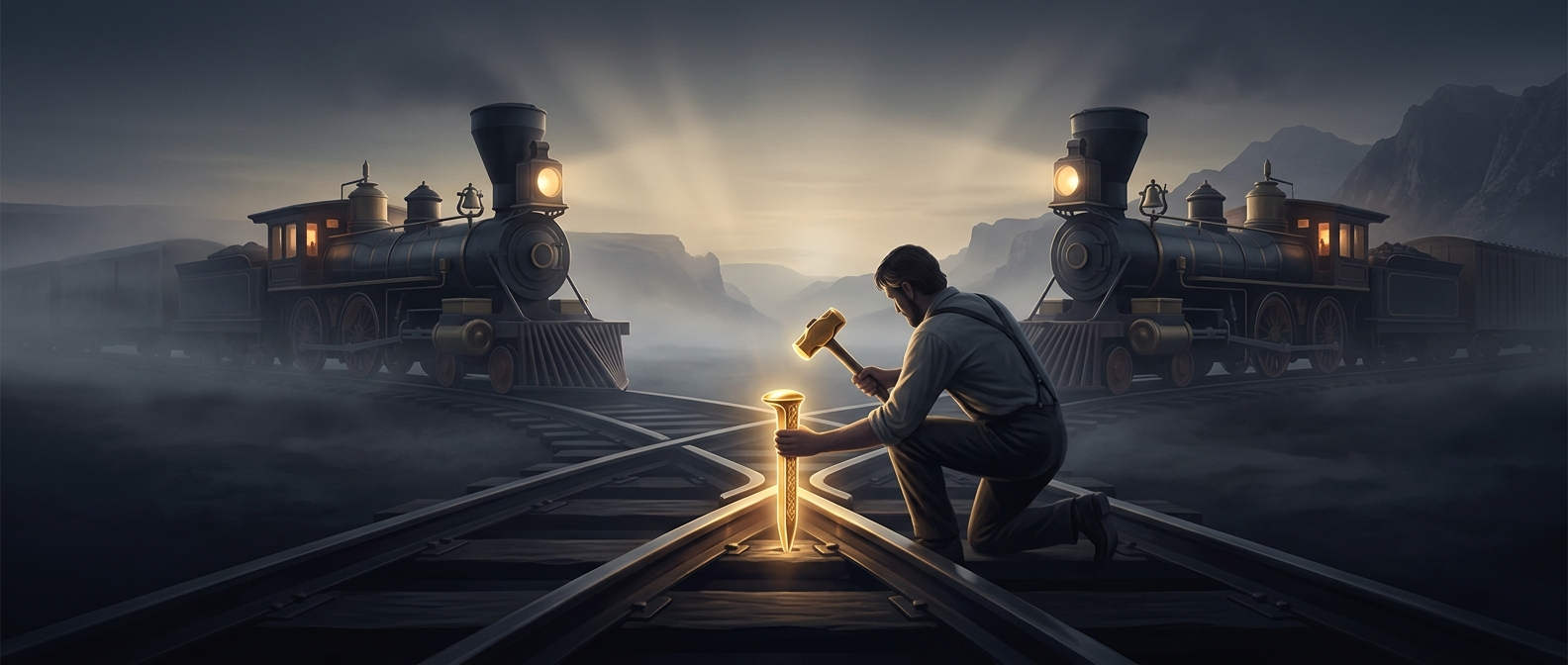
Golden spike connected opposite American coasts by rail
The spike marked the meeting of the railroads in Utah, linking routes across the country. A brief ceremony turned a coast-to-coast trip from a long, difficult…
Discover more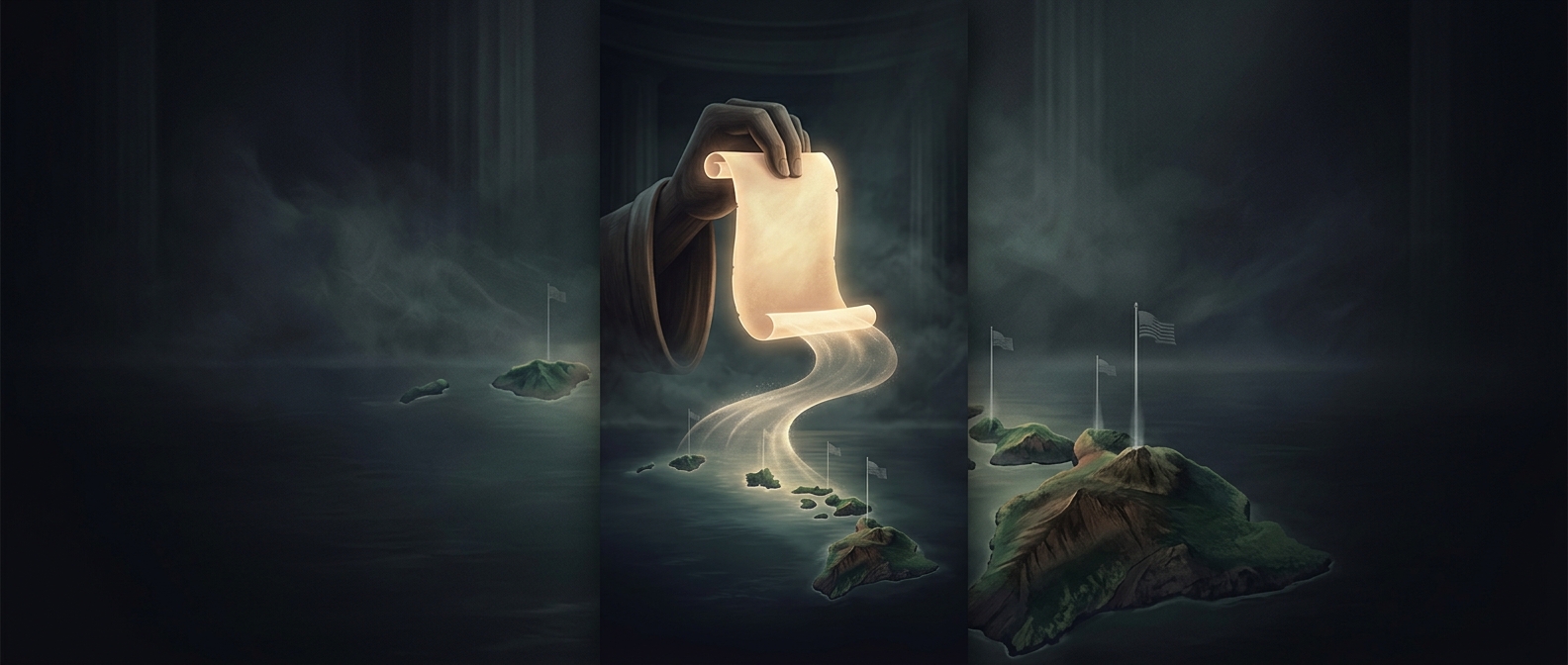
United States annexed Hawaii using a simple joint resolution
In 1898, lacking the two-thirds Senate support needed for a treaty, pro-annexation lawmakers used a joint resolution that required only a simple majority to…
Discover more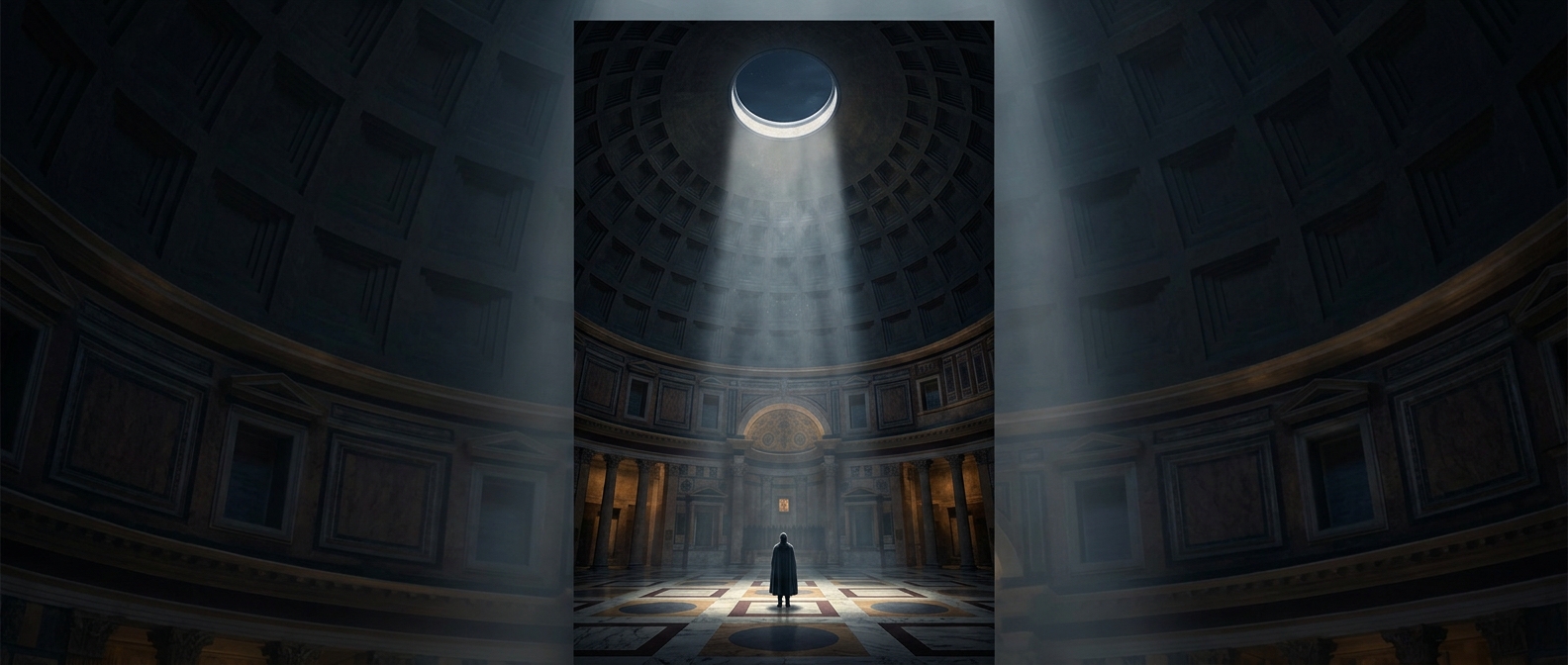
Roman Pantheon has a massive hole in the ceiling
The 27-foot oculus leaves the Pantheon open to rain, but the marble floor slopes toward drains that carry the water away. The ceiling has a hole; the floor…
Discover more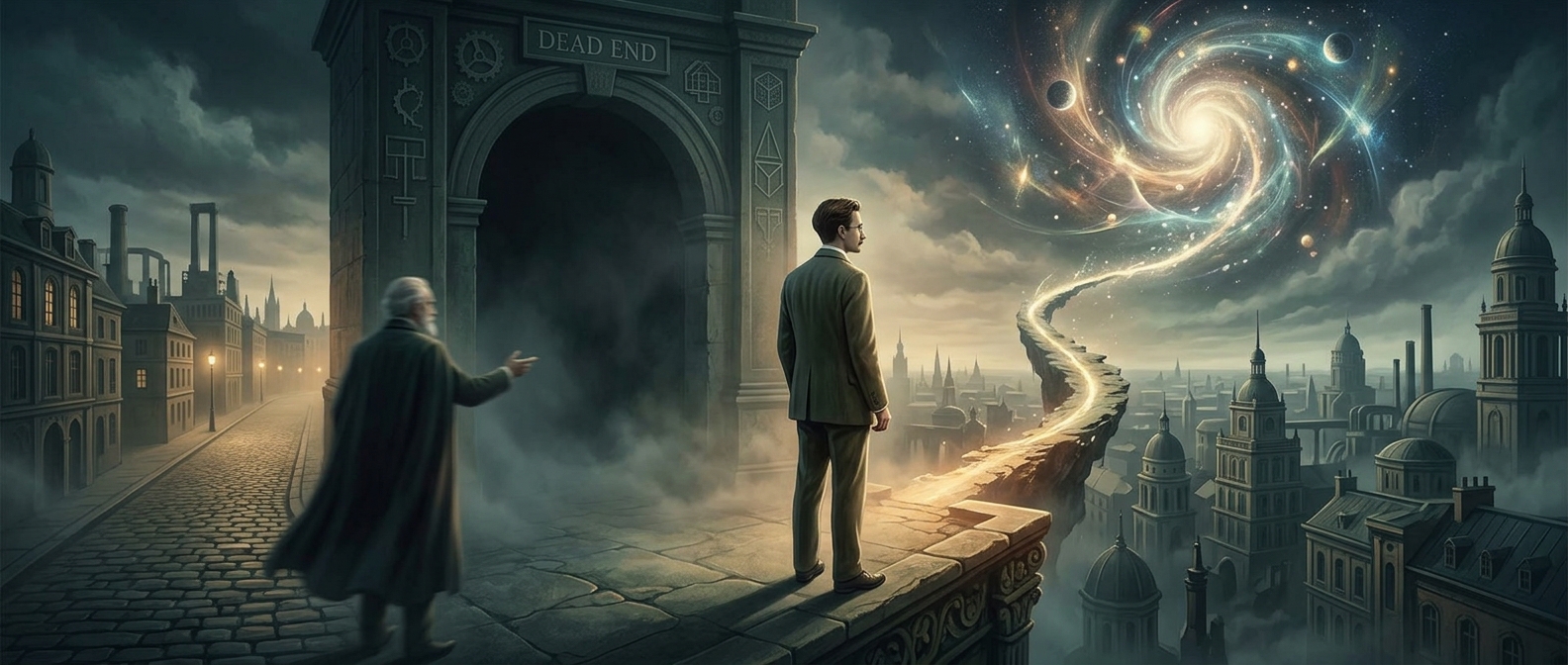
Max Planck was warned that physics was nearly finished
When the young Planck considered studying physics in 1874, professor Philipp von Jolly described a field whose major discoveries had largely been made. Planck…
Discover more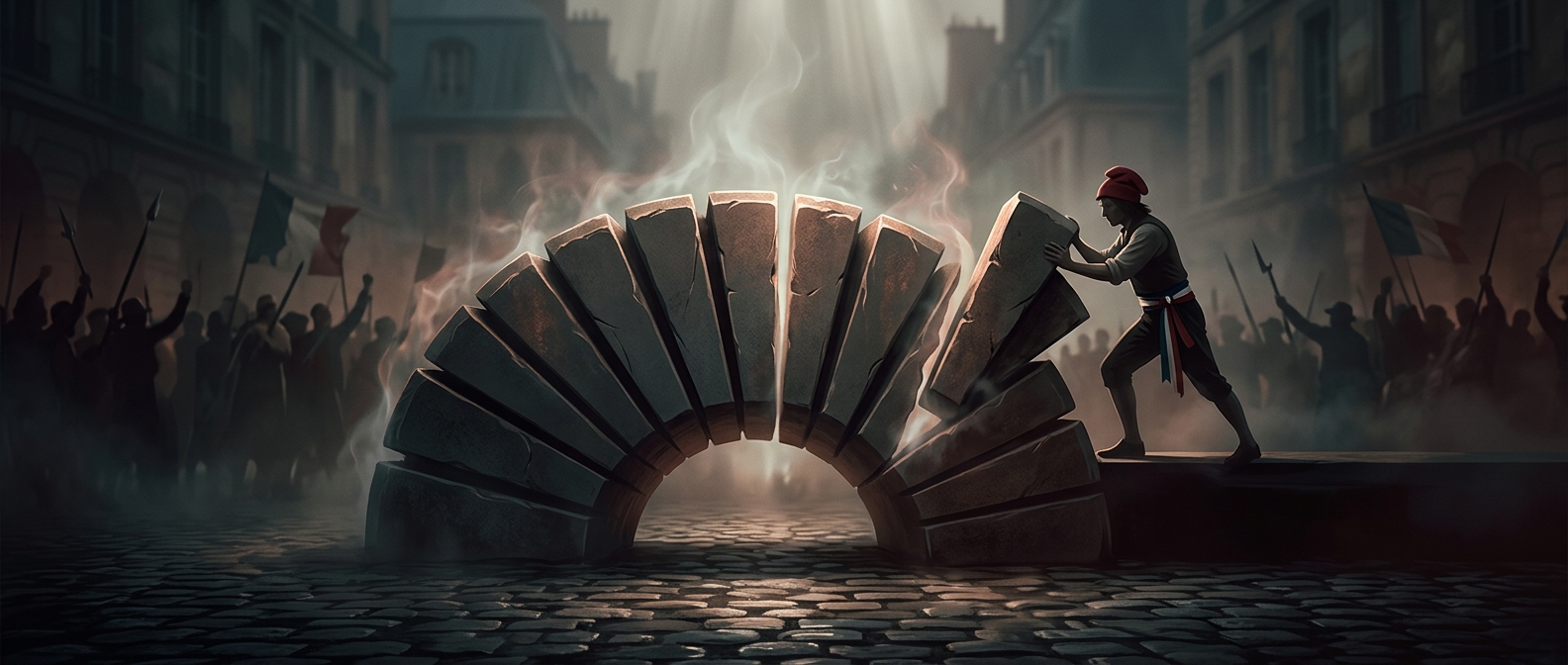
Revolutionary France tried a 10-day week
Revolutionary France replaced the seven-day week with a decimal calendar: nine days of work, then one day of rest. The new system made the week neater on…
Discover more
Romans had a god of manure
Sterculius was a Roman deity associated with manure and fertilizing fields. To a farmer, waste that restored the soil had a direct connection to the next…
Discover more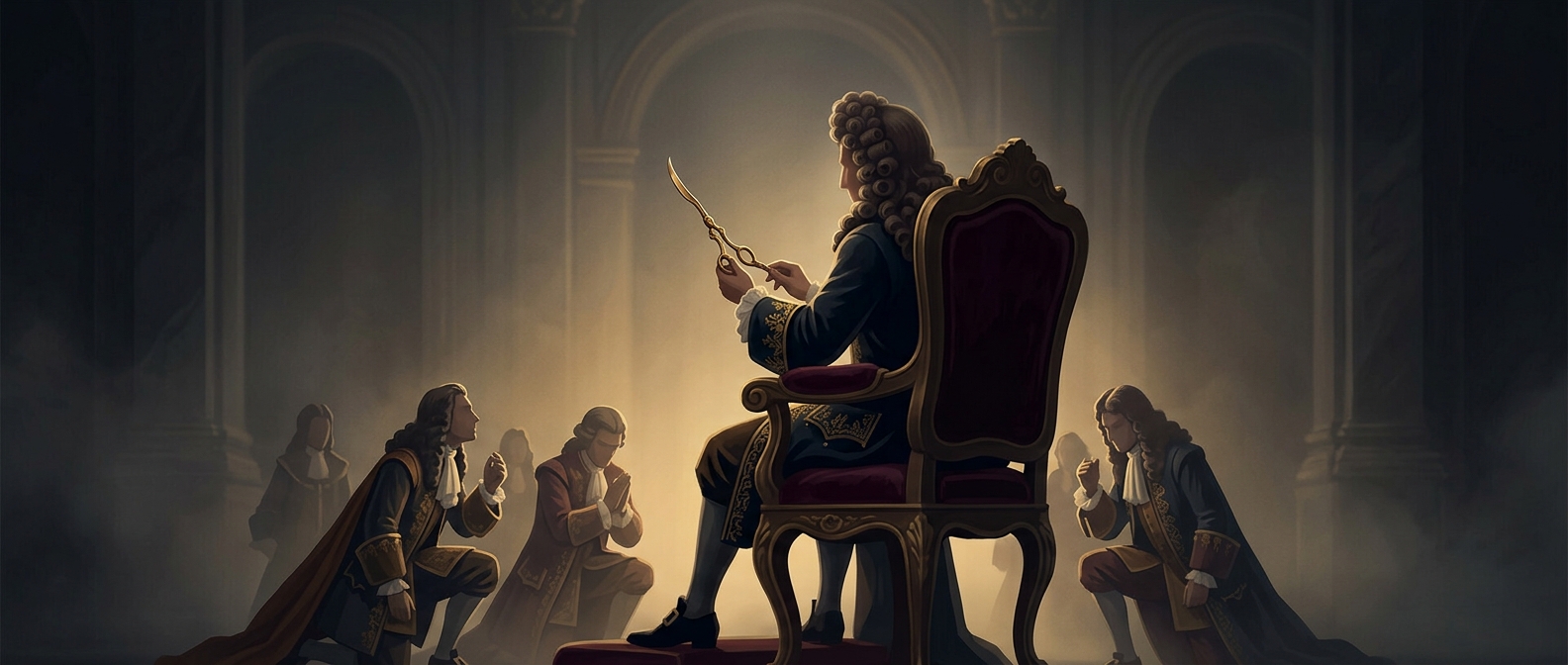
Louis XIV's courtiers copied his painful surgery
After Louis XIV underwent surgery for an anal fistula, some healthy courtiers reportedly asked for the same painful operation to prove their loyalty. The king…
Discover more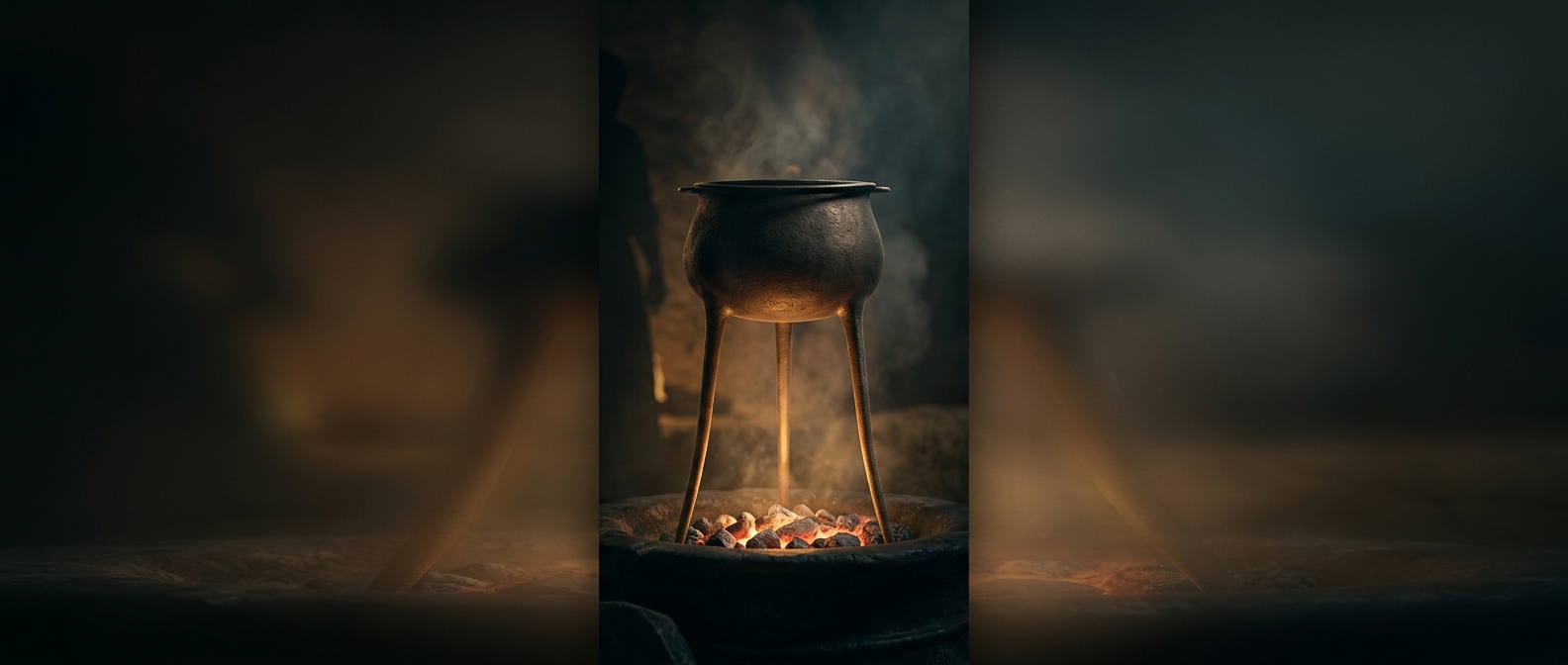
Early cooking pots had long legs to stand over hot coals
Long legs let heavy iron pots straddle glowing coals, keeping them over the fire without resting on a flat surface. The cookware was built for the hearth, not…
Discover more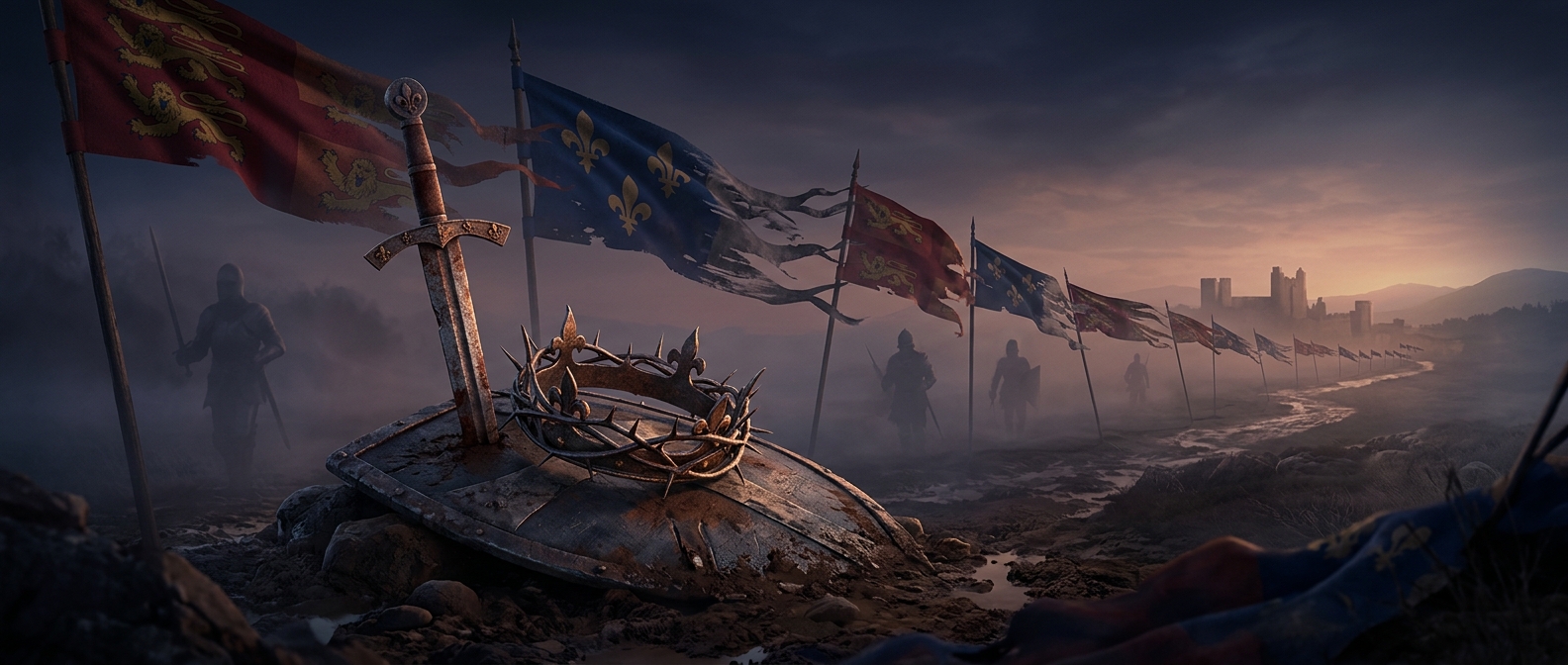
The Hundred Years' War lasted 116 years
English kings claimed the French throne through dynastic ties, and both crowns pressed that claim across generations. The fighting came in waves, but the name…
Discover more