How a Balkan Assassination Became a European War
The killing of Archduke Franz Ferdinand in Sarajevo in June 1914 did not, by itself, require a world war. The assassin was a Bosnian Serb nationalist, and Austria-Hungary blamed Serbia, the neighboring kingdom it regarded as a threat to its authority in the Balkans. What made the crisis dangerous was that each government judged the dispute through the lens of its allies, rivals, and fears about losing influence.
Austria-Hungary sent Serbia a severe ultimatum and, after Serbia accepted most but not all of its demands, declared war. Germany had already assured Austria-Hungary of support. That backing reduced the risk, as Austrian leaders saw it, of confronting Serbia—and made a forceful response more likely.
Mobilization turned fear into deadlines
Russia supported Serbia and began mobilizing its forces. Mobilization meant preparing troops and railways for war; it was not the same as declaring war, but leaders feared that waiting would leave their armies at a disadvantage. Germany treated Russian mobilization as a threat, declared war on Russia, and then on Russia’s ally France.
German military plans called for attacking France through Belgium. That choice widened the conflict again: Britain entered the war after German forces violated Belgium’s neutrality, which Britain had pledged to respect. Within weeks, a confrontation centered on Austria-Hungary and Serbia had drawn in the major European powers.
Alliances mattered—but did not act on their own
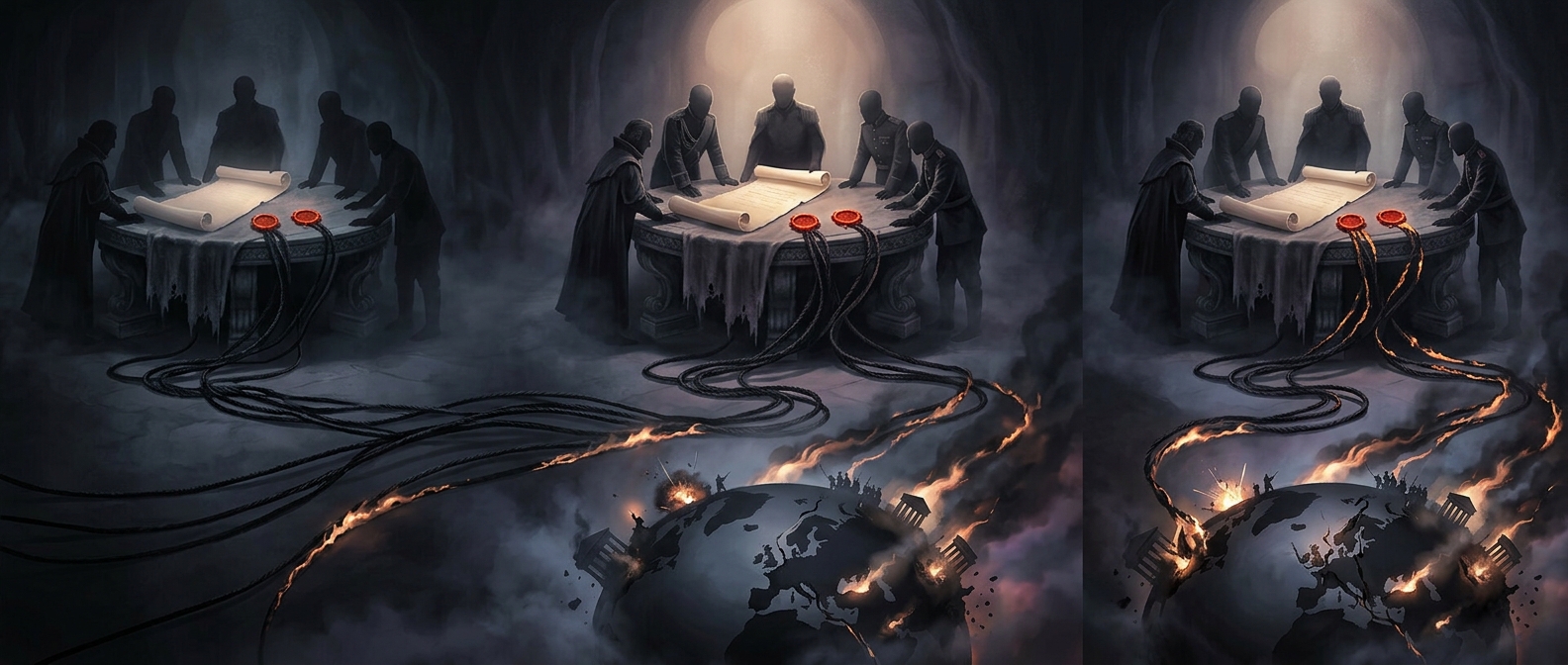
The pacts were not a set of switches that automatically sent every country to war. Some commitments were conditional, and governments still made choices about ultimatums, mobilization, and military action. But alliances shaped those choices: leaders expected support from friends, feared abandonment, and worried that a rival would gain the advantage if they hesitated.
That combination made the crisis hard to contain. Each step meant to protect one country or deter an opponent could look like preparation for attack to someone else. The alliances helped turn a regional dispute into a wider war not by removing political choice, but by making every choice seem urgent and dangerous.