History
Discover facts about history. Small discoveries that change the way you see familiar things.
History

Star anise was harvested in ancient southern China
Star anise was harvested in southern China in ancient times and dried to flavor local broths. Its star-shaped pods have a strong licorice-like taste.
Discover more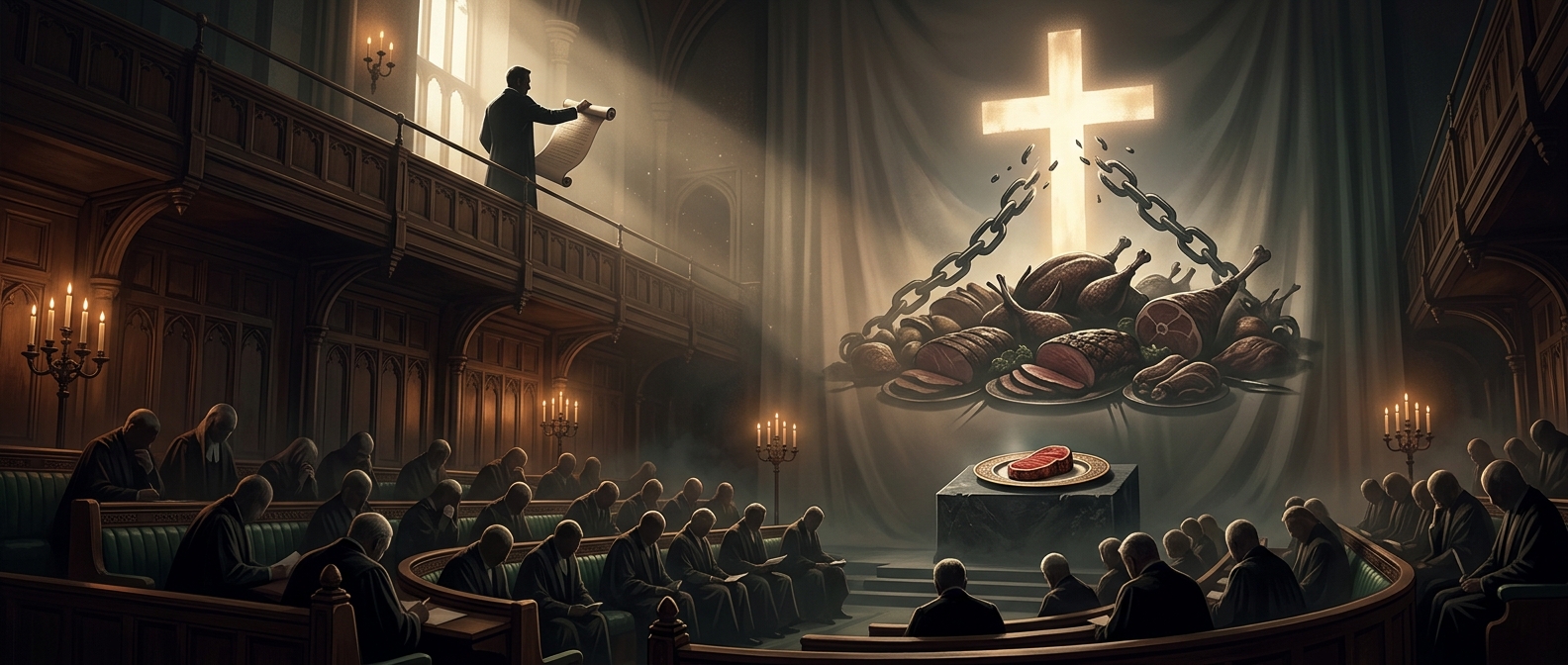
Tudor fish-day rules were also a policy for keeping sailors employed
A 1563 English law restricted meat eating on specified days to support fisheries and the supply of trained mariners. Its stated purpose was political and…
Discover more
Guzheng zithers feature movable string bridges
Players press and bend the strings beyond the movable bridges to change pitch mid-note, giving the instrument its expressive sound.
Discover more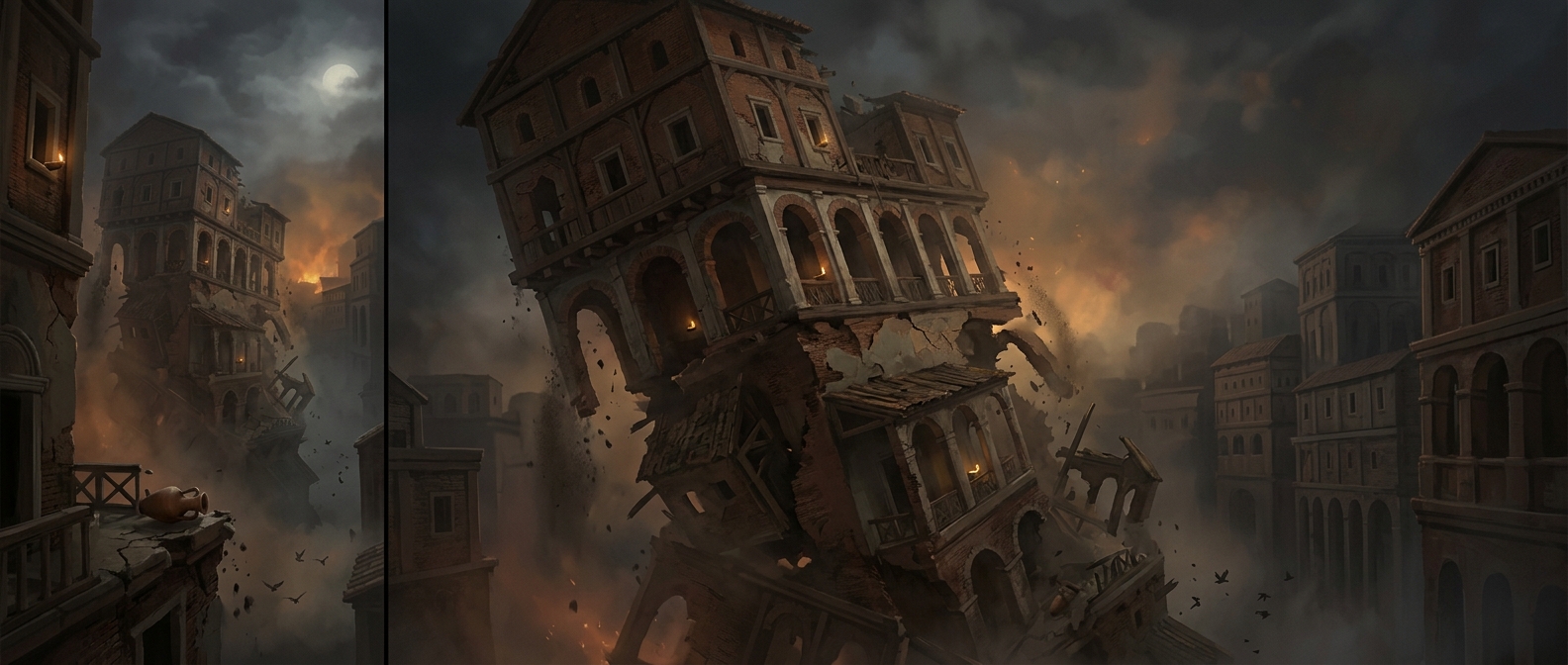
Roman apartment blocks frequently collapsed from poor design
Landlords built multistory insulae from cheap timber and mudbrick, then charged steep rents for rooms in buildings prone to collapse. The people paying for a…
Discover more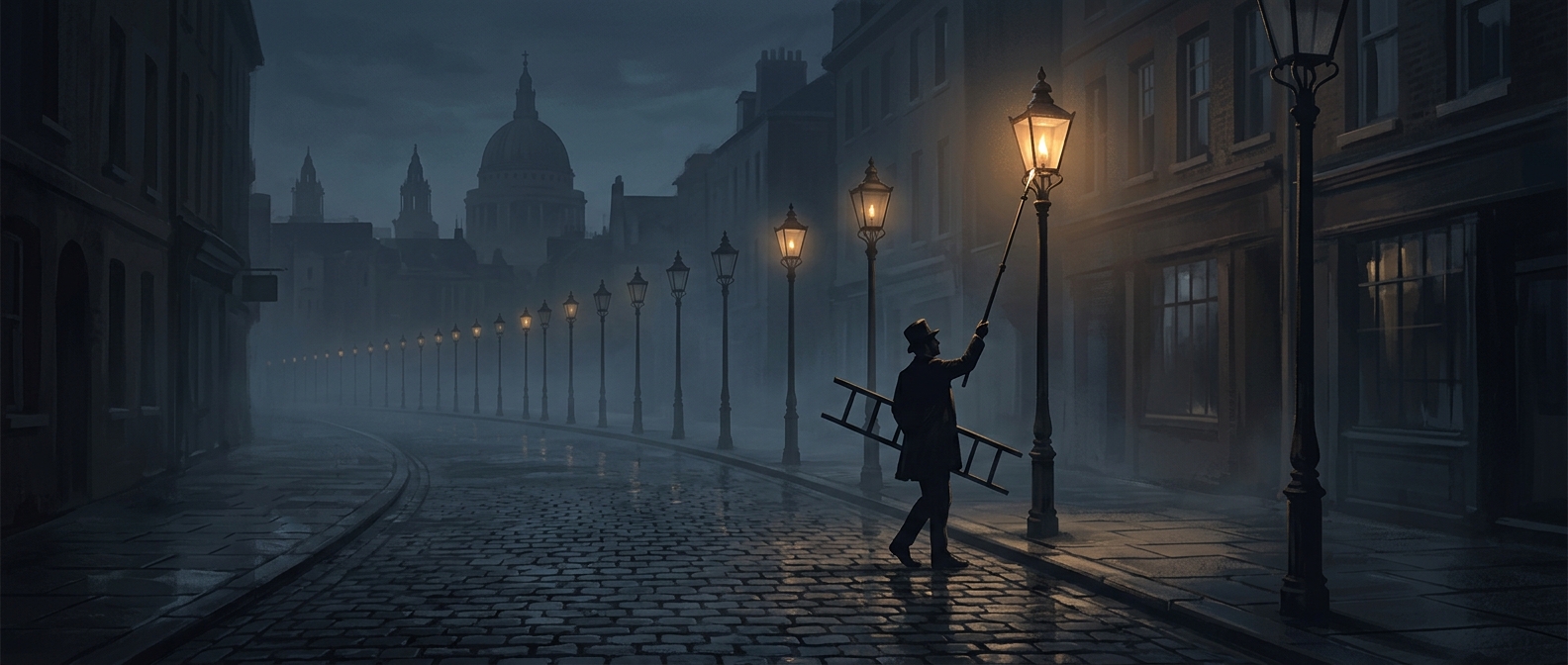
Lamplighters had to manually ignite every single streetlamp
Before automatic street lighting, gas lamps needed a person at each one: lamplighters carried poles and wicks for miles each evening, then walked the route…
Discover more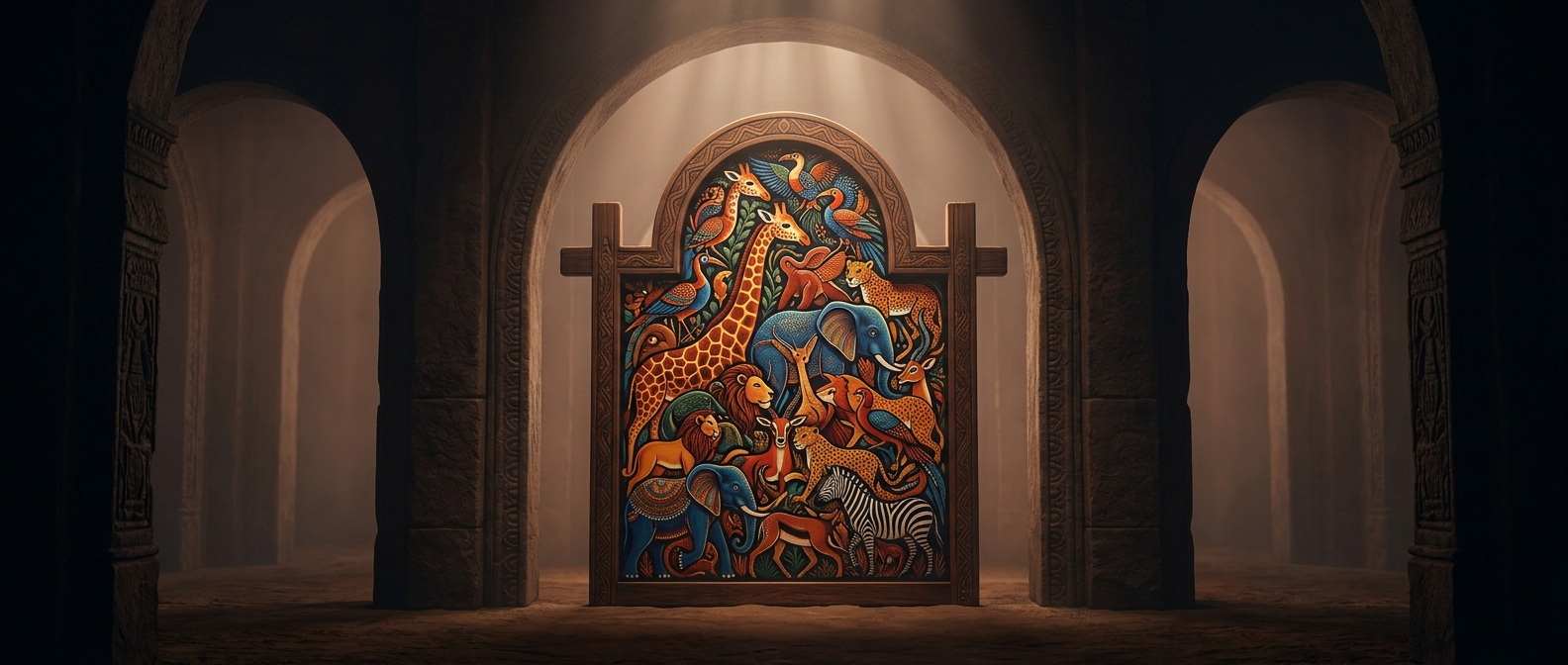
Paintings where every inch is packed with animals
This Tanzanian painting style packs brightly colored birds and leopards into almost every inch of the canvas. It’s as if the whole animal kingdom got one tiny…
Discover more STACKY FOR IPHONE
A bigger world.
One discovery
at a time.
Keep discovering with Stacky. Interesting facts in an app that is always within reach.
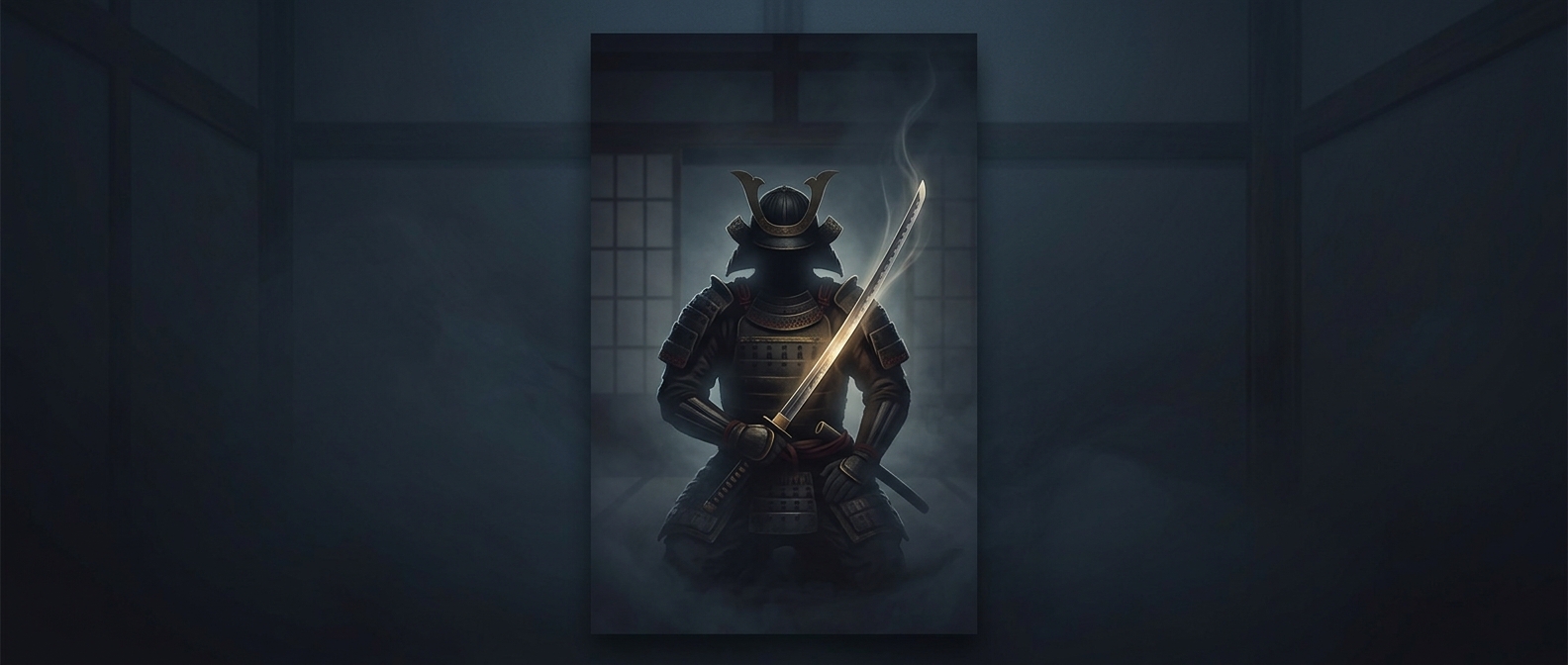
A katana's edge-up position made the draw part of the action
Worn through the sash with its edge upward, the sword could be drawn into a cut rather than first being removed and repositioned. This differed from the…
Discover more
Apollo astronauts packed a slide rule beside their computers
The crews carried a small metal Pickett slide rule for routine calculations, while onboard and ground computers handled critical guidance work. The Apollo 13…
Discover more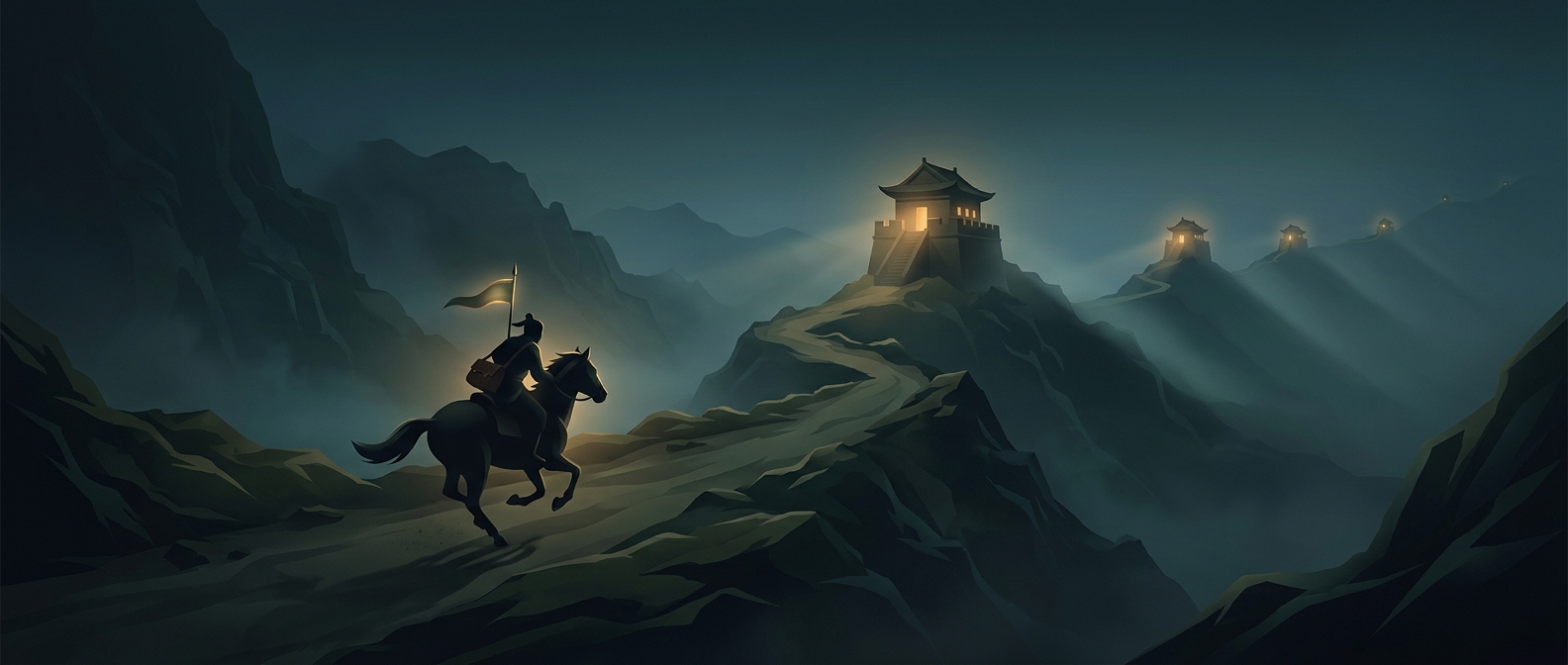
Chinese mail couriers traveled using strict relay stations
Measured intervals and arrival logs made each leg of the route trackable. The courier carried the message; officials kept tabs on the courier, too.
Discover more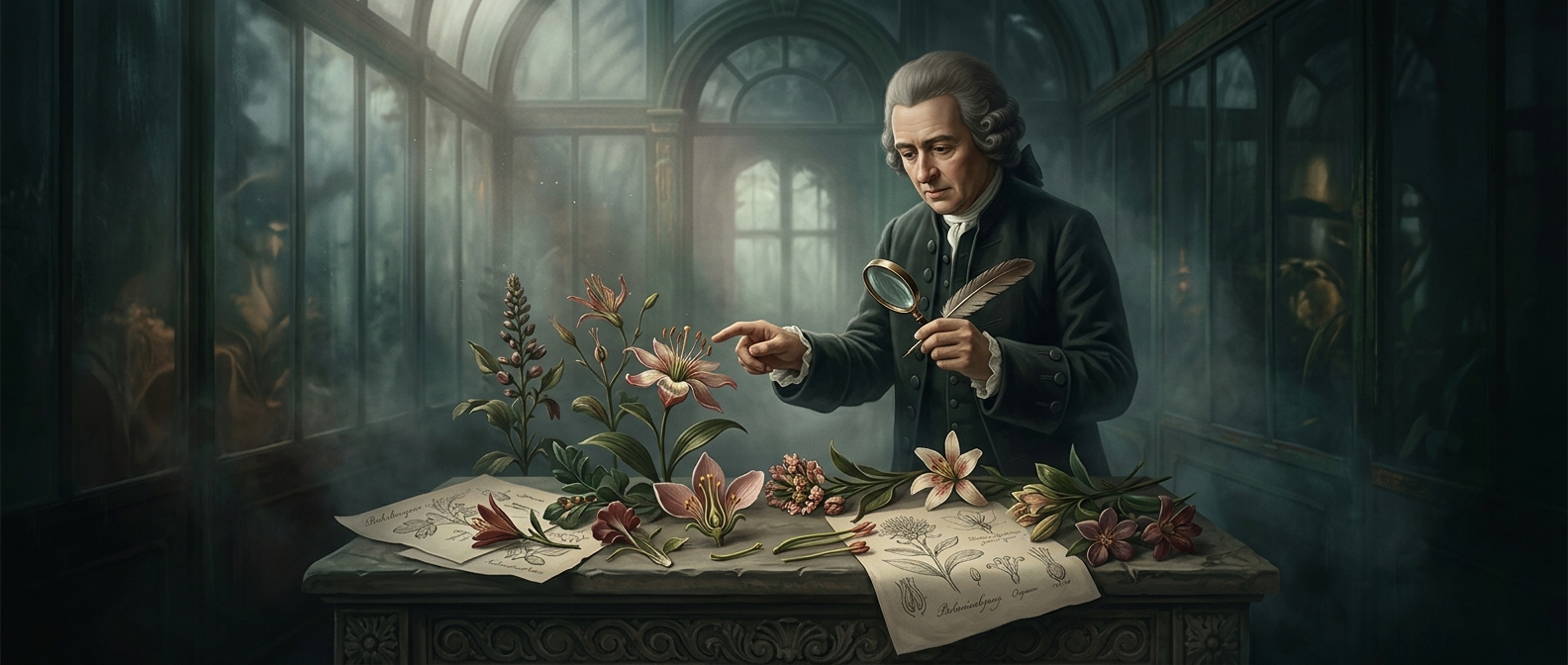
Linnaeus classified plants by their sex organs
Linnaeus sorted plants by their reproductive structures, including their stamens and pistils. Critics found the sexual framework indecent and condemned it as…
Discover more
Sweden repeatedly tried to ban coffee—and kept having to try again
Restrictions in the eighteenth and early nineteenth centuries targeted a foreign luxury that authorities associated with wasteful consumption. The repeated…
Discover more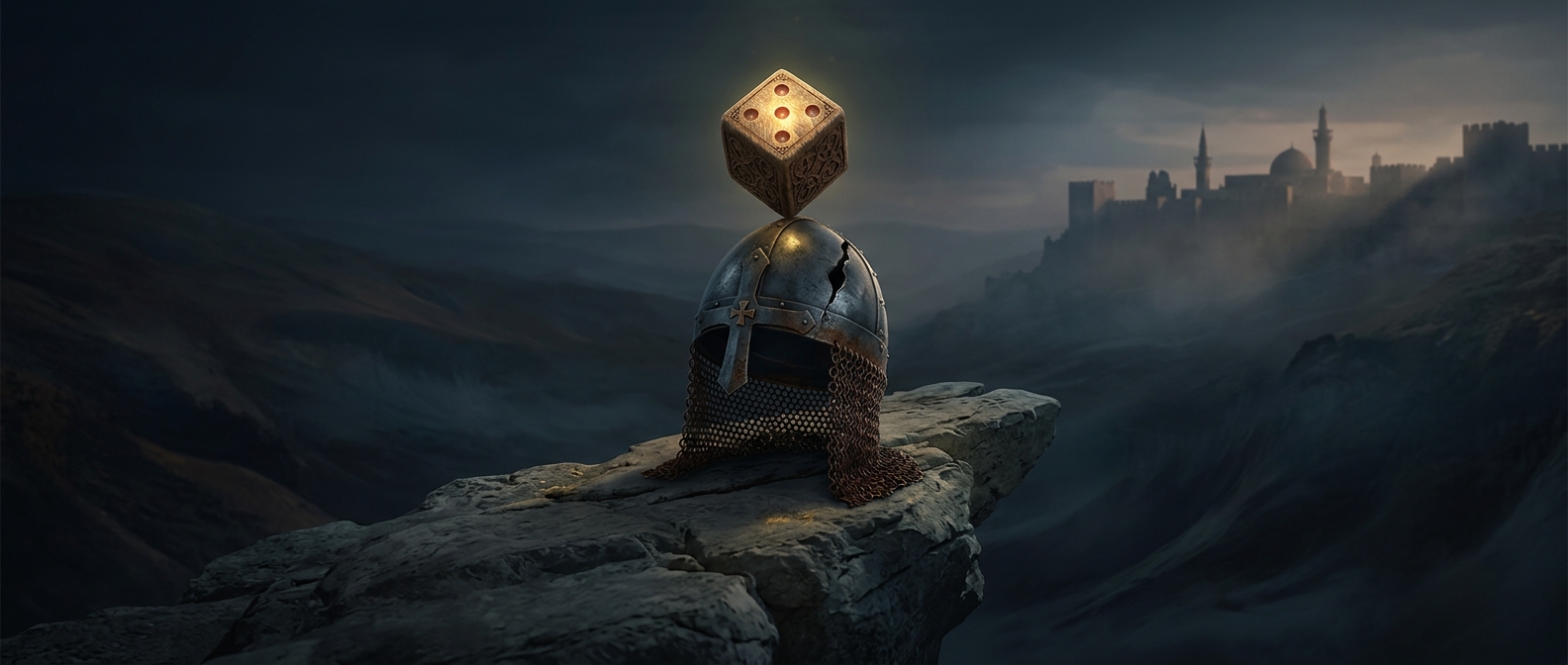
The First Crusade’s unlikely winning streak
The crusaders were short on supplies, but their opponents’ divided leadership gave them openings to seize fortified targets. The defenders had walls; they…
Discover more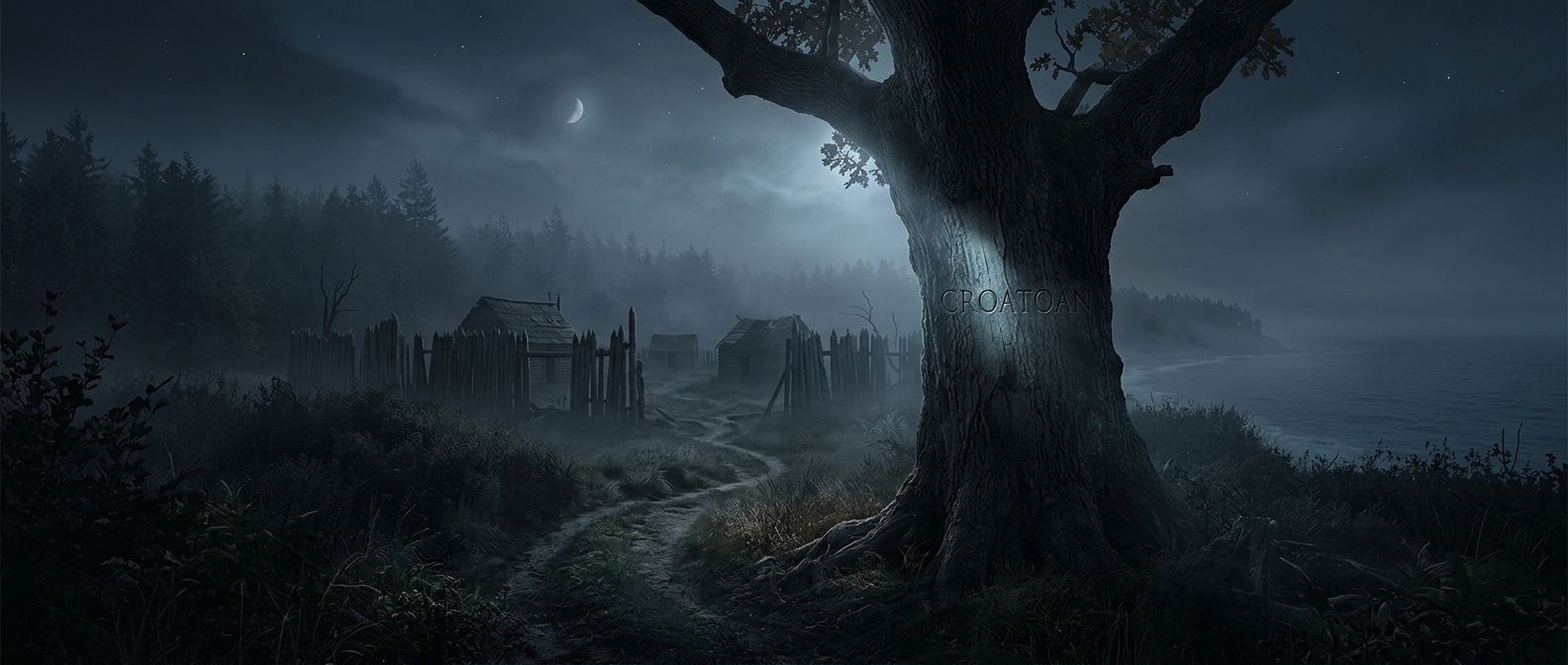
Roanoke's vanished settlers left a destination, not just a mystery
When John White returned in 1590, he found CROATOAN carved at the abandoned settlement. He had arranged for the colonists to leave a sign if they moved, and a…
Discover more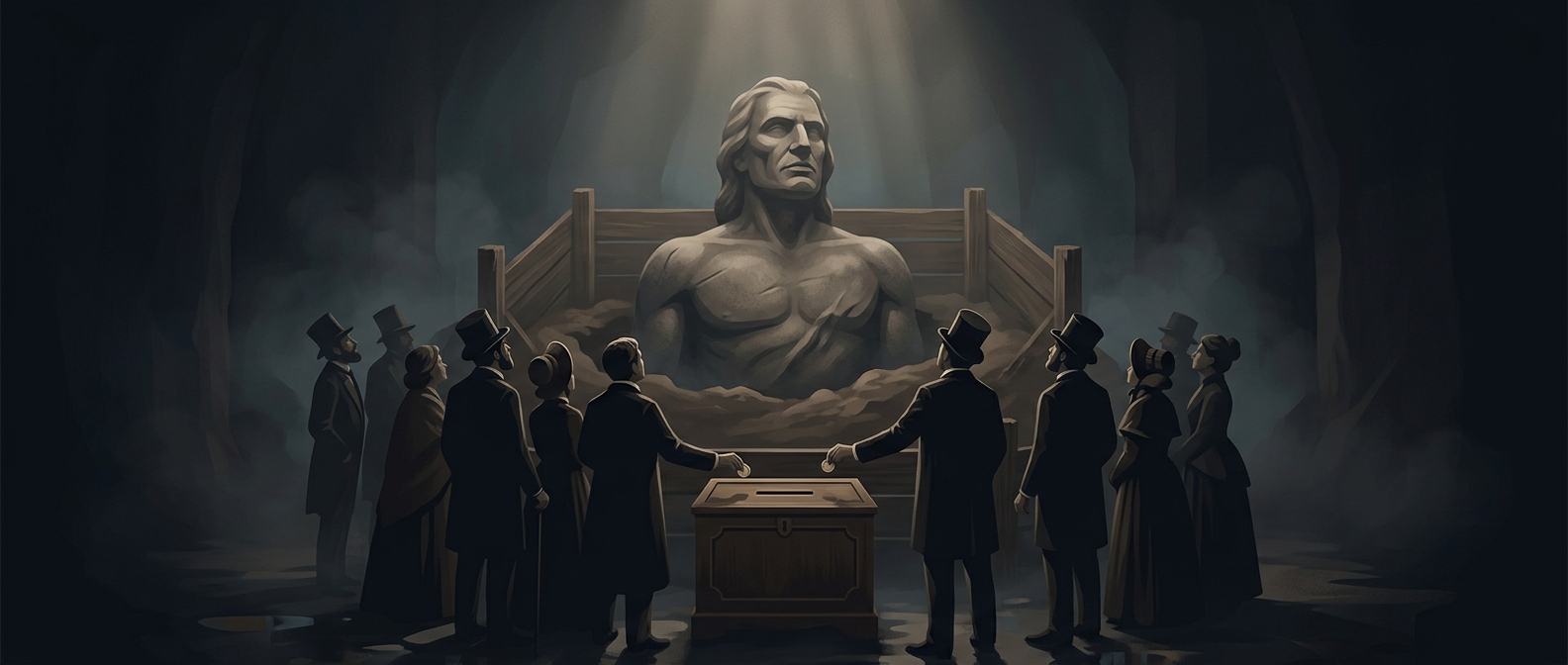
Thousands paid to see a fake petrified giant
The “giant” was gypsum, carved by a prankster and buried on a farm to manufacture a discovery. Thousands paid to see it—the hoax worked best as a ticketed…
Discover more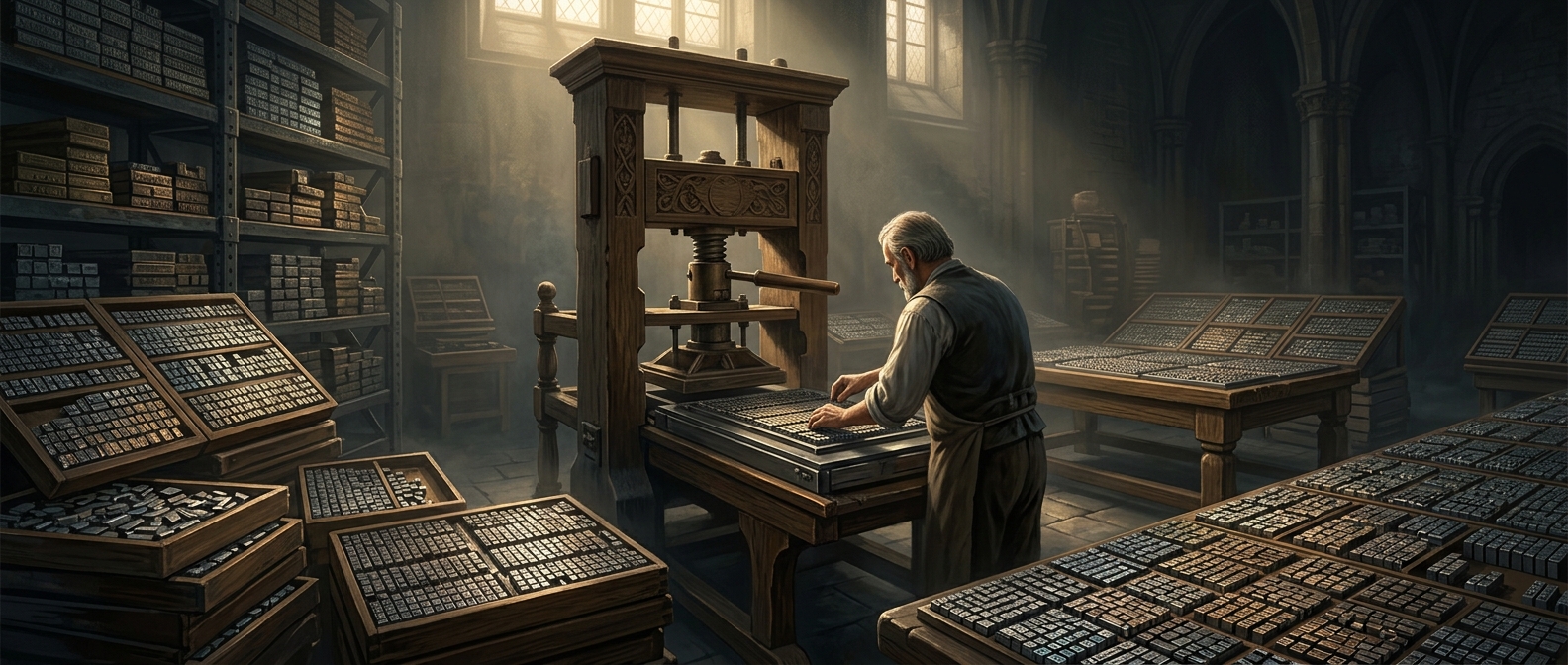
Early printing presses required thousands of metal blocks
Each page had to be assembled from individual metal letters, set backward so they would print the right way around. The press sped up copying, but every page…
Discover more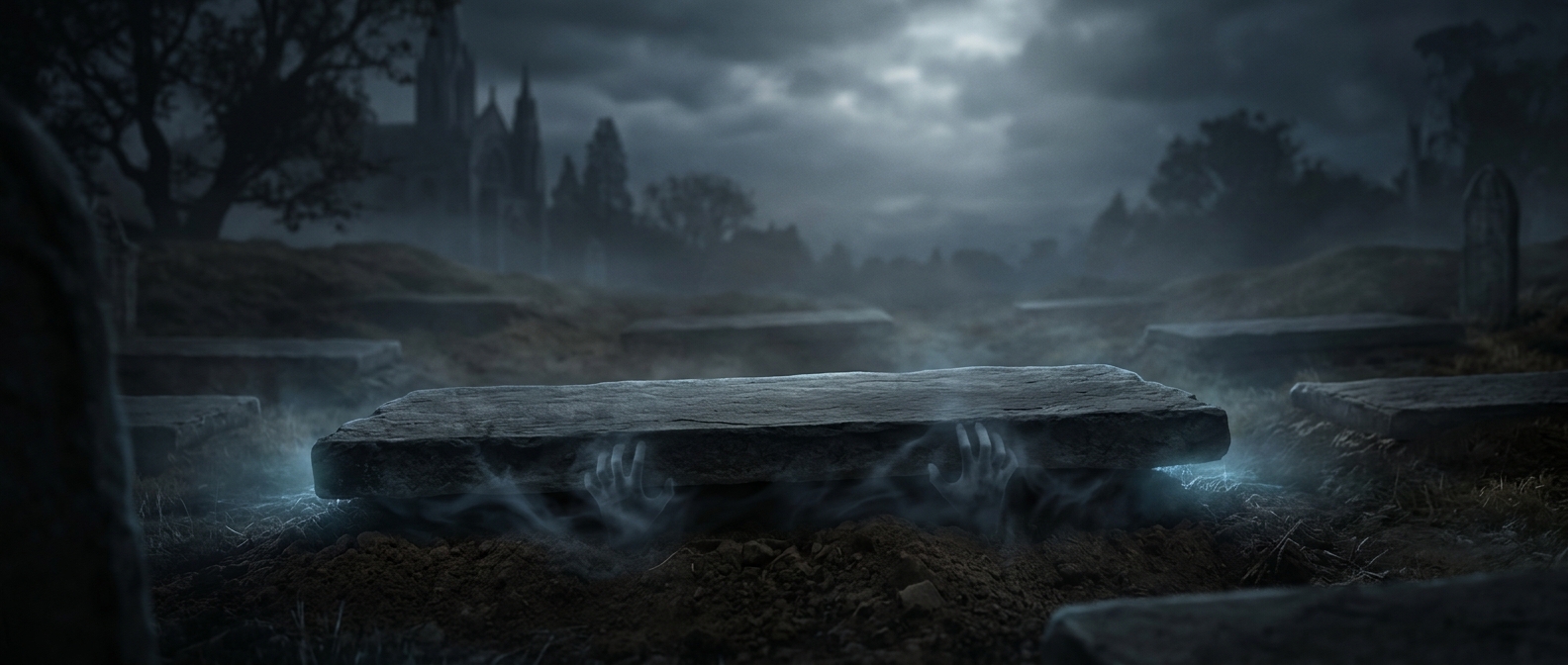
Why tombstones were once laid flat
People laid heavy granite slabs over graves because they believed the weight could keep the dead from rising. The stone was less memorial than lid.
Discover more
Why Maya rulers used intoxicating enemas
They wanted intoxicants to take effect faster: fermented balché or hallucinogens swallowed took longer to act. During rituals, rulers used hollow gourds or…
Discover more
When Victorians thought trains could tear women apart
Some experts warned that a woman's body could not withstand 50 mph, treating the uterus as the weak link. Trains reached that speed anyway; the alarm…
Discover more
France’s longest word has 25 letters
Anticonstitutionnellement means “unconstitutionally”—25 letters for doing something contrary to the constitution.
Discover more
Magritte made paintings that pretended to be other people's
During World War II, the surrealist produced forgeries in the styles of artists including Picasso, de Chirico, and Titian. His associate Marcel Marien sold…
Discover more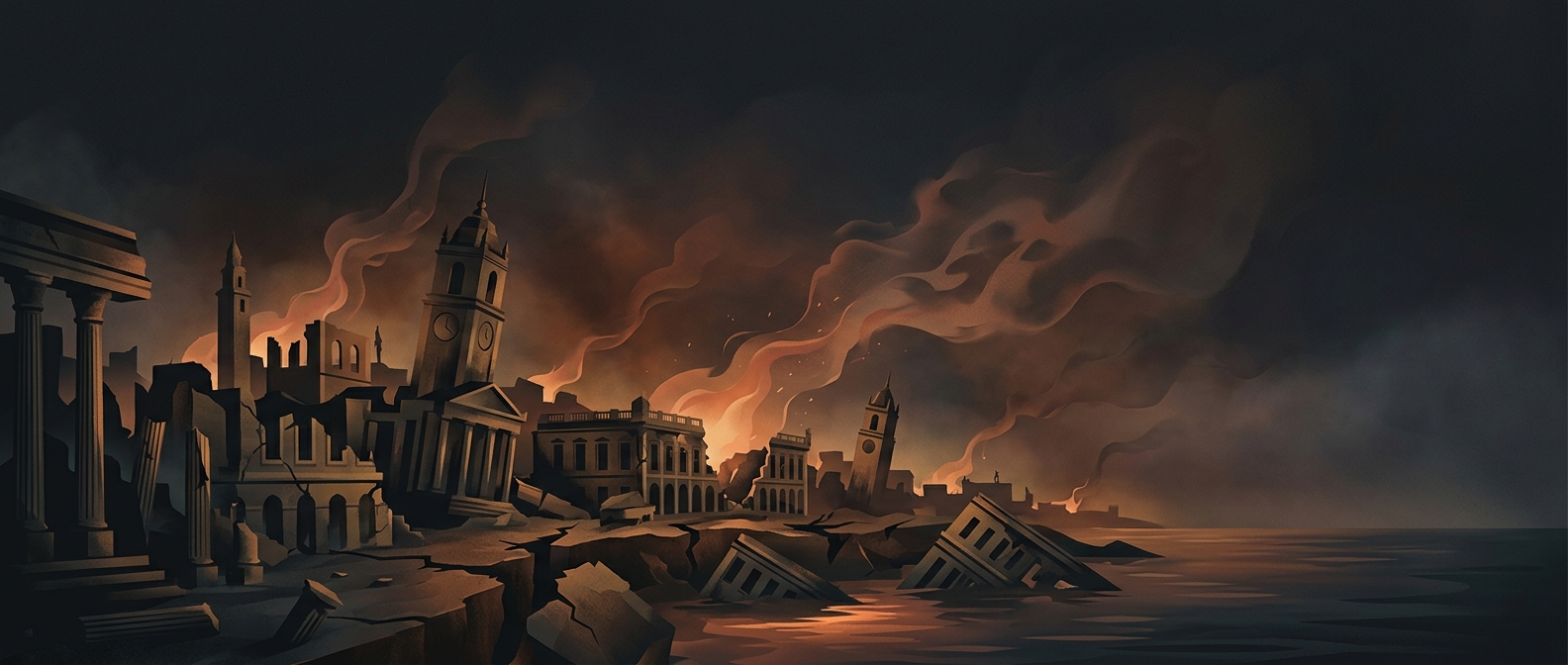
Massive earthquake and fires destroyed a coastal city
Broken gas lines fed fires that burned for days. With the city ablaze, officials even dynamited mansions to make firebreaks: stopping the flames meant…
Discover more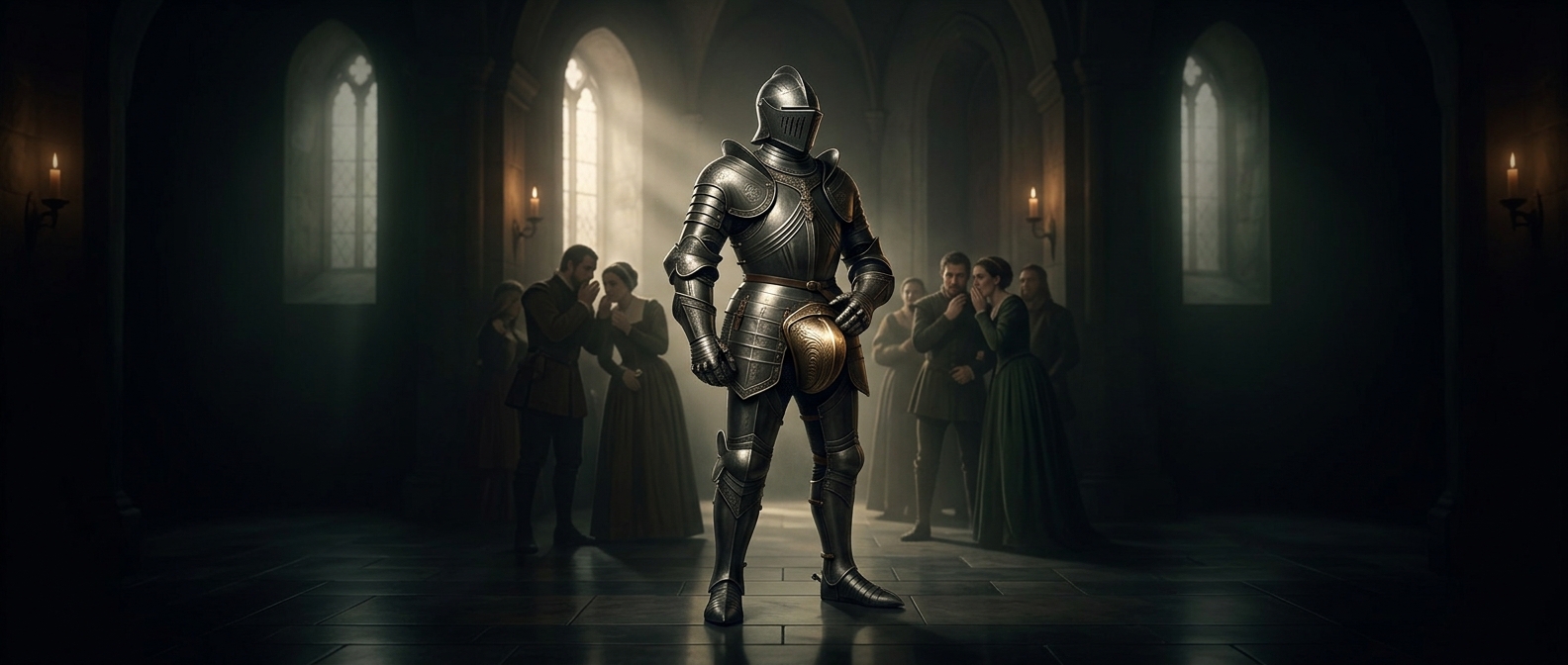
The medieval armor built to exaggerate a man’s size
Armor was meant to protect its wearer, but codpieces also advertised his size. Henry VIII’s steel version weighed several pounds—a lot of metal devoted to…
Discover more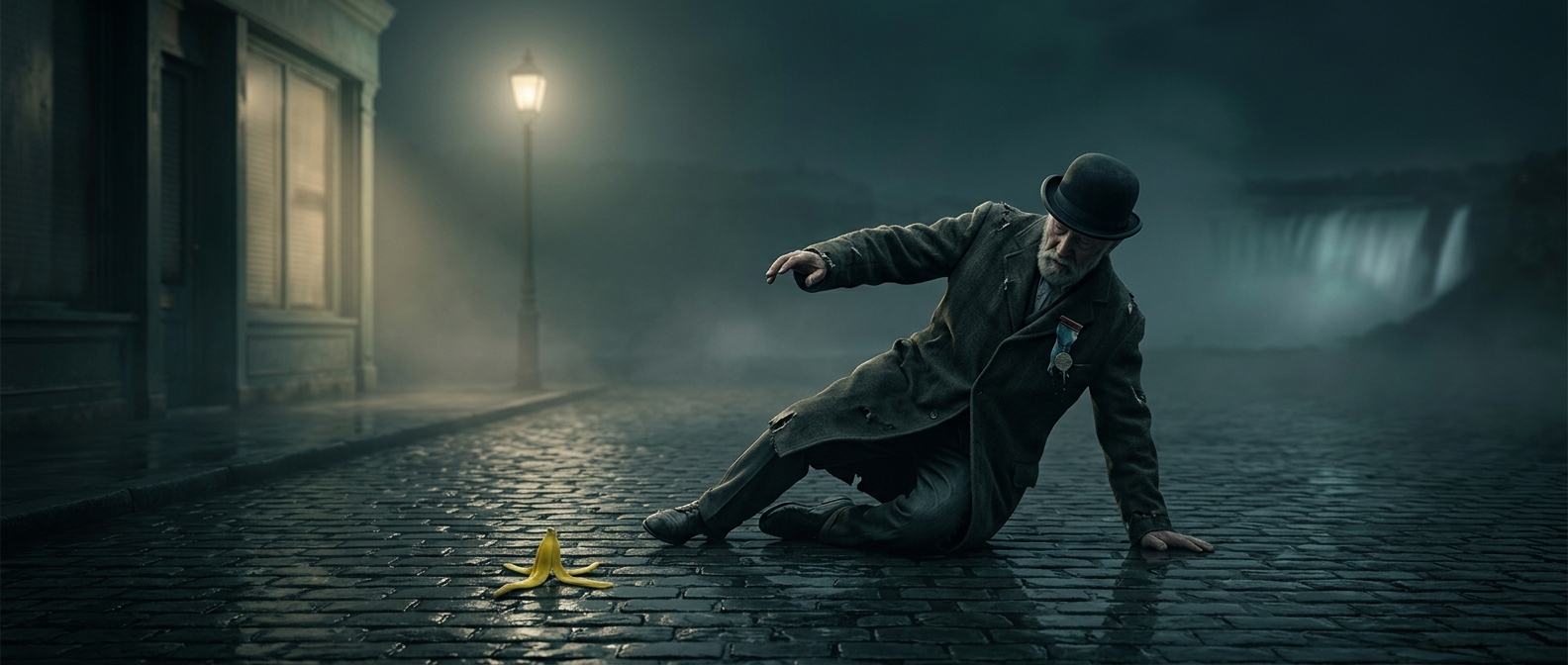
He survived Niagara Falls, then died after slipping on a peel
Bobby Leach survived going over Niagara Falls in a steel barrel, then later slipped on an orange peel and broke his leg. He died from complications—his famous…
Discover more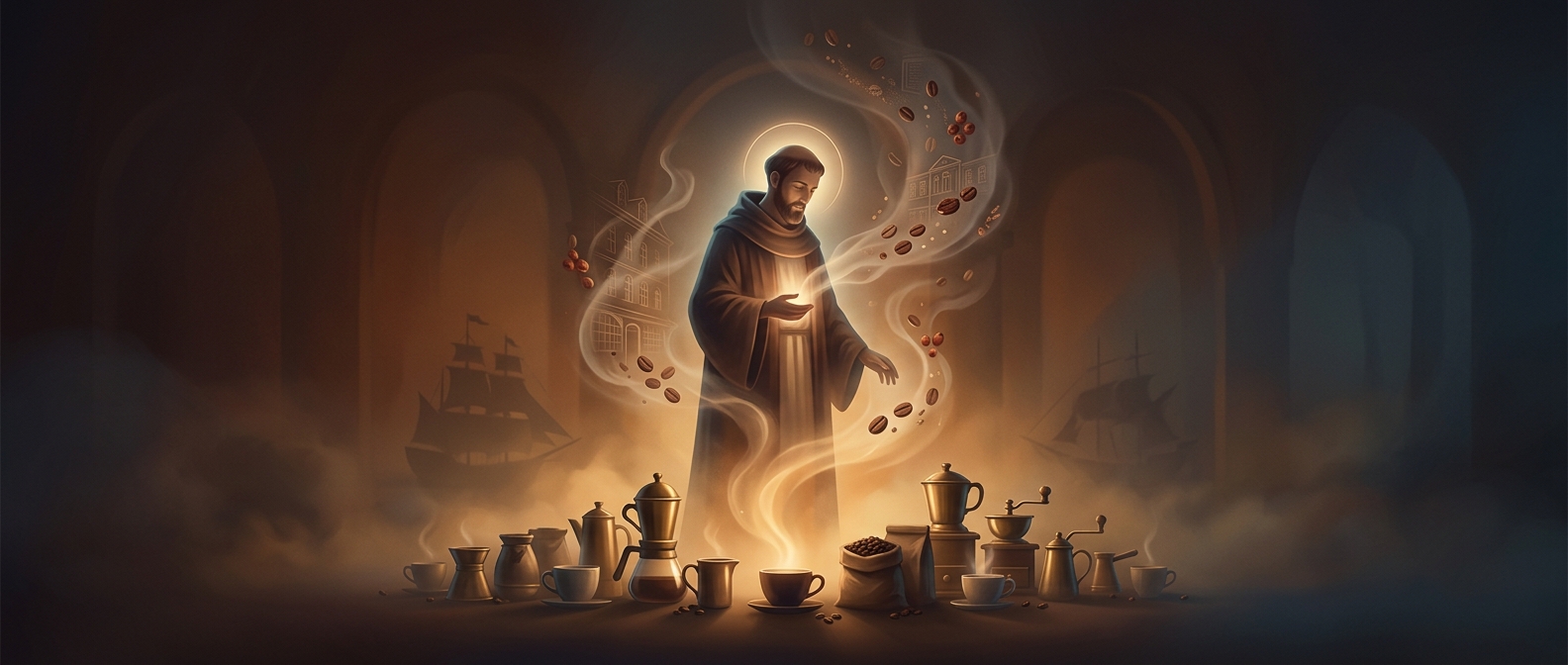
Coffeehouses have a patron saint who lived before European cafés
Saint Drogo, a 12th-century hermit, later became associated with coffee and coffeehouse keepers. That patronage connects a medieval religious life to an…
Discover more