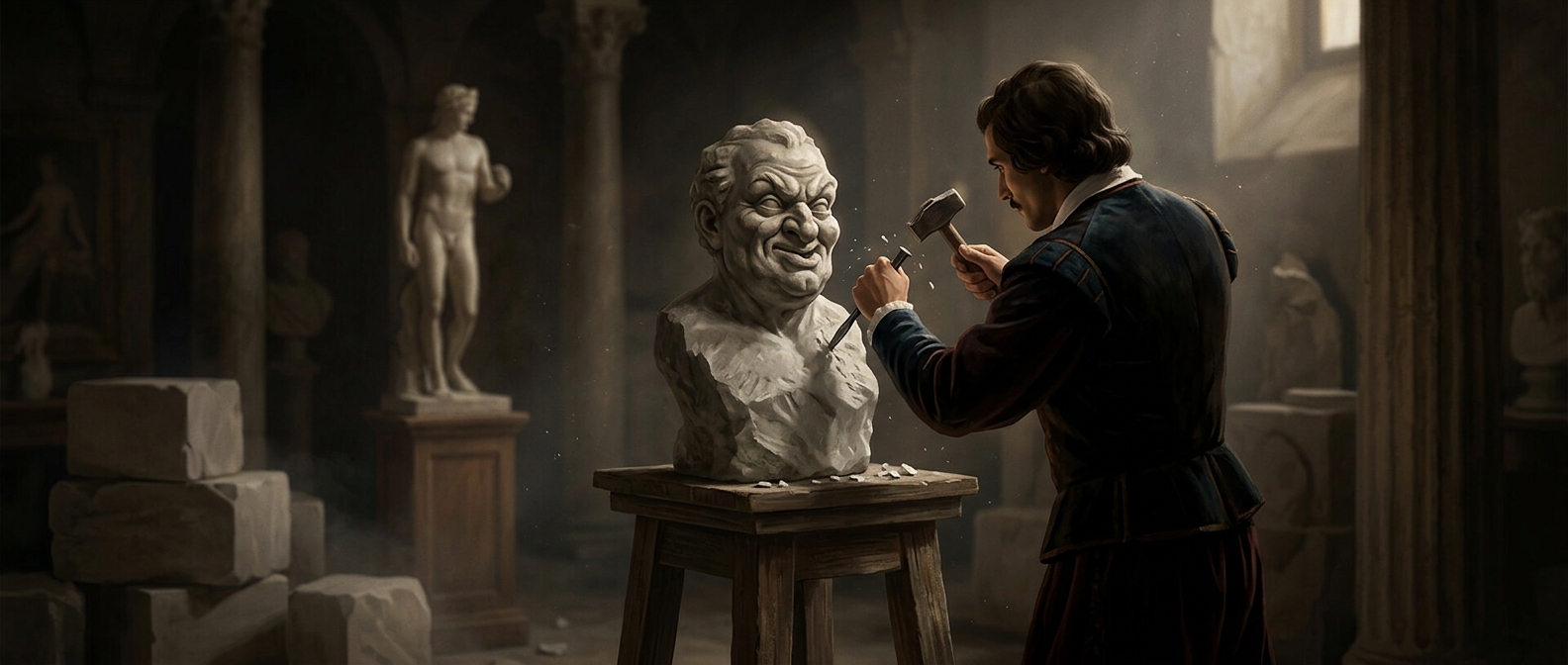
A hermit becomes a patron of coffeehouse keepers
Saint Drogo’s connection to coffeehouses is not part of his own 12th-century life. He lived as a hermit in a small cell attached to a church, long before coffeehouses became familiar institutions in Europe. The gap in time makes his patronage an example of how a saint’s following could acquire new associations long after the saint had died.
Patronage is a relationship, not a job description
A patron saint is someone whom a community turns to for spiritual protection or support. The connection may grow from a saint’s life, a local custom, or a later devotional tradition. In Drogo’s case, the precise reason coffeehouse keepers adopted him is not clearly established, so it is better not to invent a story linking him to brewing or serving coffee.
That uncertainty does not make the tradition meaningless. Naming Drogo as a patron gave coffeehouse keepers a shared religious figure, even though his own life was spent in solitude rather than in a bustling public room.
A surprising afterlife
The contrast is what makes the association memorable: a man remembered for withdrawing from ordinary society became connected with places built around conversation and company. His patronage shows how a saint’s reputation could travel beyond the circumstances of his lifetime and find a place in a very different kind of community.