When a coffee ban reached the dinner table
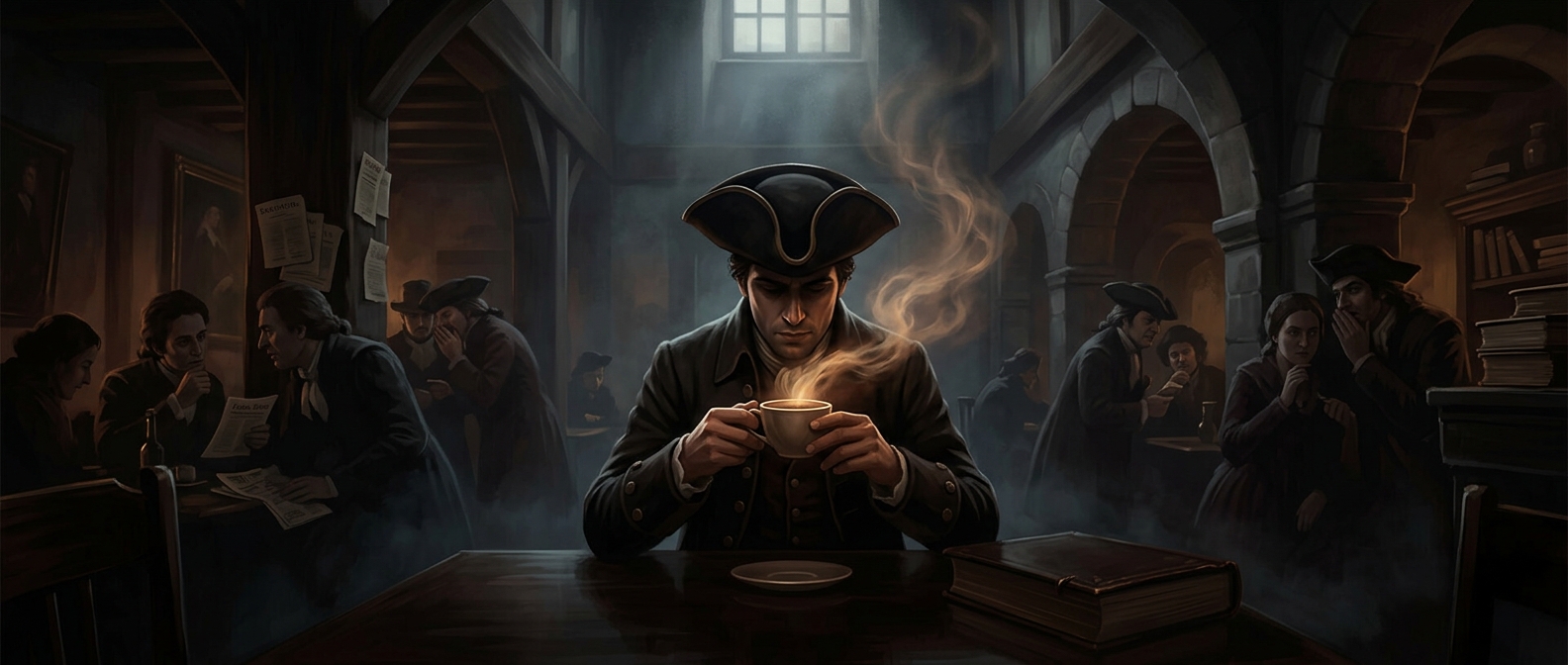
Sweden’s attempts to restrict coffee did not stop at shops and public cafés. At one point, officials also limited how much coffee people could serve at private gatherings. The rule pushed enforcement into the home: undercover officers could attend dinner parties and check whether hosts had exceeded the allowance.
That made a seemingly modest drink an unusually difficult target. Coffee was prepared and shared in ordinary social settings, where a public ban could not easily be enforced. A household could still brew a pot for guests, so authorities had to monitor the occasions on which people drank it.
Why restrictions were hard to enforce
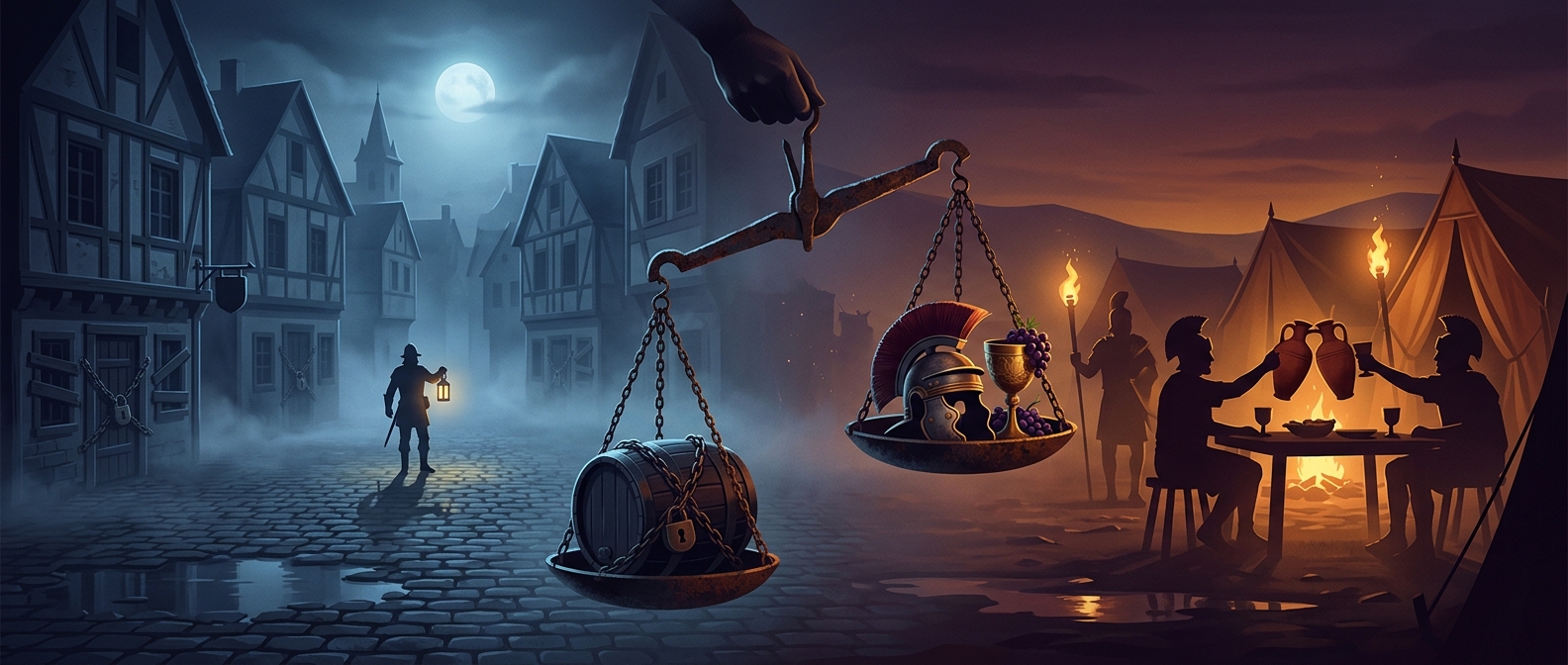
The policy reflected a broader effort to control a popular imported luxury. But popularity worked against the restrictions: as long as people wanted coffee, limiting sales did not guarantee that they would stop serving it. Rules aimed at private gatherings treated the social ritual itself as a place for enforcement.
That approach also carried a cost. Checking dinner parties meant turning hospitality into a potential police matter, and the need for covert inspections showed how far officials had to reach to police everyday consumption. The episode captures the gap between declaring a habit illegal and making it disappear: when coffee moved from the marketplace into the home, enforcement had to follow.