The complaint was really about where husbands spent their time
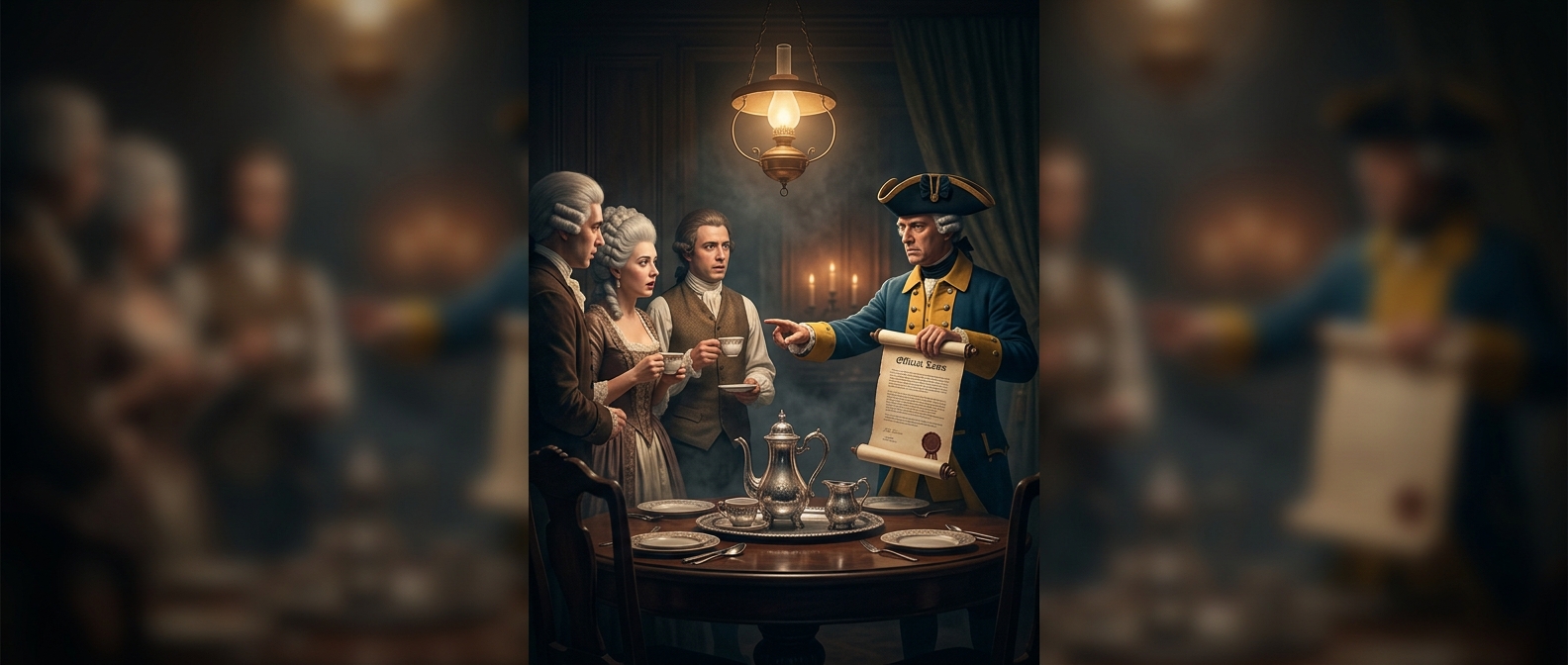
In 1674, a pamphlet known as The Women’s Petition Against Coffee cast the drink as a domestic menace. Its complaint was less about brewing than about the new social habit surrounding coffee: men could sit for long stretches in coffeehouses, talking and listening to news instead of returning home. The petition portrayed them as idle and gossipy, turning a household grievance into a public argument about coffee.
Coffeehouses offered a rival kind of company
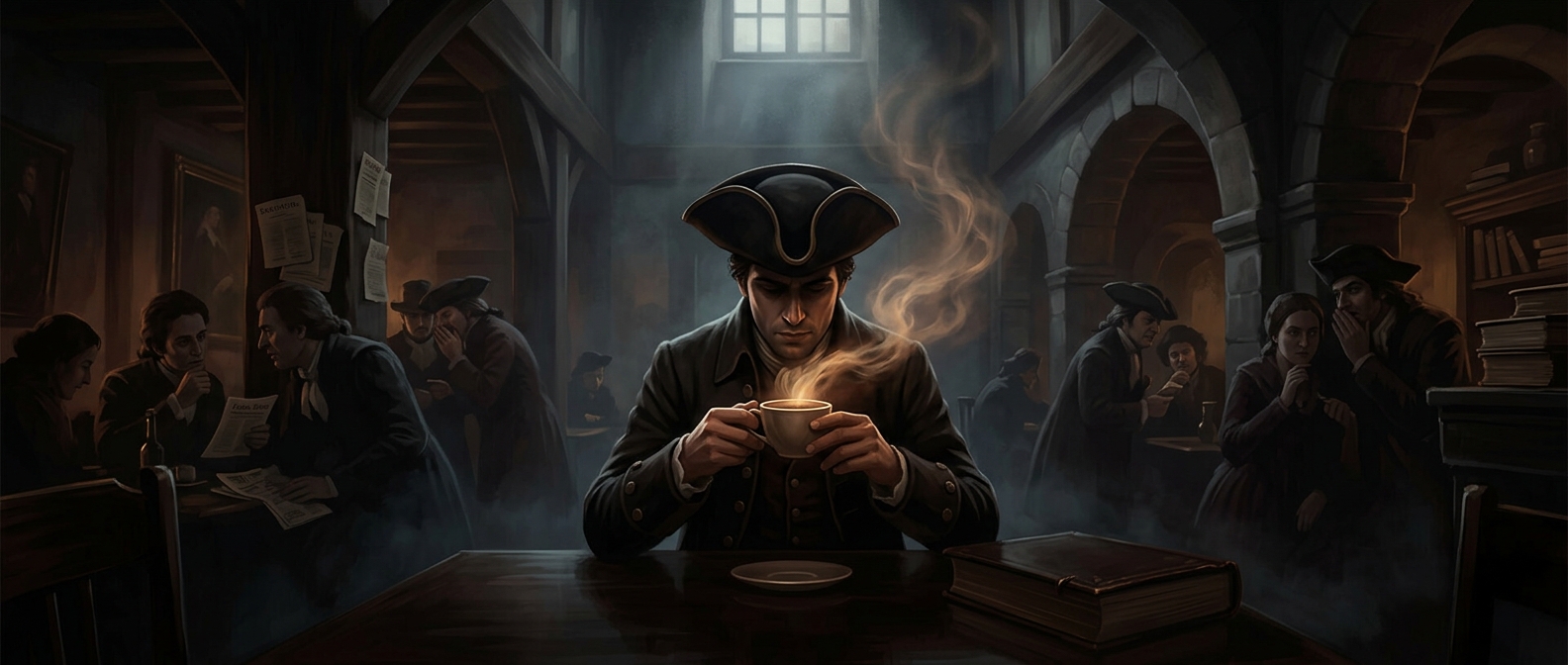
In London, coffeehouses had become places where men gathered to converse, exchange information, and linger. A cup gave customers a reason to stay; the conversation was the larger attraction. That made the coffeehouse more than a shop selling an unfamiliar drink. It competed with the home for men’s time and attention.
The petition used comic exaggeration to make that tension vivid. By blaming coffee itself, its authors could frame men’s absence as a consequence of the beverage rather than a choice about how to spend the evening. The joke also exposed a genuine change: social life and discussion were increasingly happening in public rooms organized around a cheap drink.
The episode is worth remembering because the argument was never only about taste. Coffee became a stand-in for the places, conversations, and habits that were drawing men away from home.