History
Discover facts about history. Small discoveries that change the way you see familiar things.
History
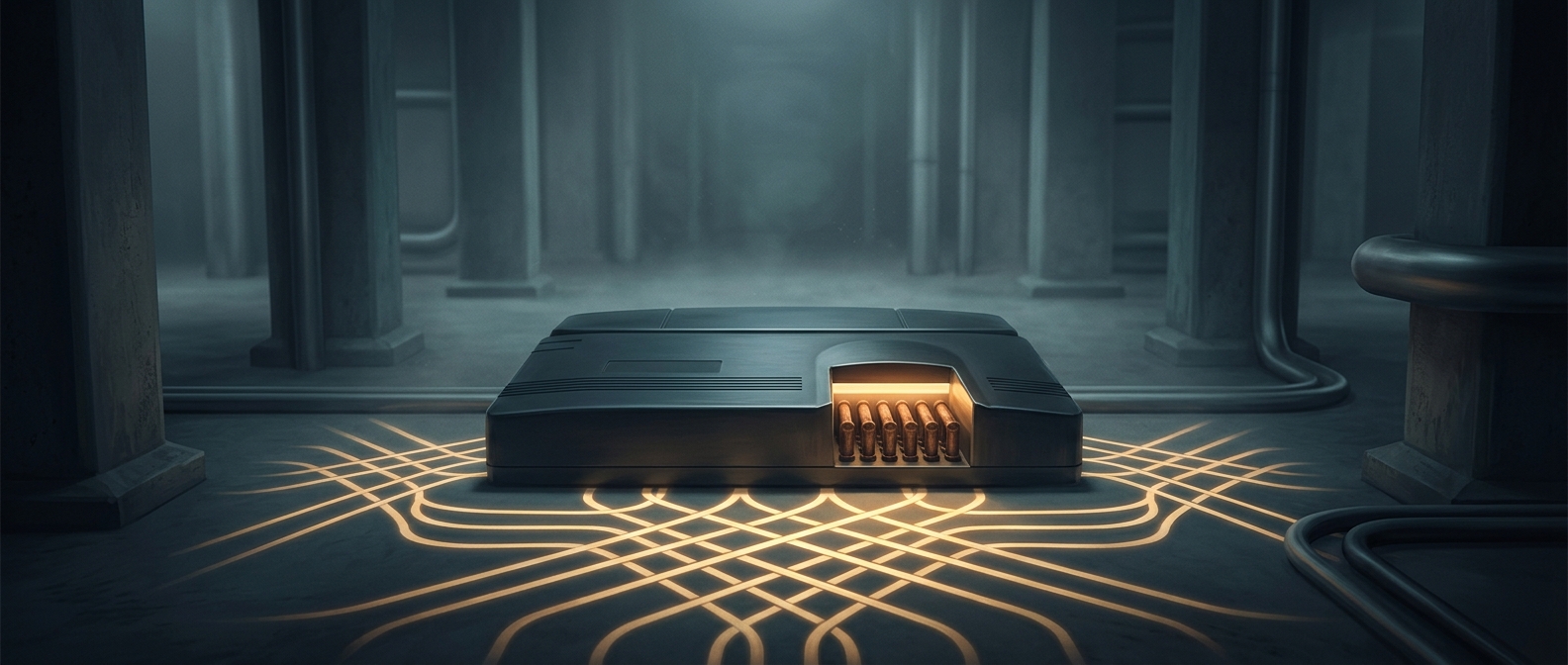
The TurboGrafx-16 was powered by an 8-bit CPU
Talk about a completely fabricated numerical flex. The massive '16' stamped loudly on the plastic casing was a blatant misdirection; the central processor was…
Discover more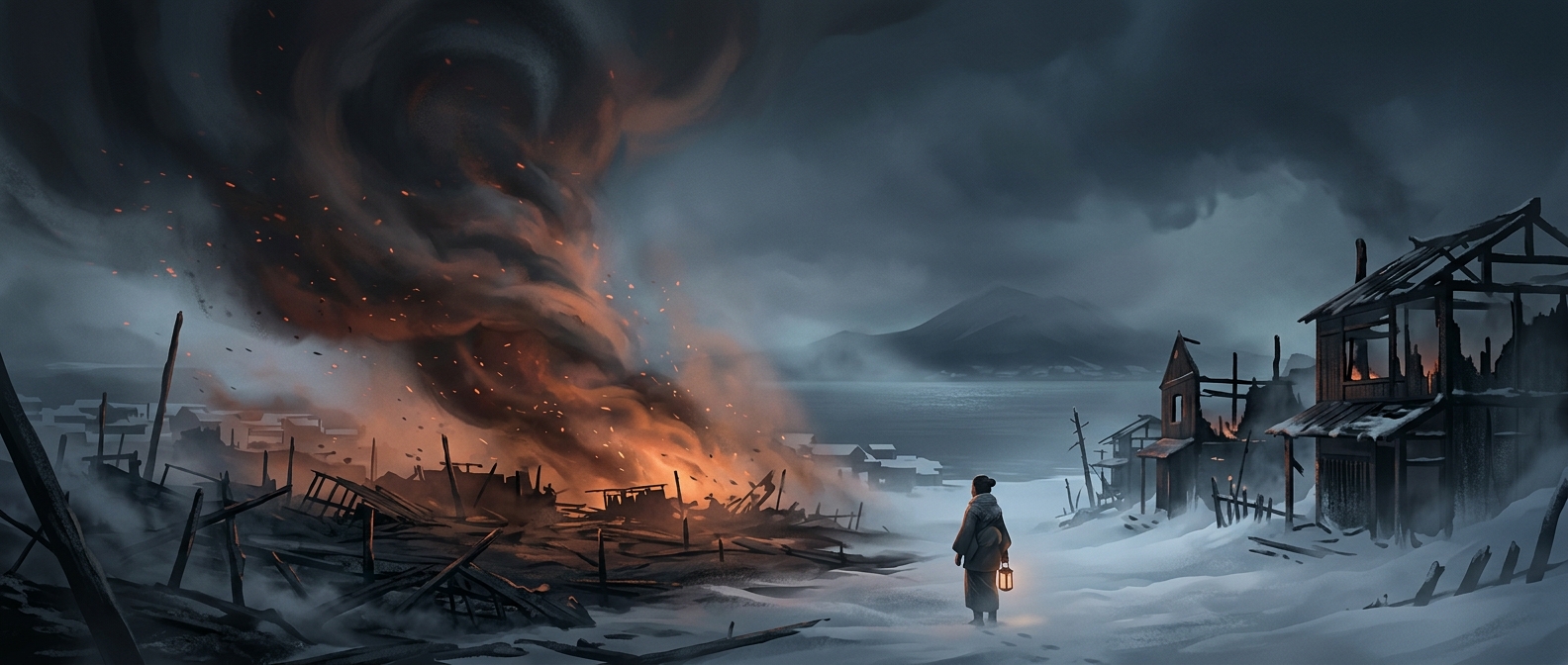
How a winter fire turned Hakodate to ashes
Because freezing weather is apparently no defense against total incineration. In 1934, howling winter winds caught a localized flame and blasted it across the…
Discover more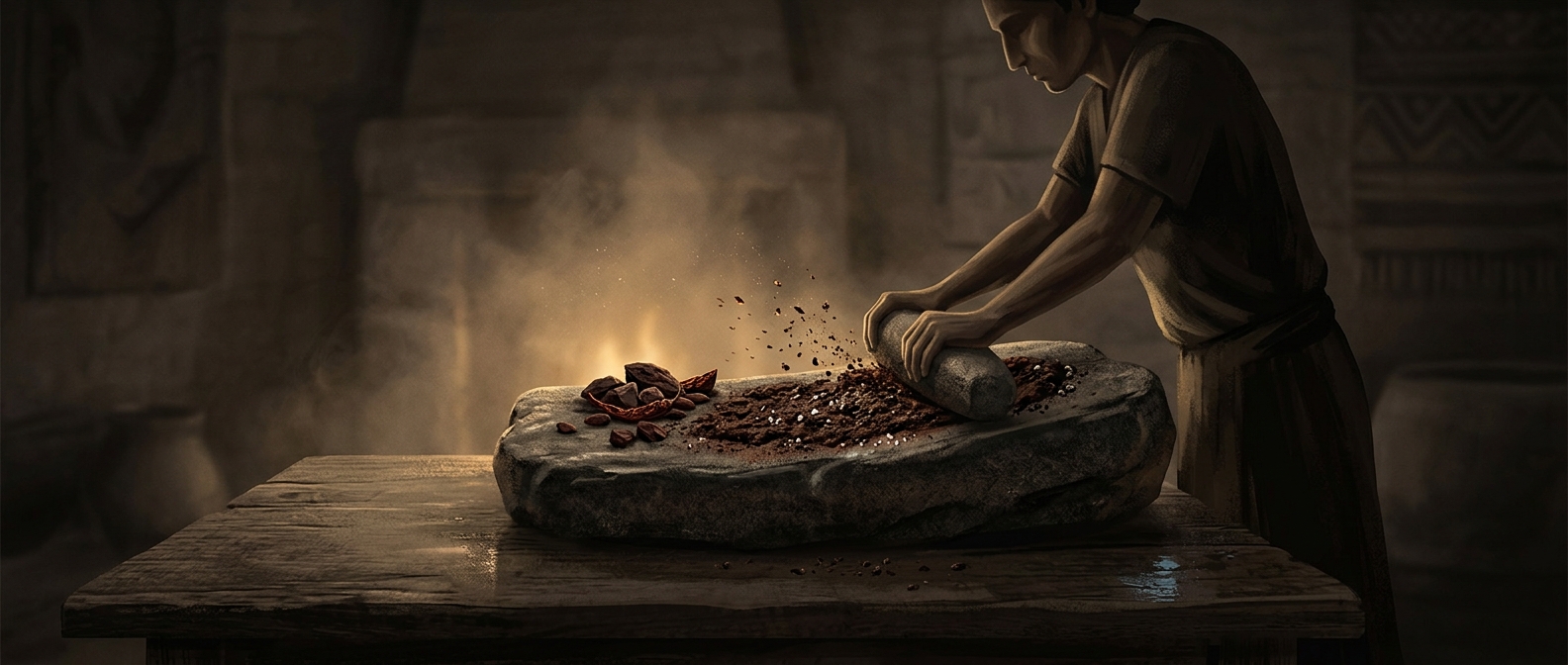
The first chocolate bars were gritty and bitter
Before the glorious invention of smooth milk chocolate processing, snacking on cocoa felt uncomfortably close to chewing on sweetened, slightly acidic dirt.
Discover more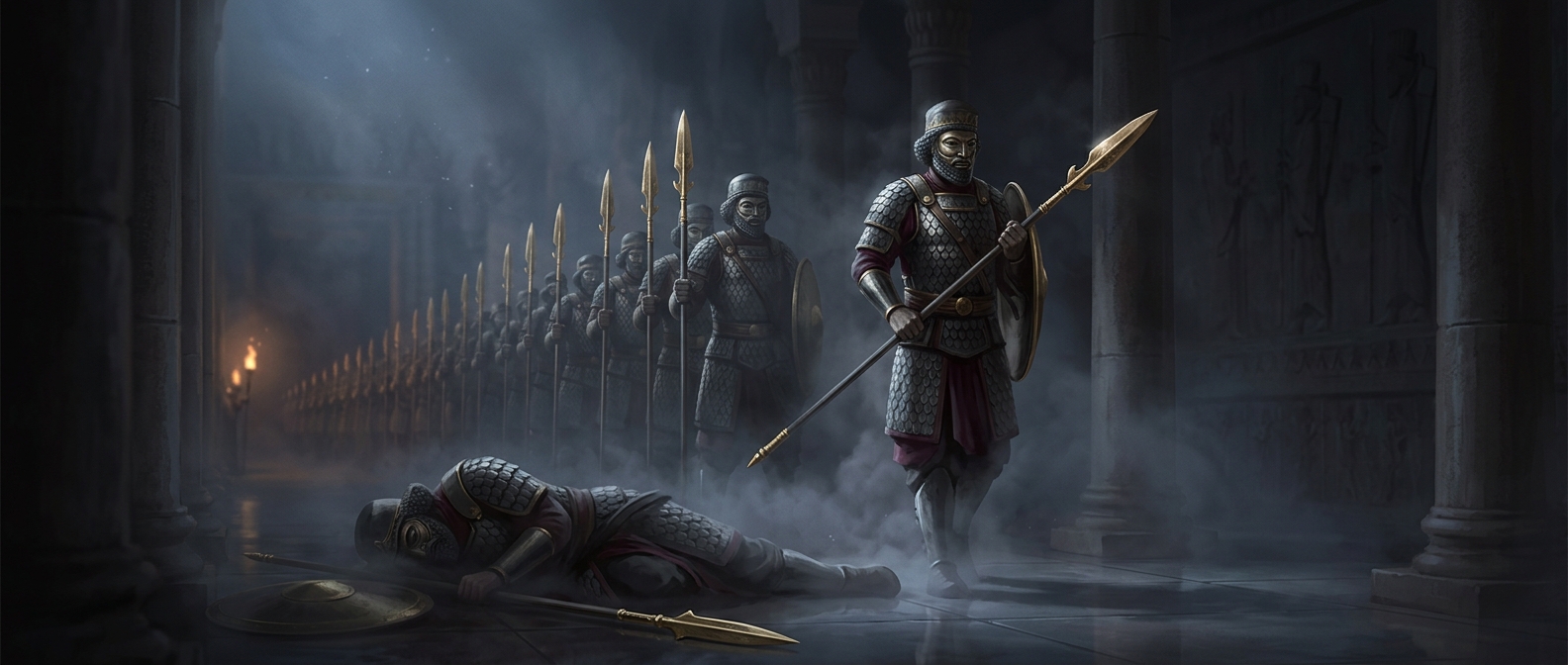
How an army seemed immortal without being one
The terrifying myth of an unkillable army was completely maintained through deeply rigorous logistical efficiency. Whenever an elite combatant fell in battle,…
Discover more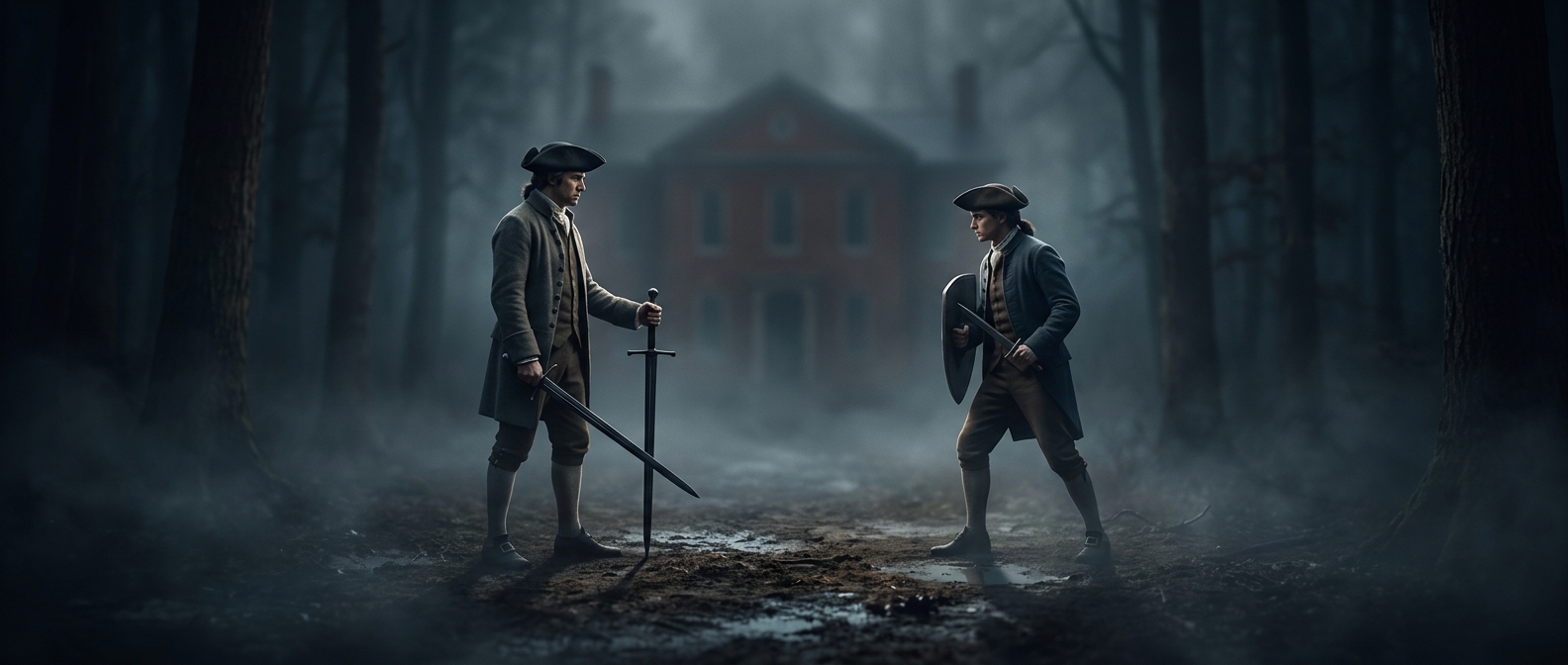
New Jersey kept trial by combat on the books until 1818
You'd assume sword fighting to solve a property dispute ended in the Dark Ages, but New Jersey kept it around just in case. Due to heavy reliance on outdated…
Discover more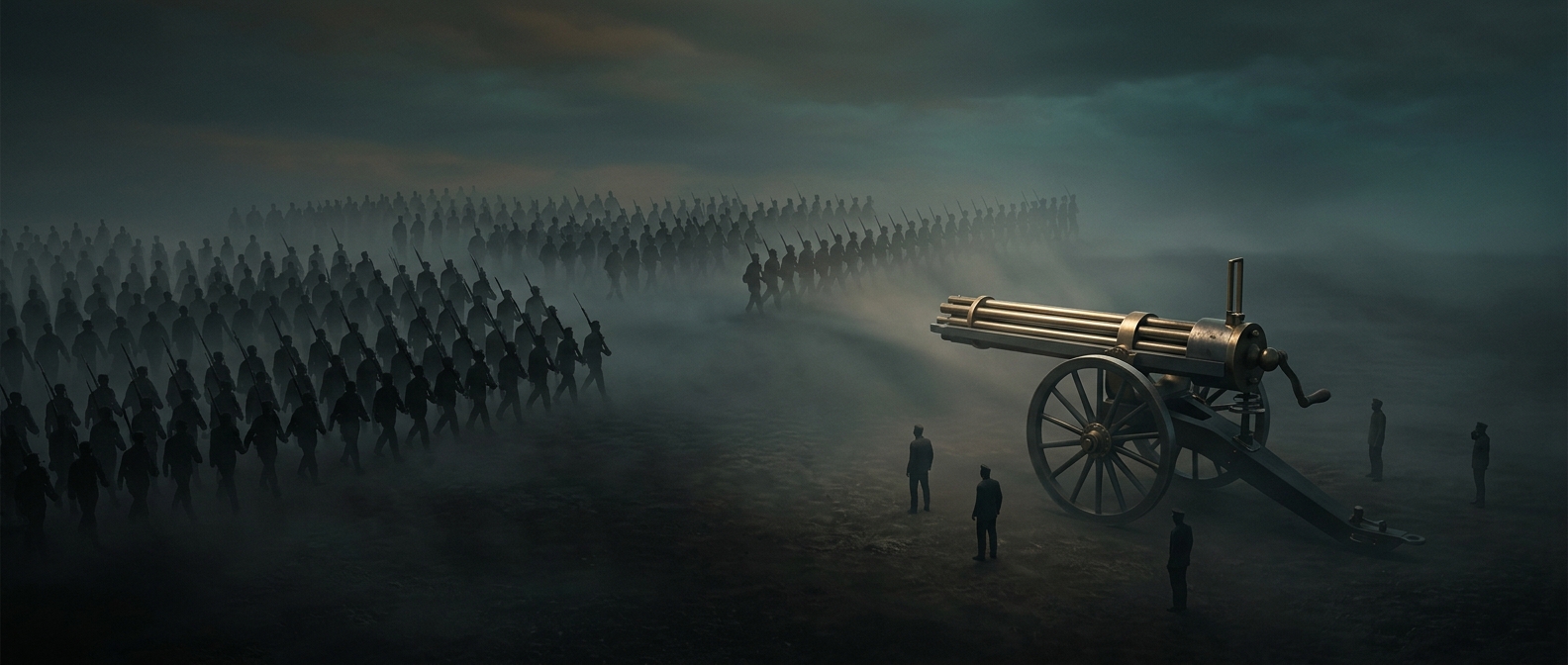
The machine gun was meant to make armies smaller
A medical professional witnessing massive battlefield casualties decided the best cure was overwhelming firepower. He genuinely believed that creating a…
Discover more STACKY FOR IPHONE
A bigger world.
One discovery
at a time.
Keep discovering with Stacky. Interesting facts in an app that is always within reach.
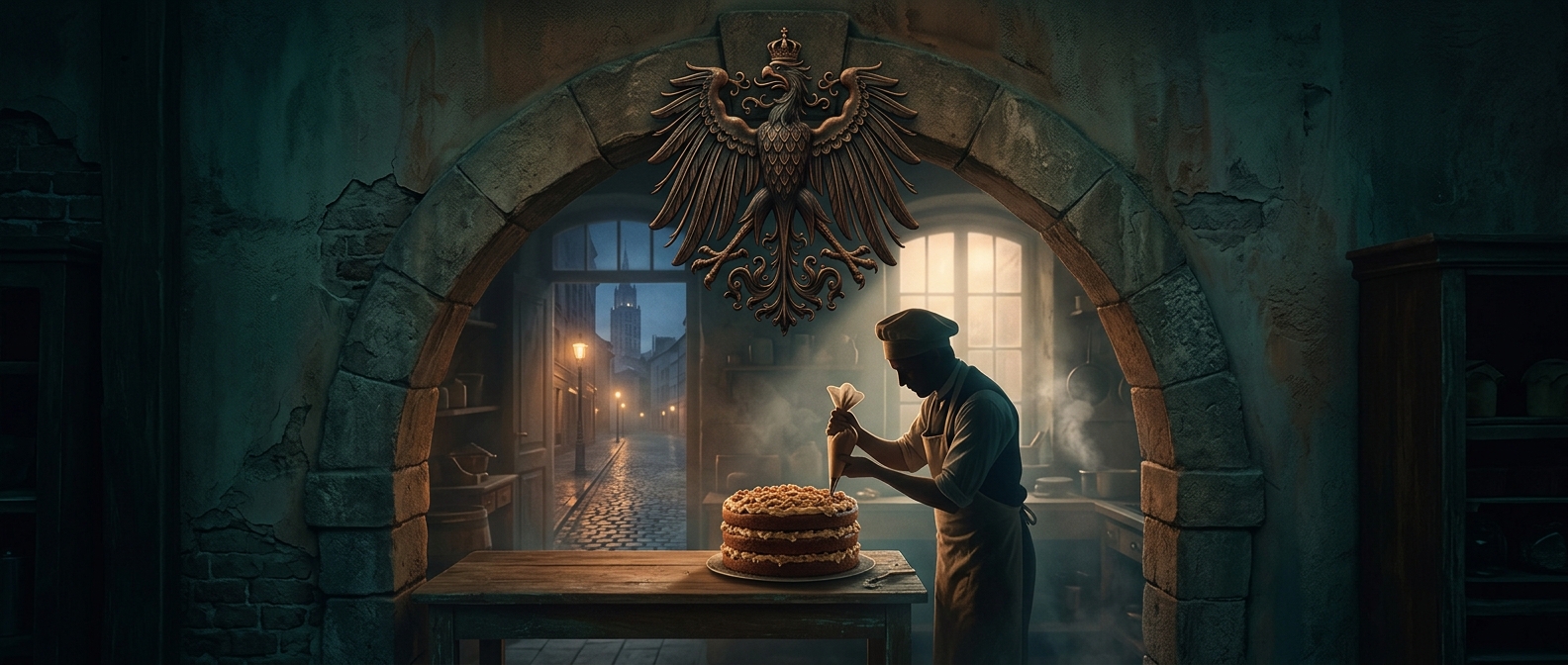
German chocolate cake has nothing to do with Germany
Don't go to Berlin expecting to find this coconut-covered dessert. The recipe simply required a specific type of baking chocolate named after an American…
Discover more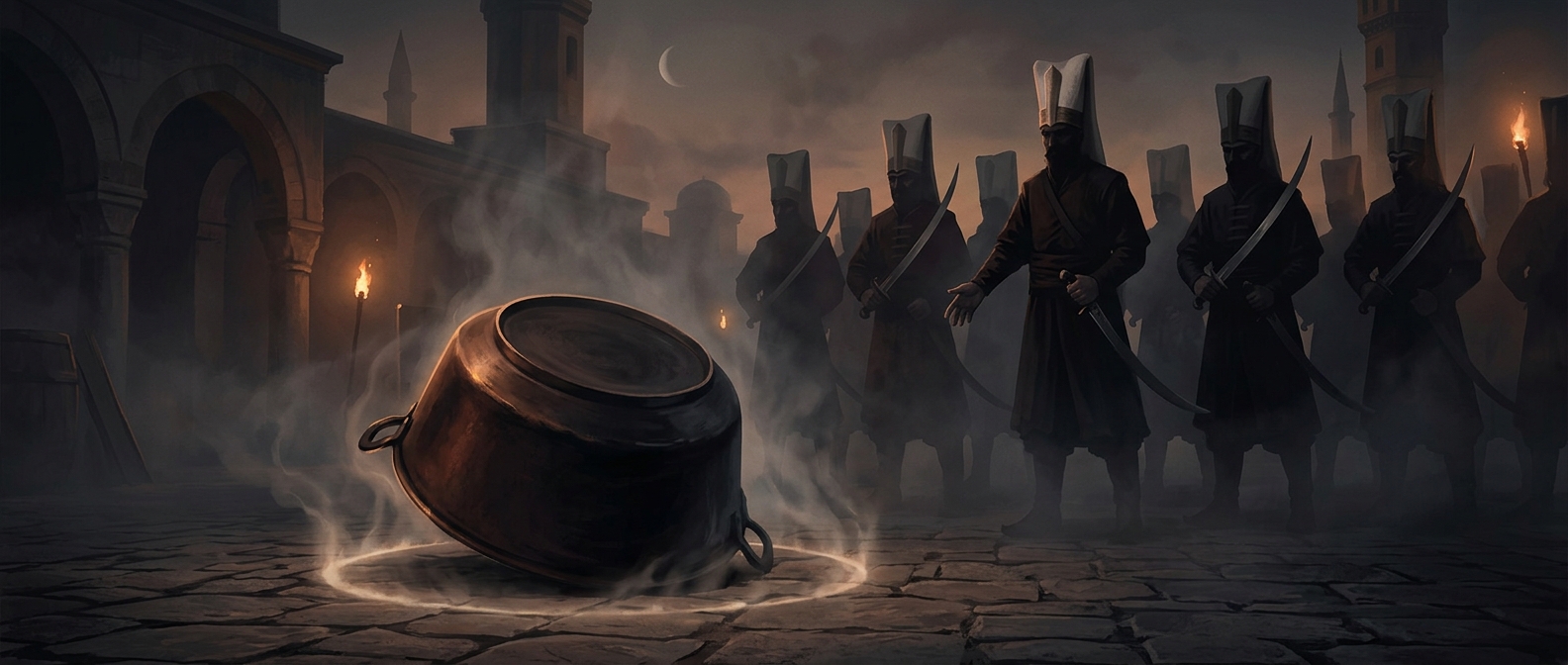
Why Janissaries overturned their cooking pots
When the Ottoman Empire's most elite infantry unit was unhappy with their salary, they didn't write a strongly worded letter. Instead, they would drag their…
Discover more
Ancient Greeks thought the uterus could wander
Ancient gynecology was just pure, unadulterated guesswork. Greek physicians, including Hippocrates, genuinely believed that a woman's uterus was an…
Discover more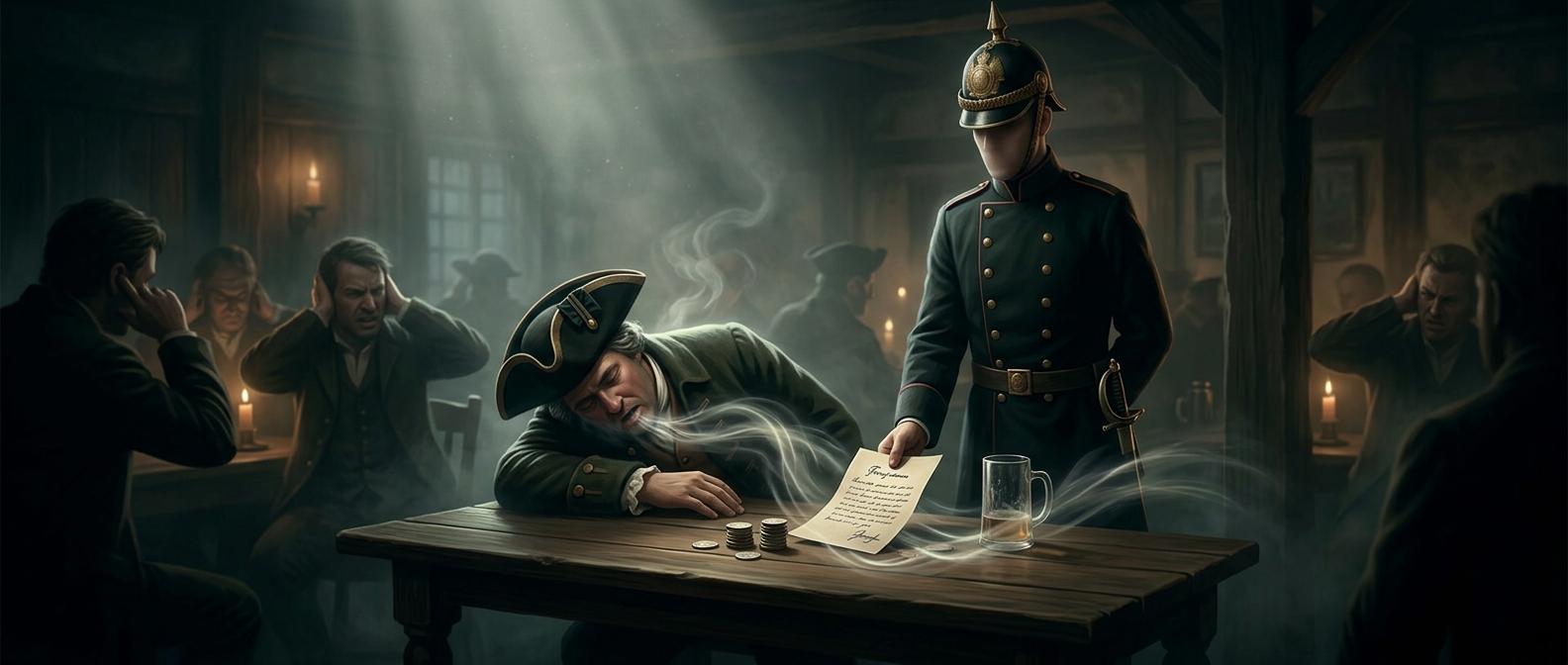
A man was fined for snoring in an 18th-century tavern
The original noise complaint. An 18th-century court slapped a hefty fine on a patron who fell asleep in a pub and snored with such violent volume that it…
Discover more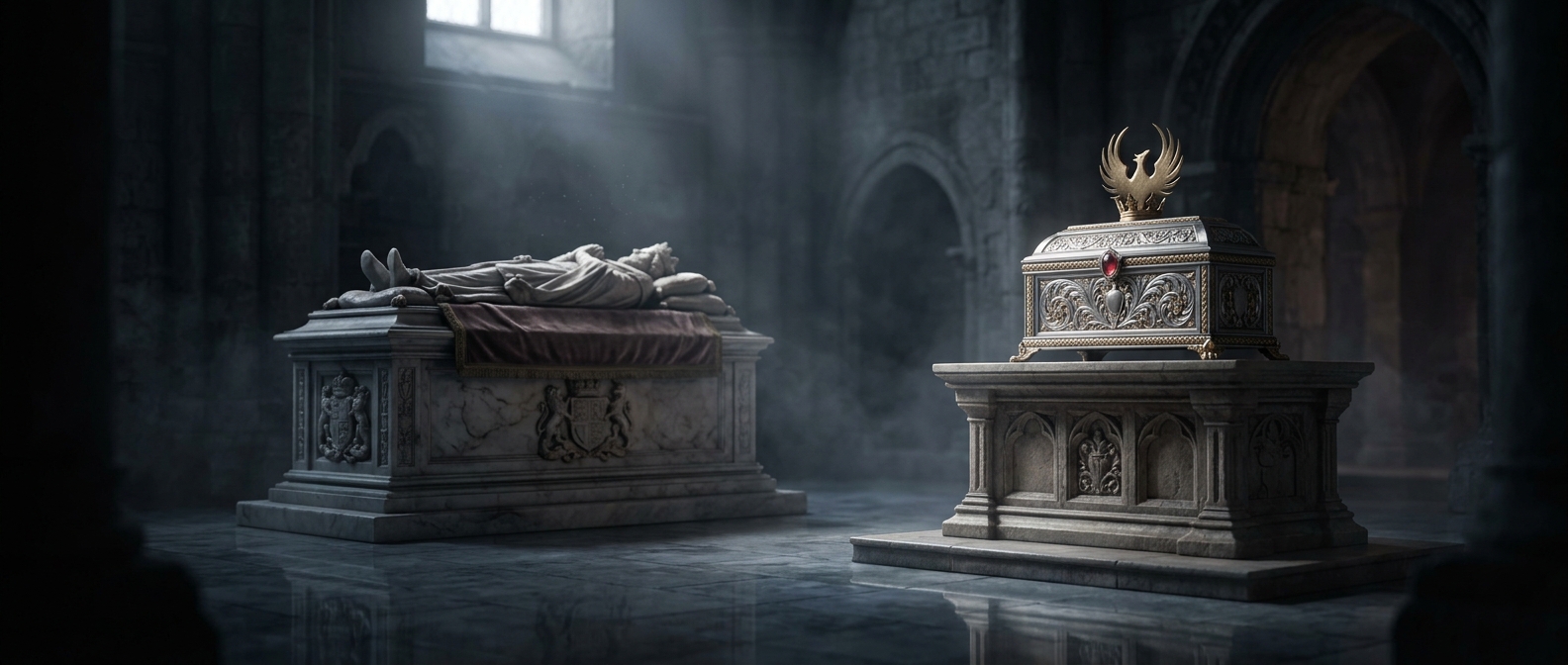
Royal corpses were once buried in separate places
If you were truly important, your internal parts were chopped out and sent to a fancy cathedral while the rest of your corpse was buried safely back home.
Discover more
Prussian peasants were ordered to sweep forest floors
Prussian bureaucracy demanded absolute order, even in completely wild nature. Decrees required peasants to routinely gather up fallen branches, pinecones, and…
Discover more
The surgery with a 300 percent death rate
Before the luxury of patients actually surviving surgery, Dr. Robert Liston was known for his frantic speed. During one particularly chaotic amputation, he…
Discover more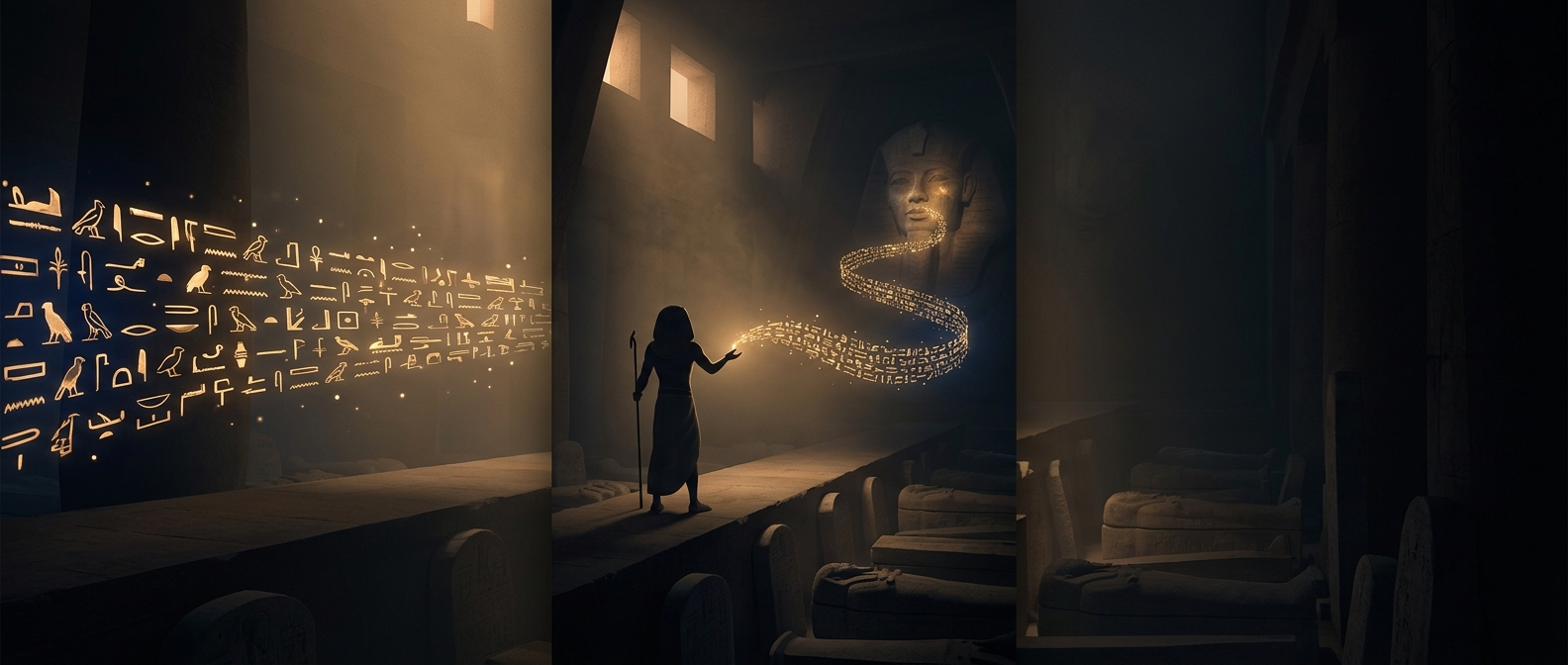
Why Egyptians feared erasing a name
To an ancient Egyptian, true death only occurred when the living stopped talking about you. 'To speak the name of the dead is to make them live again' was a…
Discover more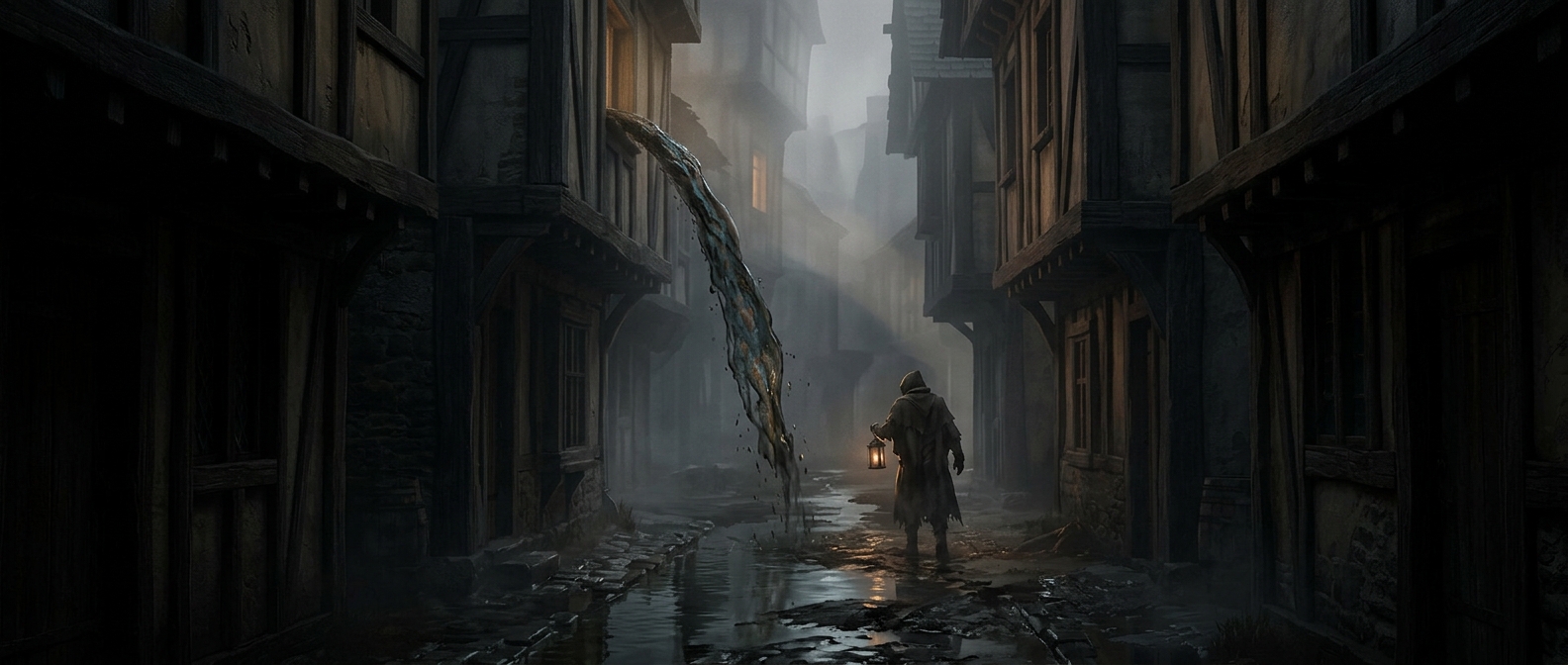
Medieval Londoners dumped chamber pots from windows
Navigating a city was a terrifying game of dodging human excrement. With no indoor plumbing, Londoners would simply shout a quick warning before emptying…
Discover more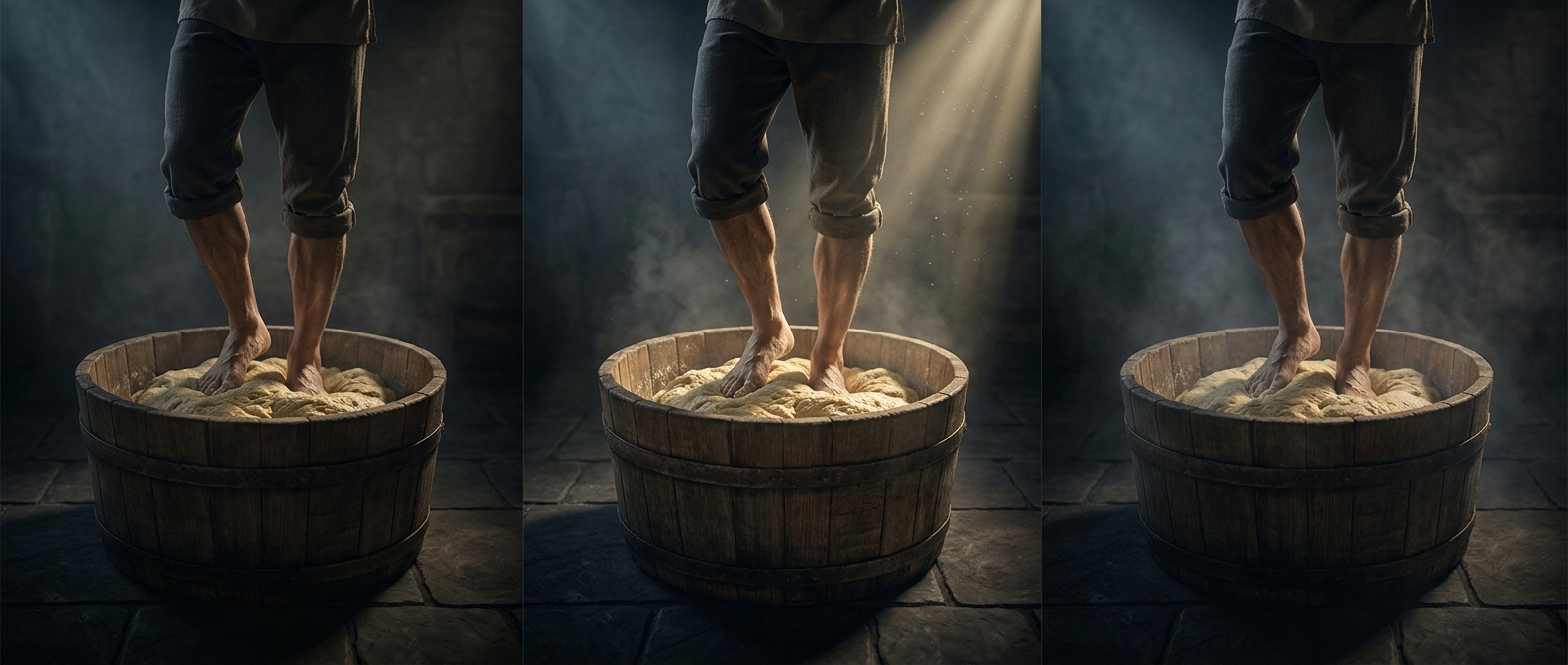
Why bakers once stomped on pasta dough
The flour dough was so incredibly tough that weary bakers literally had to stomp all over it for hours just to ensure you had spaghetti.
Discover more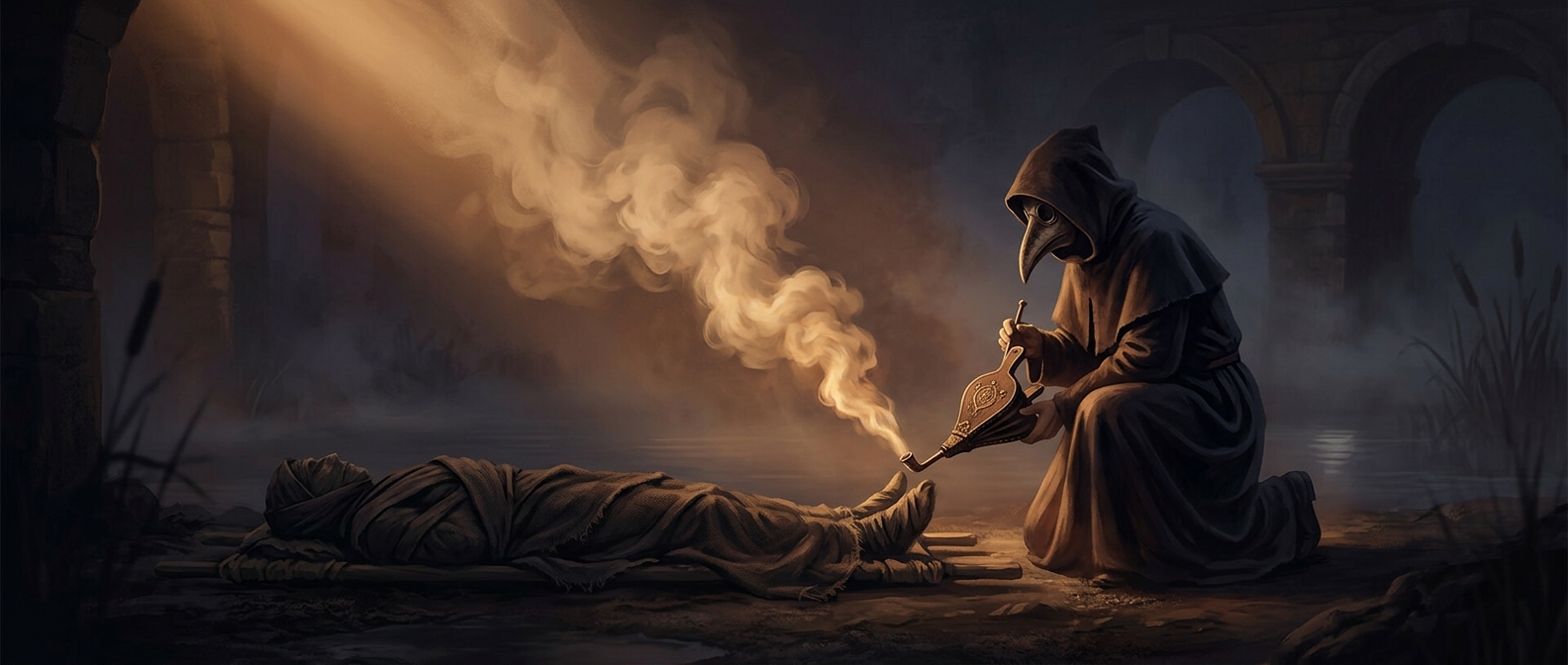
Doctors once tried tobacco-smoke enemas to revive the drowned
CPR wasn't invented yet, so doctors improvised in the worst way imaginable. In the 18th century, medical experts theorized that the warmth and stimulating…
Discover more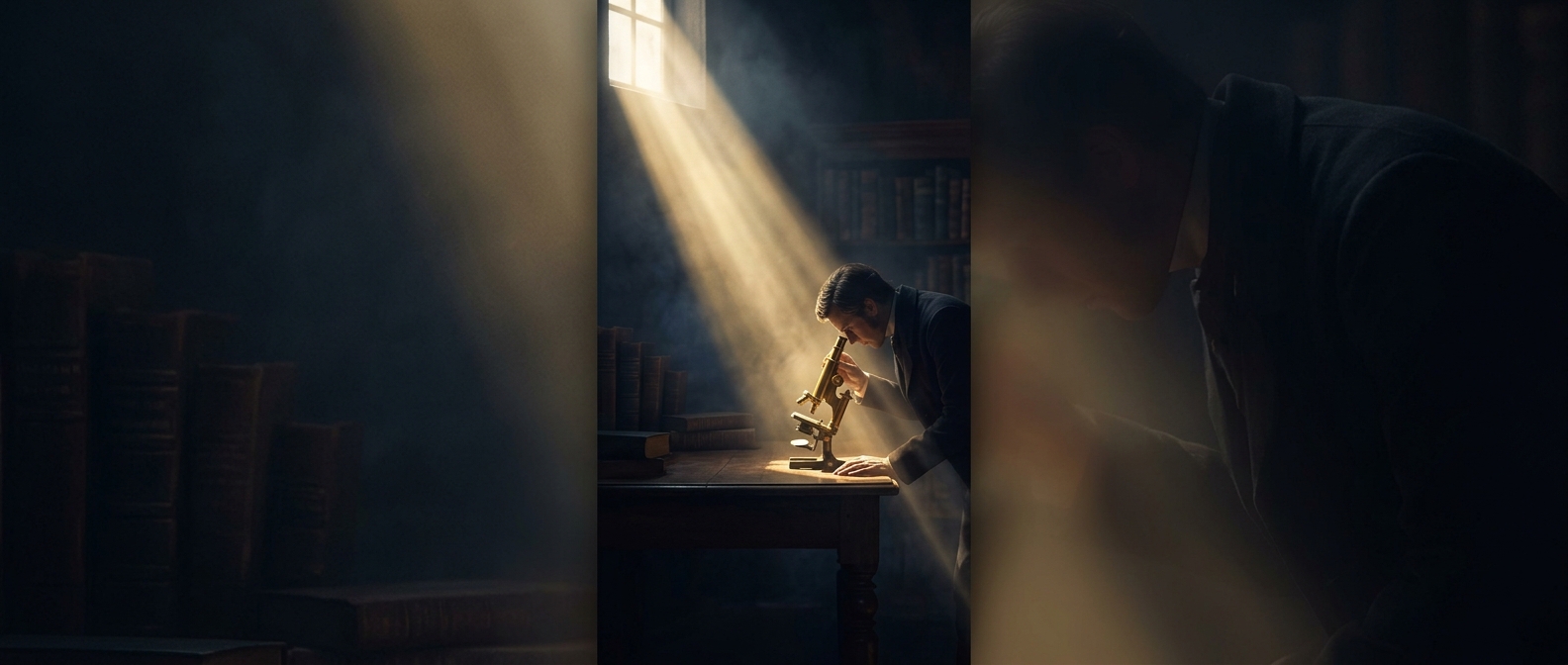
Original microscopes required direct natural sunlight
Looking at microbes was highly dependent on whether it was a cloudy day. The very first single-lens microscopes had no internal light source, forcing…
Discover more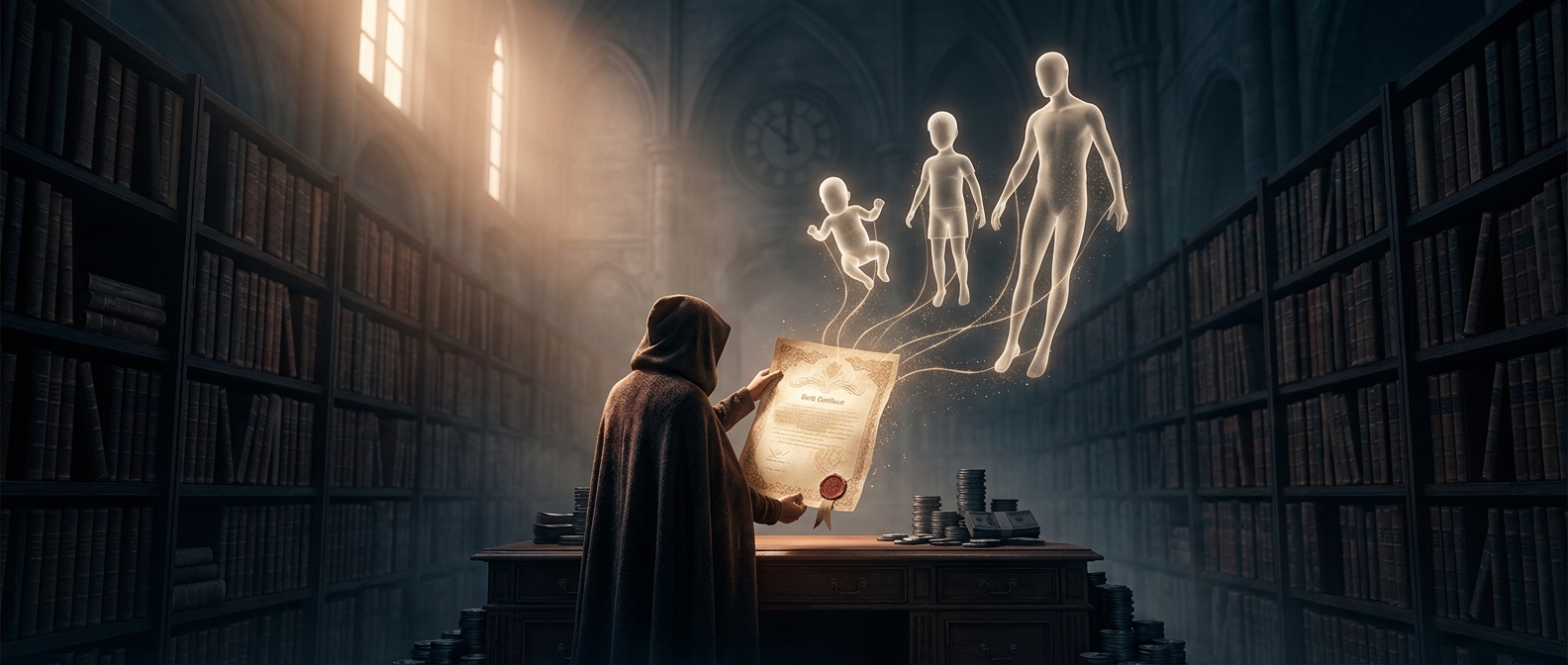
How birth certificates turned birth into bureaucracy
For centuries, your birth was just a thing that happened, recorded vaguely in a local parish book. Modern states replaced this with strict birth certificates,…
Discover more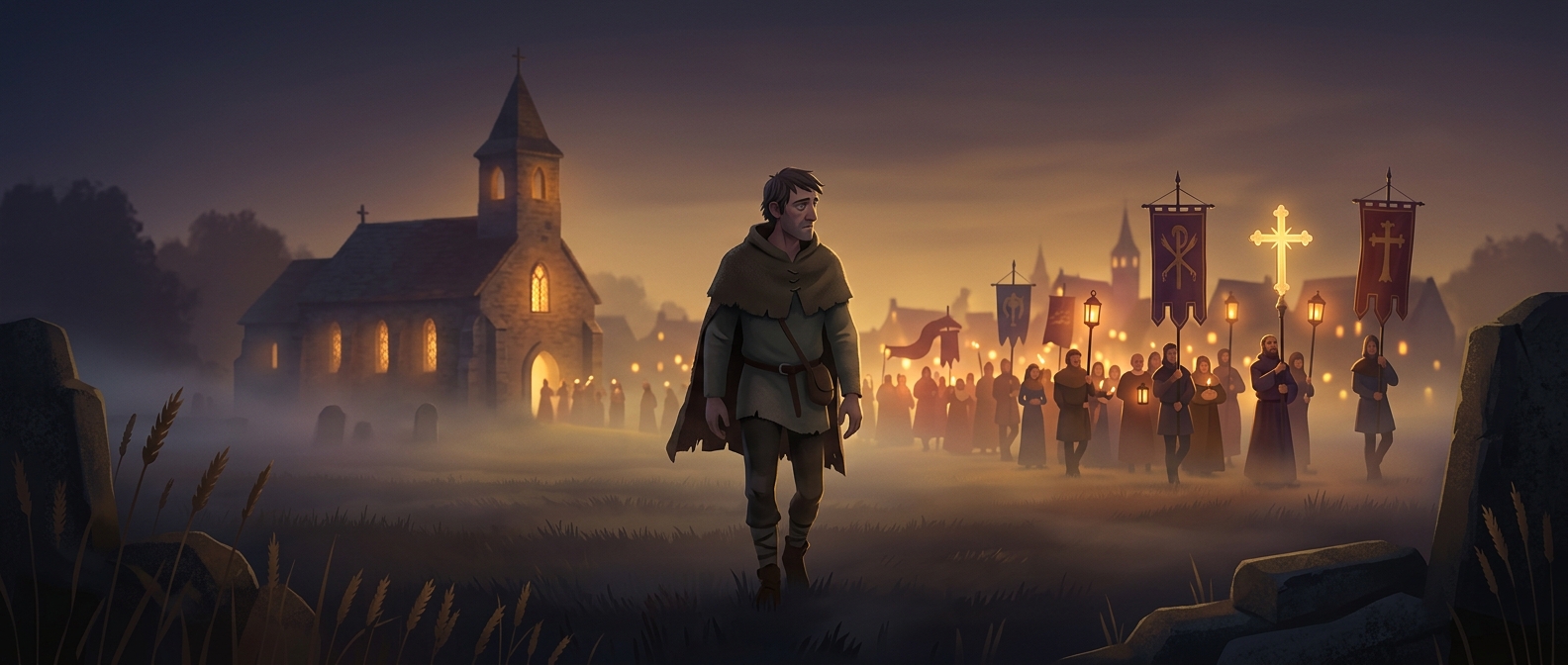
Medieval peasants had surprisingly many days off
Modern hustle culture has you working harder than a medieval serf. While peasants had terrible healthcare, the Catholic Church mandated dozens of mandatory…
Discover more
How storms defeated the Spanish Armada
Philip II spent a massive fortune building the ultimate invincible fleet to conquer his island rival, only to be completely humiliated by a stiff breeze.…
Discover more
How the Sydney Opera House escaped rejection
One of the most recognizable silhouettes in modern architecture was very nearly literal garbage. Jørn Utzon's ambitious sail-shaped concept was initially…
Discover more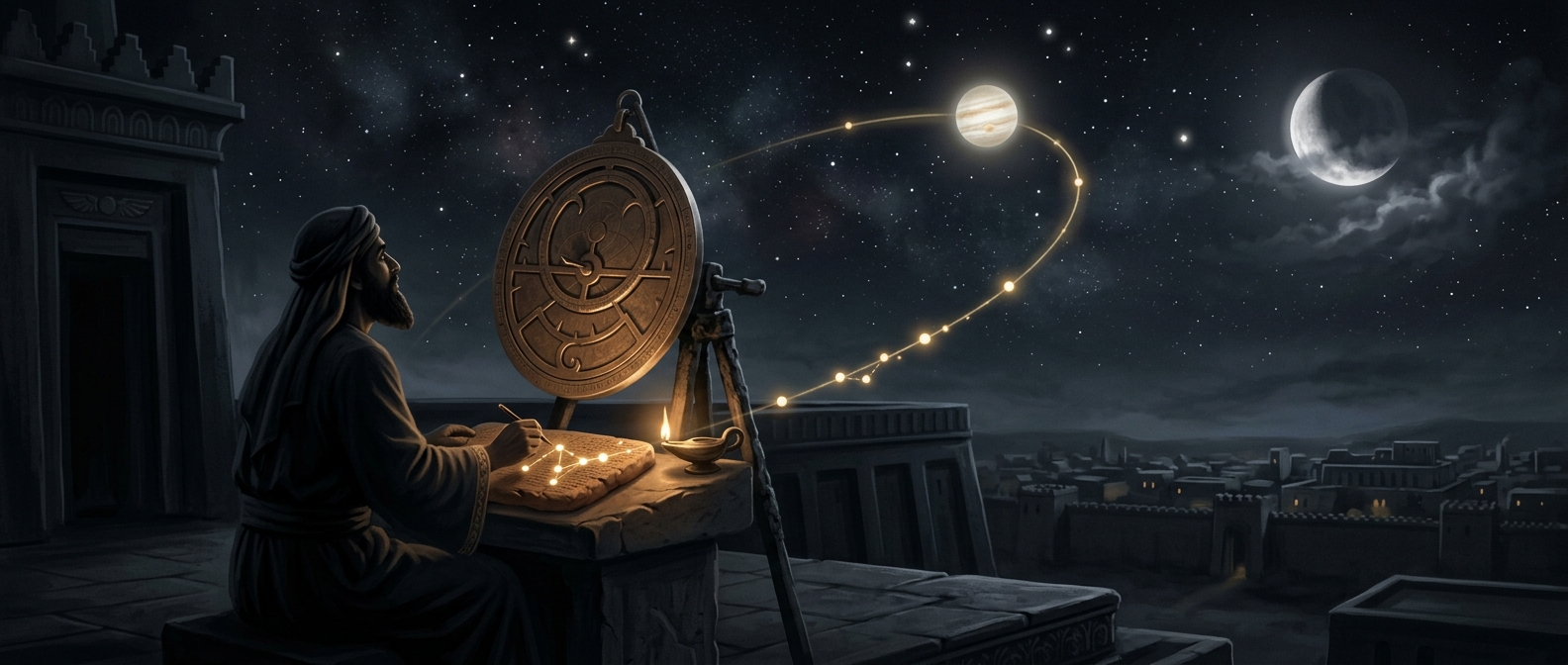
Babylonian observers charted Jupiter movements
Equipped with nothing but clay tablets and an obsessive attention to the night sky, ancient Babylonian stargazers continuously logged the erratic shifting of…
Discover more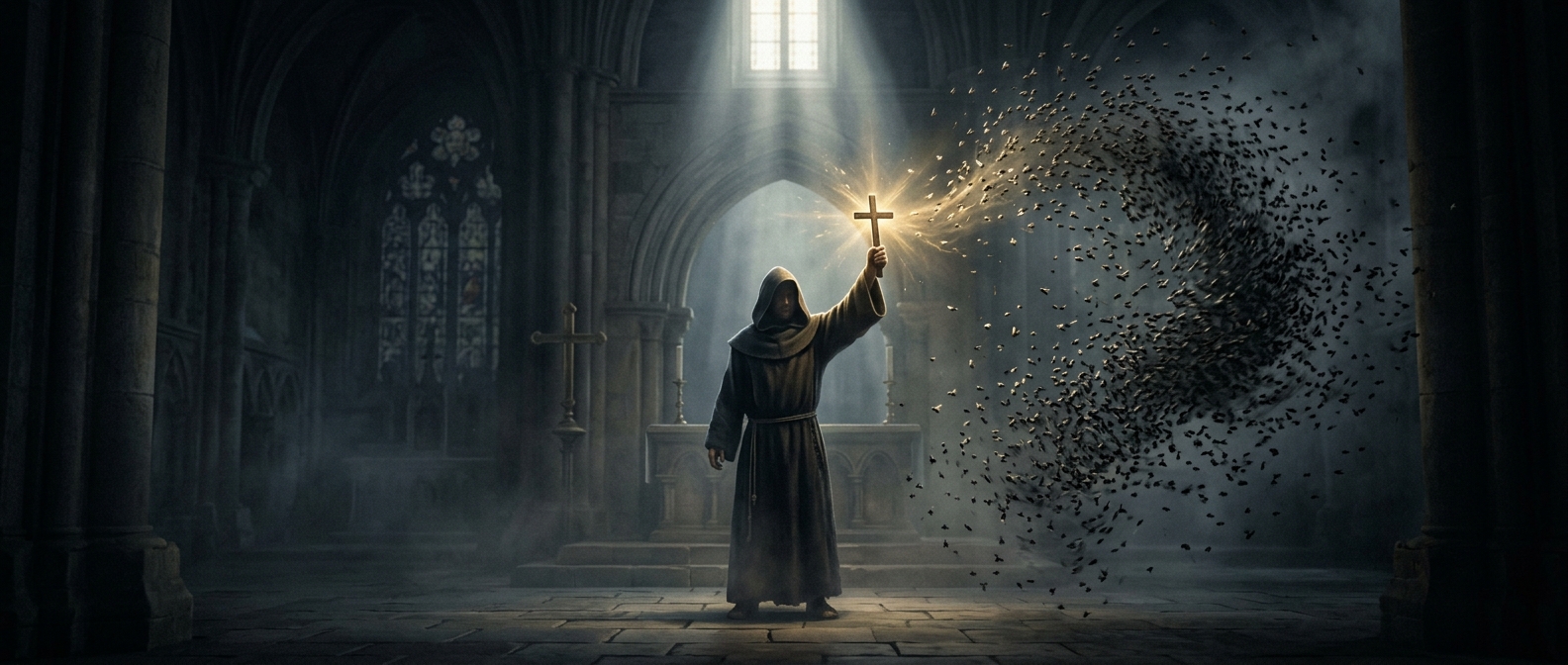
The saint who reportedly excommunicated flies
Sometimes the power of prayer is just used for pest control. According to ecclesiastical legend, Saint Bernard of Clairvaux arrived at a chapel that was…
Discover more