A bar-shaped chocolate was not yet a smooth one
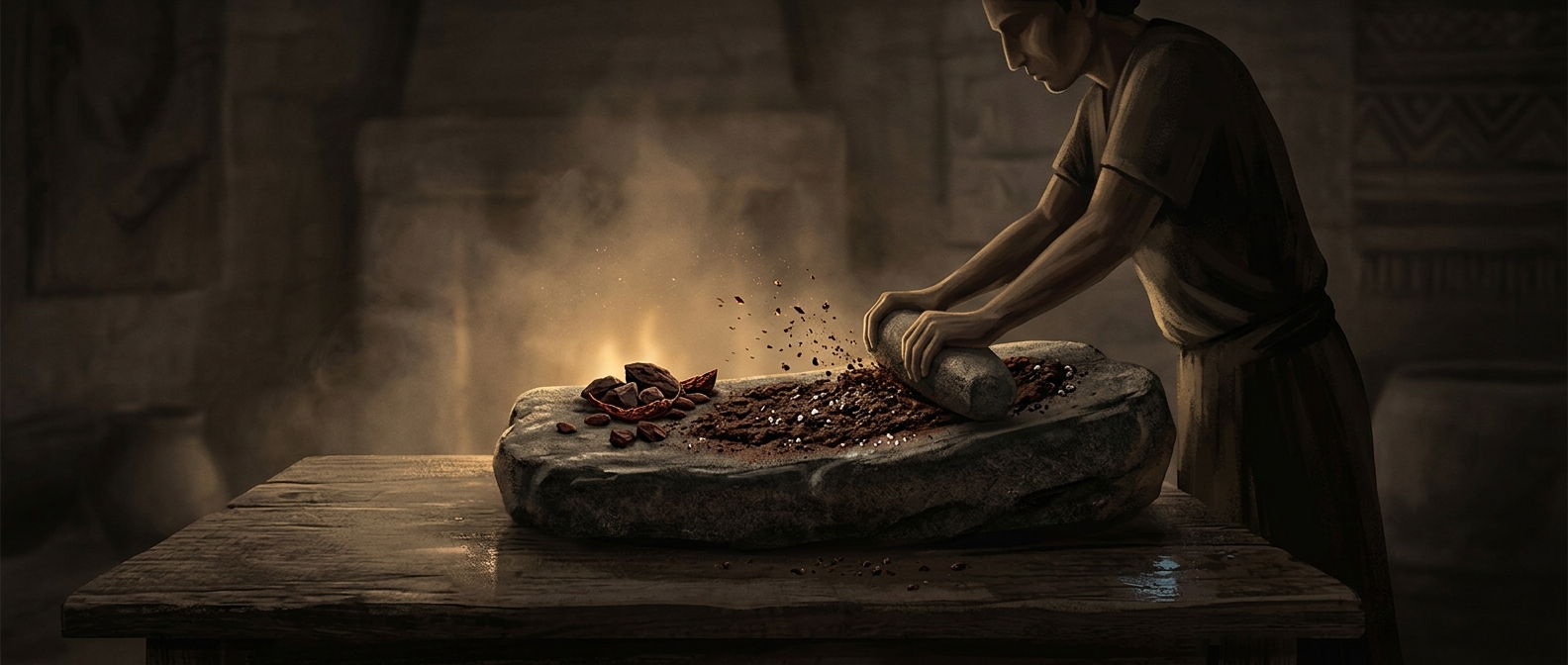
Early chocolate bars were made by turning ground cacao into a solid mixture, often with sugar. But grinding could leave tiny pieces of cocoa solids and sugar large enough for the tongue to notice. The bar might look polished and convenient while eating more like a dense, sandy paste than the silky chocolate familiar today.
The flavor also carried cacao’s natural sharpness. Cocoa beans develop much of their flavor during fermentation and roasting; if those flavors were not balanced by careful processing and a recipe suited to the palate, the result could taste bitter and acidic. Adding sugar helped, but sweetness alone could not erase either the coarse texture or the forceful taste.
The missing step was control
Making chocolate feel smooth requires reducing its particles until they are too small for the tongue to distinguish. Later equipment made it possible to grind and mix the ingredients more thoroughly. A process called conching—extended mixing and kneading, often with heat—helped produce a more even texture and mellow the flavor. It did not make cacao bland; it made its bitterness easier to balance.
That change transformed the bar from a solid form of ground cacao into the creamy treat people now expect. The surprising part is how much the experience depended on what the mouth could detect: a modest difference in particle size could make a bar feel gritty, while longer processing could make the same basic ingredients seem luxurious.