What the “16” actually referred to
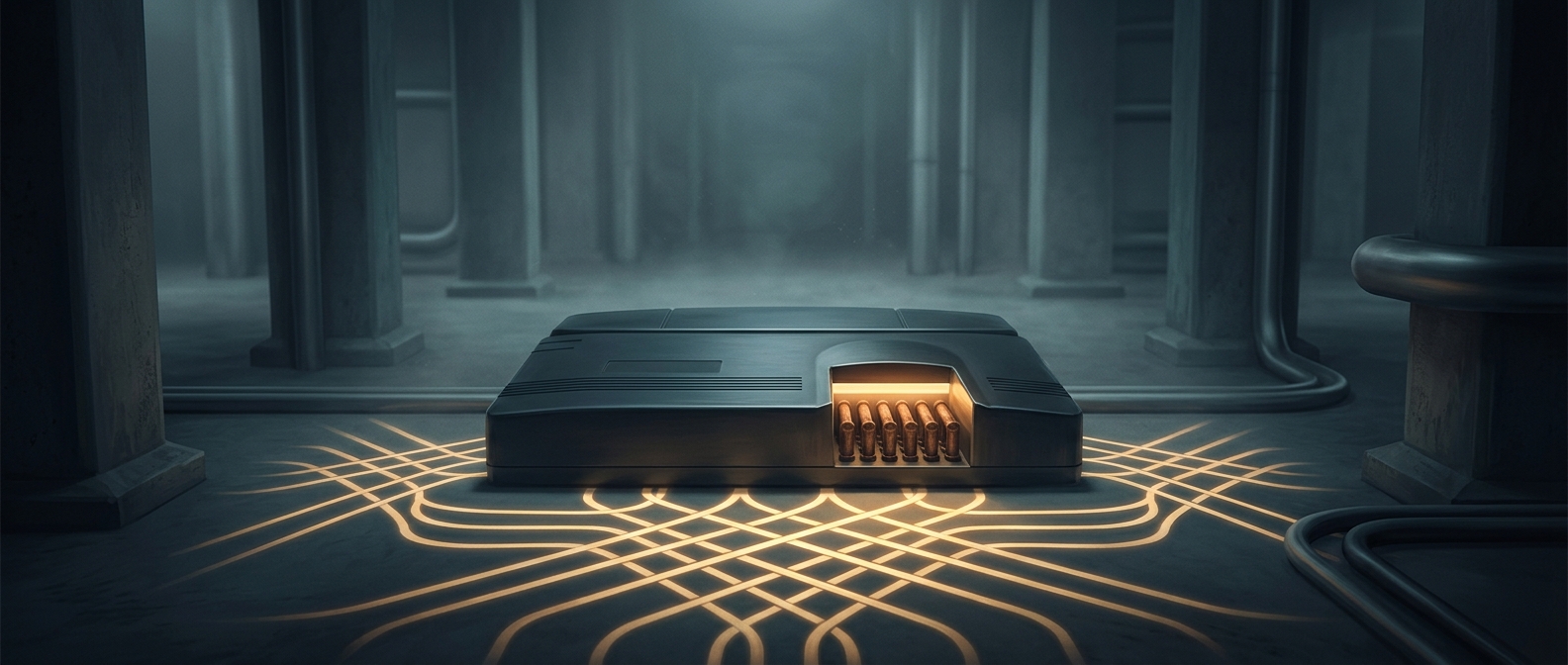
The TurboGrafx-16’s central processor was an 8-bit chip: it handled the console’s instructions and general calculations using 8-bit chunks of data. The “16” in the name pointed instead to its graphics hardware, which could process graphics data in 16-bit units. Those were different parts of the machine, even though the name made the console sound like a straightforward 16-bit system.
That distinction mattered because “bit” labels were becoming shorthand for a console generation. A higher number suggested more advanced hardware, but it did not describe every component or, by itself, tell players exactly what a game would look or feel like.
A name built for a competitive moment
In Japan, the system launched as the PC Engine. When NEC brought it to North America as the TurboGrafx-16, the new name emphasized the graphics capability at a time when “16-bit” was an increasingly visible selling point. Sega’s Genesis, for example, was promoted as a 16-bit console, making the number an easy point of comparison on store shelves.
The TurboGrafx-16 was therefore neither simply a 16-bit machine in every part nor merely an 8-bit console in disguise. Its processor and graphics hardware had different capabilities, and the marketing name highlighted the latter. The useful takeaway is that a console’s bit count was a label for particular hardware, not a complete description of the whole system.