The line stayed full because the roster did not
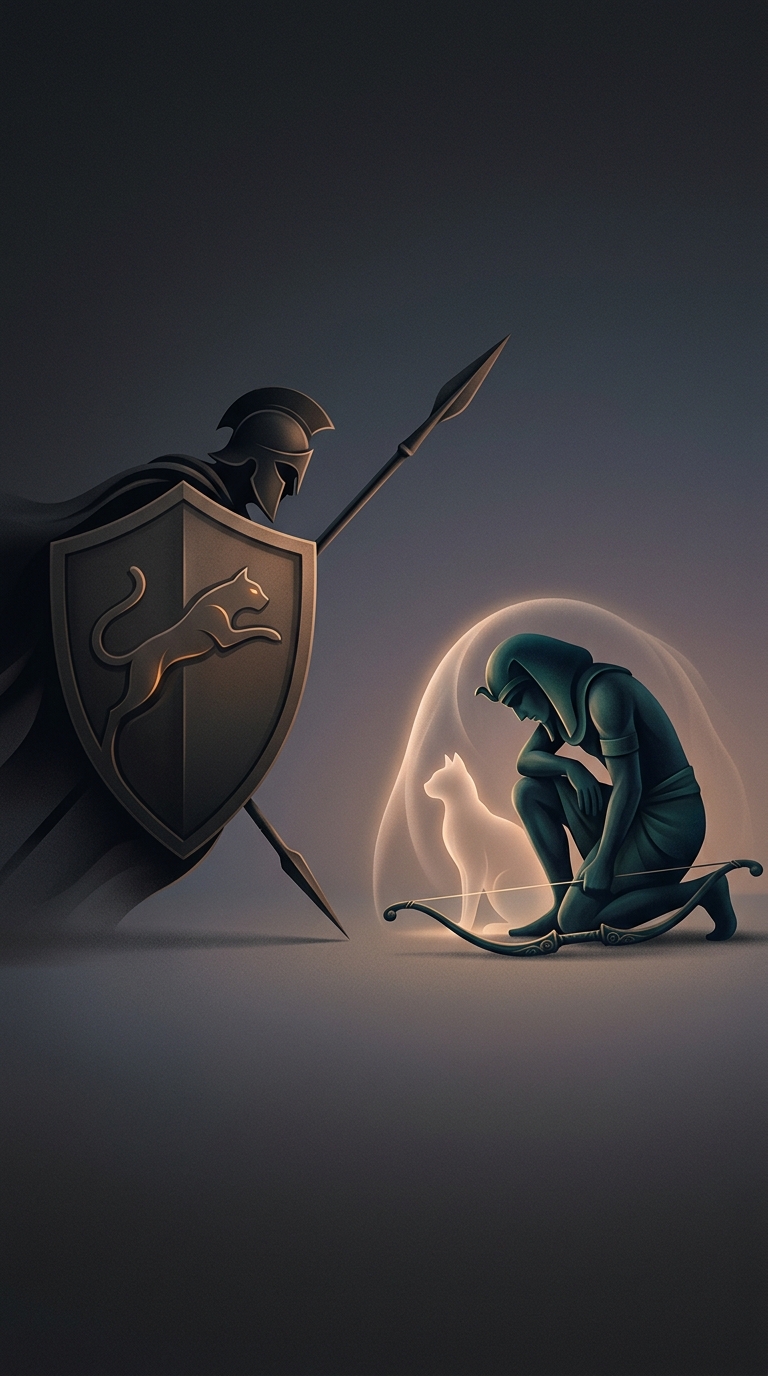
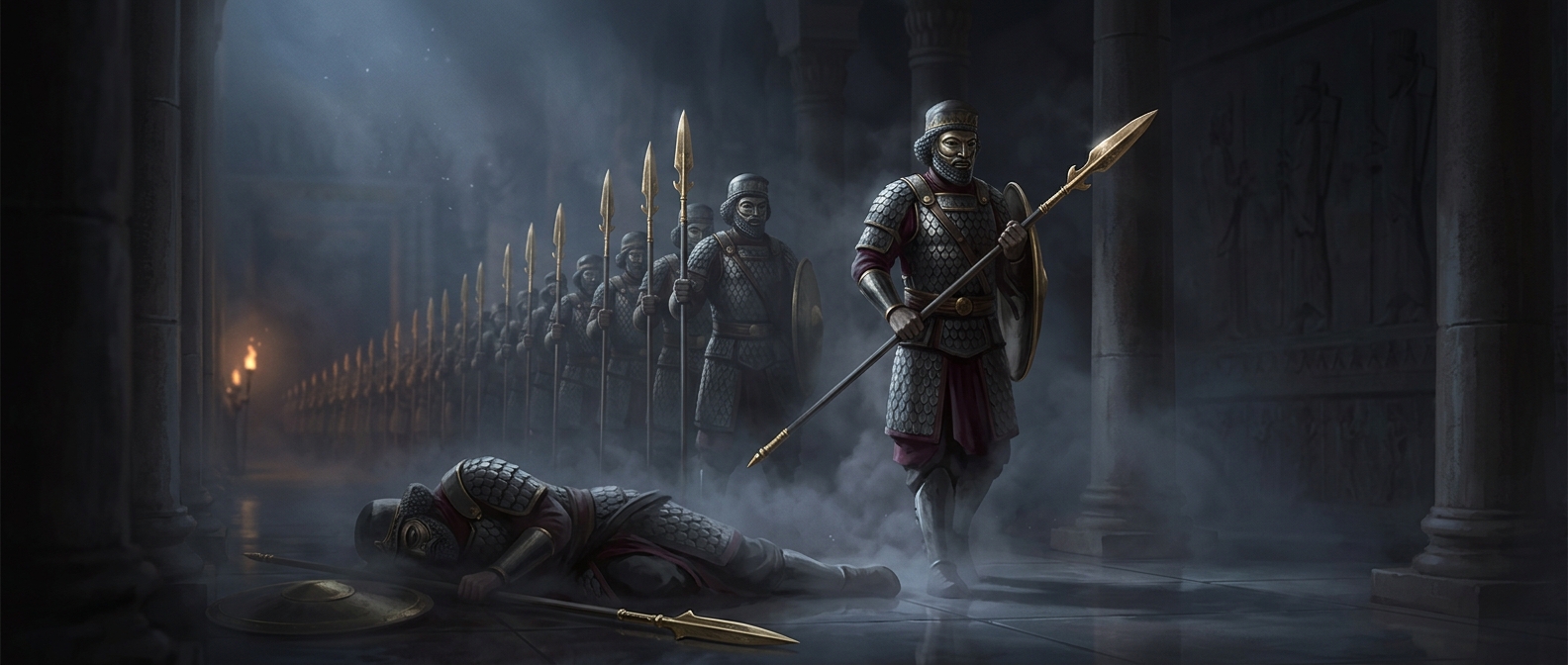
A fighter’s fall did not have to leave a visible gap. If trained reserves were close behind, another soldier could move forward while the rest of the formation held its place. From across a battlefield—amid dust, movement, noise, and limited visibility—the enemy might see the line continue rather than notice each individual loss.
The key was not simply having more people. A replacement had to know where to stand and how to act with the unit. Otherwise, stepping into a gap could disrupt the formation and make the weakness more obvious. Keeping reserves near enough to enter quickly, while preserving order among those already fighting, turned personnel into a kind of moving buffer.
What the enemy could—and could not—know
Battlefield observers rarely had a clear count of the opposing force. They judged by what they could see: whether a line still advanced, whether it broke, and whether fresh fighters seemed to appear. A unit that kept its shape could therefore look less depleted than it was. The illusion depended on timing and distance, not on making casualties disappear.
The method had limits. Replacements could cover losses only while trained soldiers and the means to bring them forward remained available. But for an opponent trying to decide whether to press an attack or retreat, a line that never seemed to thin could make an ordinary army appear almost impossible to wear down.