The route home became a second battle
After the fighting in the English Channel in 1588, the Spanish Armada could not safely return by the route it had taken south. English forces still threatened the Channel, and the fleet had been pushed north toward the North Sea. Its commanders chose to sail around Scotland and Ireland, then cross back toward Spain—a much longer passage through waters where weather and coastlines left little room for error.
Wind turned distance into danger
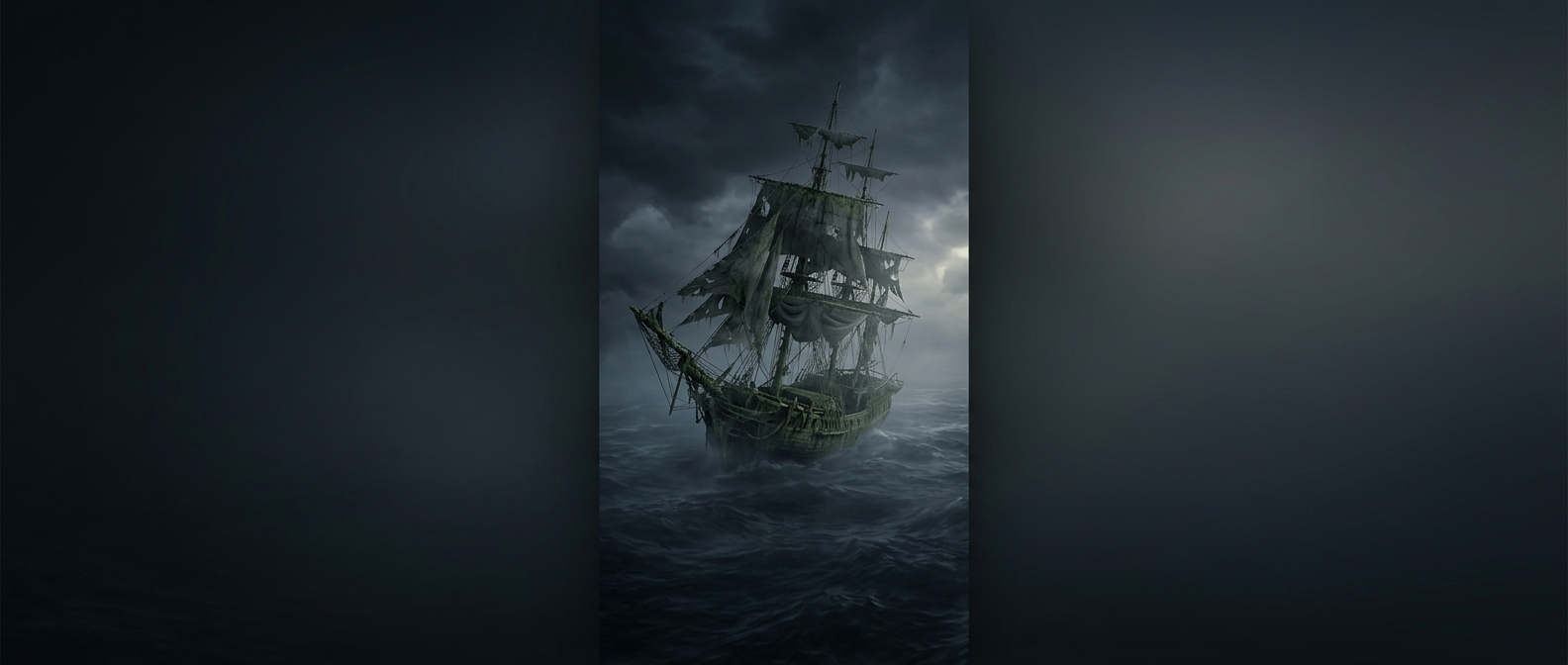
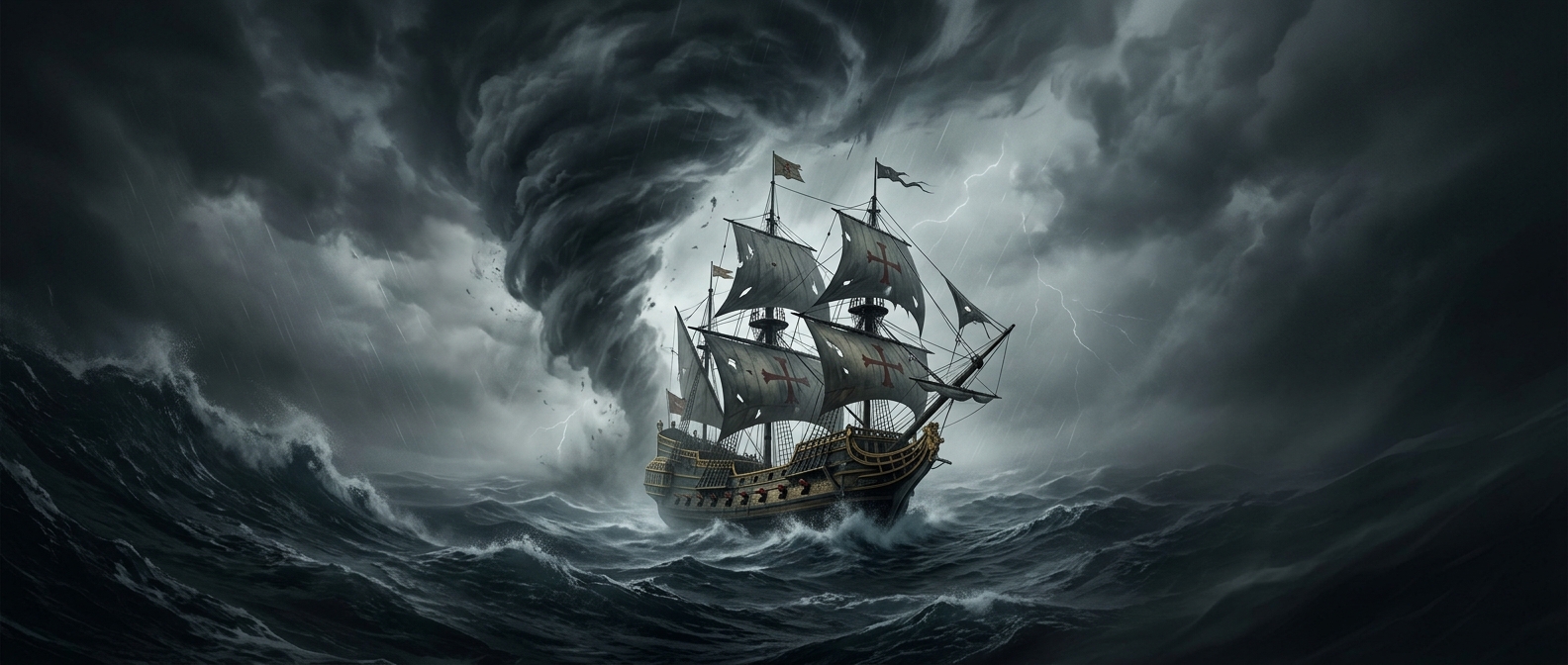
The ships had to navigate without modern charts, forecasts, or reliable ways to determine their position at sea. Strong winds could drive a vessel off its intended course; near unfamiliar, rocky coasts, that meant a risk of running aground. Storms also strained ships already worn by combat and a difficult voyage, while damage, scarce supplies, and illness made it harder for crews to keep them seaworthy.
The danger was not simply that a storm sank every ship it touched. A vessel blown away from the fleet could become isolated, lose control of its route, and meet the coast alone. Ships wrecked along Ireland’s shoreline became especially vivid evidence of how exposed the retreat had become.
A costly escape
The English attack helped force the Armada away from its planned course, but the weather magnified the consequences. Ships and sailors lost during the return weakened Spain’s naval capacity and made the failed expedition more costly. The Armada’s defeat was not one decisive blow: it was a chain of pressures, with the fleet’s long, storm-battered journey home turning retreat into another test it could not fully survive.