History
Discover facts about history. Small discoveries that change the way you see familiar things.
History
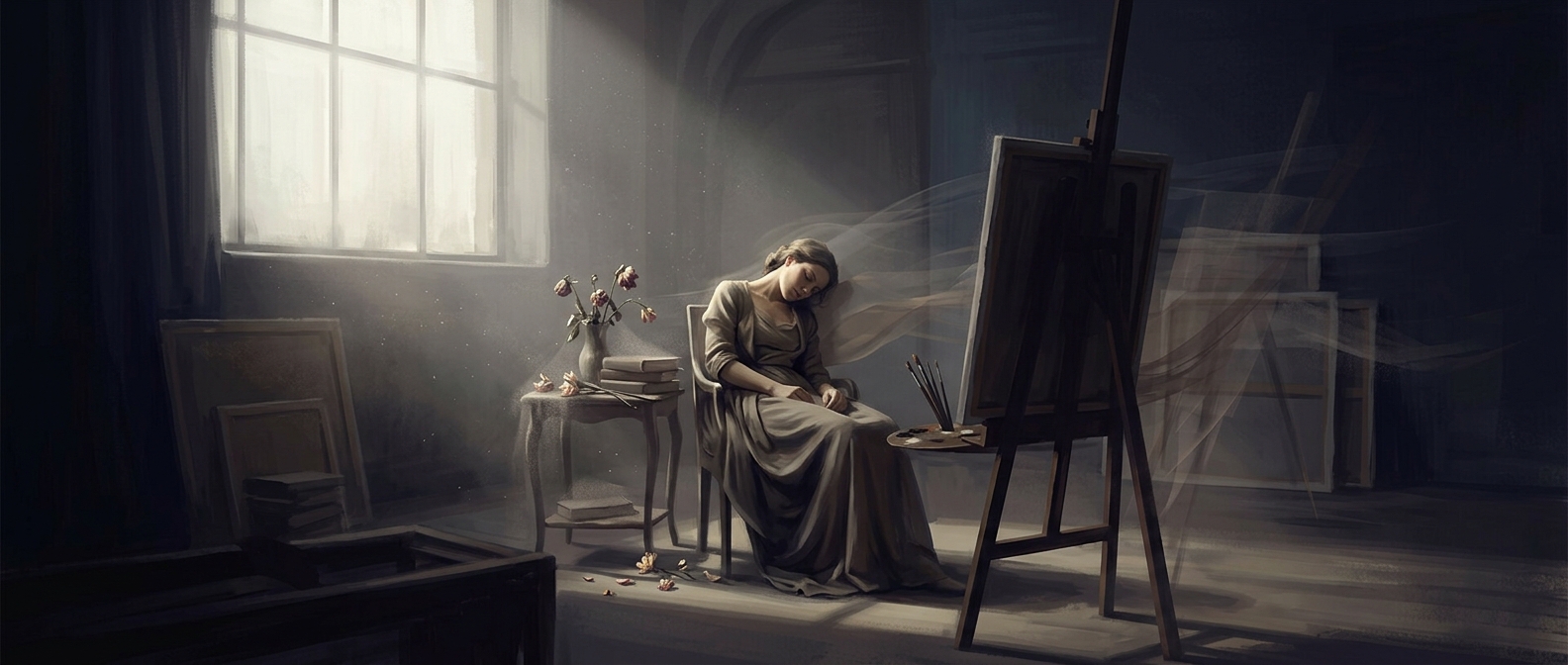
Cézanne's dealer recalled posing for 115 sessions
Ambroise Vollard described an exhausting process for his portrait, with the painter demanding stillness as he worked. Cézanne treated a face with the same…
Discover more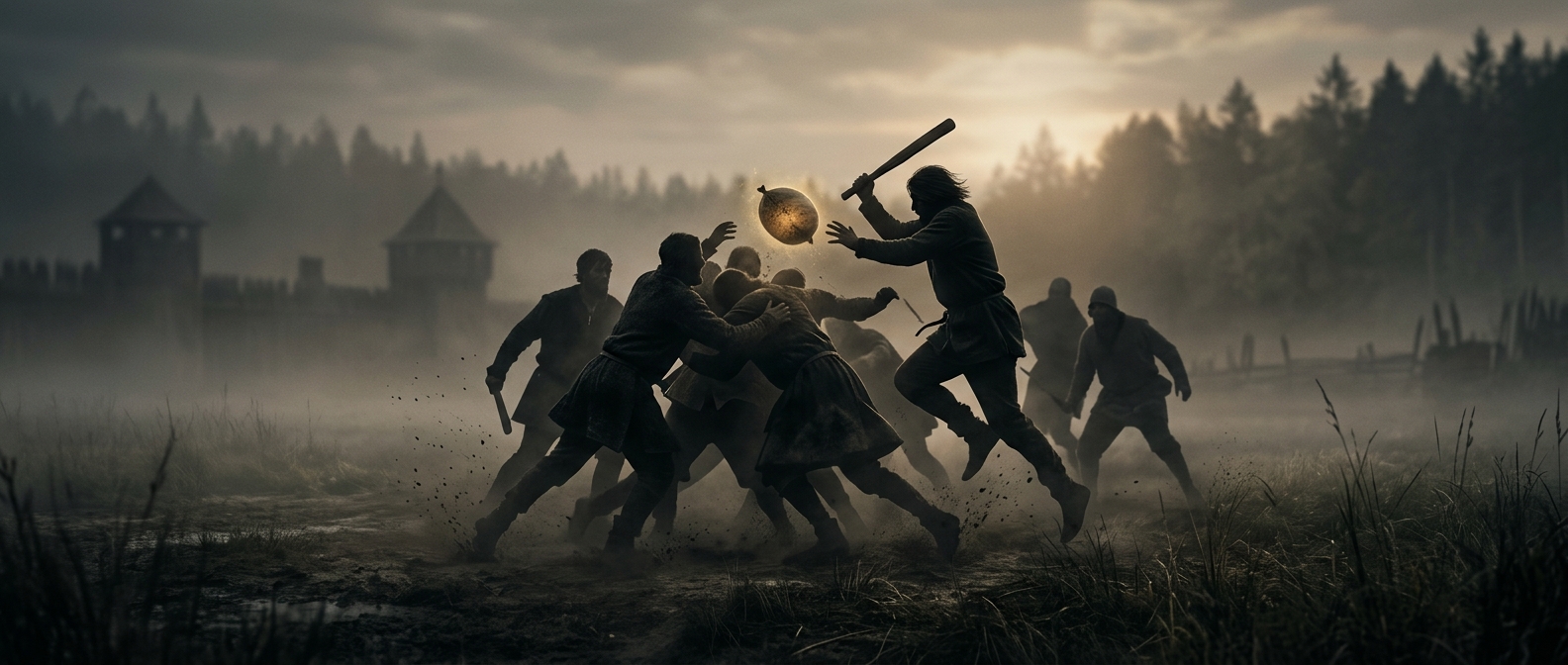
Early football could turn a town into the playing field
Traditional mob-football games used large teams, broad playing areas, and local customs rather than one standardized rulebook. Carrying and struggling over…
Discover more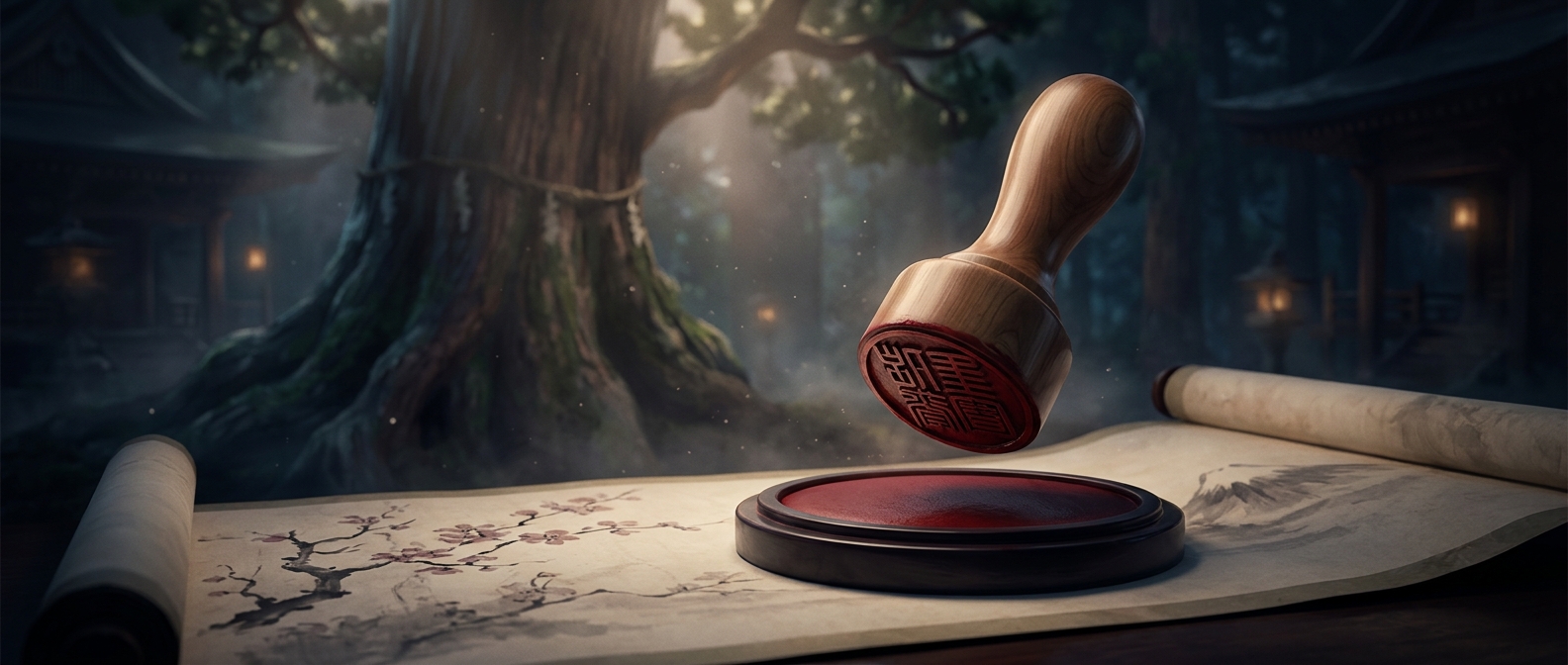
Japanese professionals still use wooden stamp seals
A registered hanko stands in for a personal signature on official paperwork. Lose it, and you may have to prove you’re you before you can replace the little…
Discover more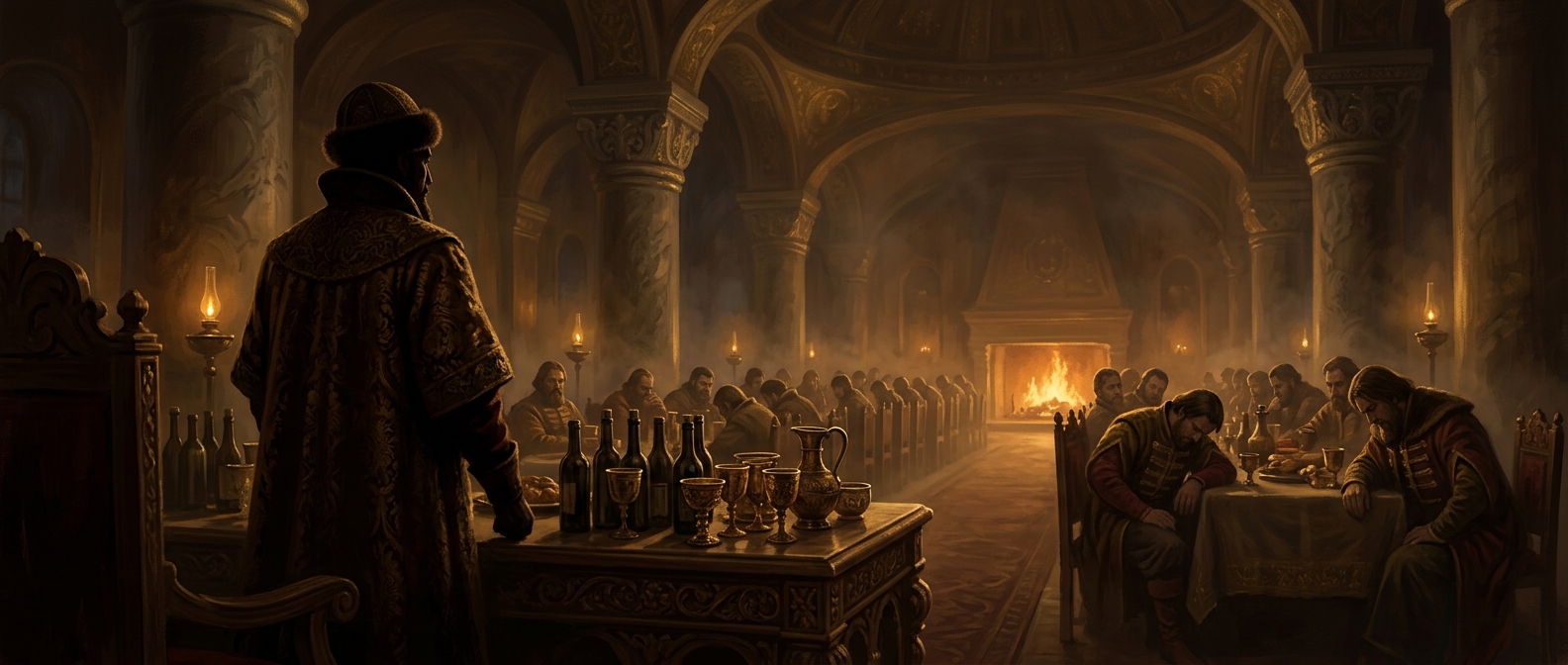
Peter the Great forced nobles into days-long benders
Attendance was compulsory and sobriety was punished, so this was less a drinking club than a court order with cups. Members drank for days, sometimes…
Discover more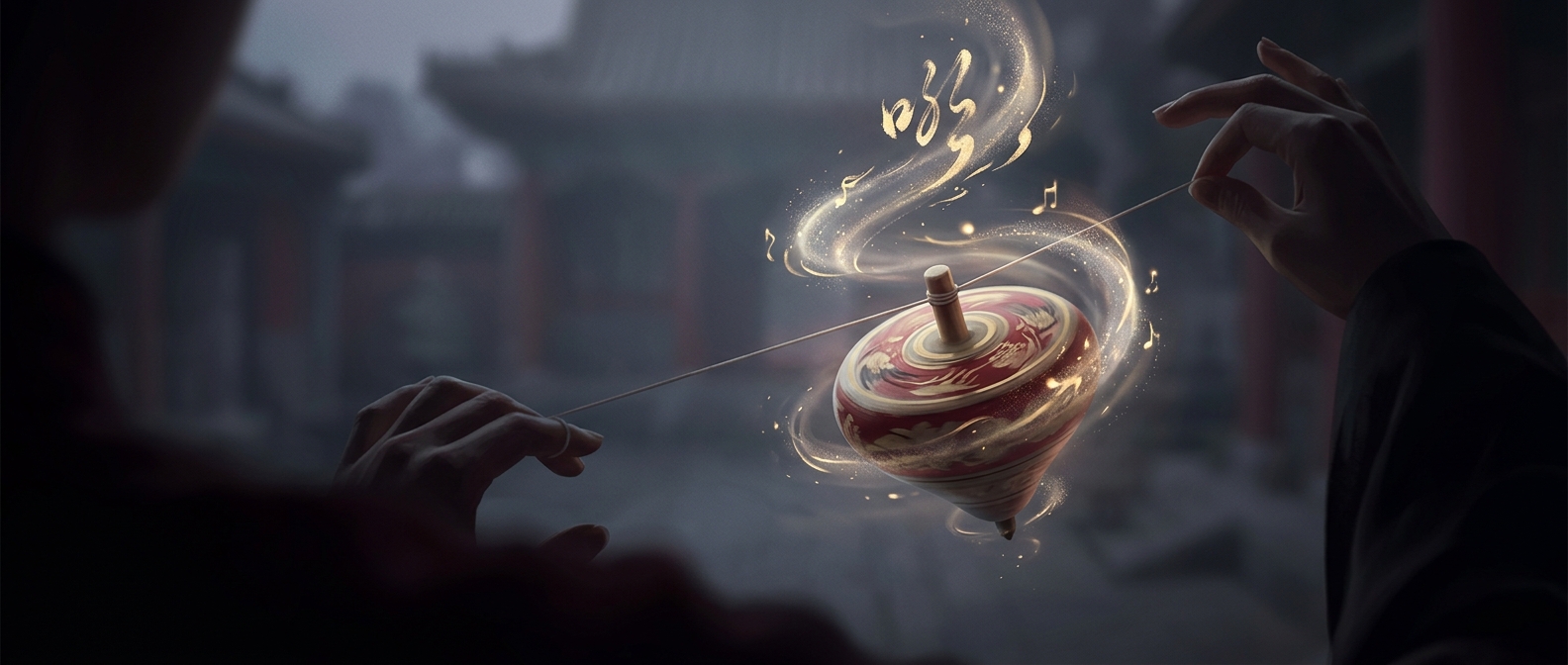
Chinese spinning toy hums loudly on a thin string
Its hourglass-shaped spool spins between two sticks, and traditional bamboo versions make a loud, hollow whistle when they reach high speeds.
Discover more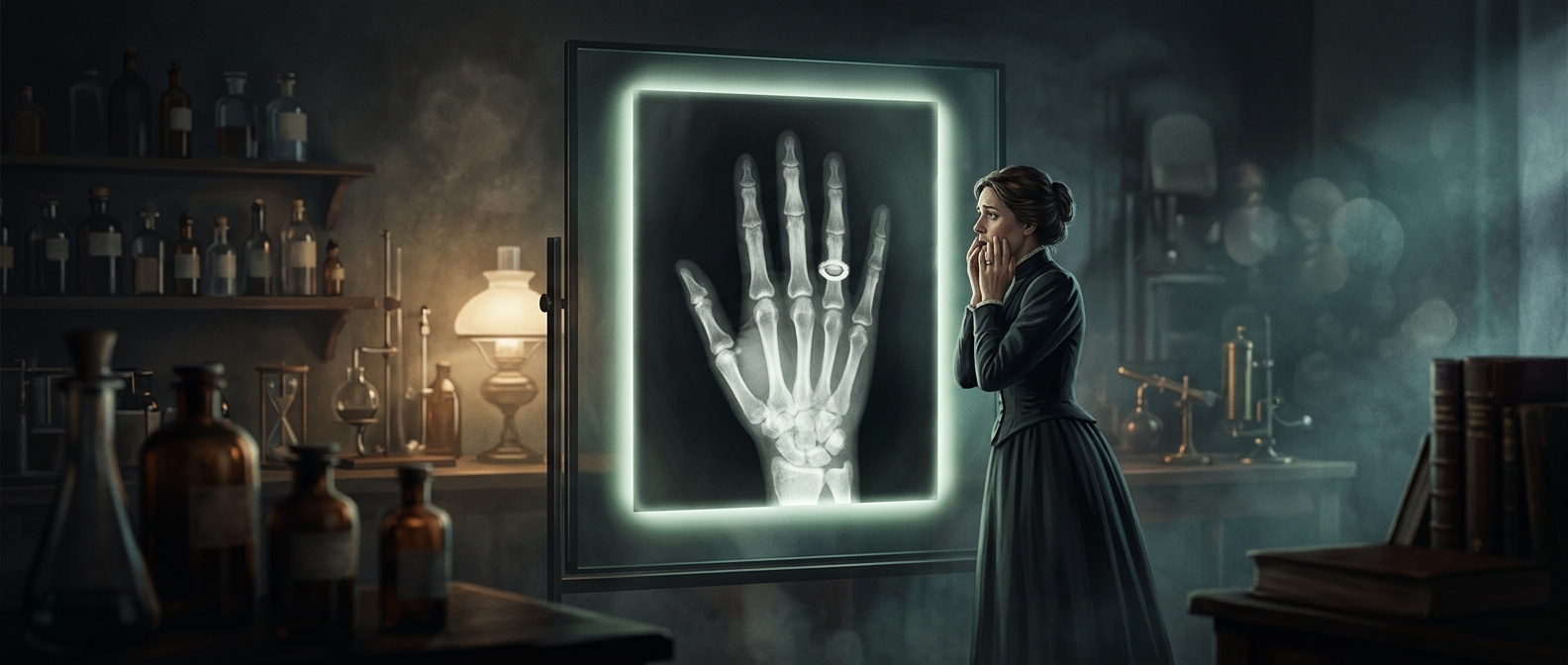
One of the earliest X-rays exposed a wedding ring and the bones beneath it
Wilhelm Röntgen's famous 1895 image of his wife Bertha's hand showed a dark ring beside the bones of her fingers. The rays passed through soft tissue more…
Discover more STACKY FOR IPHONE
A bigger world.
One discovery
at a time.
Keep discovering with Stacky. Interesting facts in an app that is always within reach.
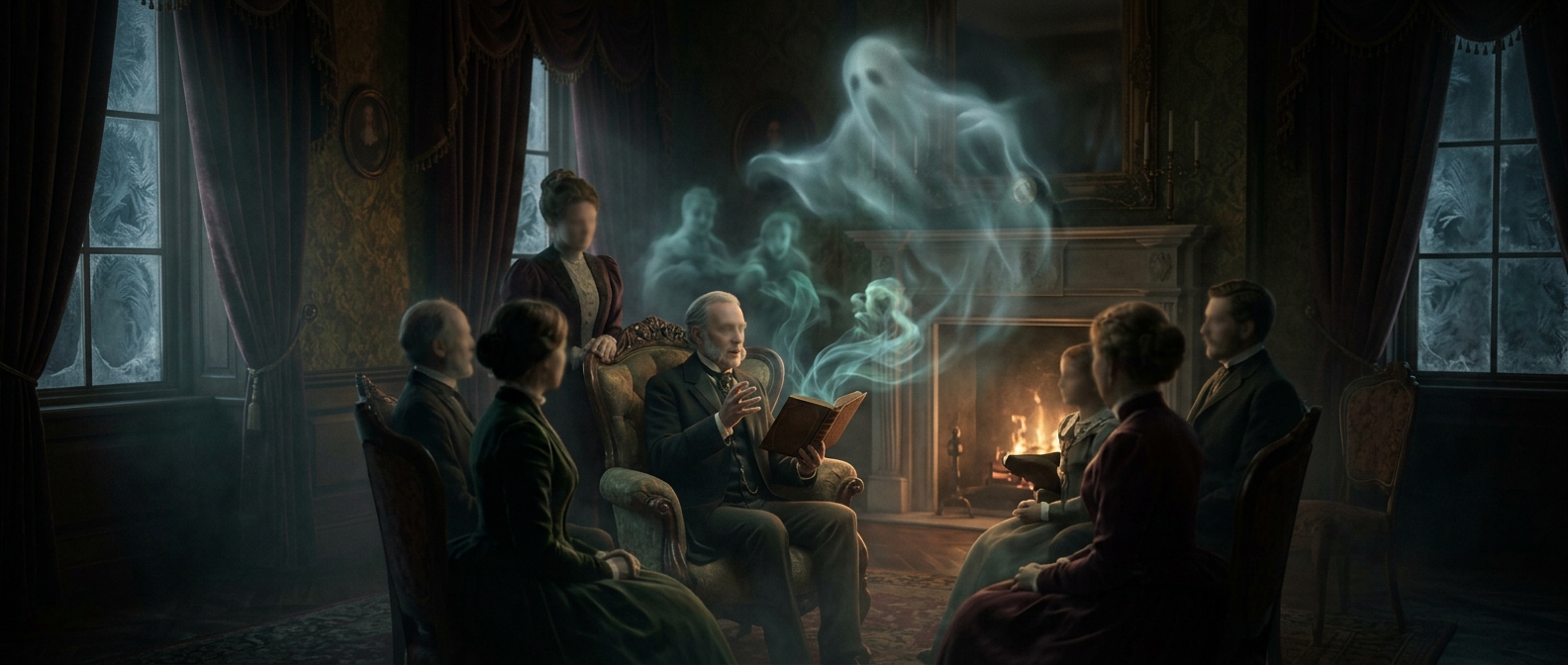
Victorians spent Christmas telling ghost stories
Families gathered around the fireplace to tell grim tales of the undead, sometimes frightening children as part of the holiday tradition.
Discover more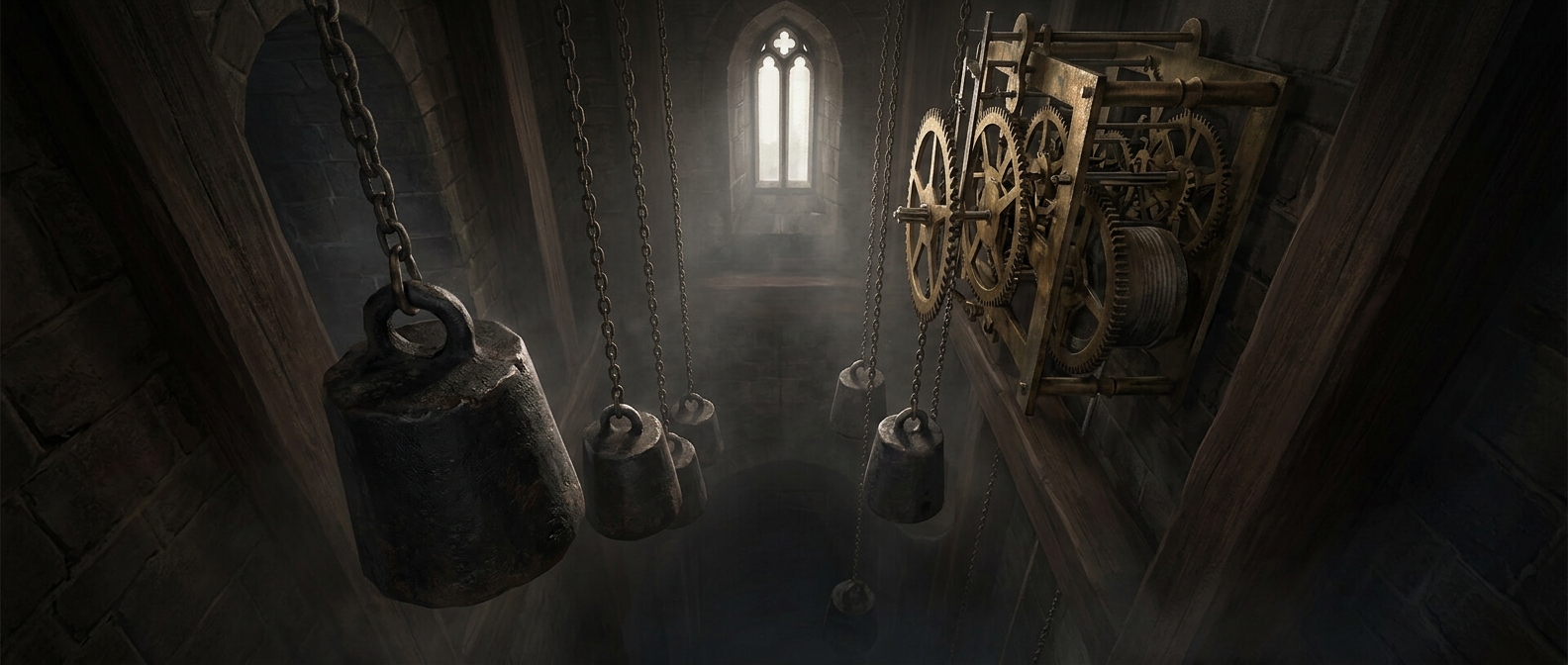
Early mechanical clocks used heavy hanging weights
As the weights sank, gravity pulled the clock’s gears forward. The clock ran on a slow, steady descent—and had to be rewound before the weights hit the floor.
Discover more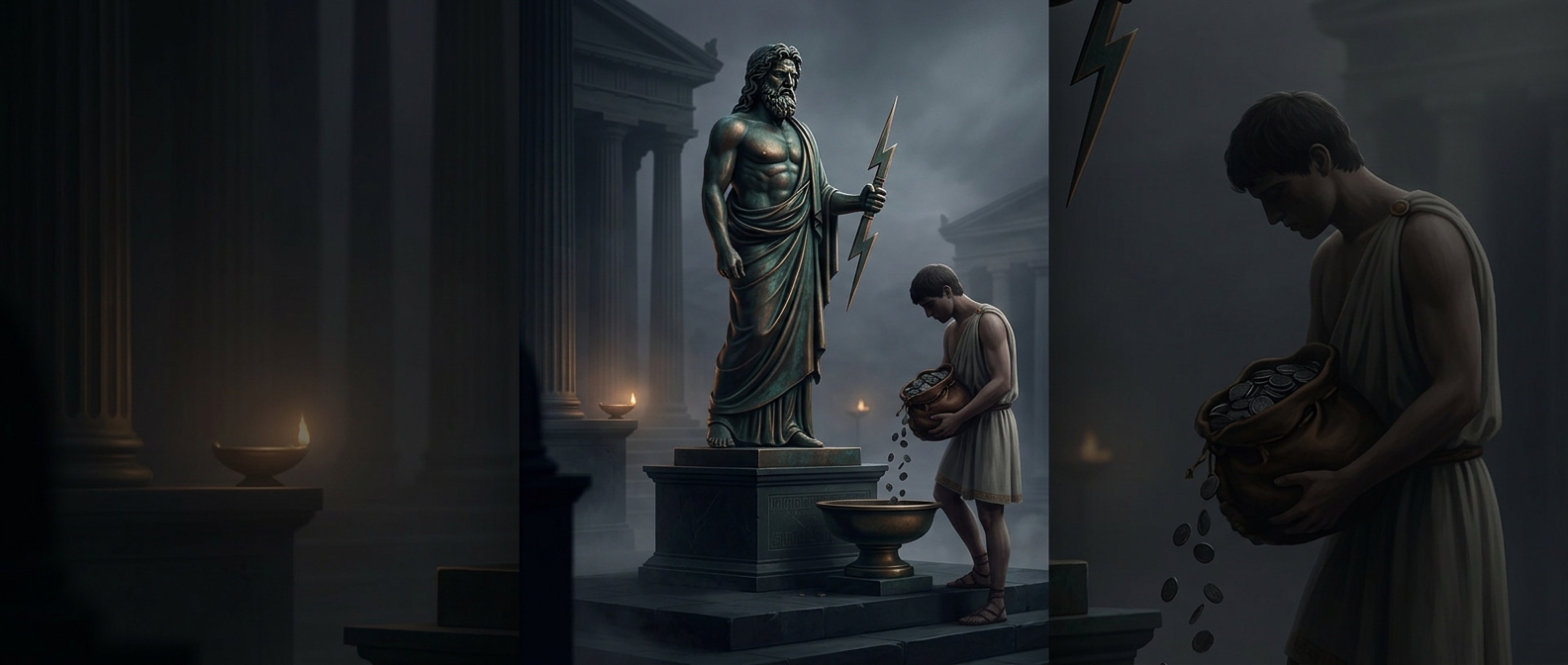
Ancient Olympic cheats had to fund statues naming them
Fines from caught cheaters paid for bronze statues of Zeus, called Zanes, lining the route into the stadium. The statues named the athlete, his father, and…
Discover more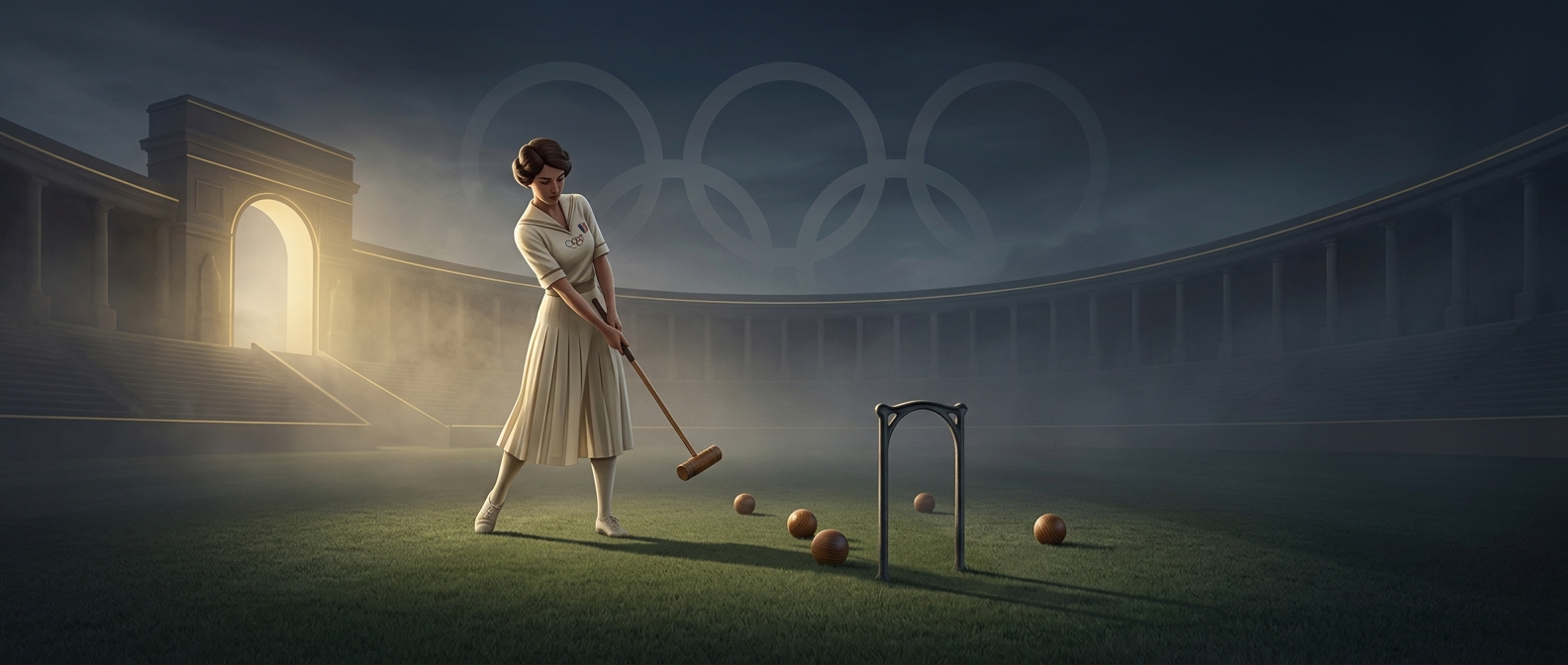
Olympic croquet reportedly attracted one paying spectator
Croquet appeared at the 1900 Paris Games, among the first Olympics to include female competitors. Guinness recounts just one ticket-buying spectator for the…
Discover more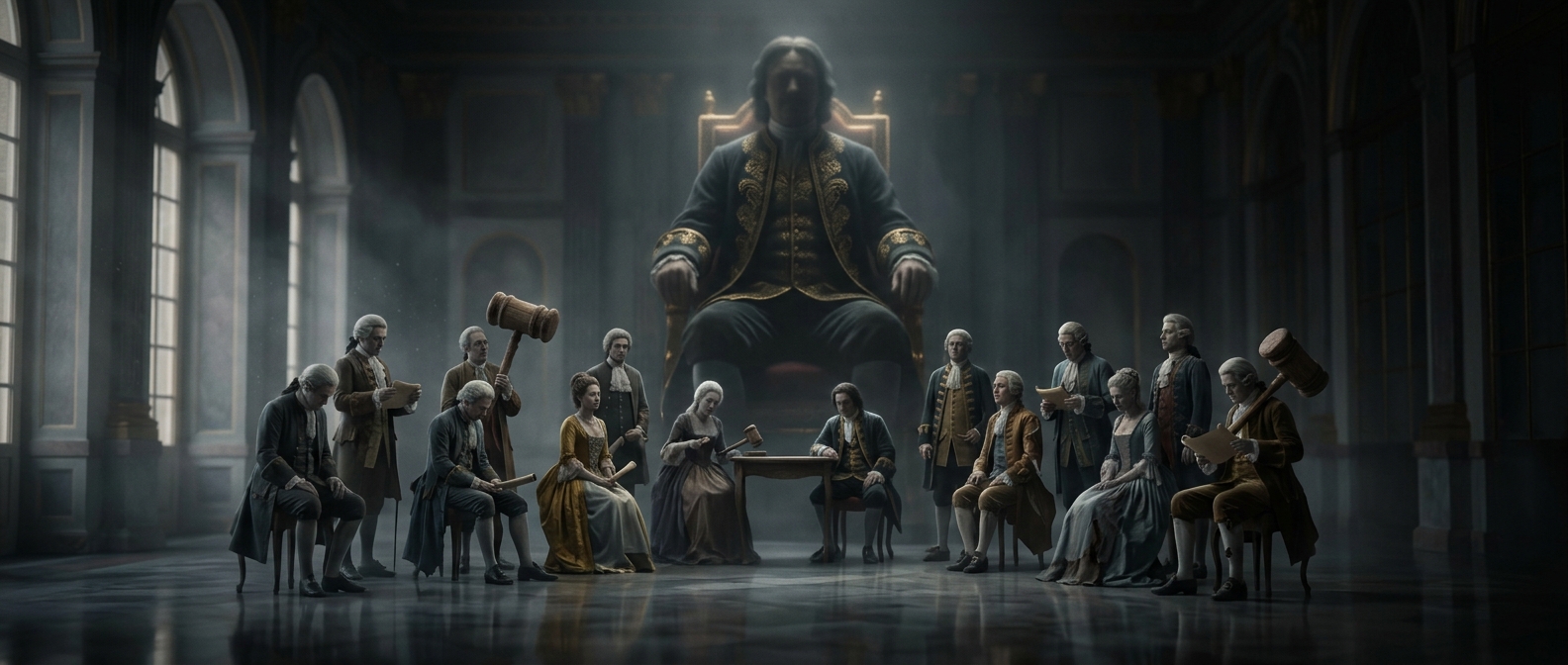
Peter the Great made nobles serve in a court of fools
The nobles had to perform ridiculous ceremonies alongside jesters and drunkards. The humiliation worked because rank offered no exemption: Peter could make…
Discover more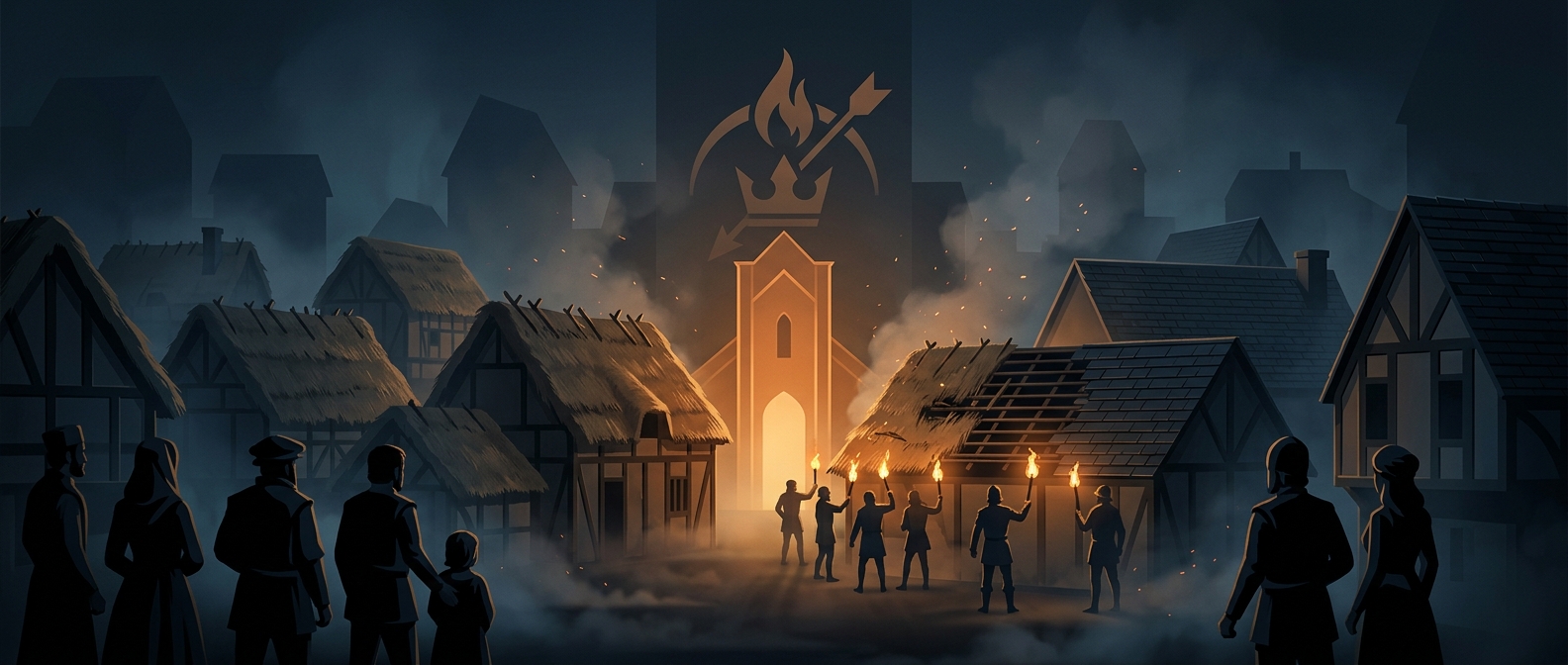
Thatch roofs were criminalized to prevent mass fires
In tightly packed neighborhoods, one fire could spread quickly across thatch roofs, so authorities banned them and pushed residents toward more expensive…
Discover more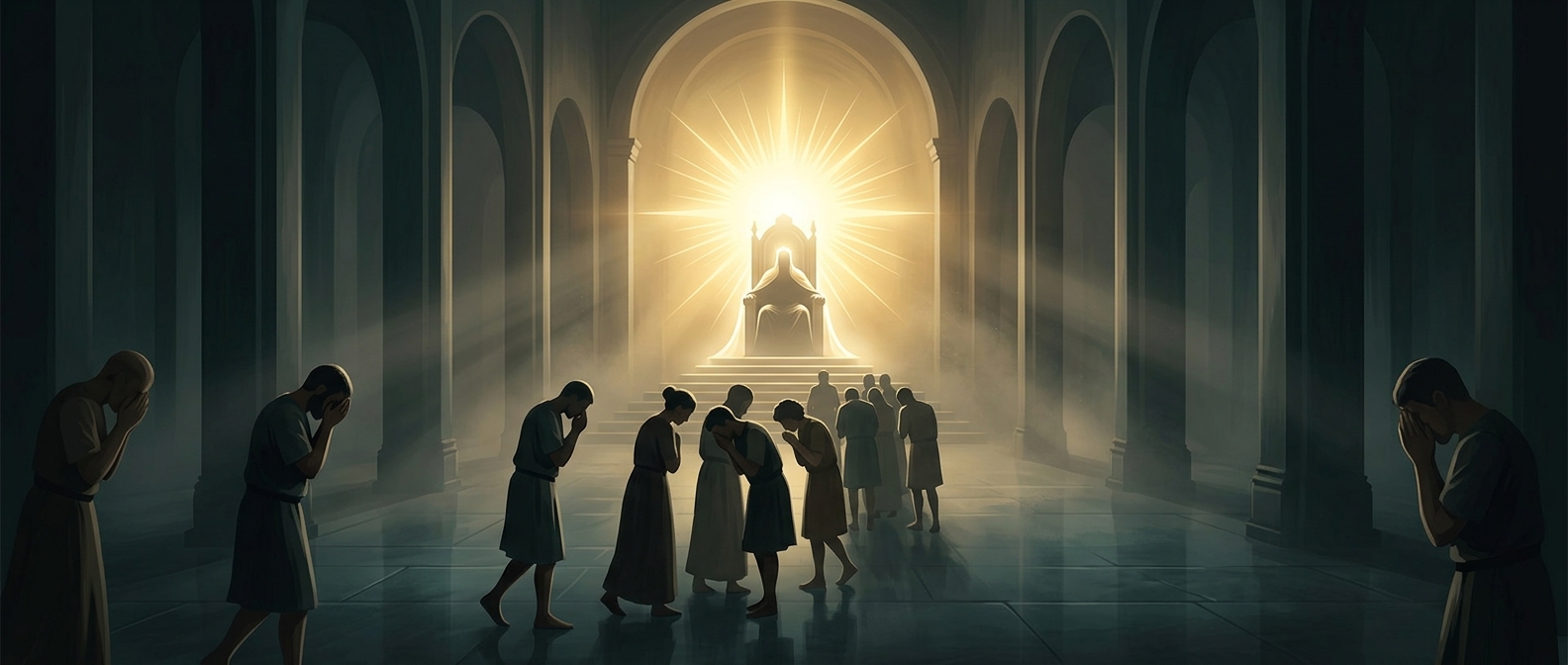
Commoners believed looking at the emperor blinded
Some rulers used the threat to cultivate an aura of divinity, making subjects look at the ground instead of meeting their eyes. The emperor’s gaze became less…
Discover more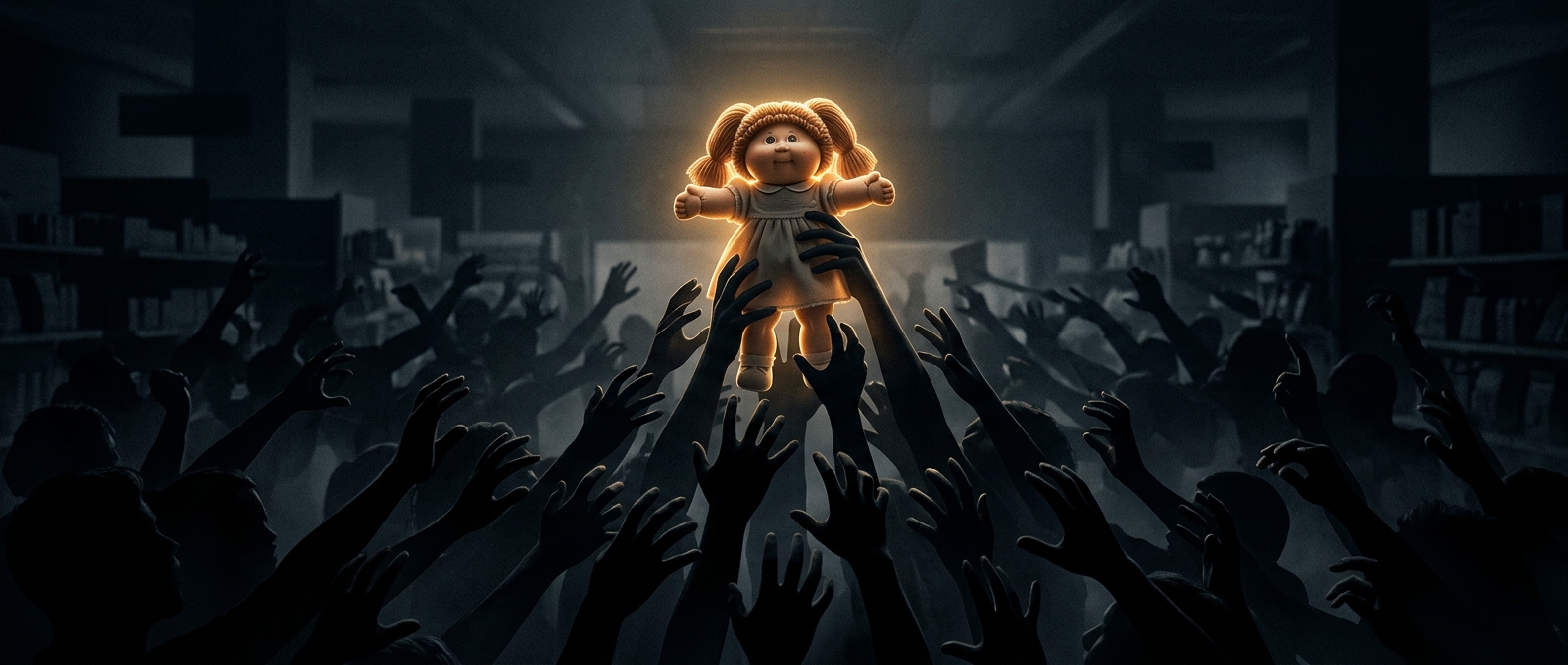
Cabbage Patch Kids turned toy shopping into a contact sport
During the 1983 craze, stores struggled to meet demand and fights broke out among adults trying to obtain the dolls. Each toy arrived with its own name and…
Discover more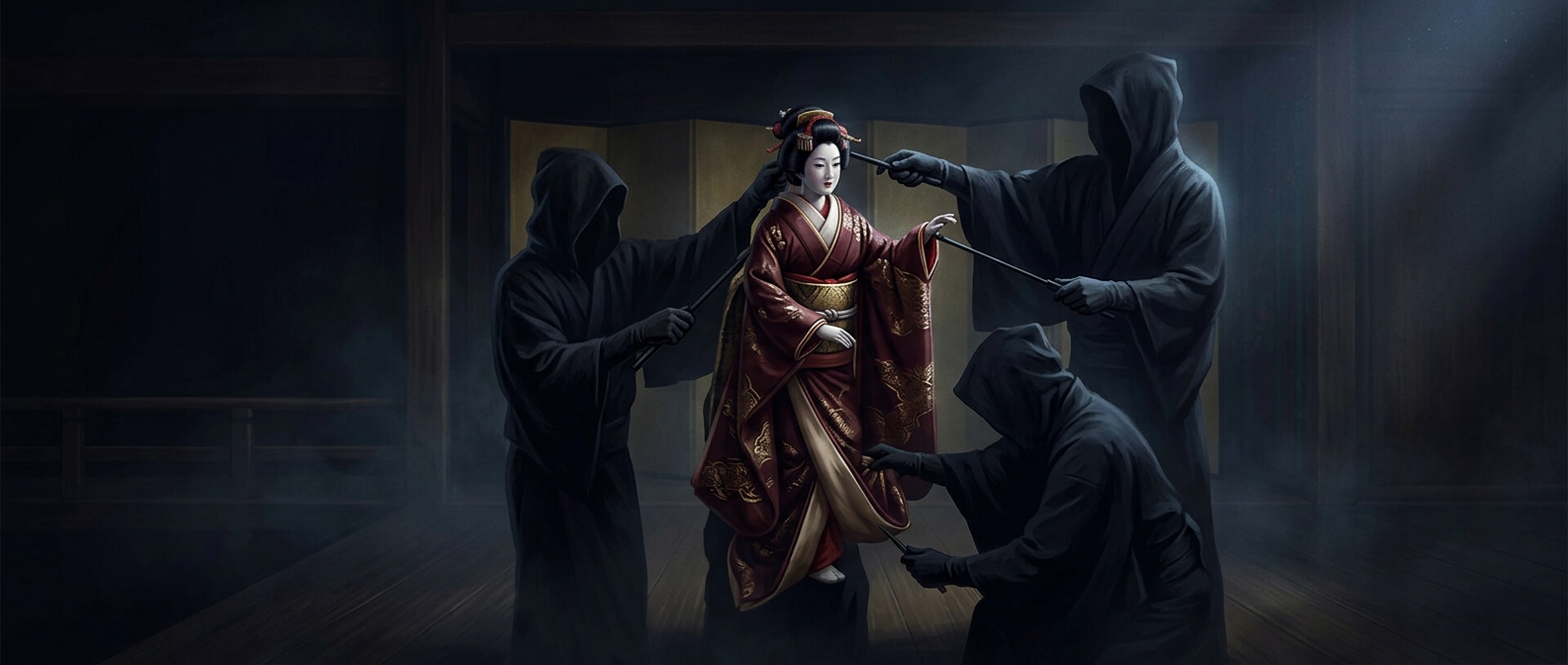
Why one Bunraku puppet needs three puppeteers
A Bunraku puppet has to move like one body, so its work is split among three people: one handles the feet, another the left arm, and the lead puppeteer…
Discover more
Early microprocessors contained very few transistors
The first commercial microprocessor packed roughly 2,000 transistors onto a chip. A modern smartphone can contain tens of billions—a reminder that the…
Discover more
European royals regularly suffered from severe gout attacks
The painful toe inflammation was linked to rich, meat-heavy diets, earning gout its nickname, the “disease of kings.”
Discover more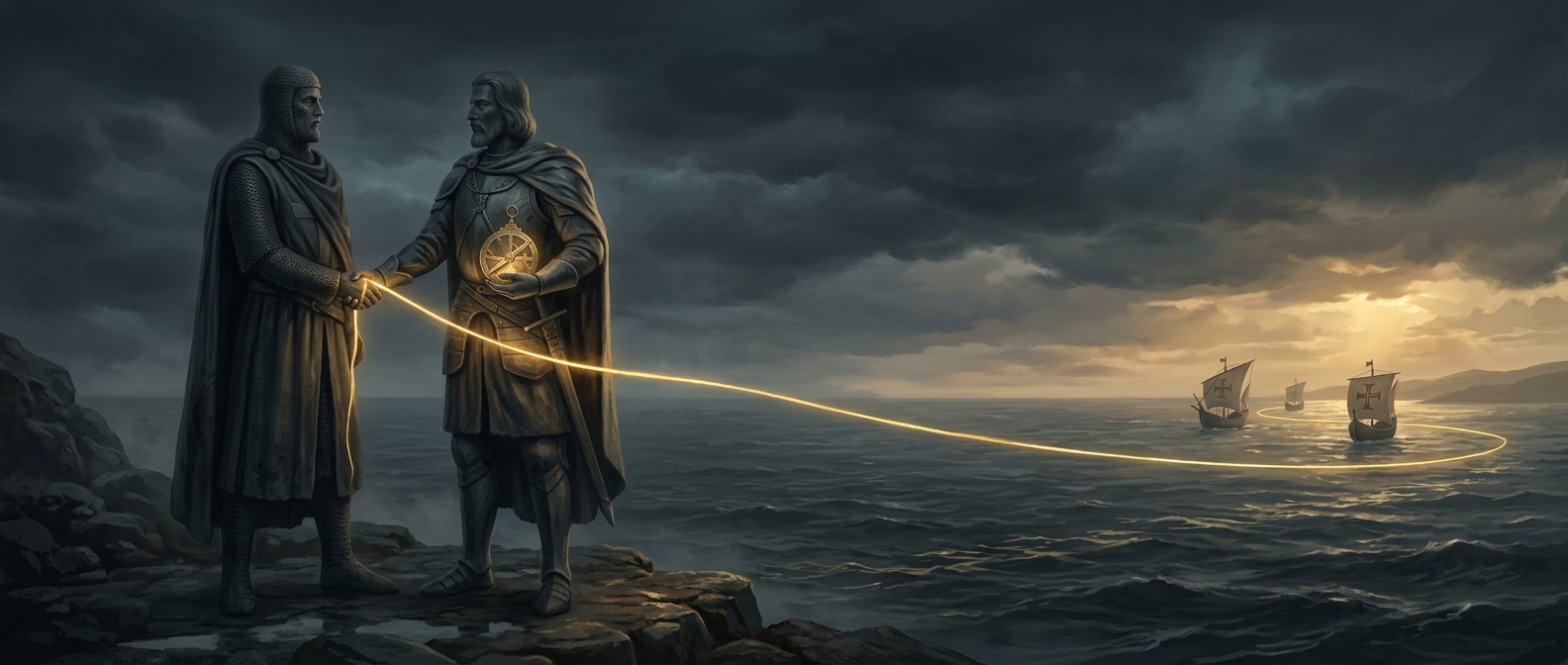
Anglo-Portuguese treaty is the oldest active military pact
The pact dates to the late 14th century and has survived centuries of shifting alliances between the two maritime powers.
Discover more
Garlic bulbs originated across Central Asian regions
People in Central Asia domesticated the pungent plant, bringing garlic into cultivation.
Discover more
Monasteries held absolute monopolies on written knowledge
Copying books took time, money, and literacy, so monasteries were among the few institutions able to do it for centuries. That gave them unusual influence…
Discover more
The semicolon had a printing career before your grammar class
Aldus Manutius used the mark in his 1490s edition of Pietro Bembo's De Aetna. It offered a pause between the comma and the full stop. A tiny piece of…
Discover more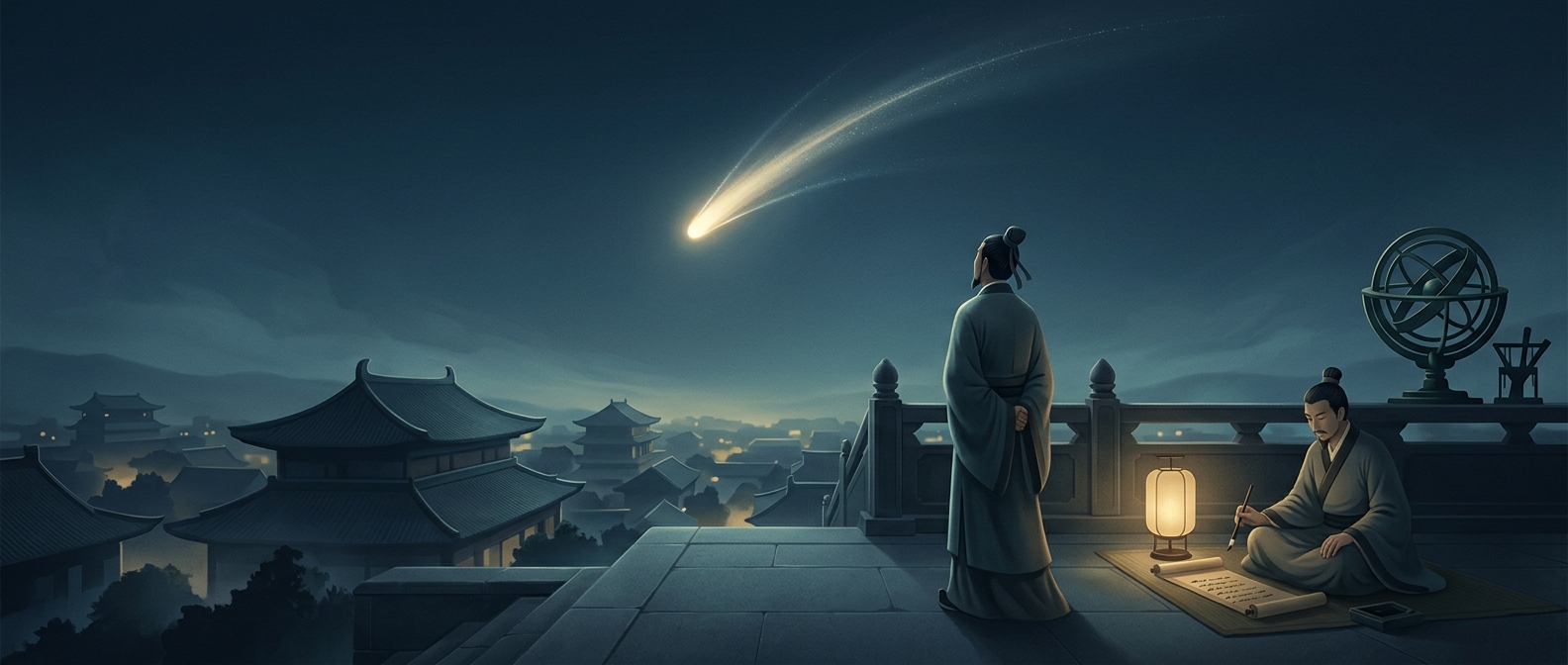
Han dynasty stargazers casually tracked a major comet
Han astronomers logged the comet’s appearance in 240 BC; modern astronomers identify it as Halley’s Comet, recorded centuries before telescopes.
Discover more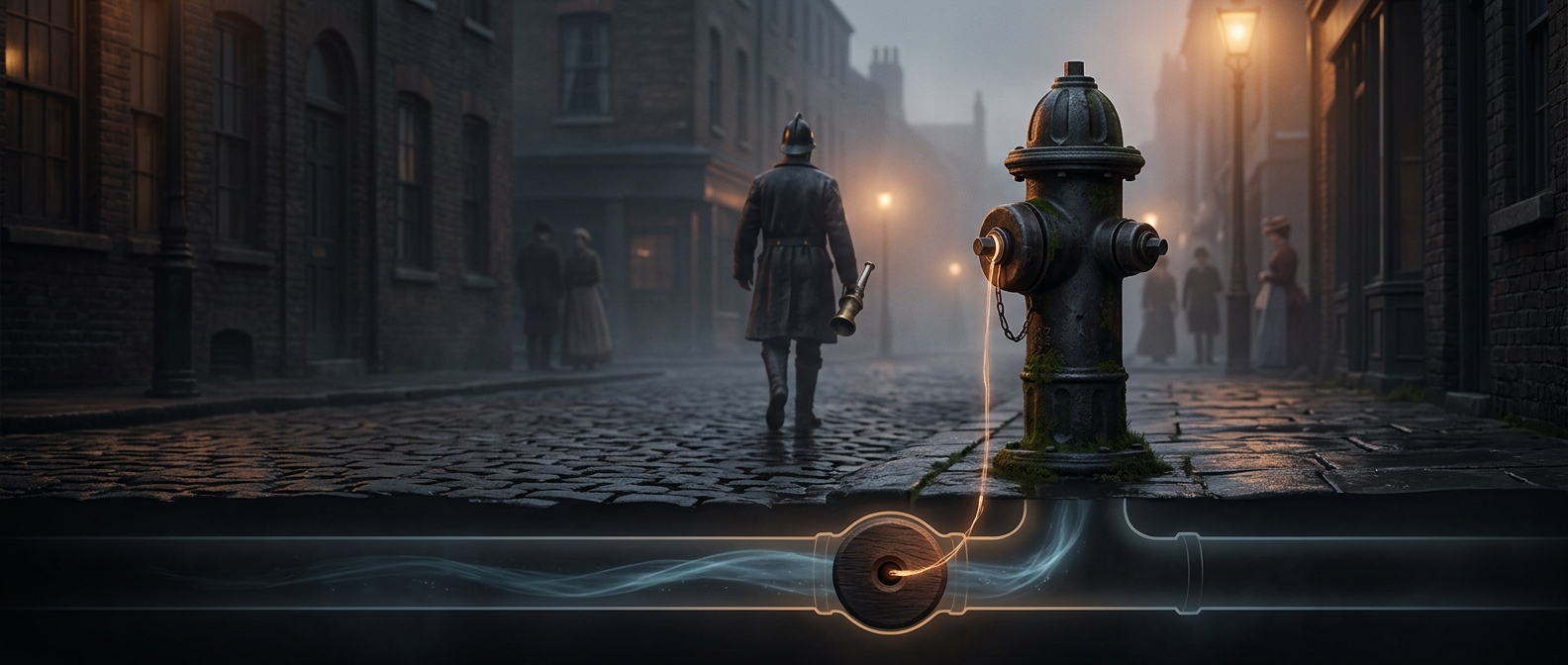
Firefighters once drilled straight into wooden water mains
Early water mains were hollow tree trunks, so a hydrant was a hole crews had to make themselves. Firefighters dug up the pipe, drilled into the wood, then…
Discover more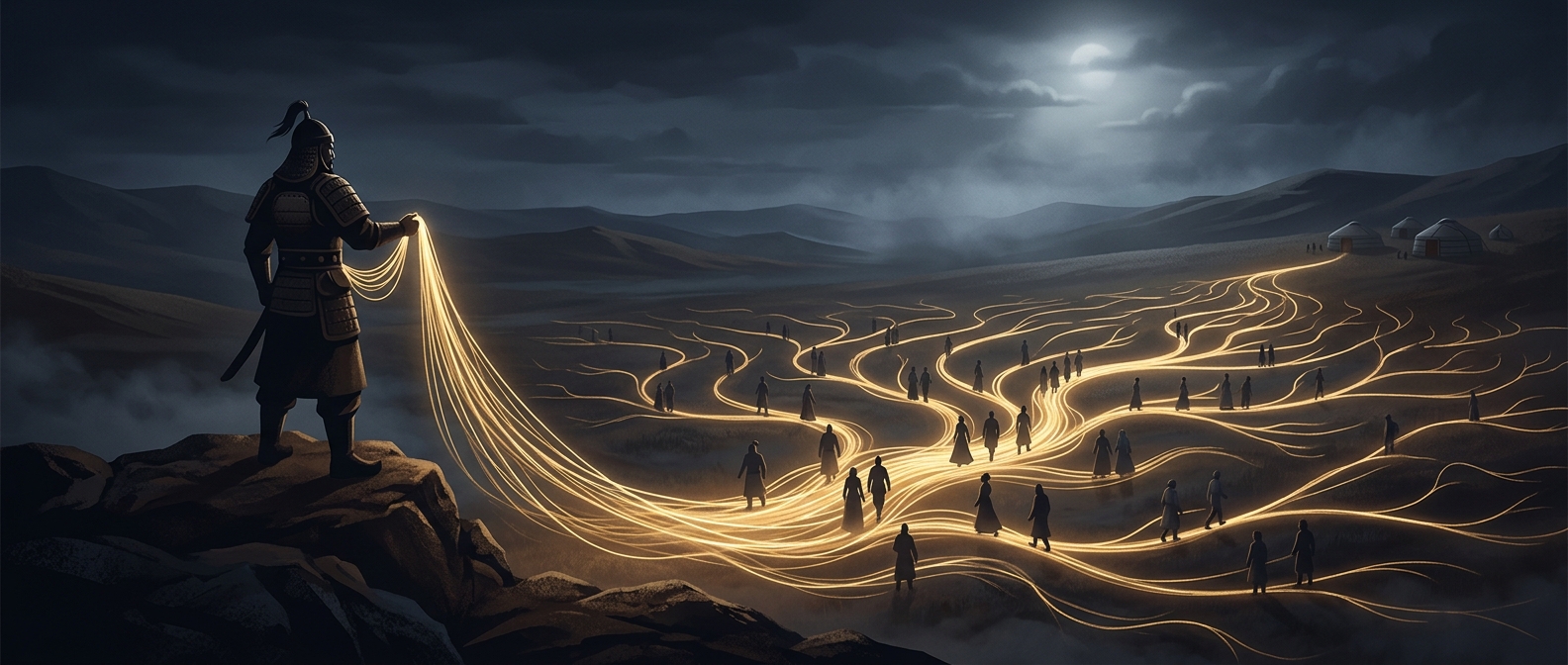
The famous 'Genghis Khan gene' turned into a genetic detective story
A 2003 study found a widespread paternal lineage in Asia and suggested a link to Genghis Khan's dynasty. Higher-resolution analysis in 2018 placed its common…
Discover more