Why a Ruler’s Eyes Could Be Treated as Dangerous
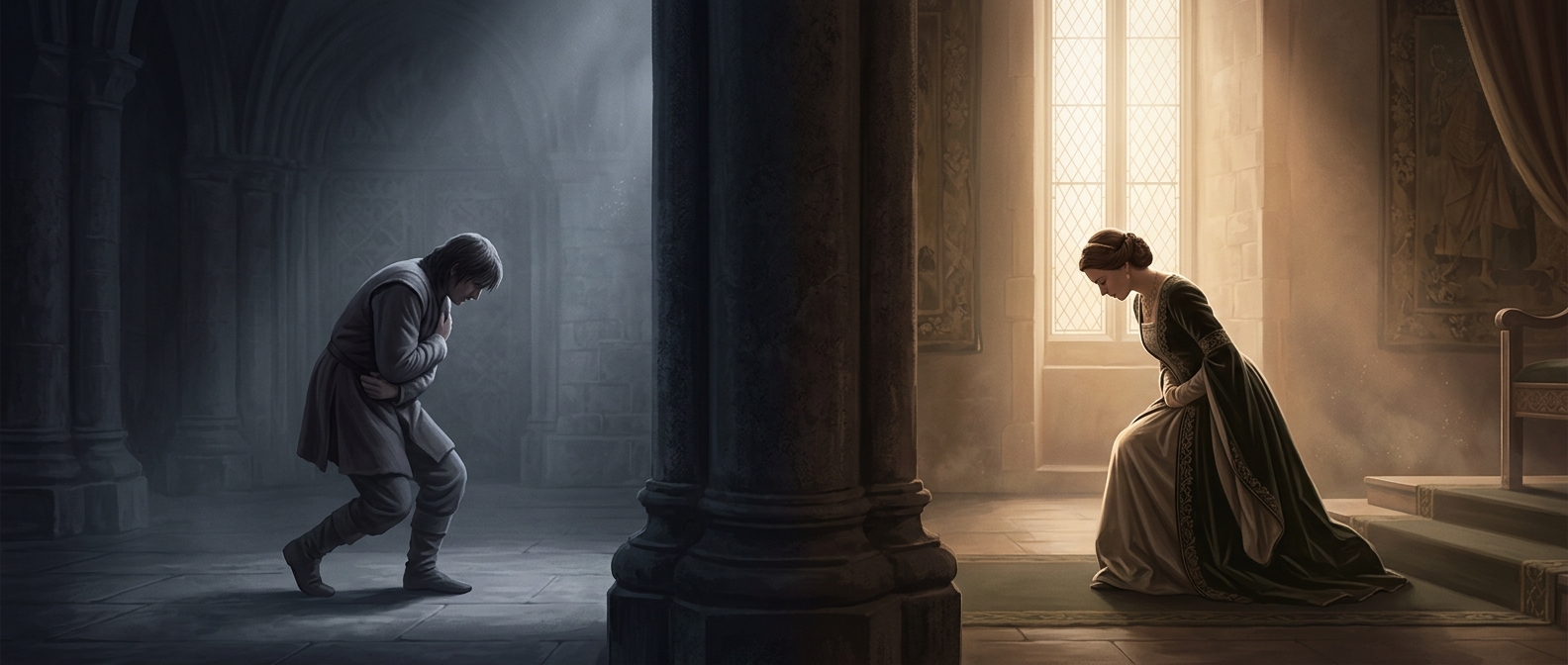
In a court where the ruler was regarded as more than an ordinary person—sometimes as divinely favored or sacred—looking directly at him could be treated as a breach of order. The warning that his gaze might blind a commoner gave that rule a memorable, frightening edge. It made deference feel not merely polite but necessary for protection.
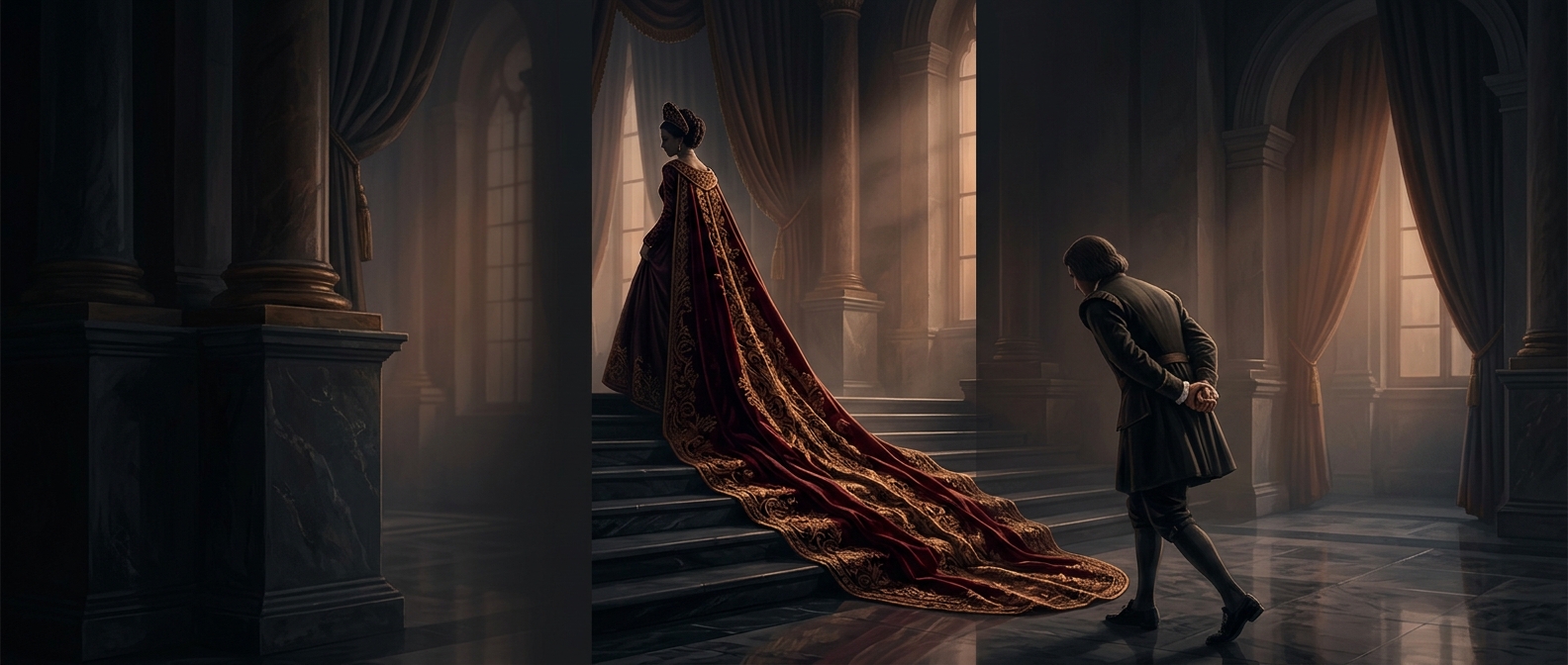
The idea also turned a simple gesture into a display of rank. A subject who lowered his eyes acknowledged that the ruler was not an equal with whom he could casually exchange a look. The emperor, meanwhile, could observe those around him without offering ordinary reciprocity. Control over who could look, and when, helped make authority visible.
Ritual Distance as Political Theater
Court etiquette often made power legible through small acts: who approached, who spoke first, and how close anyone could come. Restricting a subject’s gaze reinforced the distance between ruler and ruled, while stories of harm attached to disobedience made that distance seem almost physical.
Such warnings were not necessarily literal descriptions of what people expected to happen every time someone glanced upward. Their force lay in the boundary they marked. The subject was taught to behave as though the ruler’s presence carried consequences beyond ordinary social embarrassment—an effective way to make hierarchy felt even in a silent encounter.
The result was a striking reversal of a familiar greeting: instead of meeting the ruler’s eyes, a subject showed loyalty by refusing to look.