A medieval alliance built to outlast a crisis
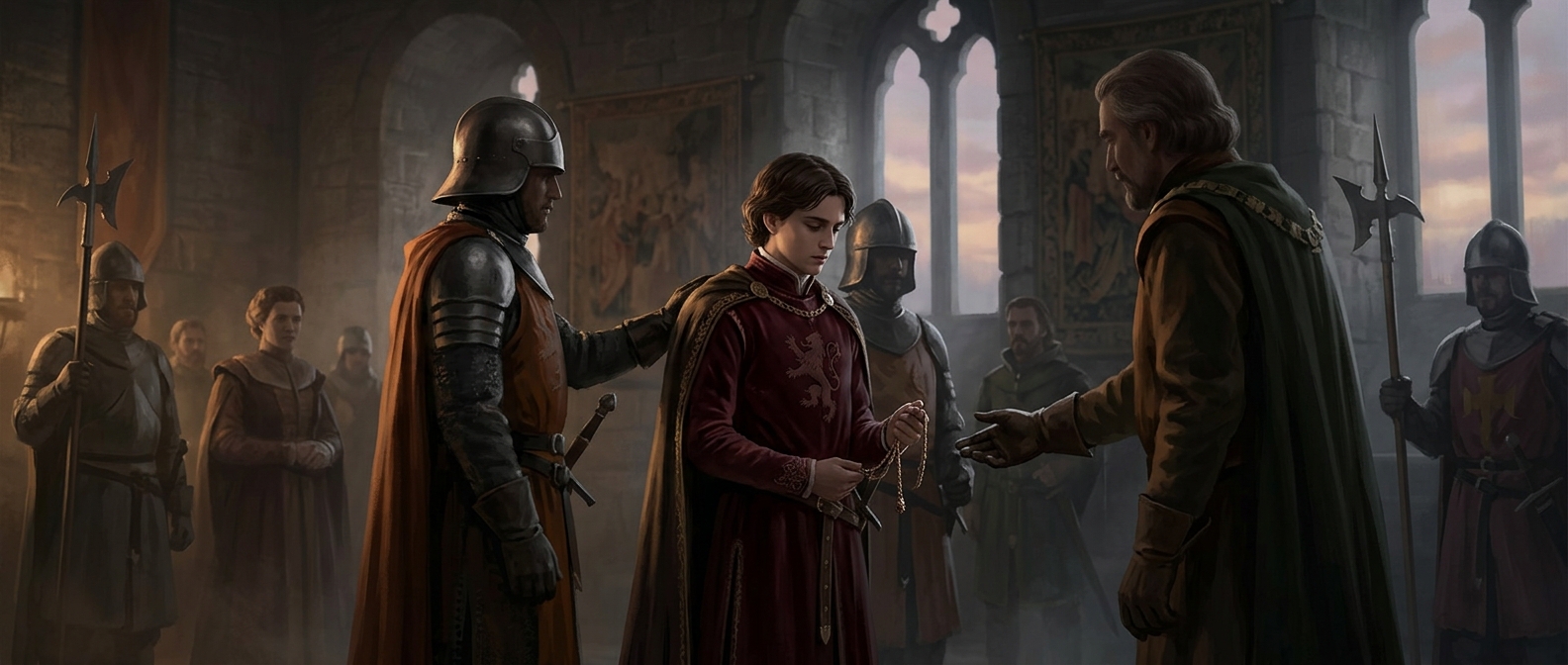
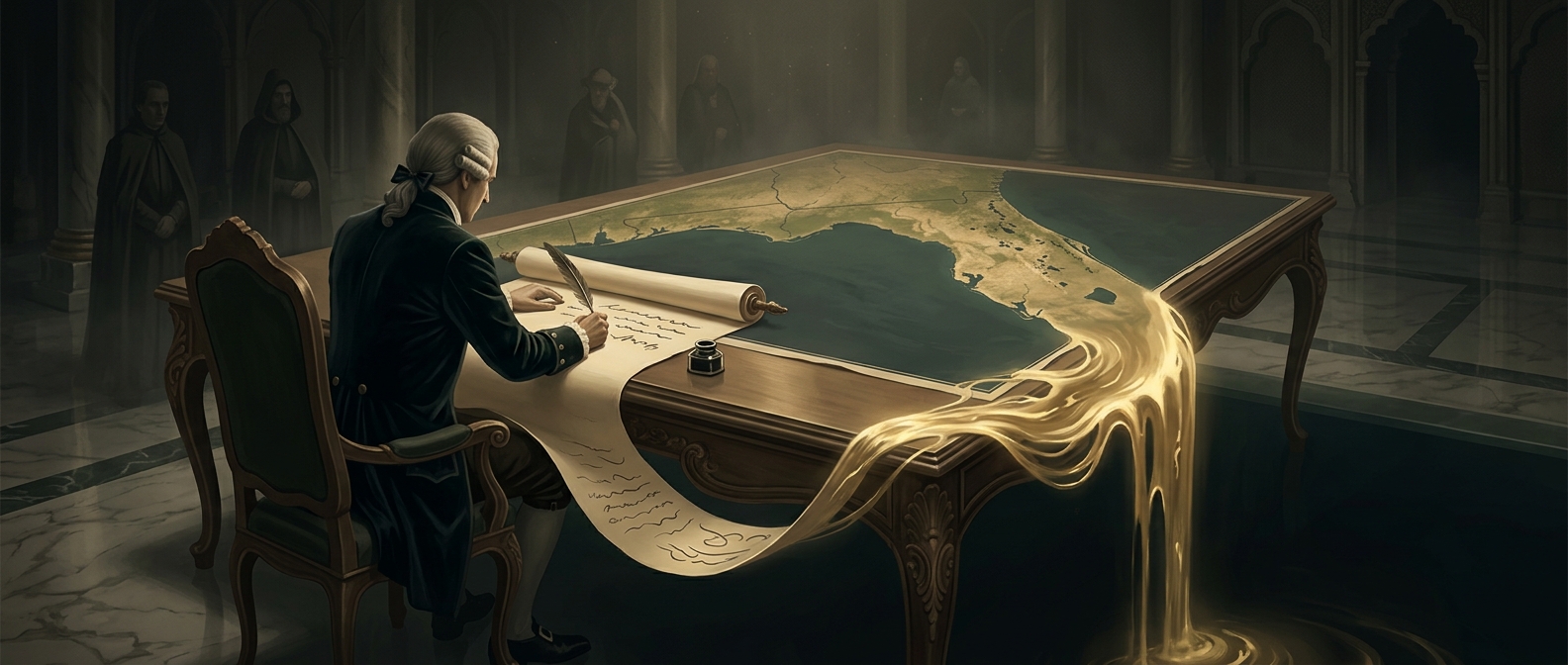
The Anglo-Portuguese pact took shape as Portugal fought to secure its independence from neighboring Castile. After a succession crisis in Portugal in 1383, the claim of John, the Master of Avis, prevailed. The Treaty of Windsor, signed in 1386 by John I of Portugal and Richard II of England, formalized a lasting alliance between the new Portuguese dynasty and the English crown.
Its promise of “perpetual” friendship was more than ceremonial. The kingdoms pledged mutual support, giving each a partner across the sea when conflicts threatened. The arrangement was strengthened by John I’s marriage to Philippa of Lancaster, linking the Portuguese royal house to England’s ruling family.
Why the pact endured
The treaty did not freeze the two countries into identical policies or require them to fight together in every war. Its durability came partly from being a framework they could renew and put to practical use as circumstances changed. Portugal and England had separate interests, but their alliance offered a recurring basis for cooperation without requiring a permanent, unified military command.
That flexibility mattered as European powers and alliances shifted over the centuries. The relationship was renewed and invoked at different moments; its survival does not mean the partners were continuously at war together, only that the alliance remained available as a diplomatic commitment.
An old promise with a modern use
The pact’s significance became concrete during World War II. In 1943, Portugal allowed Britain to use air and naval facilities in the Azores, a strategic island group in the Atlantic. The access helped Britain operate across a vital ocean route. A medieval alliance could not dictate every later decision, but it provided a diplomatic foundation for cooperation—one that reached from the politics of 14th-century independence to wartime airfields in the Atlantic.