History
Discover facts about history. Small discoveries that change the way you see familiar things.
History
Before Typewriters, there was the 'writing ball,' a spherical machine with letters sticking out of it.
Picture a spiky metal globe with keys protruding like quills—that was the 'writing ball,' an early attempt at mechanical typing. Awkward to use, dazzling to…
Discover moreFrom powdered wigs to dancing plagues, human history never lacked bizarre customs.
History wears costumes that can look absurd: giant powdered wigs tottering above solemn faces, or people dancing wildly in unison for reasons lost to time.…
Discover more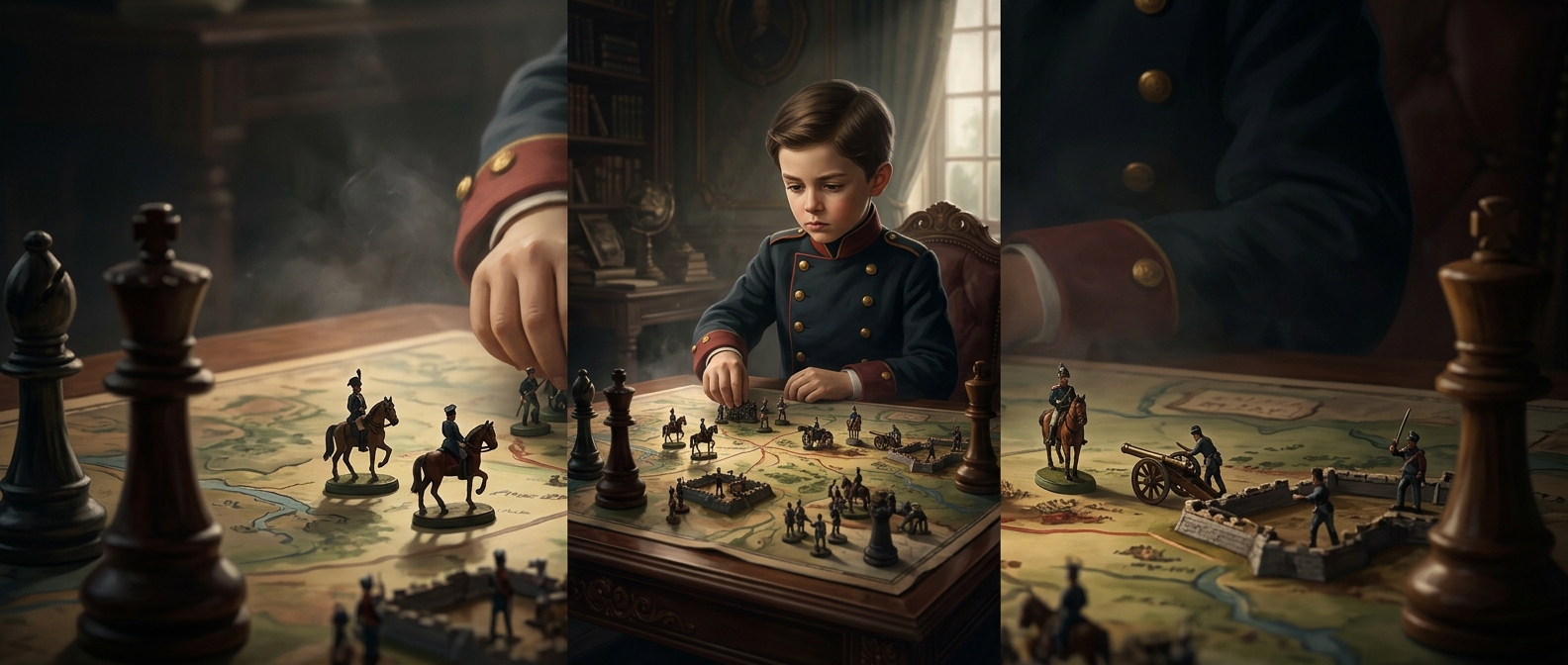
Prussian officers practiced war on a tabletop
Kriegsspiel used maps, pieces, rules, and an umpire to model tactical decisions. The Prussian army adopted it in 1824 after a demonstration to its chief of…
Discover more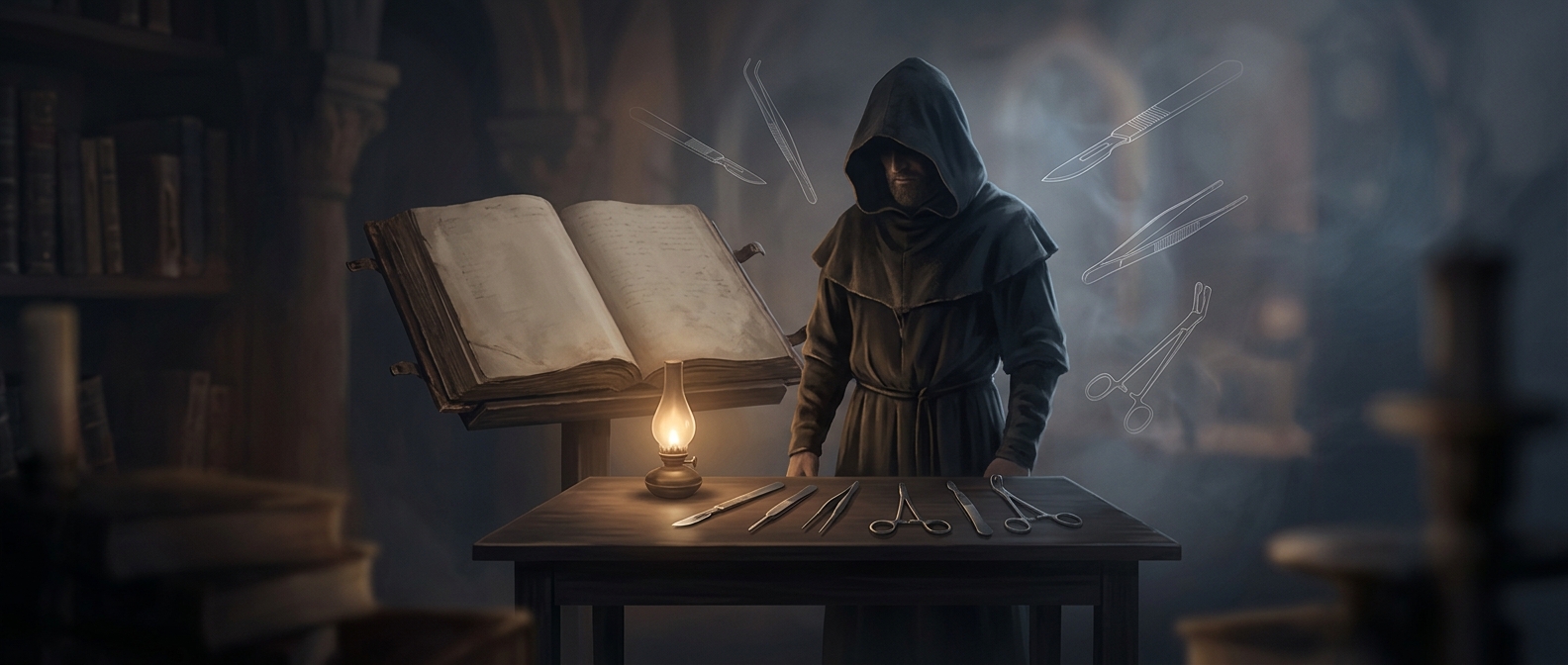
The forgotten surgeon behind tools we still use
The surgeon’s name faded, but his scalpels, forceps, and suturing needles didn’t: their designs still echo in modern surgical tools.
Discover moreRevolutions often fail in the short term but succeed in rewiring culture—like how the 1848 European uprisings collapsed politically yet planted seeds of democracy that sprouted…
Revolution can seem like a match that fizzles in the rain, but sometimes its sparks smolder underground for generations. The uprisings of 1848, for example,…
Discover moreAt Egyptian banquets, servants would wear wax cones of perfume on their heads.
Imagine arriving at an Egyptian feast only to find the party glowing with human incense. Servants placed wax cones of scented oil atop their heads, and as the…
Discover more STACKY FOR IPHONE
A bigger world.
One discovery
at a time.
Keep discovering with Stacky. Interesting facts in an app that is always within reach.
During WWI, soldiers were told to hide shiny shoelace tips—because glints from metal aglets risked sniper fire.
On the battlefield in WWI, even the tiniest sparkle could mean instant death. Soldiers were cautioned: hide or darken those metal shoelace tips, or risk a…
Discover more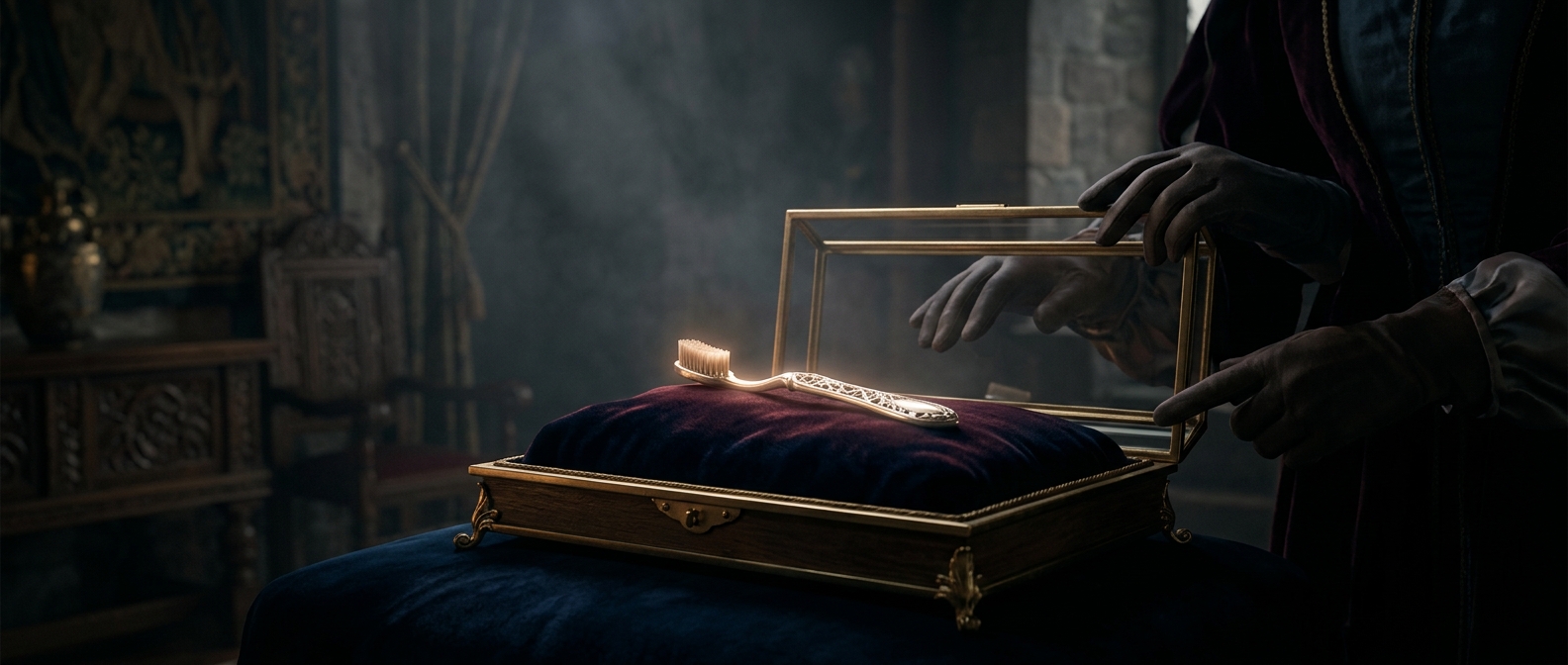
When a toothbrush was a luxury item
Bone handles and animal-hair bristles made early toothbrushes costly, so many ordinary people cleaned their teeth with chewing sticks or cloth instead. Oral…
Discover moreCalifornia Gold Rush didn’t just lure miners—it lured laundries, theater troupes, even gambling ships.
When whispers of gold spread across the world, it wasn’t only miners who rushed westward. Entire theaters packed up stages, laundries bloomed near rivers, and…
Discover more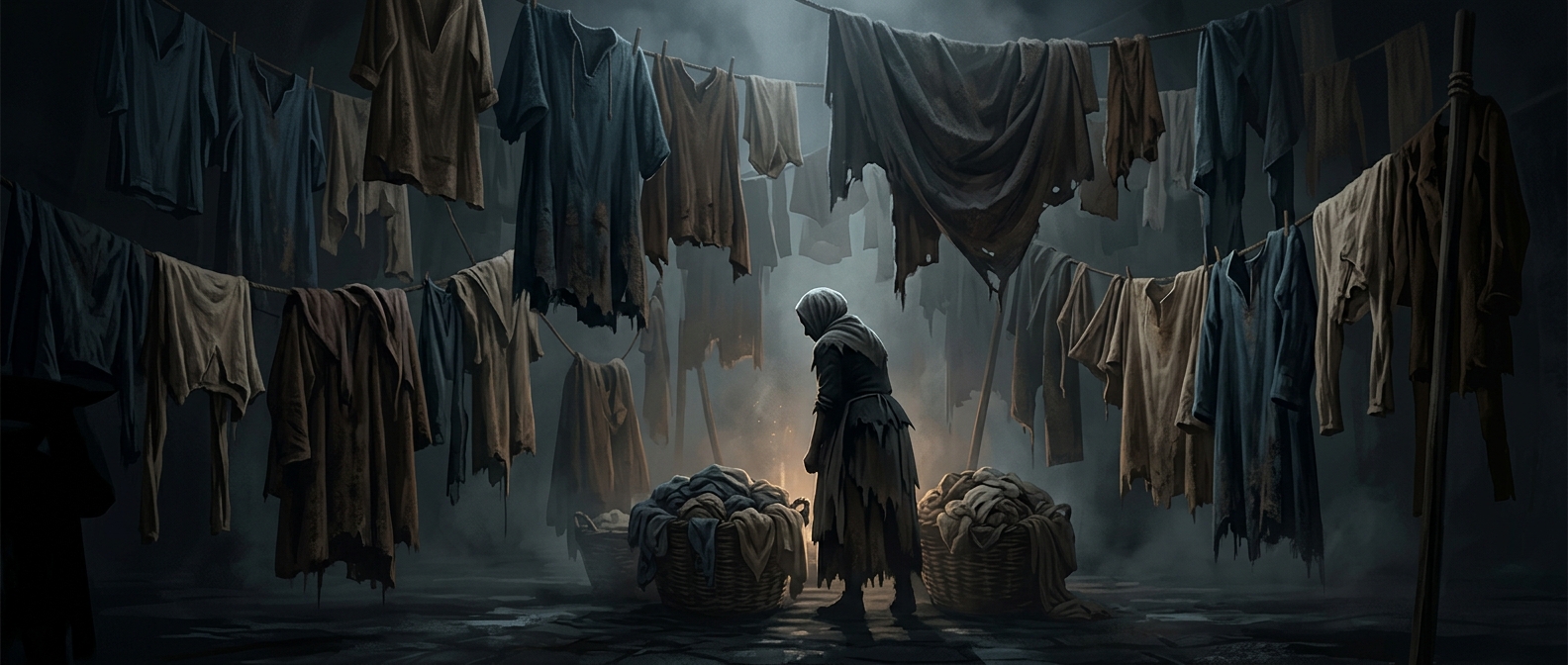
Medieval fashion was shaped by sweat and laundry
Laundry was costly and labor-intensive, so people wore washable linen next to the skin and sturdier wool and aprons over it. The layers took the grime,…
Discover more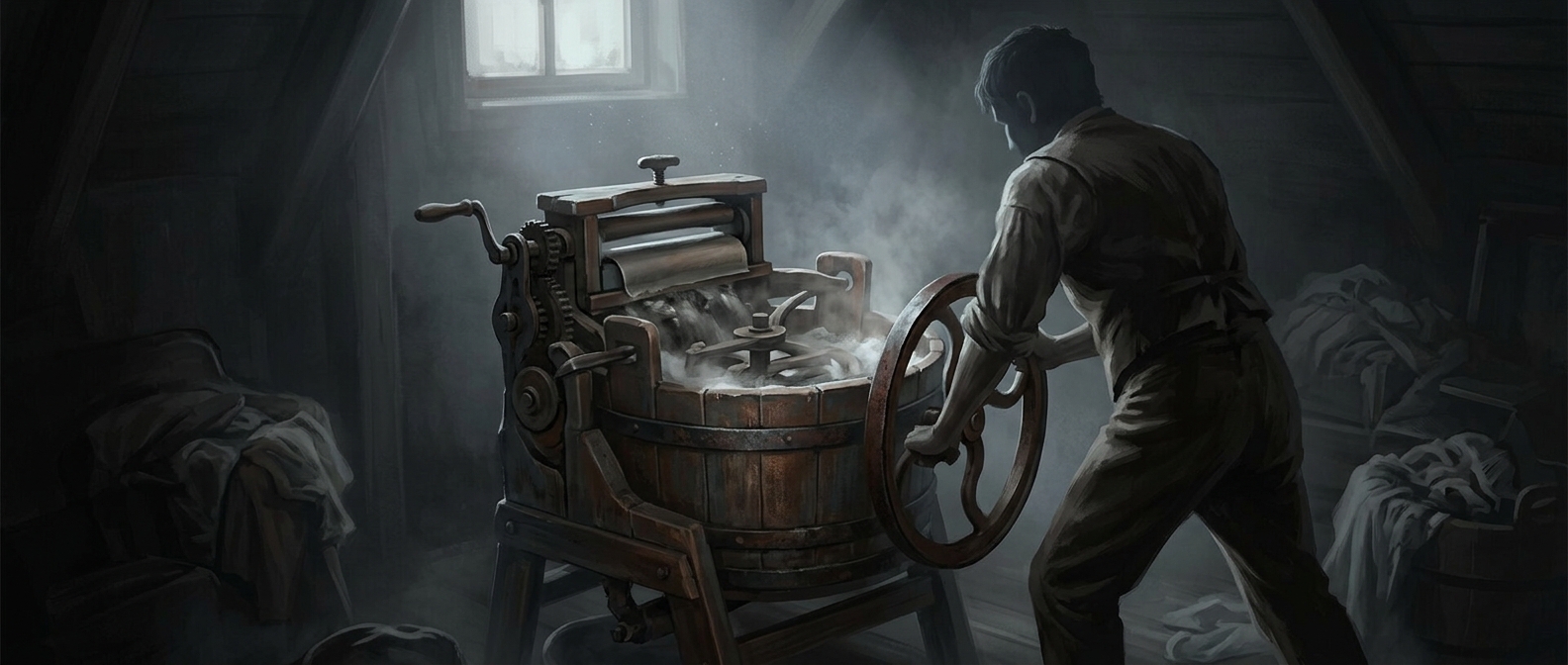
Laundry was already a nightmare before electricity
Inventors built hand-powered washers to take some of the misery out of laundry. Cranks and gears churned the soapy water, but the machine still needed a…
Discover more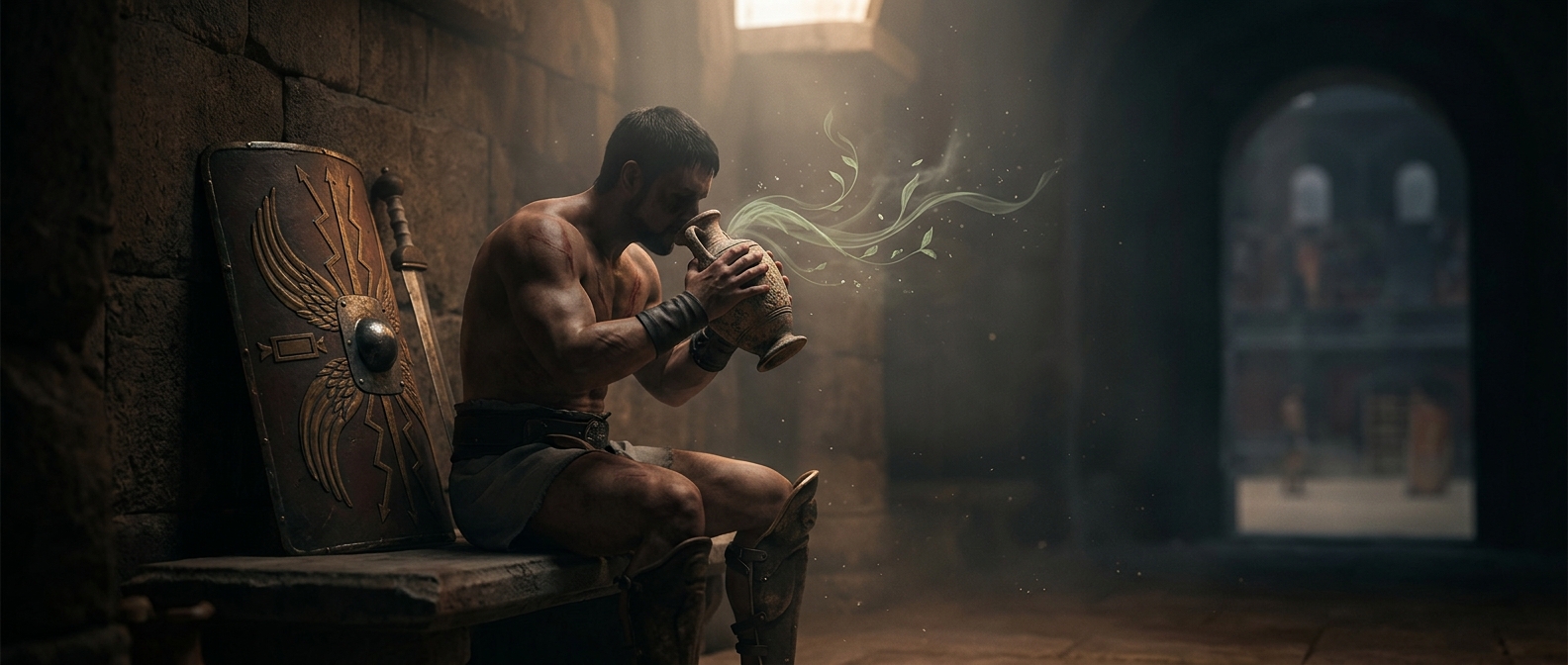
Gladiators may have washed down meals with ash
Ancient texts mention an ash drink, and a study of gladiator bones from Ephesus found mineral ratios consistent with an unusual calcium source. Plant ash was…
Discover moreLibraries weren’t only for books — in some medieval monasteries, ashes from saints’ relics were catalogued like manuscripts.
Step into a medieval library, and you might expect parchment scrolls and bound volumes—but imagine finding shelves holding tiny boxes of ashes and bones…
Discover moreMedieval courts held actual footwear hostage: some laws compelled debtors to surrender shoes as collateral in disputes.
Imagine walking into a courtroom and leaving barefoot, not because you lost the case but because your shoes were quite literally taken as ransom! In medieval…
Discover moreTea wasn’t just a drink — in colonial America it was rebellion liquid.
Pouring a simple cup of tea might feel ordinary today, but in colonial America it was like holding a torch of revolt in your hands. Tea was comfort, yes, but…
Discover moreAncient Romans locked doors with keys the size of bananas — literal giant bronze sticks carried on belts.
Picture a Roman citizen jingling down a street with a bronze key nearly as big as a fruit from the market swinging at their waist. These oversized keys…
Discover moreHistorians argue that the British Empire was built on debt.
What built the largest empire in the world—armies, cannons, ships? Surprisingly, not only those, but an invisible force: debt. London financed wars, colonies,…
Discover more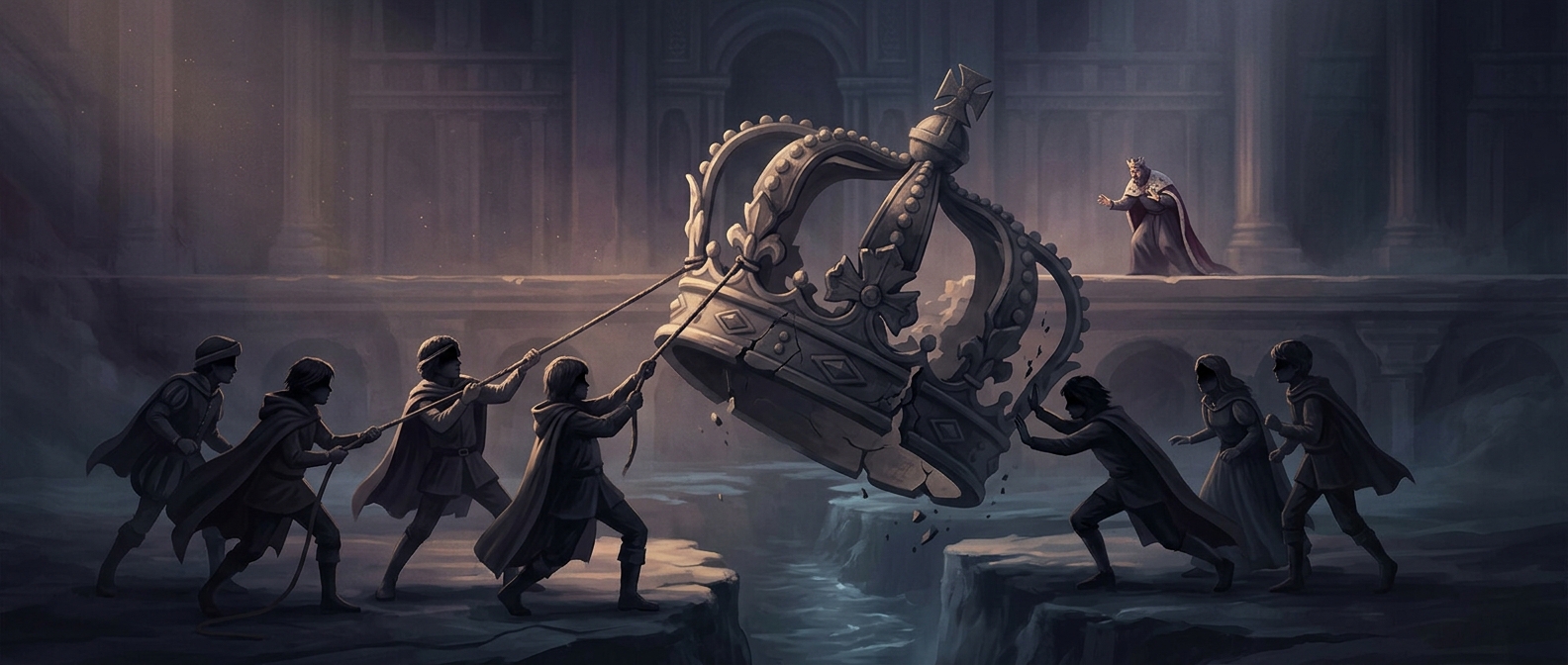
When teenagers shook the thrones of kings
In some dynasties, waves of youthful anger and protest helped force leaders to step down, challenging the old order.
Discover moreAge of Exploration wasn’t all daring captains; sailors often ate hardtack crawling with maggots.
Behind every legendary voyage of discovery was a sailor chewing on rock-hard biscuits that would make modern teeth cringe. Called hardtack, these “meals”…
Discover moreRomans didn’t just drink wine, they watered it down because straight alcohol was considered barbaric.
For the Romans, wine wasn’t the rowdy swig of drama—it was a refined canvas for mixing, shared at feasts to show civility. The surprising twist? Straight,…
Discover more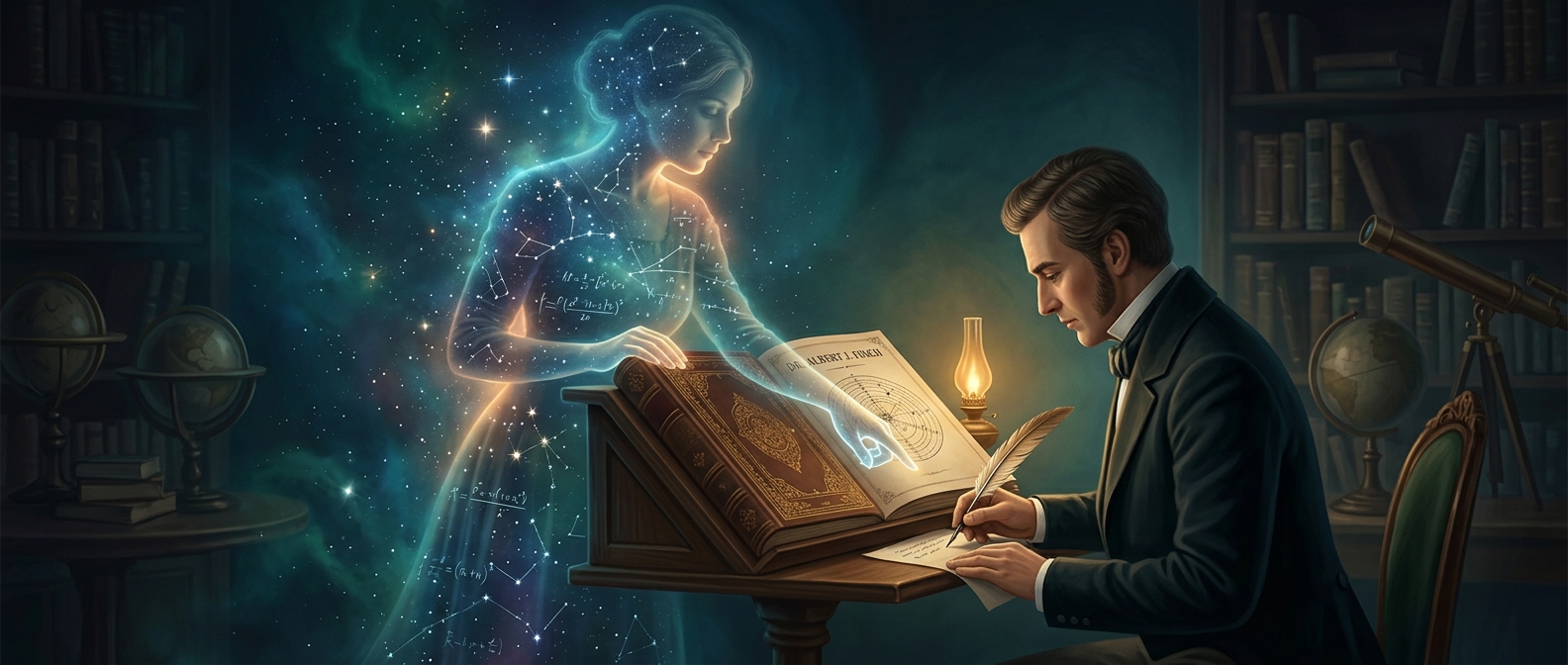
She explained nuclear fission; the Nobel went to her collaborator
Lise Meitner and Otto Frisch explained how a uranium nucleus could split, making sense of experimental results from Otto Hahn and Fritz Strassmann. The 1944…
Discover moreIn 1760s England, wearing printed cotton was literally illegal because the wool industry felt threatened.
Picture a bustling 1760s street in England where a passerby’s floral cotton dress suddenly becomes a crime scene. Guards march up, strip the banned fabric…
Discover moreBeneath modern Mexico City lie the ruins of Tenochtitlán, once a metropolis of canals, floating gardens, and dazzling temples.
Beneath the roar of taxis and glowing billboards of Mexico City lies another city entirely — Tenochtitlán. Once it shimmered with canals like Venice, its…
Discover moreIn the Inca empire, children chosen for sacrifice were treated like royalty first: feasts, fine clothes, intoxicating drinks — an eerie honor before being buried alive in frozen mountaintops.
The tale of Inca sacrifices is as chilling as it is mesmerizing. Imagine children suddenly elevated to the status of royalty — draped in bright textiles,…
Discover more