Why medieval clothes were built in layers
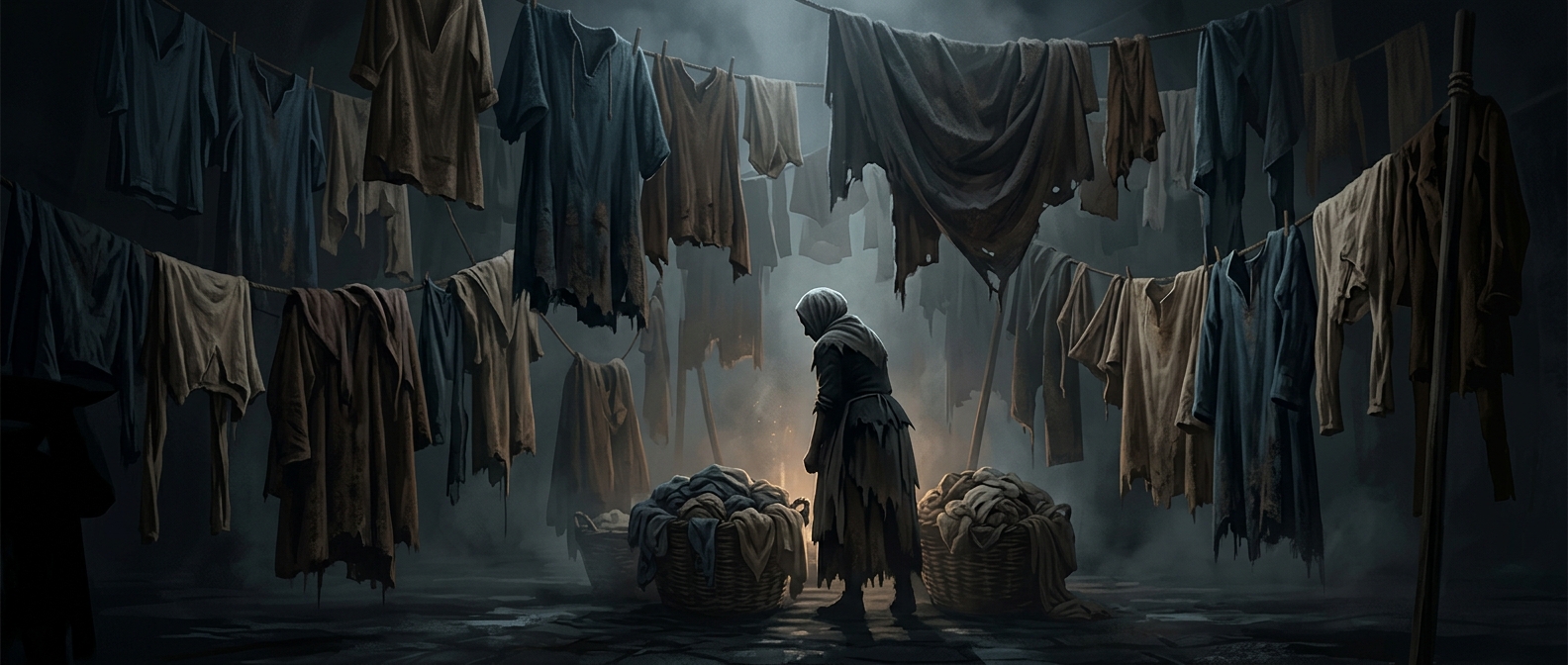
For many people in medieval Europe, keeping clothes clean was less a matter of running a wash load than of managing water, fuel, soap, and hours of hand labor. Washing a large wool garment could be difficult, and repeated wetting and rough handling could damage or distort it. Clothing was therefore arranged so the dirtiest work happened on the layers easiest to clean.
Linen took the direct hit
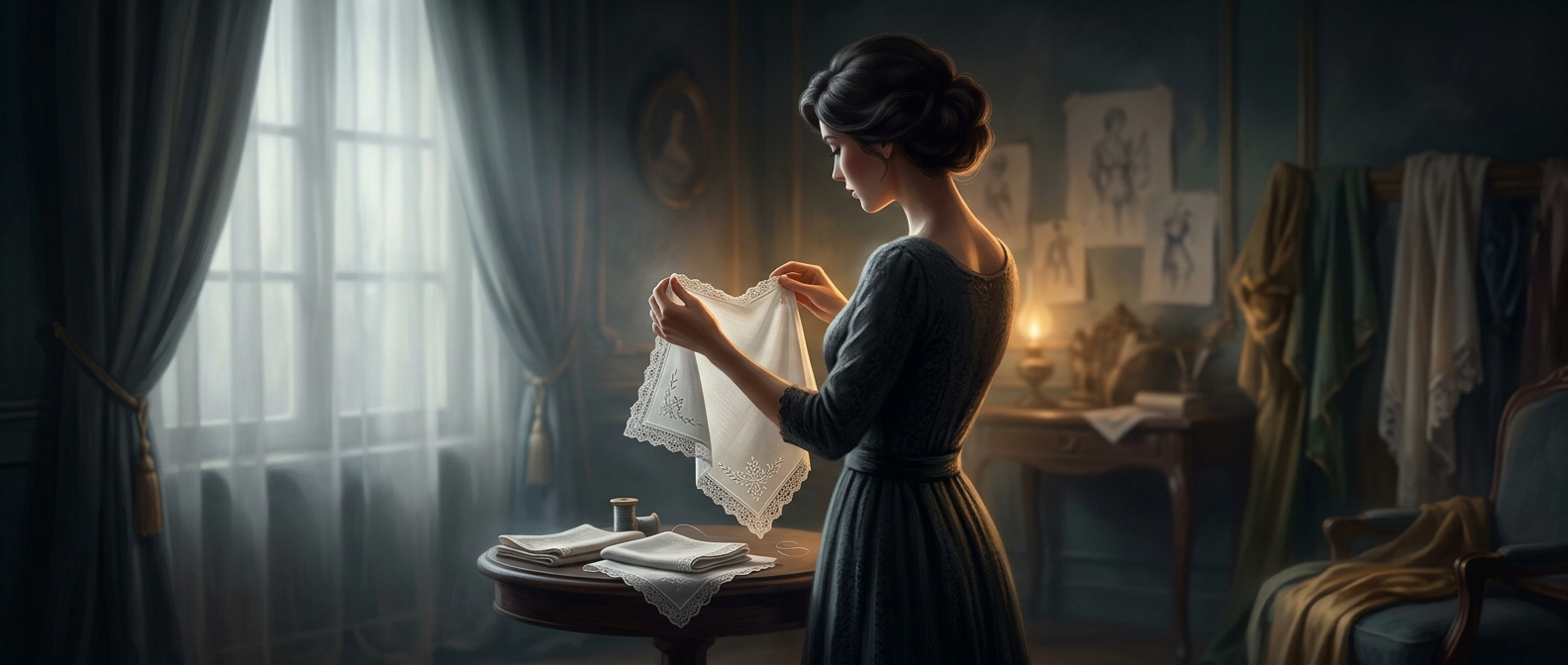
A linen shirt or shift—the simple garment worn next to the body—absorbed much of the sweat and skin oil that would otherwise reach a tunic or gown. Linen could be washed more readily than bulky outer clothing, though laundering it still meant laborious work: soaking, scrubbing, rinsing, and drying. Aprons and other practical coverings added another barrier, catching stains from cooking, crafts, and daily chores.
Wool layers, meanwhile, could often be aired, brushed, or spot-cleaned rather than fully washed after every use. That did not make them immune to dirt, and practices varied with a household’s means and circumstances. But it helped valuable outer garments last longer between more demanding cleanings.
Cleanliness shaped the silhouette
The result was a wardrobe that worked as a system: washable fabric against the skin, more durable fabric outside, and protective layers where mess was most likely. The arrangement was practical, not merely fashionable. A clean linen layer could also be visible at cuffs or necklines, making the garment’s hidden housekeeping part of its appearance. In effect, medieval dress put the laundry burden on the layer designed to bear it—and spared the costly outer clothing whenever possible.