History
Discover facts about history. Small discoveries that change the way you see familiar things.
History
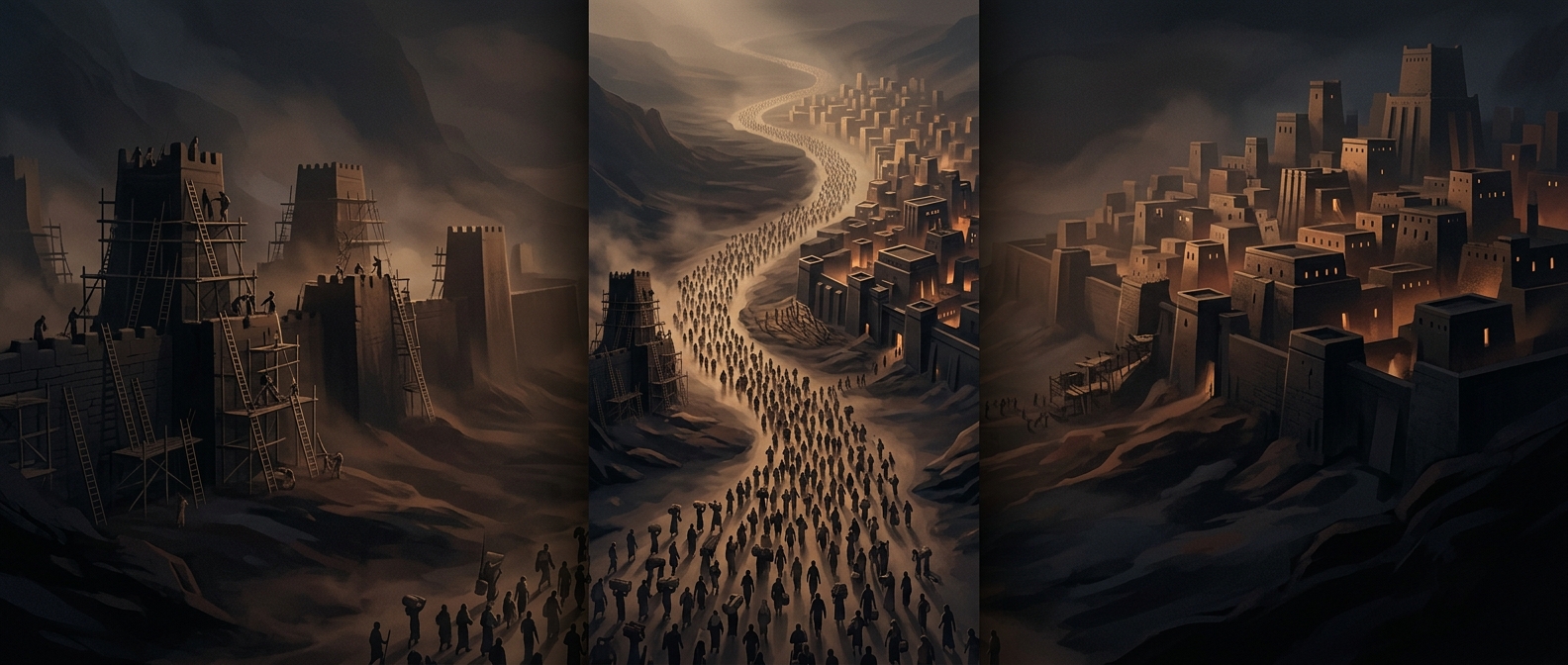
How mass migrations could make cities appear almost overnight
Large groups of migrants could build homes, markets, and defenses together, turning a new settlement into a city with startling speed. The same collective…
Discover more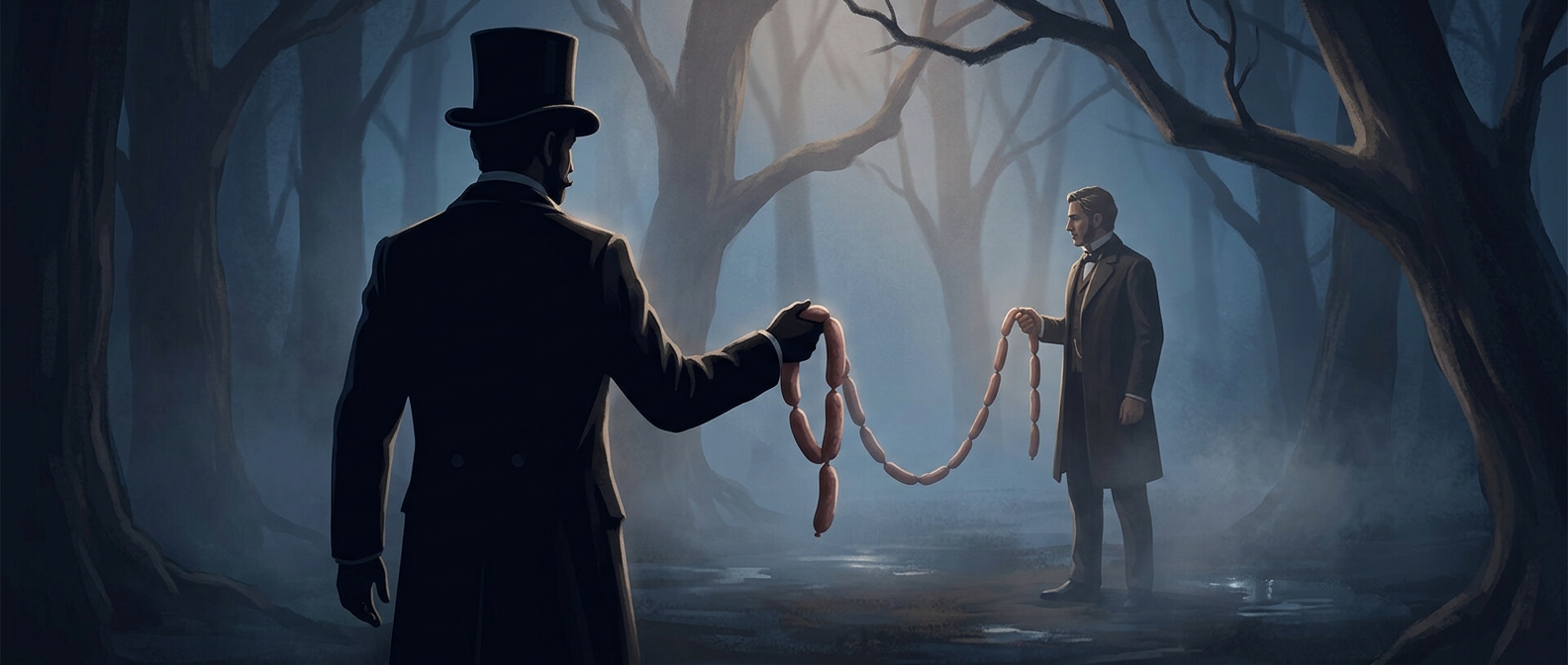
A sausage duel became a legend about beating Bismarck
In the famous anecdote, Rudolf Virchow answers a challenge from Otto von Bismarck by choosing two sausages, one infected with parasites. Each man would have…
Discover moreVictorian London once banned playing noisy instruments in the street but allowed keeping leopards in lodgings if you could afford them.
Walk through Victorian London and your ears might be spared a noisy trumpet—but don’t be surprised if your neighbor has a leopard lounging by the fireplace.…
Discover moreIn medieval France, people were once banned from eating butter during Lent—unless they paid a fee.
Imagine being told not to touch a slice of buttered bread… unless you had the coins to make it ‘holy.’ That was medieval France, where rules of faith were…
Discover more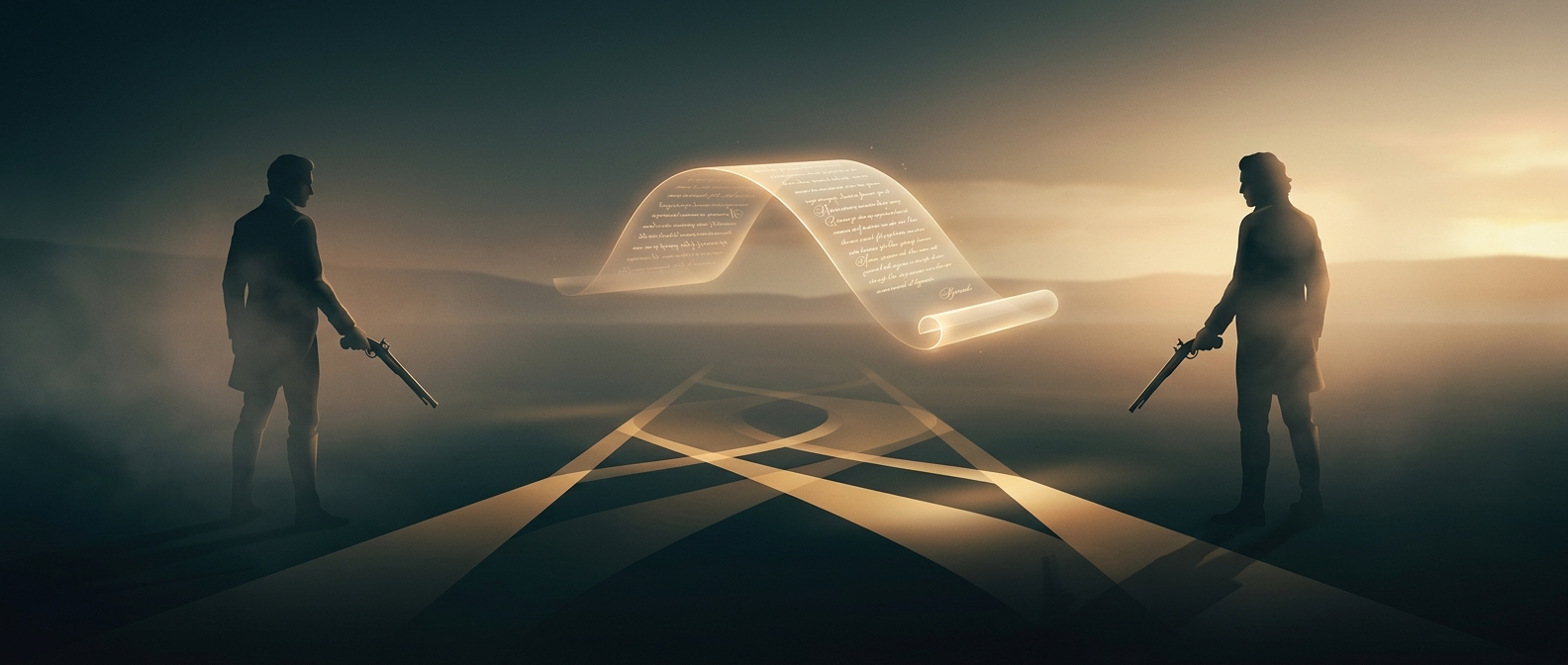
When disagreements were solved by pistols at dawn, codes of honor governed who shot first and last
A duel’s code could prescribe where men stood, how they loaded, and whether an apology could end the matter. Some deliberately aimed wide, preserving their…
Discover more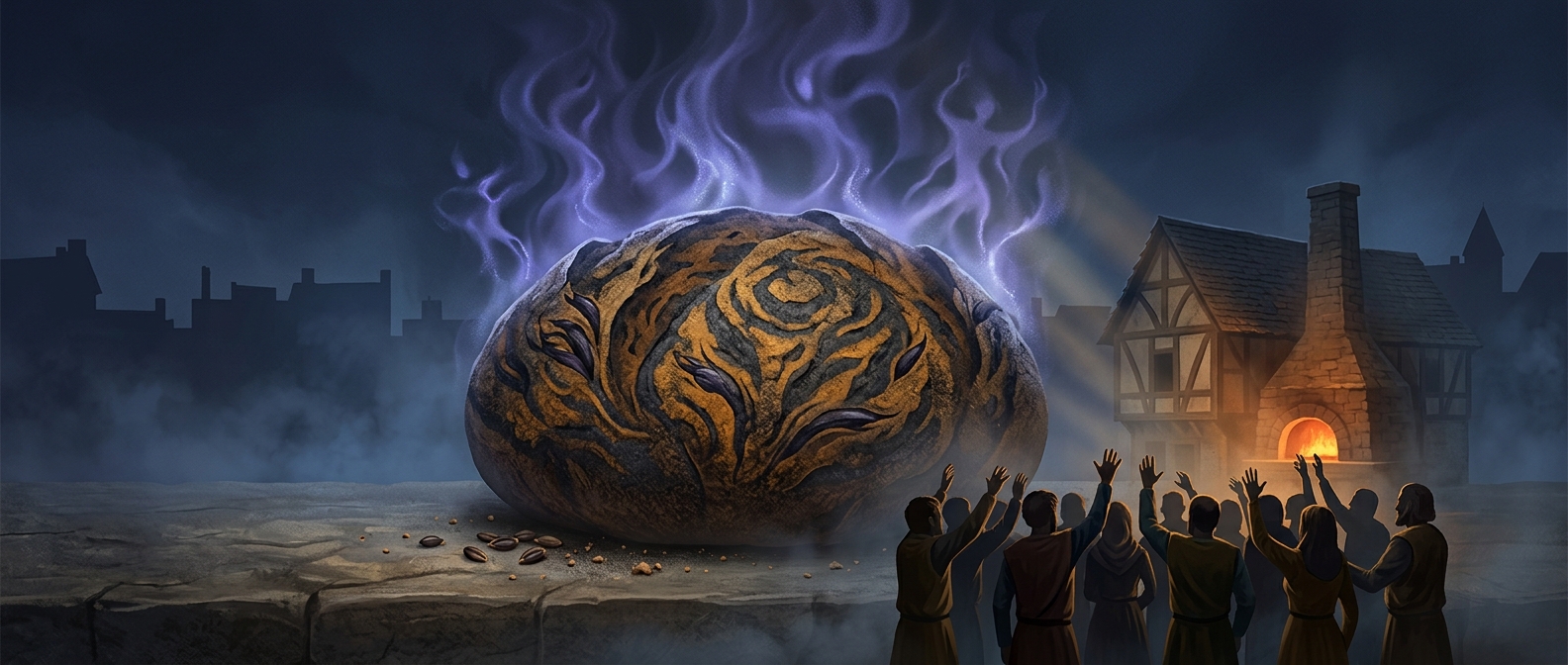
Medieval bread could be deadly
Bread was a daily staple, so ergot-infected grain could expose whole communities to the fungus. It could cause hallucinations and convulsions—and, in severe…
Discover more STACKY FOR IPHONE
A bigger world.
One discovery
at a time.
Keep discovering with Stacky. Interesting facts in an app that is always within reach.
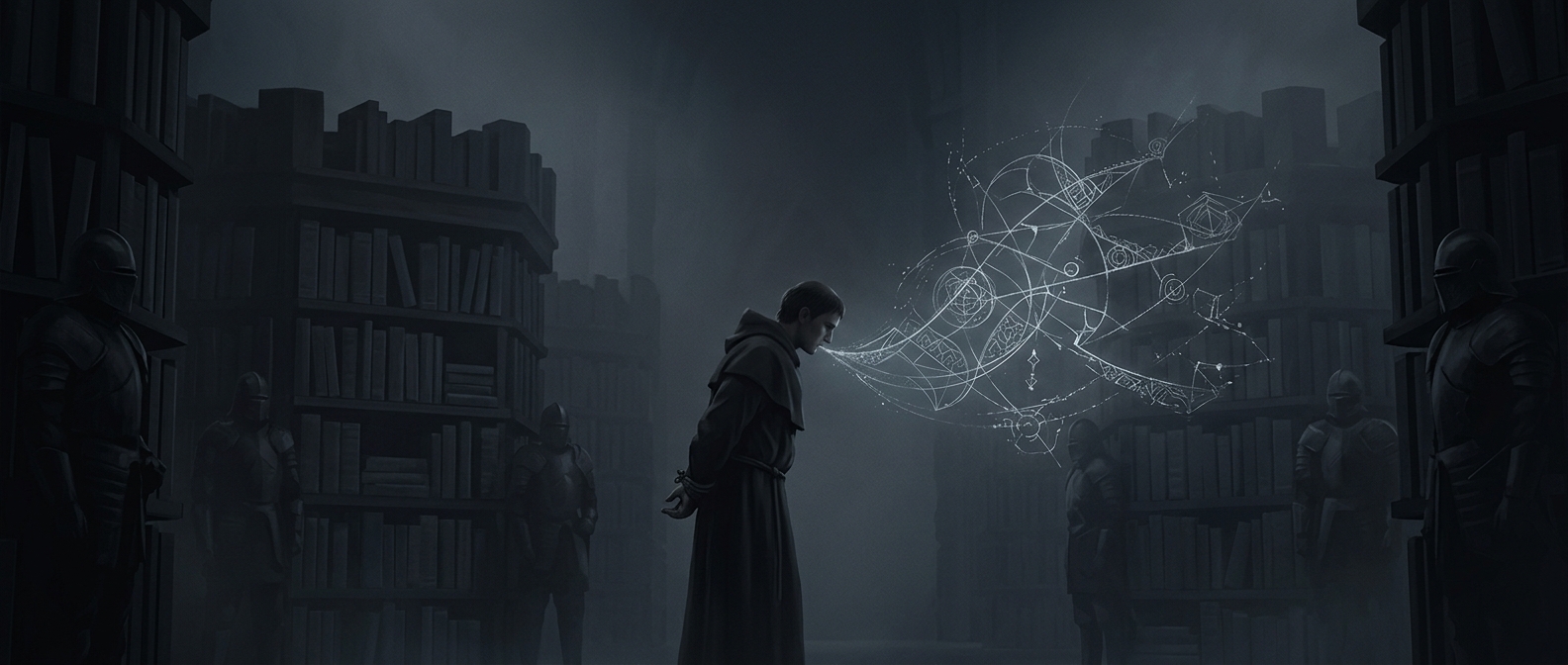
When authorities put ideas on trial
When authorities feared an idea could weaken religious or political power, they could put its advocates on trial for heresy. Punishing thinkers was a way to…
Discover moreUntil the late 1800s in England, suicide wasn’t just tragedy—it was a crime.
It’s astonishing to imagine grief sharpened into punishment. In England, for centuries, a person’s final despair was branded as criminal, with their family…
Discover moreSuffragettes chained themselves to fences, smashed windows, and staged hunger strikes—not just peaceful petitions.
When we picture the road to women’s voting rights, it’s tempting to imagine polite requests and tidy marches. The truth was far stormier. Suffragettes shook…
Discover moreBefore cell phones, people tried ‘pager watches’ in the 1980s—a wrist device that beeped specific messages.
In the flashy 1980s, people strapped little beeping gadgets to their wrists called pager watches. These curious devices flashed codes and short messages, long…
Discover moreIn medieval Europe, some cities banned throwing banana peels, rotten food, or chamber pot waste out the windows after people slipped to death on dirty streets.
Picture a medieval street: pigs rooting through garbage, chamber pot waste dripping from second‑floor windows, and every step a hazardous gamble. The problem…
Discover moreIn ancient Sparta, teenagers were sent into the wilderness alone with a knife, expected to steal and survive as proof of grit.
For a Spartan teenager, survival was a final exam—with no classroom walls, only forests and shadows. Armed with a knife and their own cunning, they learned to…
Discover moreTea bags were created entirely by accident when a merchant shipped tea in small silk bags and customers assumed they were meant to be dunked, sparking a global invention that…
One curious misunderstanding can change the way the world sips its tea. In the early 1900s, an American merchant sent out samples tucked into dainty little…
Discover more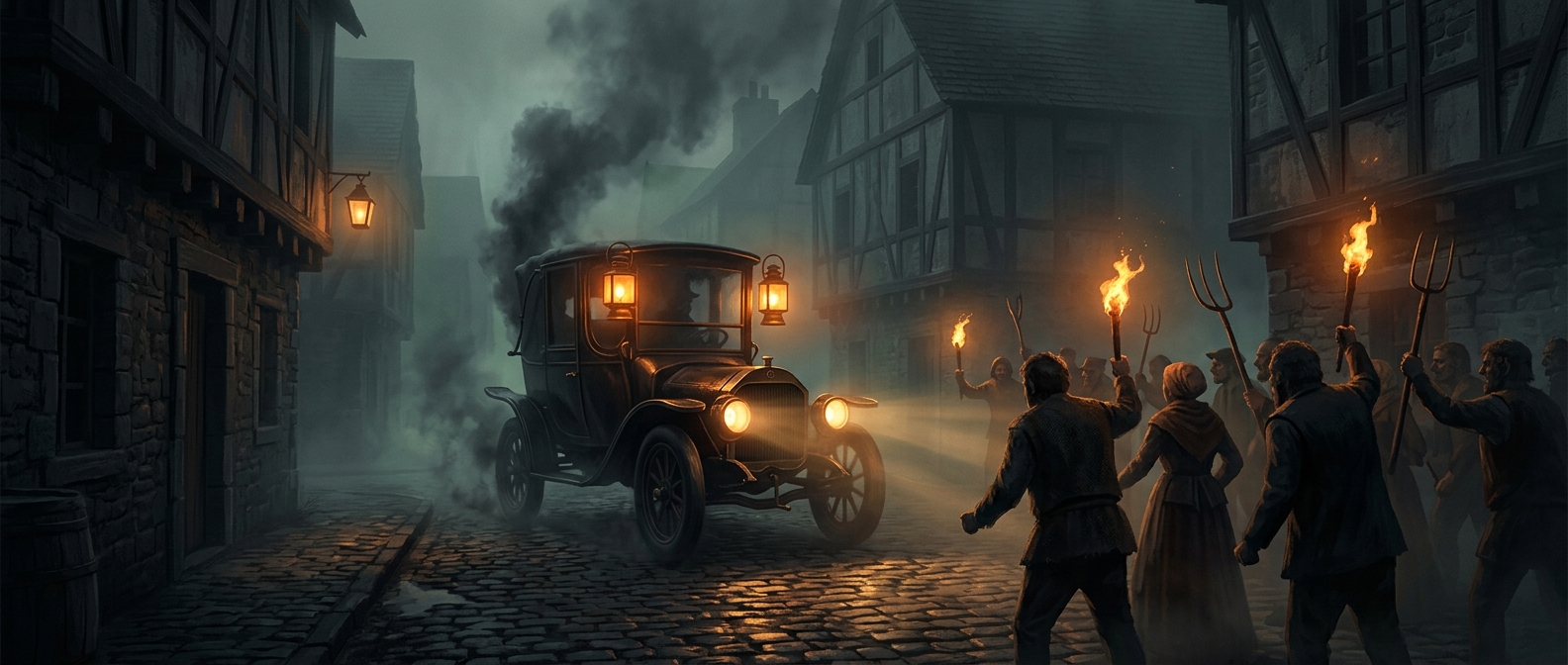
When cars were treated like dangerous beasts
Early motorcars were loud and unfamiliar, and their noise spooked horses, so some laws made them crawl behind a person waving a red flag. Within decades, the…
Discover more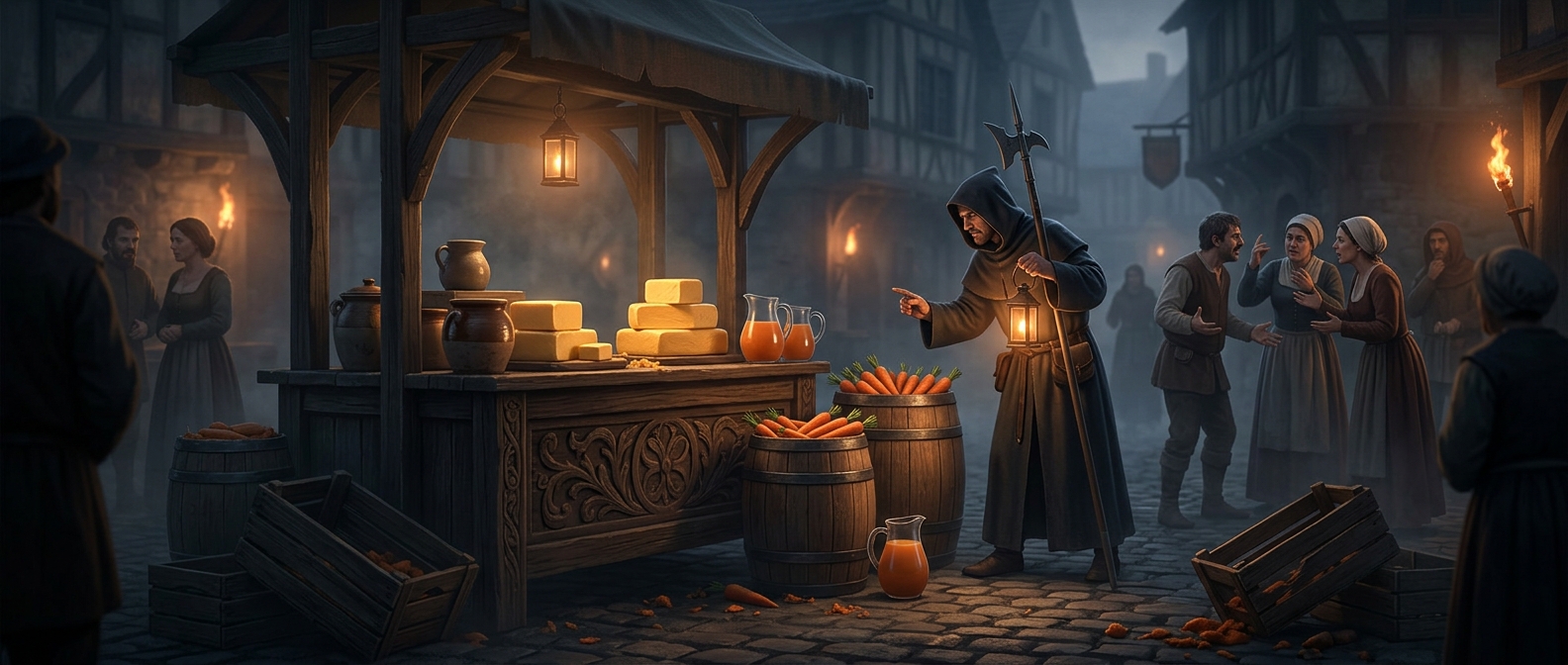
America once fought over whether margarine could look yellow
Dairy interests pushed taxes and restrictions against the butter substitute, and many states barred yellow coloring. Some even demanded conspicuous pink…
Discover moreVictorian doctors once warned women against reading novels, claiming imaginative stimulation could derail morals.
Picture this: a young woman curled with a book, and a doctor shaking his head in disapproval. In Victorian times, novels were feared as dangerous sparks that…
Discover more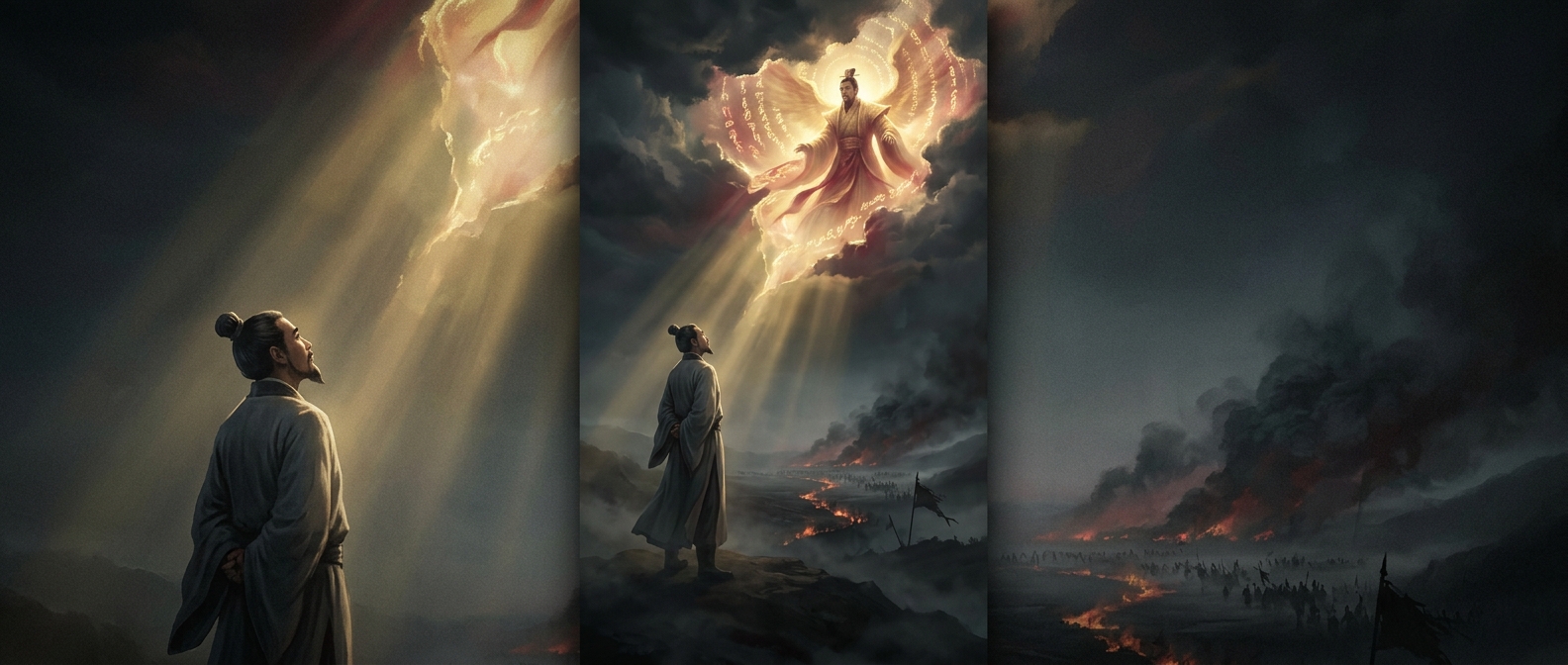
A dream helped spark a rebellion that killed millions
Hong Xiuquan said visions revealed a divine mission and cast him as Jesus’s younger brother. His claim helped turn a religious movement into the Taiping…
Discover moreSome of the most repeated historical ‘facts’ turn out fabricated: Napoleon wasn’t that short, Vikings didn’t wear horned helmets, and Marie Antoinette never spoke of cake; the…
History is full of stories—but not all of them survived intact. Napoleon, contrary to caricatures, stood quite average in height. Viking helmets? They were…
Discover moreWarfare innovations that once shocked the world ripple silently into our lives: trench watches became wristwatches, radar saved pilots but later guided microwaves, and jet…
Some of the devices on your shelf trace their roots to battlefields. Soldiers strapped tiny trench watches to their wrists for synchronization—soon, everyone…
Discover more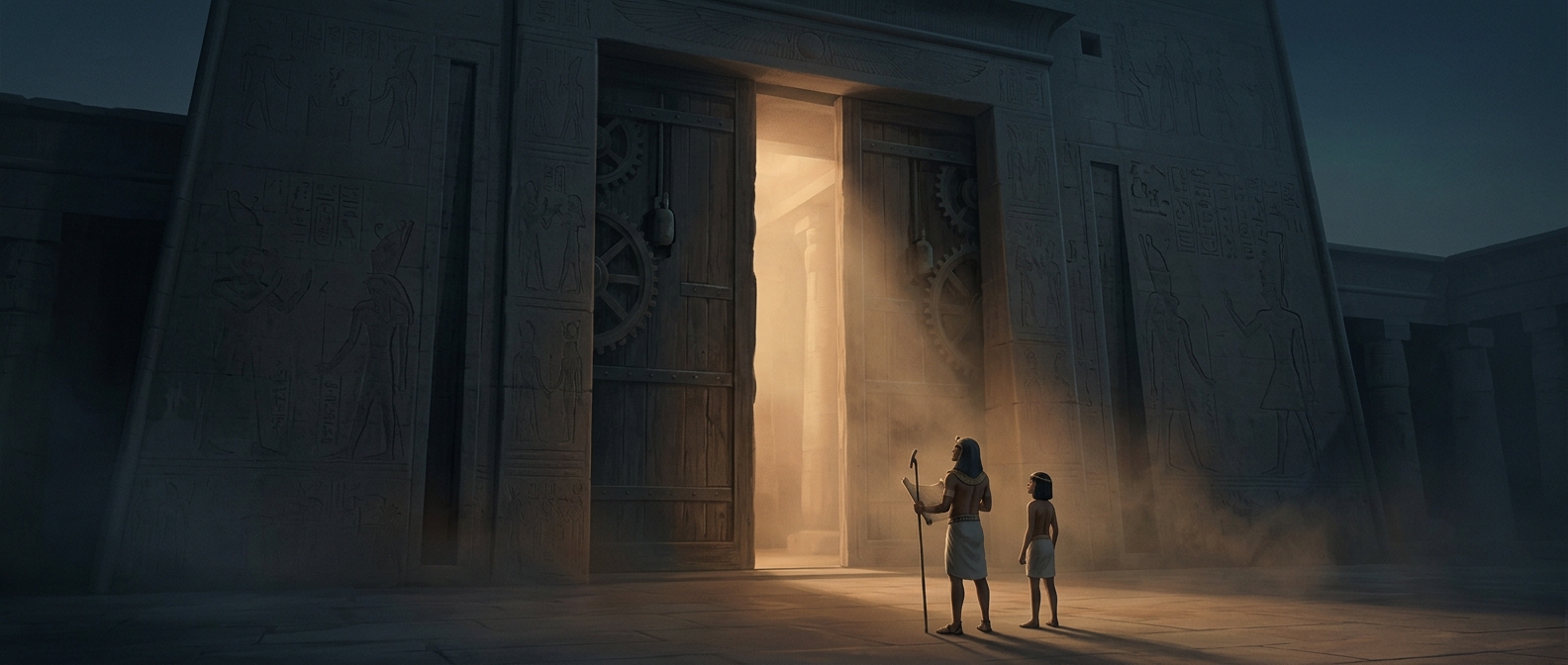
An ancient engineer designed doors that answered an altar fire
Hero of Alexandria described heating air in a hidden vessel to push water into a suspended container. As it grew heavier, ropes and pulleys turned the temple…
Discover more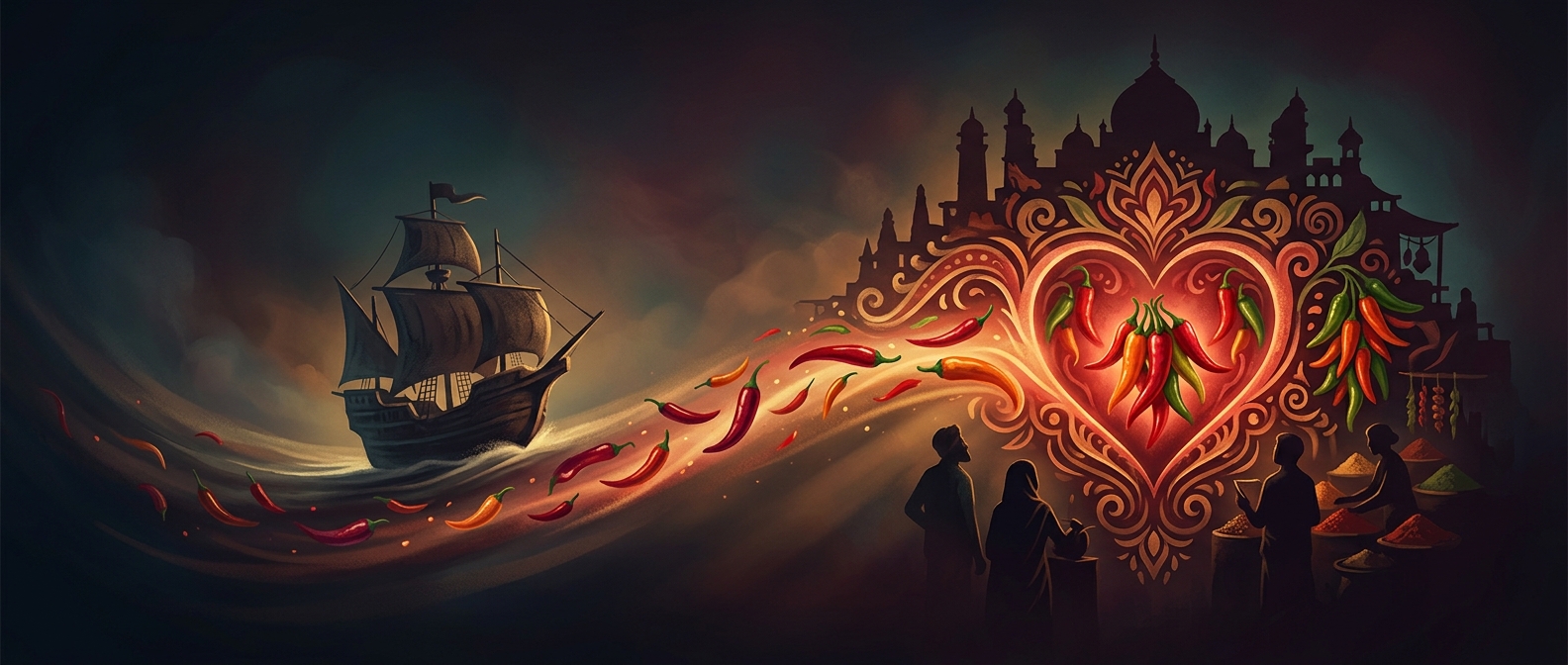
How chili peppers conquered Asian cuisine
Portuguese traders carried chili peppers from the Americas to Asia in the 16th century. They were easy to grow and brought intense heat, so they spread from…
Discover more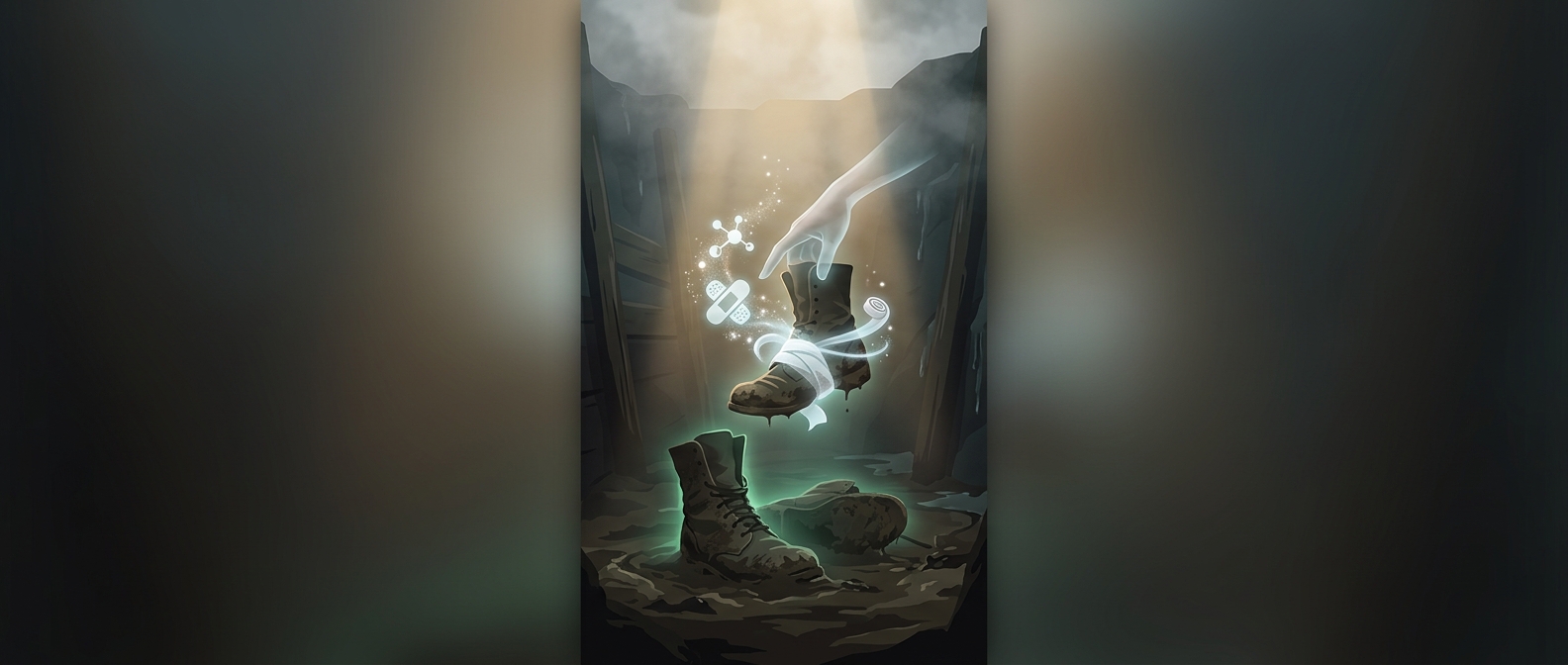
How Trench Foot During World War I Created Emergency Innovations in Soldier Hygiene and Foot Care
In flooded trenches, cold water kept boots and socks wet long enough to damage skin and invite infection. Commanders ordered soldiers to dry their feet twice…
Discover moreKing Tut’s tomb became the world’s most famous archeological find, but less known is how rumors of a 'Curse of the Pharaoh' spread, linking deaths of archaeologists to ancient revenge.
When Howard Carter pried open the doors to King Tut’s tomb in 1922, he found dazzling treasures glittering in the torchlight. Yet alongside wonder, a darker…
Discover moreIn 19th-century Britain, it was illegal to impersonate a mailman, punishable by prison.
Yes, it’s true—pretending to be a mailman in 19th-century Britain could land you behind bars. Why such a peculiar rule? Because letters were lifelines. They…
Discover more