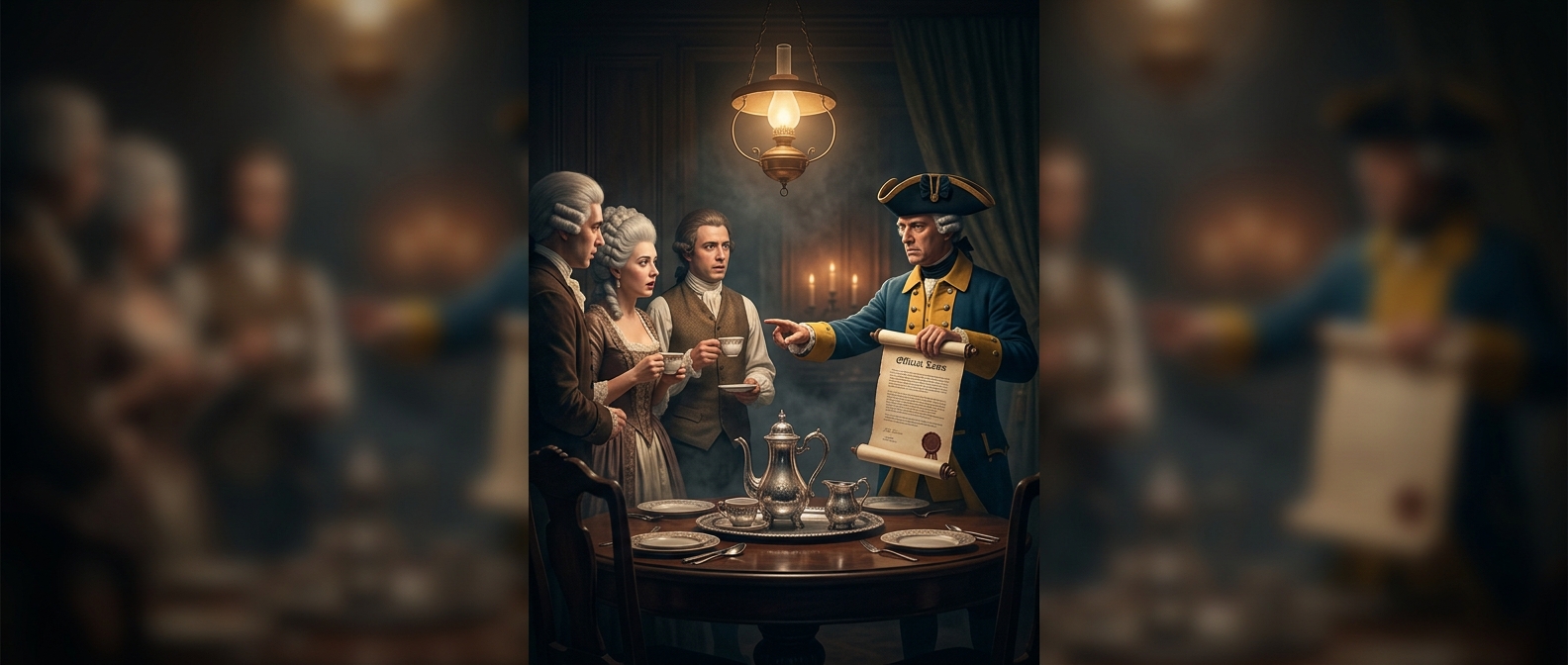
Why a false uniform threatened the post
A postal uniform was more than work clothes: it signaled that its wearer had access to letters entrusted to the state’s delivery network. In an era before telephones, a letter might carry a family message, a business instruction, or money. Someone posing as a postman could use that borrowed authority to collect mail, intercept it, or steal valuables sent inside.
The danger was not simply that one letter might go missing. People had to be willing to hand their correspondence to strangers and trust that it would reach the intended recipient. If anyone could convincingly claim to be an official carrier, that confidence—and the usefulness of the service—could be damaged.
A specific crime, not just a strange costume
Britain’s postal laws treated impersonation as a practical threat because it could make other offenses easier. A disguise could help a thief gain access to mail or deceive people who were expecting a delivery. The law therefore protected the public’s ability to recognize legitimate postal workers, rather than treating a uniform as an ordinary garment anyone could adopt.
This reflected the post’s growing importance in everyday life. As communication and commerce depended on reliable delivery, postal authority had to be recognizable and accountable. A uniform helped identify the carrier; penalties for impersonation backed up that signal with legal force.
Trust was part of the infrastructure
The rule reveals a concrete vulnerability in a society connected by paper: the system depended not only on routes, sorting, and timely journeys, but also on strangers honoring the chain of custody. A forged identity could turn the very sign of trustworthy delivery into a tool for theft. Protecting the postman’s identity was one way to protect every letter moving through the network.