How Wartime Tools Found Civilian Uses
War can compress the path from an idea to a widely used device. Governments and military forces put money, skilled workers, and urgent deadlines behind technologies that might otherwise have taken longer to develop. When fighting ends, some of the resulting designs and expertise move into civilian markets—but usually after engineers adapt them for different needs.
A Watch You Could Check Without Letting Go
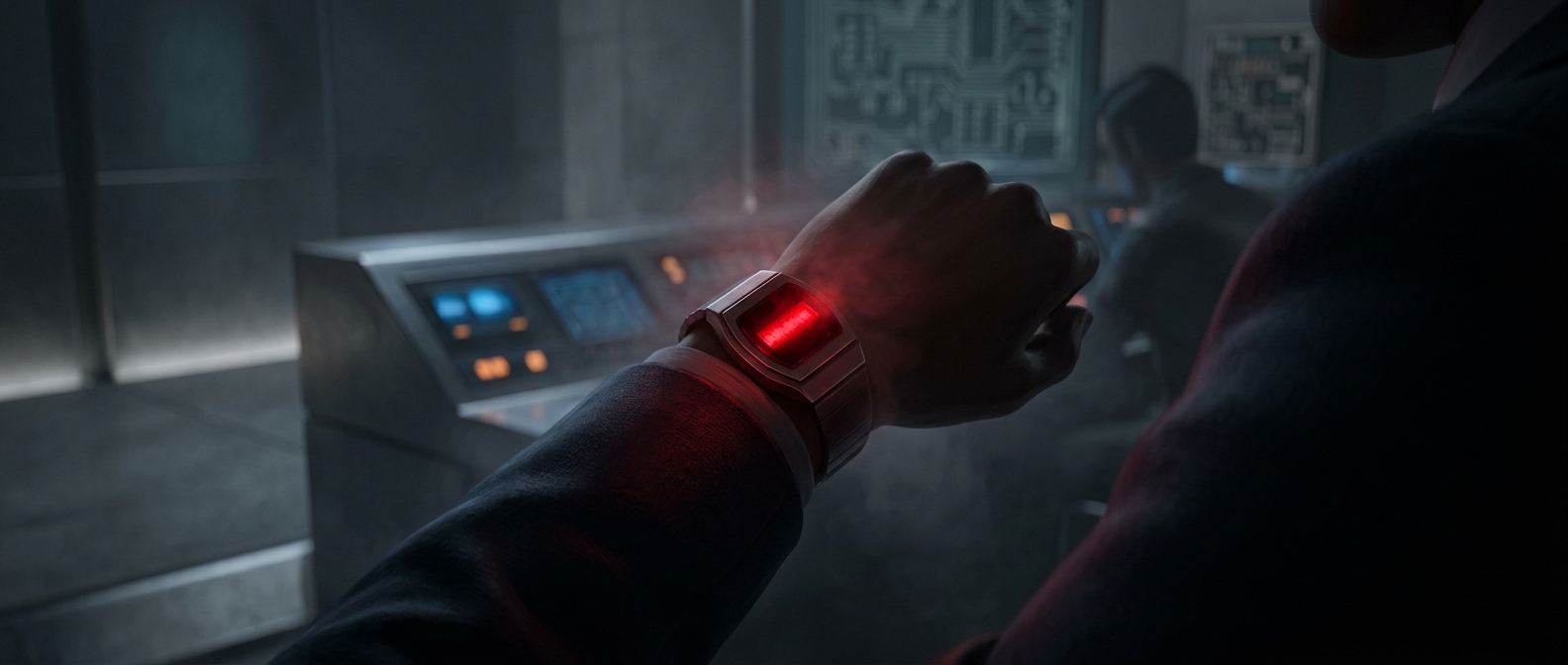
Before the First World War, wristwatches already existed, but pocket watches were more common among men. On a battlefield, checking the time could mean fumbling for a watch while coordinating a movement or operating equipment. Strapping a small watch to the wrist made it easier to read quickly. Wartime demand helped make the form familiar and practical for a much broader public.
The change was not simply a military invention reaching shops unchanged. Manufacturers had to produce watches that ordinary buyers would want and could afford. The battlefield helped make hands-free access to time seem useful; civilian production made it routine.
From Detecting Aircraft to Heating Lunch
Radar sends out radio waves and detects echoes that bounce back from objects. During the Second World War, it became vital for finding aircraft at a distance. Work on powerful radar equipment also helped advance the magnetron, a device that generates microwaves. After the war, engineers adapted magnetron technology for cooking: microwaves excite water and other molecules in food, producing heat inside it.
A microwave oven is therefore a civilian descendant of radar research, not a radar set repurposed to guide food. The shift depended on recognizing that the same kind of energy used to detect distant objects could also heat a meal.
The Long Flight from Military Engines
Jet engines were developed for military aircraft during the Second World War, where speed and performance mattered enormously. Turning that technology into passenger transport required more than putting a fighter’s engine on an airliner. Designers had to build aircraft and engines suited to carrying people efficiently over long distances. The result was a lasting change in travel: journeys once measured in days by slower routes could increasingly be made in hours by air.
These stories show how inventions rarely pass intact from battlefield to home. What travels is a principle, a component, or hard-won engineering knowledge—reshaped until it serves a very different purpose.