Why early cars needed a flag-bearer
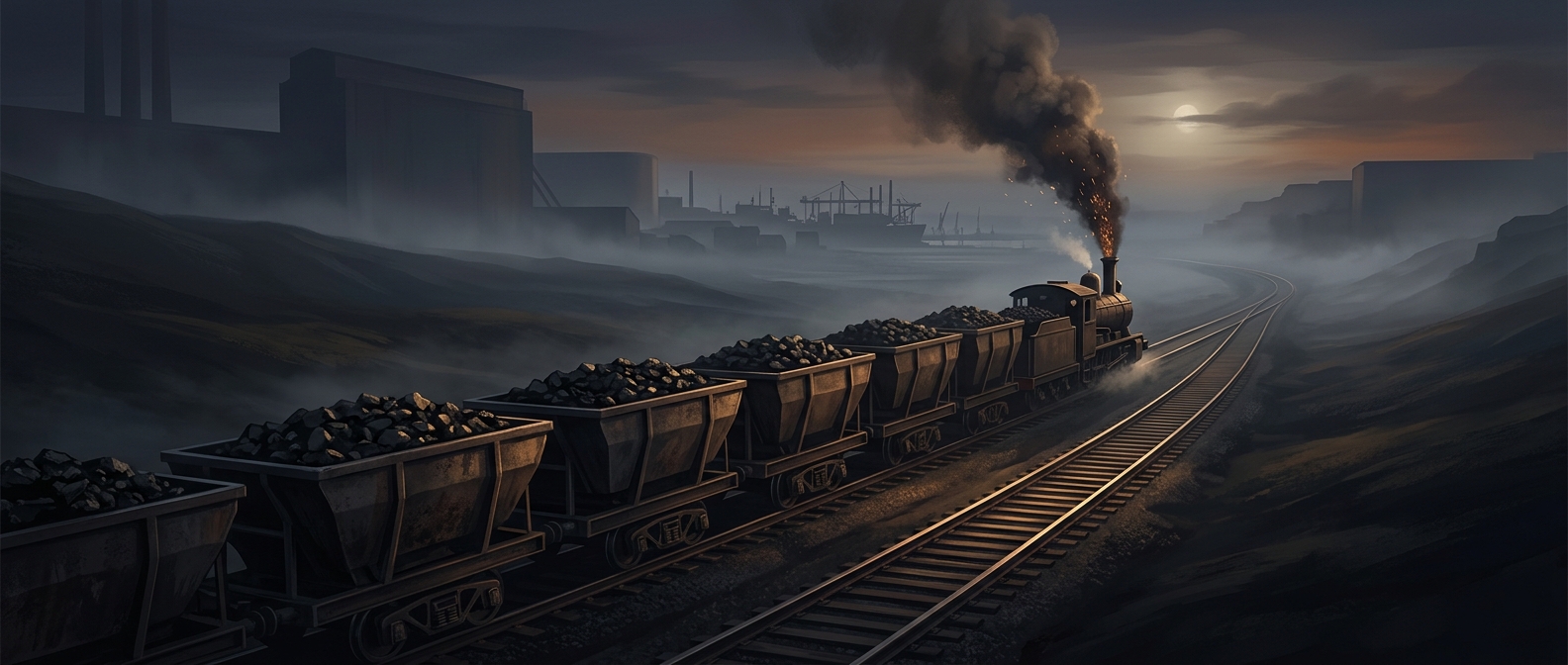
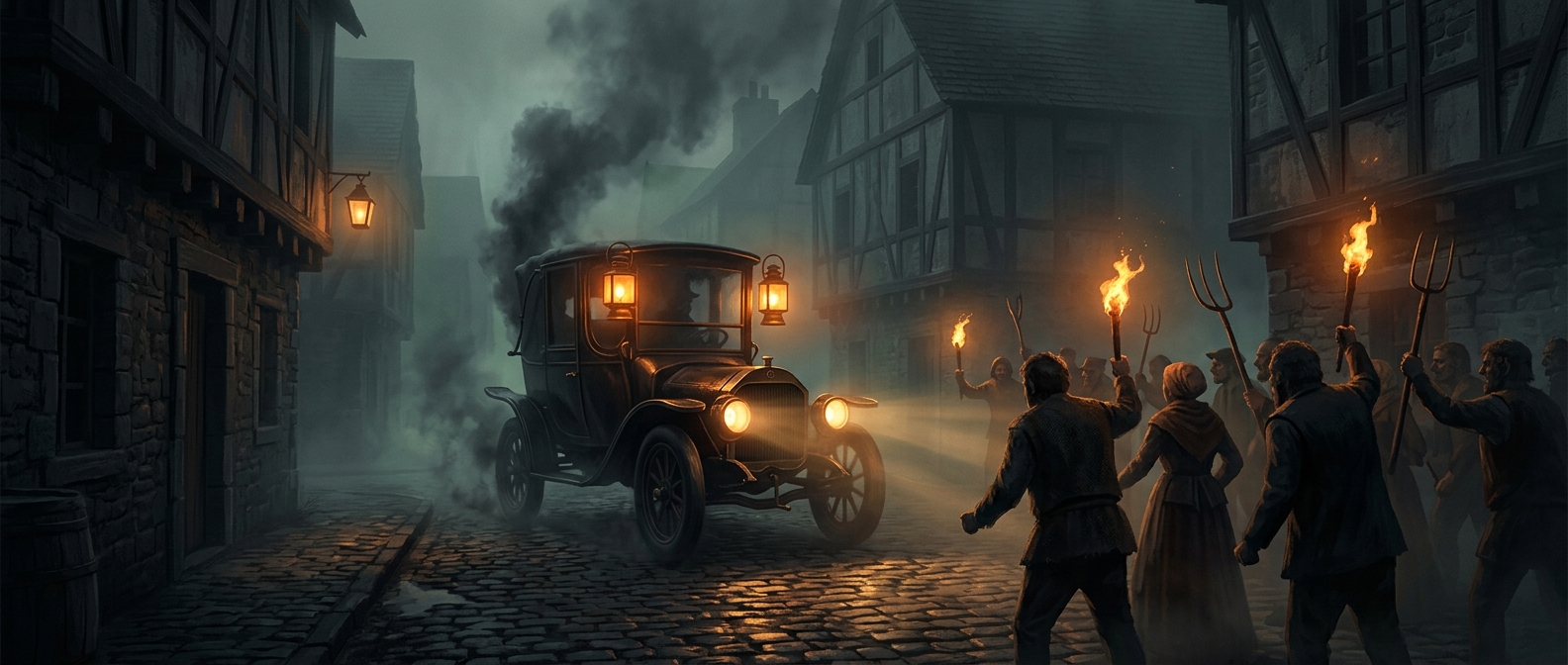
In mid-19th-century Britain, the road was already a shared space, but it was built around horses, carts, and people on foot. A sudden engine noise could make a horse shy or bolt, putting riders, passengers, and pedestrians at risk. Lawmakers treated the new road machines less like ordinary vehicles than like hazards that had to be announced and restrained.
The Locomotive Act of 1865 required a crew of three for certain road locomotives: one person to drive, one to manage the engine, and a third to walk at least 60 yards ahead carrying a red flag. The law also limited their speed. The flag-bearer was a human warning system, meant to give people—and especially horse handlers—time to react before the machine arrived.
A rule designed for one kind of road
The requirement made sense within a transport system where animals supplied much of the power. But it also made motor travel slow and cumbersome: a vehicle could not simply move at the pace its engine allowed. As cars became more practical and support for them grew, Britain repealed the flag requirement in 1896 and relaxed restrictions on road locomotives.
That change did not instantly turn every road into a modern highway. It did mark a shift in what roads were expected to accommodate. Rules first built to protect horse traffic gradually gave way to roads and regulations shaped around motor vehicles—a transformation that helped make long-distance travel by car ordinary rather than exceptional.