A duel turned into a test of appetite
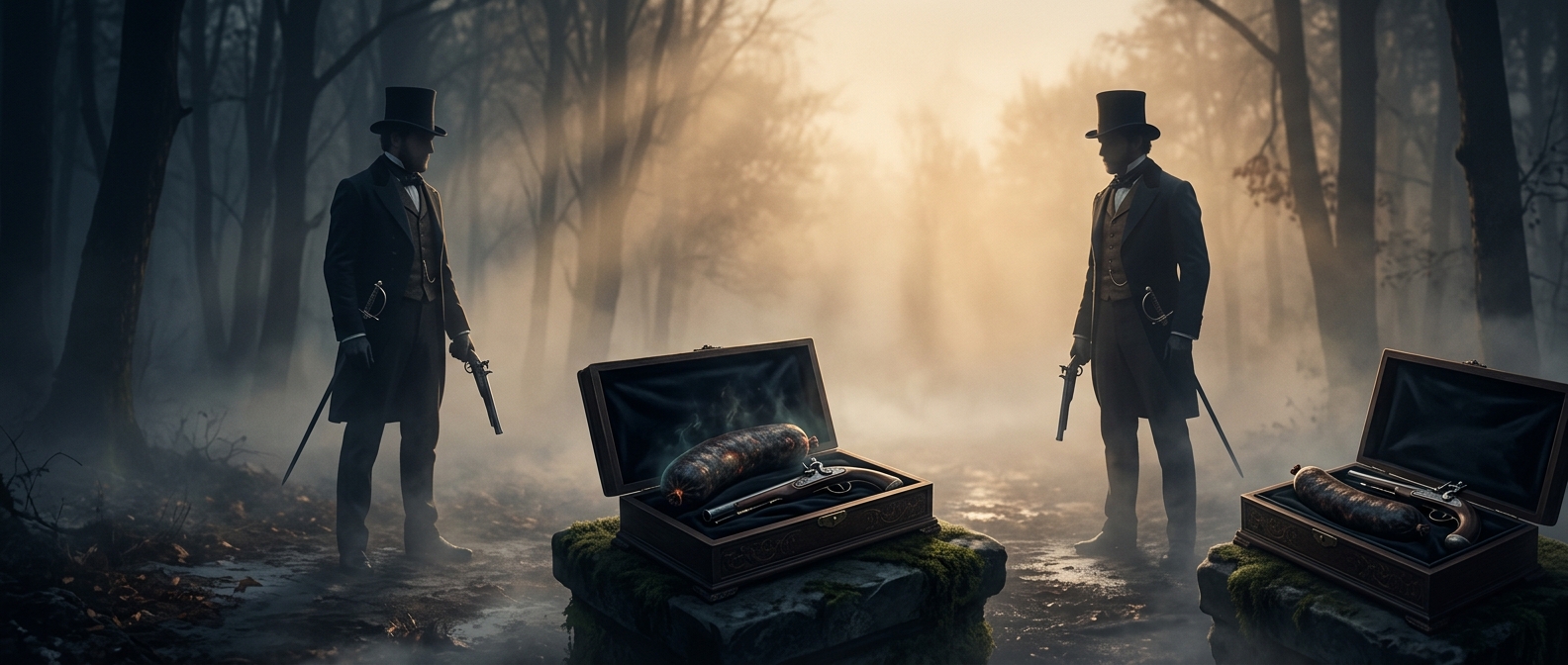
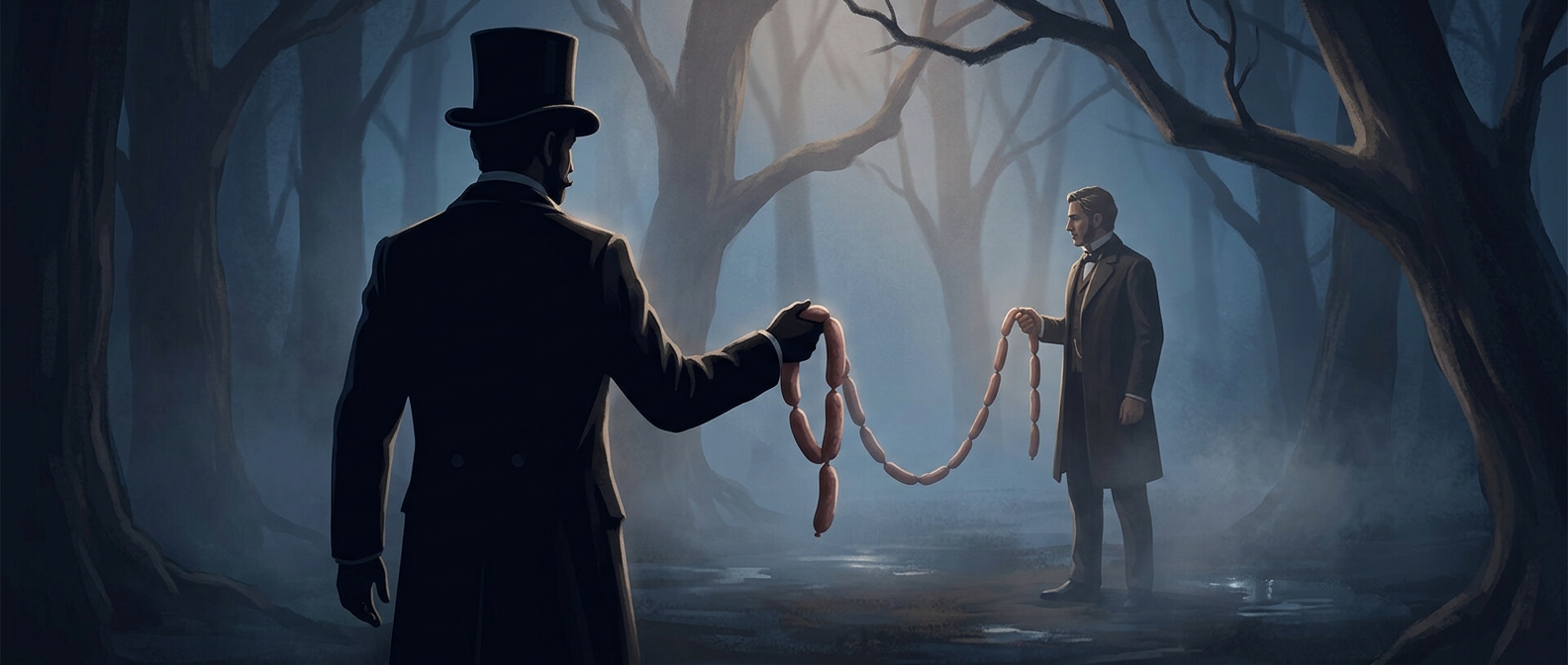
The story works because it changes what a duel is asking its participants to prove. In the usual image of an honor duel, courage means accepting the danger of a weapon. Virchow’s proposed contest makes the danger less theatrical: each man must knowingly take a bite that could make him seriously ill. Once the challenge is framed that way, refusing it no longer looks like simple cowardice. The supposed test of honor has become a gamble with one’s health.
Why a contaminated sausage was a credible threat
The parasite in the anecdote is associated with trichinosis, an illness caused by eating meat containing the larvae of Trichinella worms. The larvae can survive in inadequately cooked meat, then develop in the body and cause illness. A sausage could therefore serve as a compact, believable vehicle for danger—though the story does not specify how the contamination would be identified or what the odds of illness would be.
Virchow was a physician and a prominent advocate of investigating disease, so the choice fits the public image of a scientist who could turn medical knowledge into a weapon. Instead of meeting Bismarck on the terms of a traditional duel, he makes the danger itself the argument.
The punchline is a change in the rules
The anecdote’s force lies less in whether either man would actually have eaten the sausage than in the reversal it imagines. Bismarck’s challenge puts Virchow under pressure to demonstrate courage; Virchow’s answer makes Bismarck face the same demand. The confrontation ends not with a shot, but with a proposed risk so unappealing that the duel loses its grip. In the legend, the scientist wins by showing that an opponent can be challenged without accepting the opponent’s rules.