The scent was part of the banquet’s design
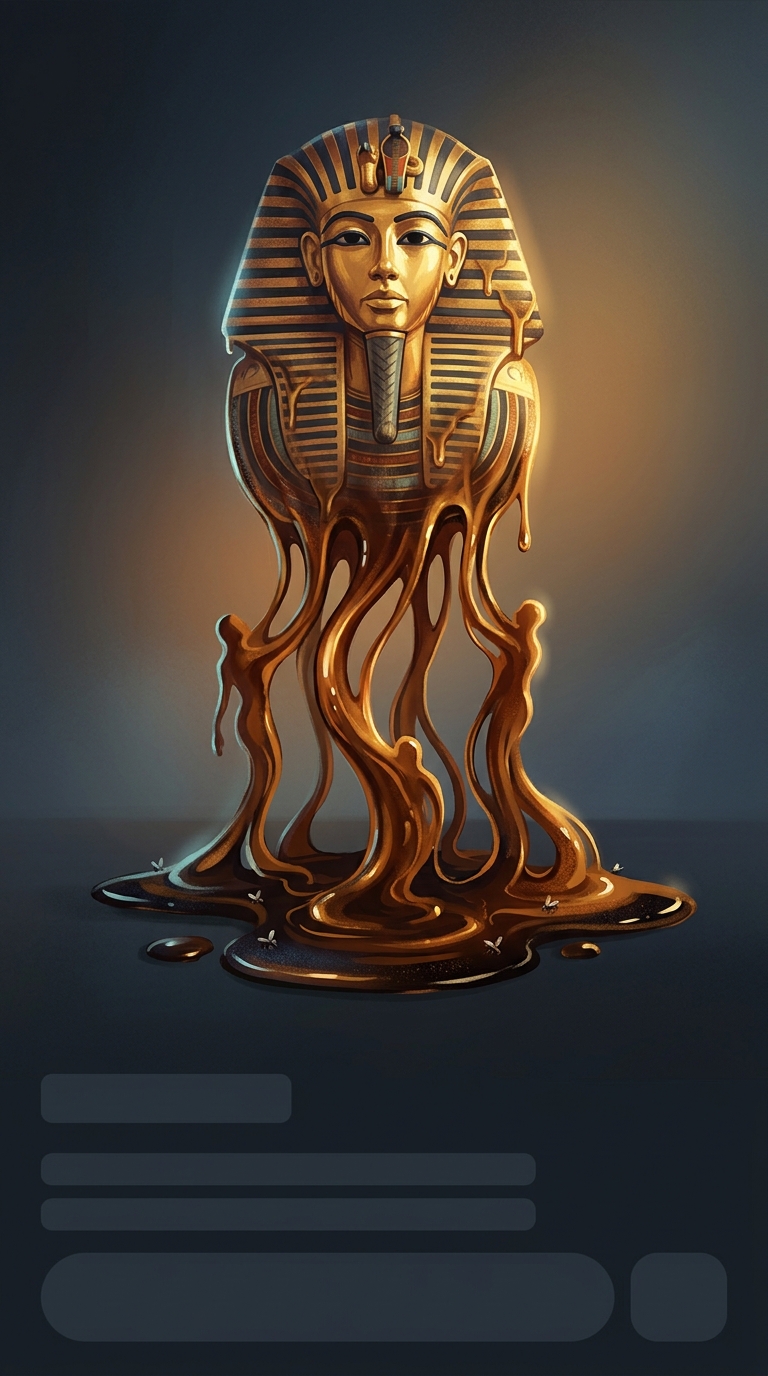
Egyptian banquet scenes sometimes show guests with small cones atop their hair or wigs. These are commonly interpreted as cones of scented ointment: a way to make fragrance part of a gathering, not merely something stored in a jar or applied before leaving home. Perfumed fats could soften in a warm room, allowing their scent to spread as they warmed and melted.
That helps explain why the image feels so vivid. At a crowded feast, fragrance would mingle with the smells of food, flowers, oil lamps, and people. A cone on the head made personal grooming into a visible—and potentially shared—sensory effect.
What the pictures can and can’t tell us
The cones are known chiefly from ancient Egyptian art, so their appearance in a scene does not prove exactly how every banquet worked. Whether guests literally wore cones that melted over them, or whether the images use the cones as a conventional way to signify perfume, remains uncertain. They were not burning candles: the proposed mechanism is softening scented material, not a flame.
Perfume also carried associations beyond pleasant smell. Scented oils were used in grooming and could signal refinement and abundance. At an elite feast, fragrance on the body would help turn comfort and luxury into something guests could experience across the room. Even if the pictures compress reality into a neat symbol, they preserve a memorable idea: in Egyptian banquet imagery, perfume was not just worn—it was made part of the occasion.