When the Rations Failed, the Work Stopped
The tomb builders at Deir el-Medina were not paid mainly in coins. The state supplied them with regular grain rations—the staple food their households depended on. When those deliveries fell badly behind during the reign of Ramesses III, the delay was not a minor bookkeeping problem: it meant workers could not reliably feed their families.
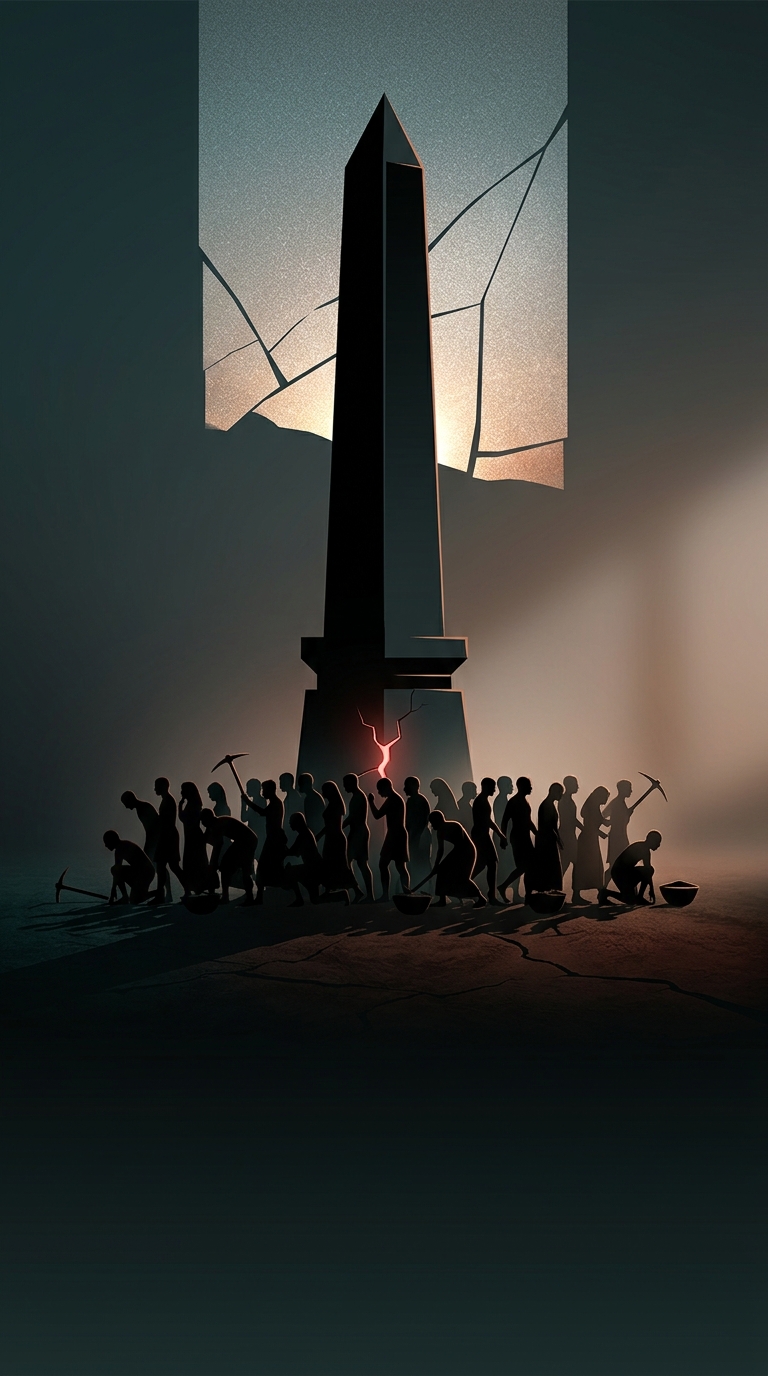
Records describe the crew laying down its tools and leaving the worksite. The men went to nearby temple precincts and made their complaint to officials, repeating the protest when the promised supplies did not arrive. Their action is often described as the earliest recorded labor strike, though what survives is an account of a particular dispute, not a complete record of every worker’s experience.
A Walkout That Pressured the Officials
The builders’ leverage came from the importance of their work and the visibility of their protest. They were skilled state employees constructing royal tombs; stopping work made the failure of the payment system impossible to ignore. By gathering in public religious spaces and demanding their rations, they turned an administrative delay into a problem officials had to address.
The episode also shows how labor could be organized in an economy where wages arrived as food rather than cash. When grain was the paycheck, withholding labor was a direct way to insist that the state meet its obligation.