When the grain stopped arriving
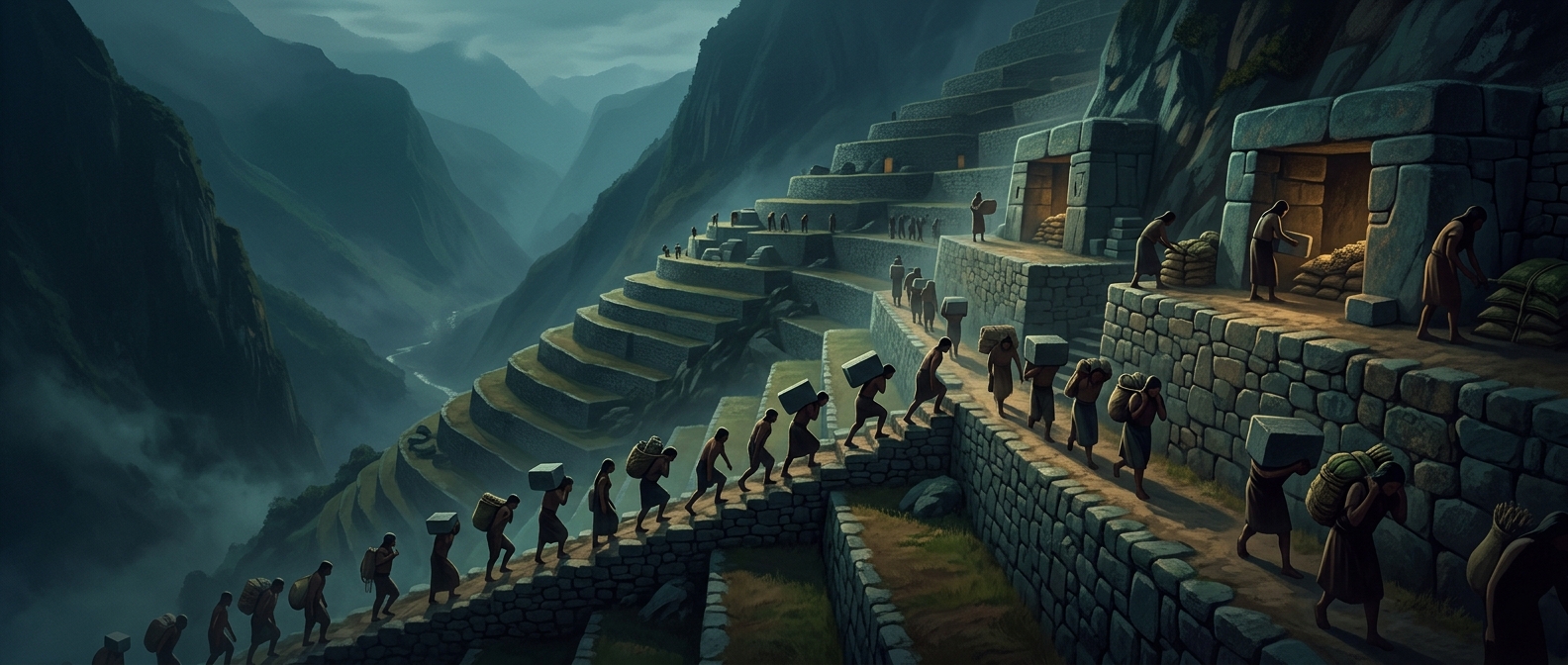
The workers’ protest at Deir el-Medina was not a walkout over a modern-style paycheck. The community’s skilled craftsmen built and decorated royal tombs, and the state commonly paid them with rations of grain—the staple from which families made bread and beer. When those deliveries fell behind, the workers faced a direct threat to their household food supply.
A work stoppage becomes a record
In the 29th year of Pharaoh Ramesses III, the workers repeatedly stopped work and moved into or near nearby temple complexes to press their complaint. A local official recorded their petitions and the government’s responses on papyrus. Those documents preserve an unusually detailed account of workers explaining that they had gone hungry and demanding the provisions owed to them.
The episode is often called the first recorded labor strike because the surviving records describe organized workers withholding their labor to force action. It was not necessarily the first protest of its kind; it is the earliest one known from written evidence.
Why grain mattered
In a society where wages could be paid in goods rather than coins, a missed ration was more than a bookkeeping delay. Grain was food, a store of value, and something a household could exchange for other necessities. By stopping work together, the tomb builders made the cost of withholding their rations visible: royal burial projects could not proceed normally while their skilled laborers were unpaid.
Their protest shows how an ancient workforce could use collective action—and why, in this case, the missing necessity was grain.