How youthful protest could weaken a throne
A monarch’s authority rested on more than the ruler’s title. It also depended on officials carrying out orders, soldiers enforcing them, and communities accepting the existing political order. When young people protested in large numbers, they could expose how much that acceptance had eroded.
Youthful anger mattered not simply because protesters were young, but because they could make discontent visible and difficult to dismiss as a private dispute among elites. Demonstrations, refusals to obey, or unrest in public spaces could draw in other groups and put pressure on the people a ruler depended on to govern.
From public anger to a change of ruler
Protest did not automatically topple a monarch. Its political force grew when it disrupted ordinary life or persuaded influential insiders that keeping the ruler in power was more dangerous than replacing them. Officials might withdraw support; rival members of a ruling family might press a claim; or a leader might step down to contain a wider crisis.
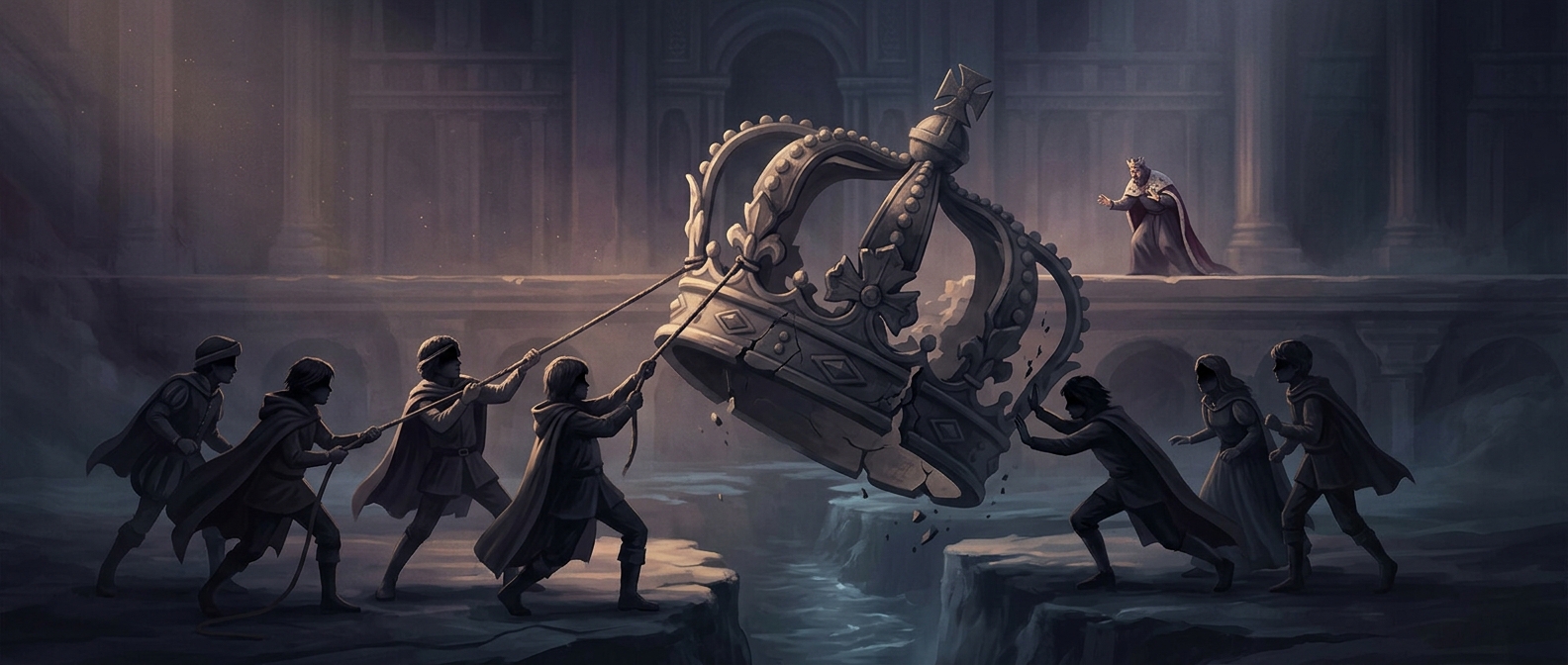
That distinction matters: a youthful movement could help force a ruler out without itself taking control of the state. The successor might come from the same dynasty, preserving the institution even as the person on the throne changed. The challenge was to the old order’s claim that authority could continue unchanged—not always to monarchy itself.