Why manure could have a place in Roman religion
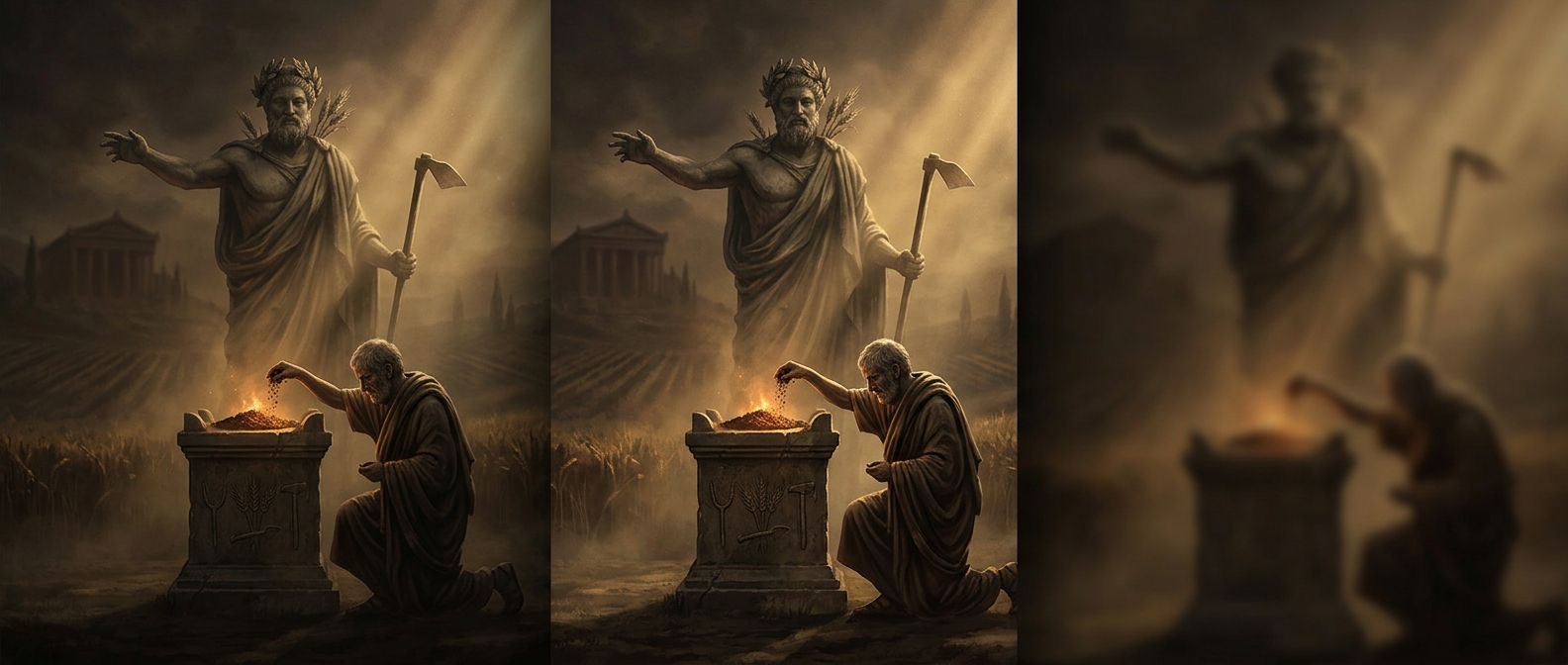
Roman religion made room for divine powers associated with the work that kept households and farms going. Sterculius was linked to stercus, the Latin word for dung. That connection reflects a practical reality: before manufactured fertilizers, farmers depended on organic material—including animal waste—to return nutrients to fields.
Manure was not simply spread wherever it was convenient. Farmers had to gather and handle it, often alongside bedding straw and other plant matter, and put it back into the land. As it decomposed, its nutrients became available to crops. The material that might look like waste in a town could therefore help sustain the next season’s food supply.
A sacred role rooted in everyday work
For a farming family, soil fertility was not an abstract concern. Poor harvests could leave a household short of food and seed for planting. Treating a humble but necessary part of agriculture as a divine responsibility gave religious significance to the ordinary labor that maintained the fields.
That is what makes Sterculius memorable: the deity’s association was not with a grand monument or a distant mystery, but with the unglamorous work of turning farm waste back into a resource. In a world where harvests depended on what the soil could produce, even manure had consequences worth taking seriously.