When a Tune Became an Invitation
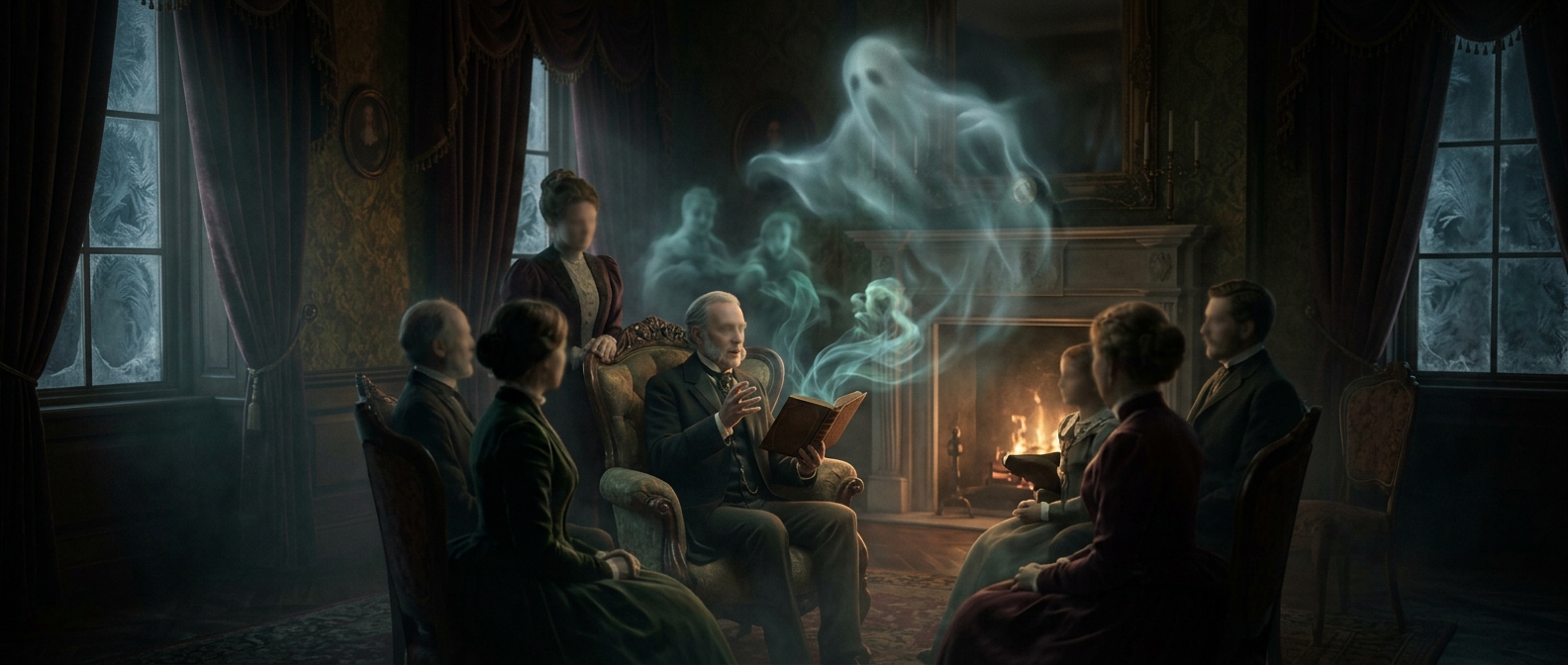
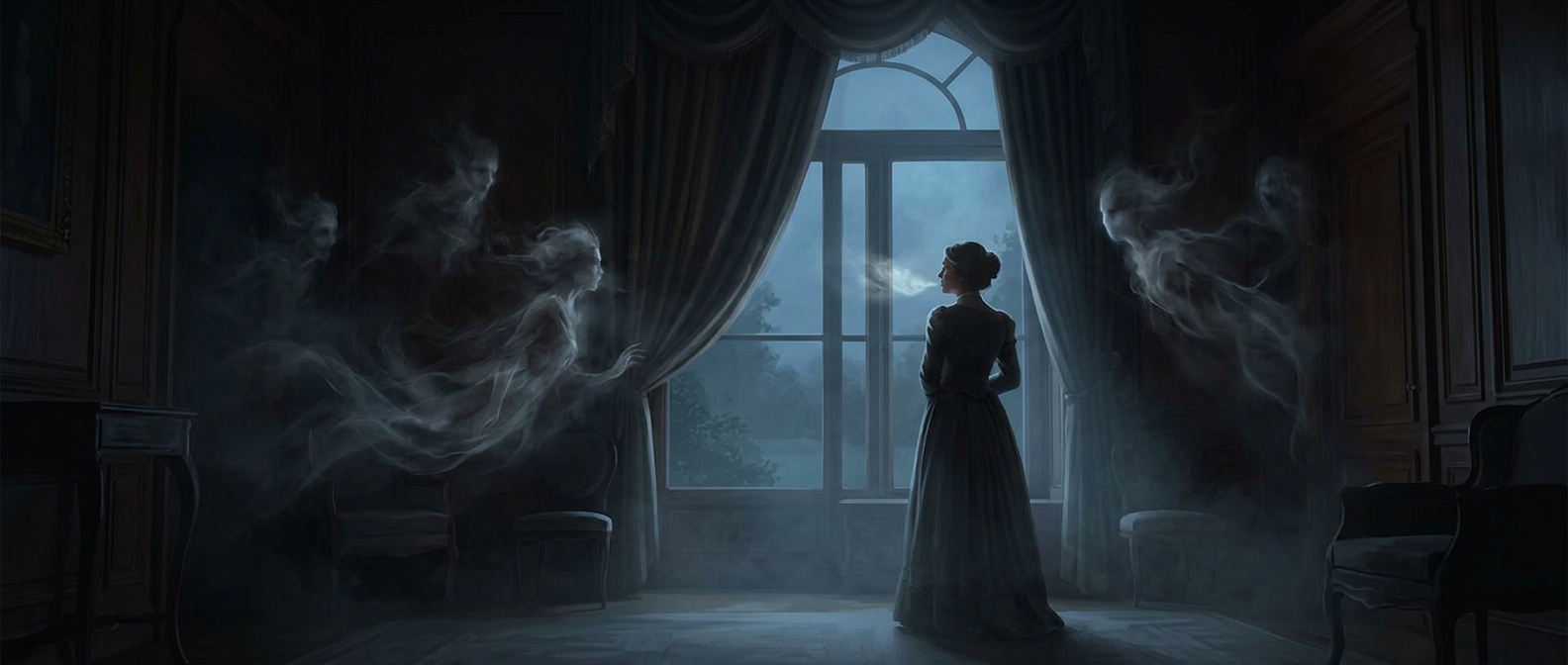
In some strands of folklore, whistling inside a house was more than an irritating noise: it was thought to call malicious spirits into the home. The whistle was treated as an invitation, even if the person making it had no such intention. The belief gave an everyday sound a supernatural consequence.
The Home as a Boundary
The warning makes sense within a worldview in which a household could be vulnerable to forces beyond the visible world. A person whistling might not see or control what the sound supposedly reached; the danger lay in opening a door, figuratively, without meaning to. The home was not simply a setting for the story but the place that needed protection.
Such a saying also turned an abstract fear into a memorable rule: do not whistle indoors. It could discourage the habit for practical reasons, too, while giving the warning a more serious edge. The striking idea is how little was needed to cross the imagined boundary—a tune, made casually in a familiar room, could be treated as a summons.