Why a person on a pole could hold a crowd
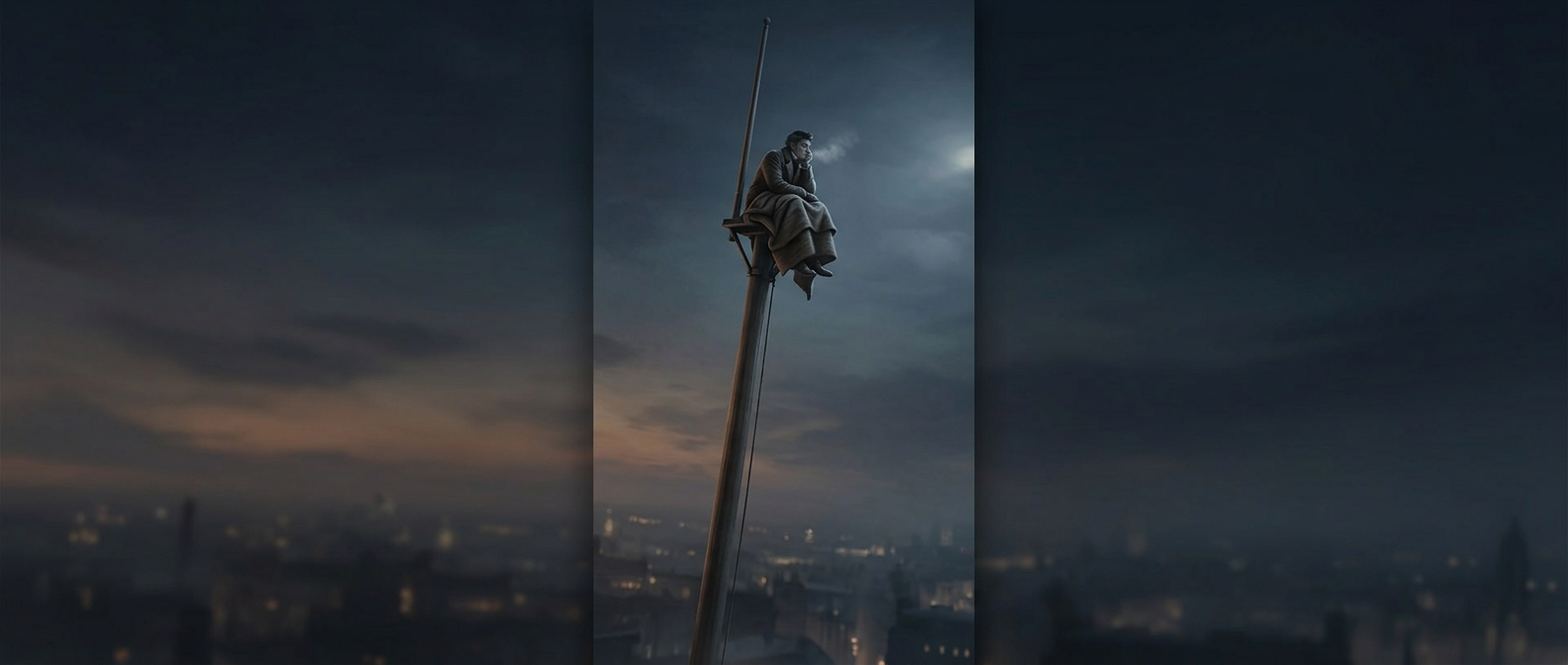
Flagpole sitting made endurance easy to understand at a glance: someone was still perched above the street, and the clock kept running. In the 1920s, promoters and performers turned that simple image into a public test. Unlike a race, it needed no complicated rules or moving action. Passersby could look up, see that the sitter had not quit, and come back later to find the same challenge still underway.
The real contest was staying functional
A sitter was not balancing on the bare tip of a pole. The stunt used a small perch, but that left little room to shift position. Remaining aloft meant coping with stiffness, fatigue, interrupted sleep, and exposure to changing weather. The visible stillness concealed a continuous problem: how to rest and preserve enough comfort and concentration to keep going without climbing down.
That gap between appearance and effort was part of the appeal. To spectators, almost nothing happened; to the person above them, every hour added another stretch of discomfort and another chance to end the attempt. Duration became the score, so a stunt could build suspense without needing a new trick each day.
A spectacle that fed on its own record
The longer a sitter remained, the more the feat invited comparison: would this attempt outlast the last one? Crowds could witness the ongoing effort, while news of its duration gave the event a life beyond the people gathered below. The pole turned endurance into something visible and countable. Its drama was not a sudden leap or finish, but the growing improbability that the person would still be there tomorrow.