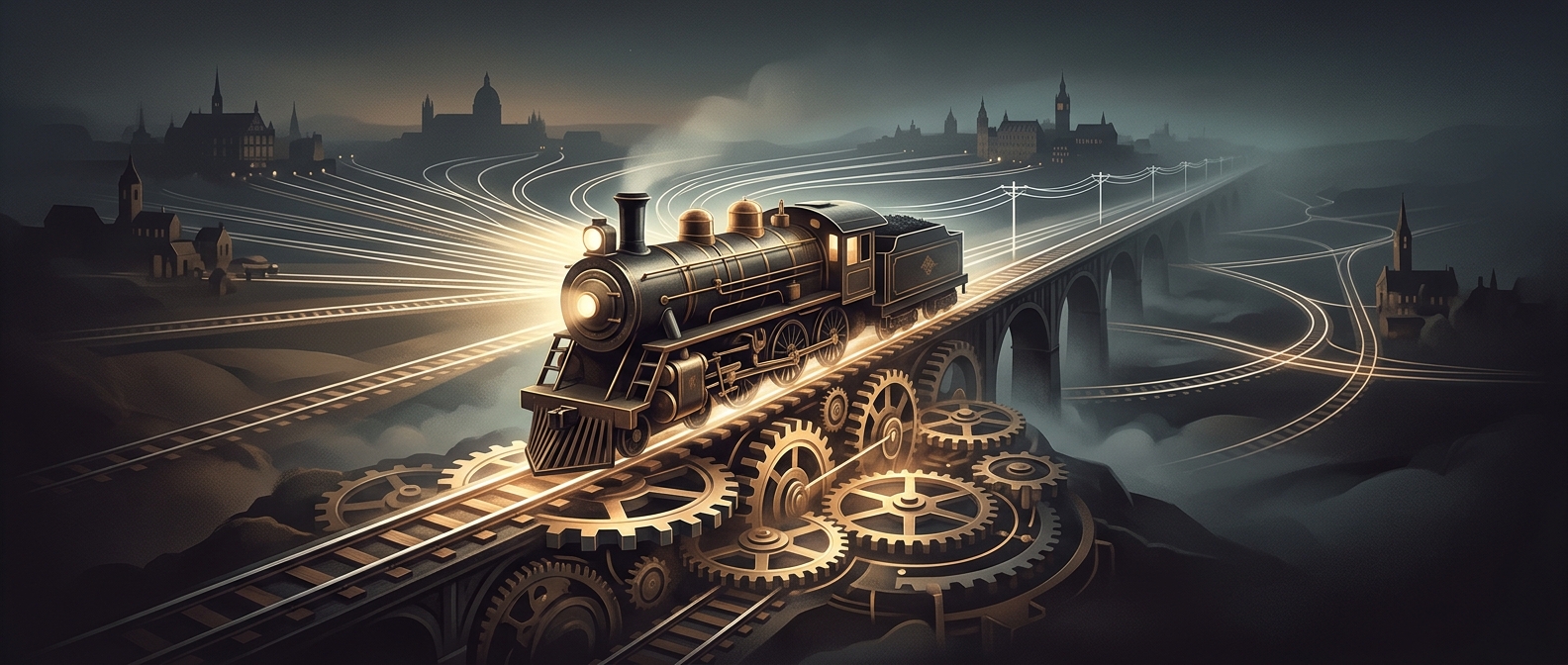
A shortcut beneath the traffic
Before underground railways, crossing a busy city meant sharing its streets with carts, carriages, and pedestrians. A train running below them offered something new: a route that did not have to squeeze through the same jams. For commuters, that could make a cross-town trip faster and more predictable—and the railway itself felt like a glimpse of a modern city.
The tunnel had a price
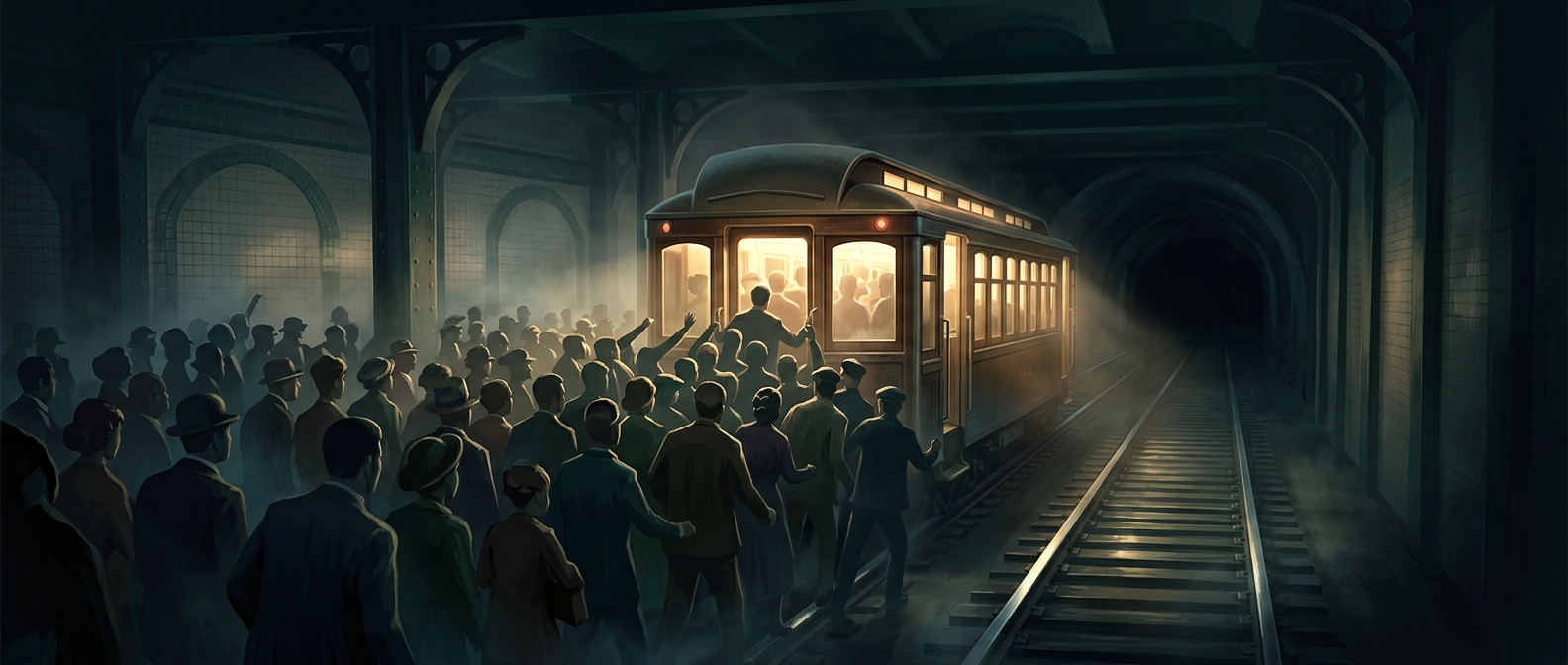
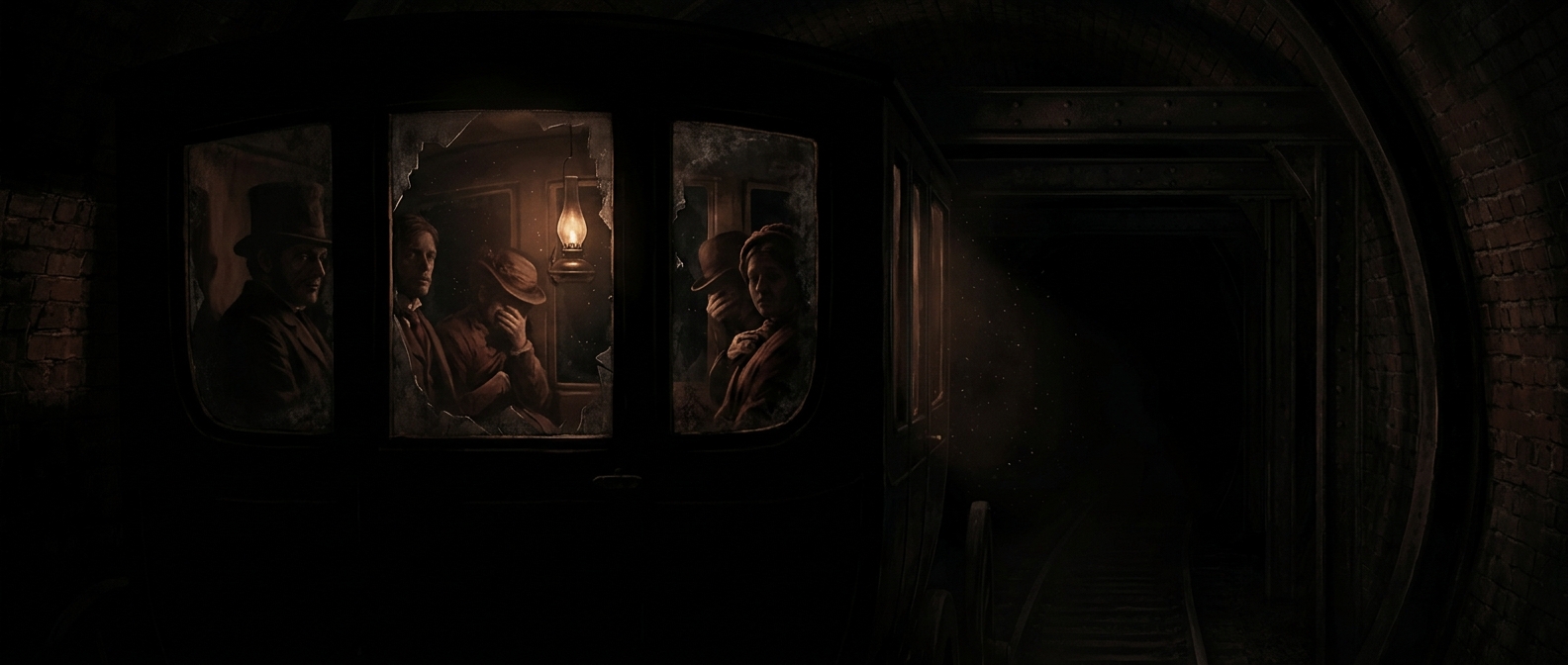
Many early underground lines used steam locomotives. Their engines burned fuel in a confined space, so smoke and heat had to be managed with ventilation shafts and openings to the surface. Those measures helped, but they could not make a tunnel feel like fresh air. Dim light, soot, noise, and the hard, enclosed surroundings were part of the ride.
The engineering also shaped the experience. Some early tunnels were built by digging a trench through the street, laying the railway, then covering it over. This made a line possible beneath the city without deep-boring equipment, but construction disrupted streets above it—and the finished railway remained close to the everyday city it was meant to bypass.
Luxury meant getting there
Calling the service a luxury did not necessarily mean plush seats or a quiet cabin. The attraction was the new combination of speed, regular service, and a direct path through crowded streets. The marvel was less the comfort of the journey than the idea that the city could be crossed underneath itself. Riders accepted the smoke and darkness as the cost of that remarkable shortcut.