Why Railroads Needed the Same Clock
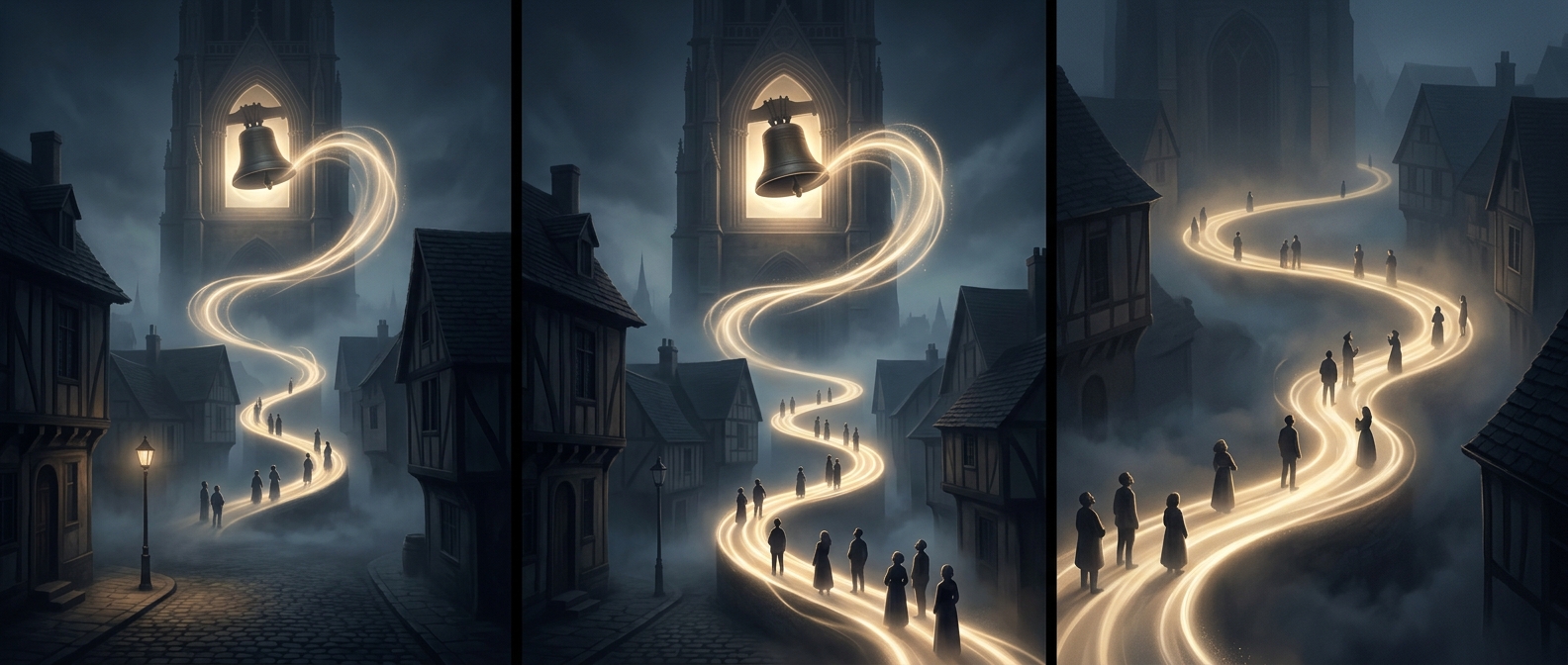
Before standard time, many towns set their clocks by the Sun: local noon arrived when the Sun was highest overhead. Because that moment shifts slightly from place to place, neighboring towns could have different official times. The difference was small, but a railroad crossing several towns could not run a dependable timetable if each station used its own clock.
A printed departure time meant little unless passengers, station staff, and train crews agreed on what the clock showed. Worse, on busy lines, mismatched local times made it harder to coordinate trains moving in opposite directions on shared track. A clock difference could turn a clear schedule into a source of confusion.
From Local Noon to Shared Railway Time
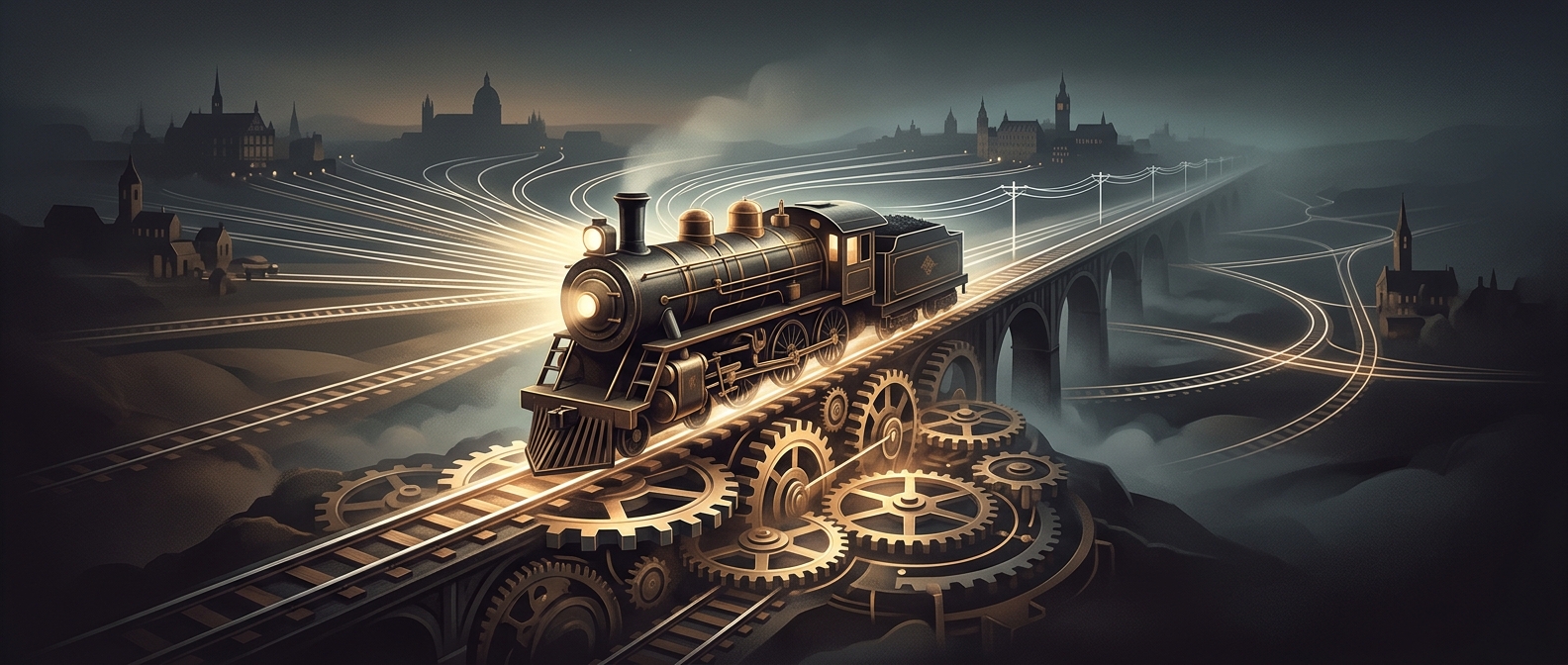
Railroads responded by choosing common times for the areas their trains served. Instead of resetting clocks to each town’s Sun, stations and crews followed the same railway clock. That made departure and arrival times comparable across a route and gave dispatchers a shared basis for arranging train movements.
The system was a practical compromise: the clock no longer matched the Sun exactly in every town, but it made journeys and operations easier to coordinate. As rail networks expanded, separate railway time systems were awkward to reconcile, helping build support for broader standardization into time zones.
A New Everyday Agreement
Standard time changed more than train operations. It asked communities to accept that “noon” could be a clock-defined moment shared across a region, rather than the instant the Sun reached its highest point overhead in each place. The railway timetable helped make that abstract agreement tangible: a train could keep its schedule only if everyone along the line was reading the same time.