A sundial reads the Sun’s position, not the passing hours
A sundial turns the Sun’s daily motion into a moving shadow. Its upright pointer, called a gnomon, casts that shadow across marked lines; as Earth rotates, the Sun appears to cross the sky and the shadow shifts. The markings translate its position into local solar time—the time defined by the Sun’s position at that place, with midday occurring when the Sun is highest.
That makes a sundial a clever outdoor clock but a conditional one. Clouds hide the light that produces a clear shadow, and winter brings short days and a low Sun, which can make readings less convenient even when the sky clears. The dial has not stopped; the signal it depends on is missing.
Keeping time when the shadow disappears
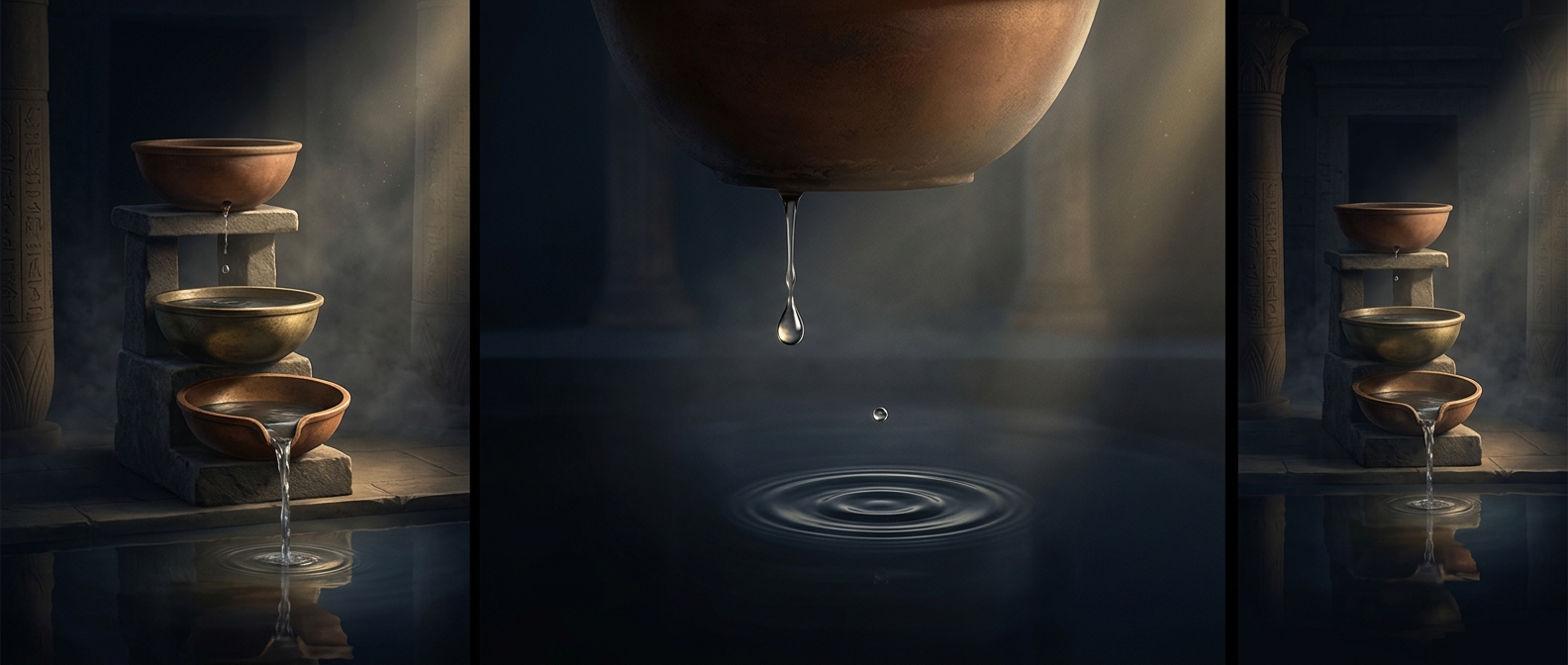
People could turn to other devices, including water clocks, which measured time by the steady flow of water, and hourglasses, which measured a set interval as sand ran between chambers. These did not depend on sunshine, though each had practical limits: a water clock needed tending, while an hourglass had to be turned over and marked only a duration rather than the hour of day.
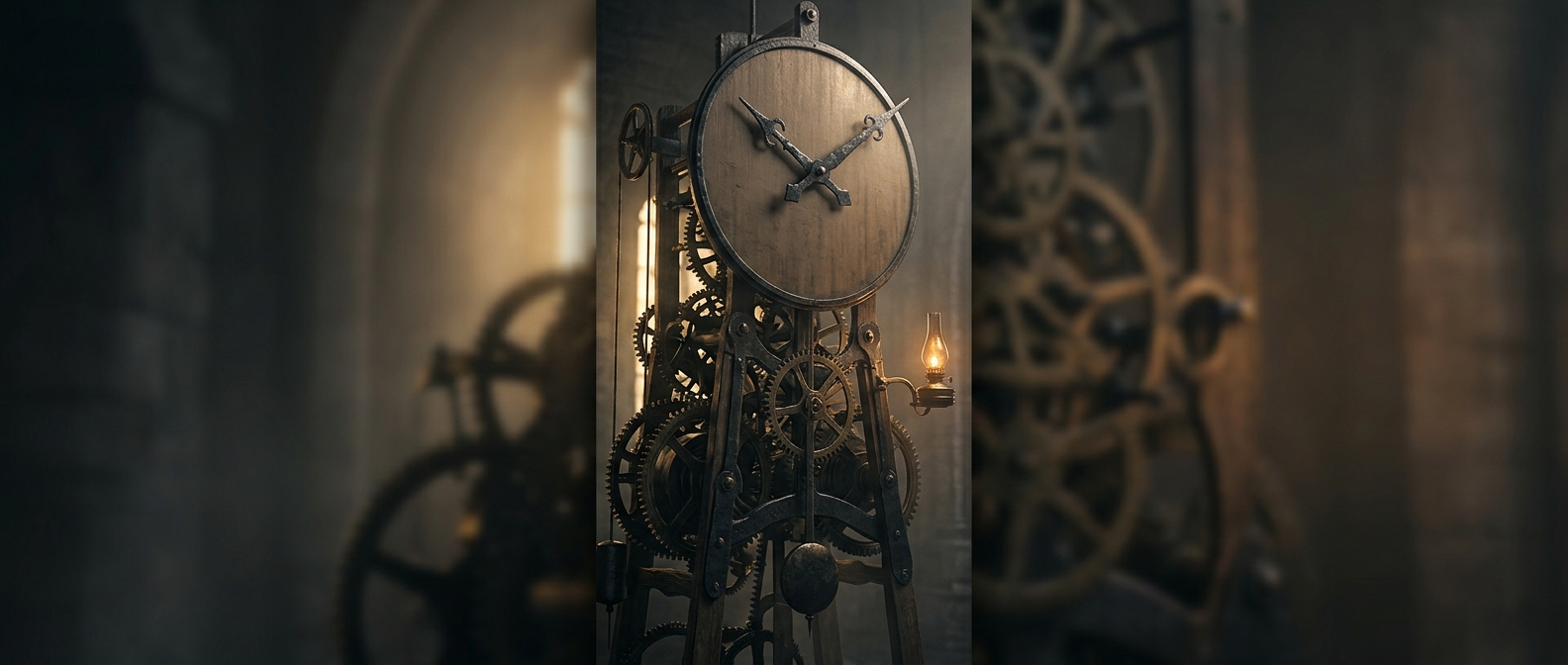
Mechanical clocks offered another way to keep time through darkness and bad weather. Their steady internal motion could maintain a schedule without a visible sky, though early clocks were imperfect and sundials remained useful for checking and resetting them. The cloudy week exposed the difference between reading time from nature and carrying time with you: one worked only when the Sun could be seen; the other required a mechanism that kept going indoors.