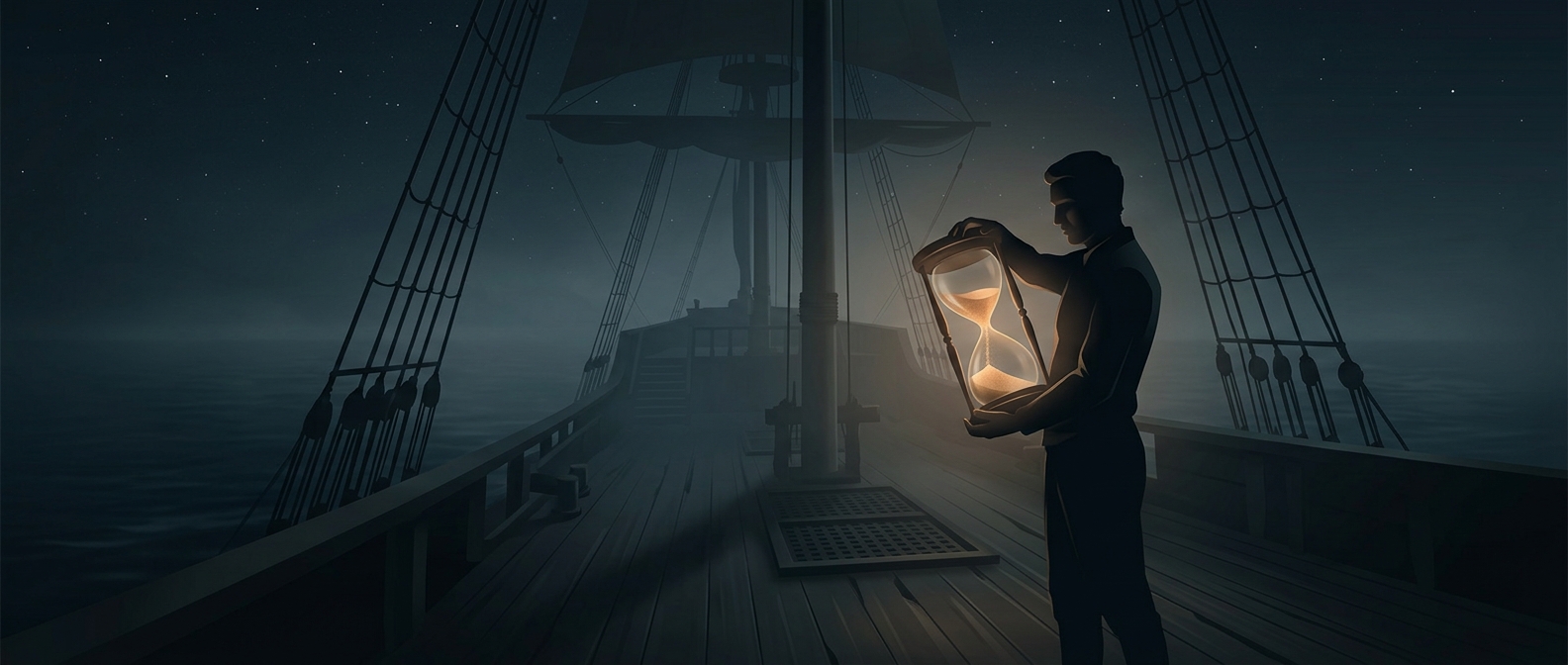
A half-hour glass became part of the ship’s clock
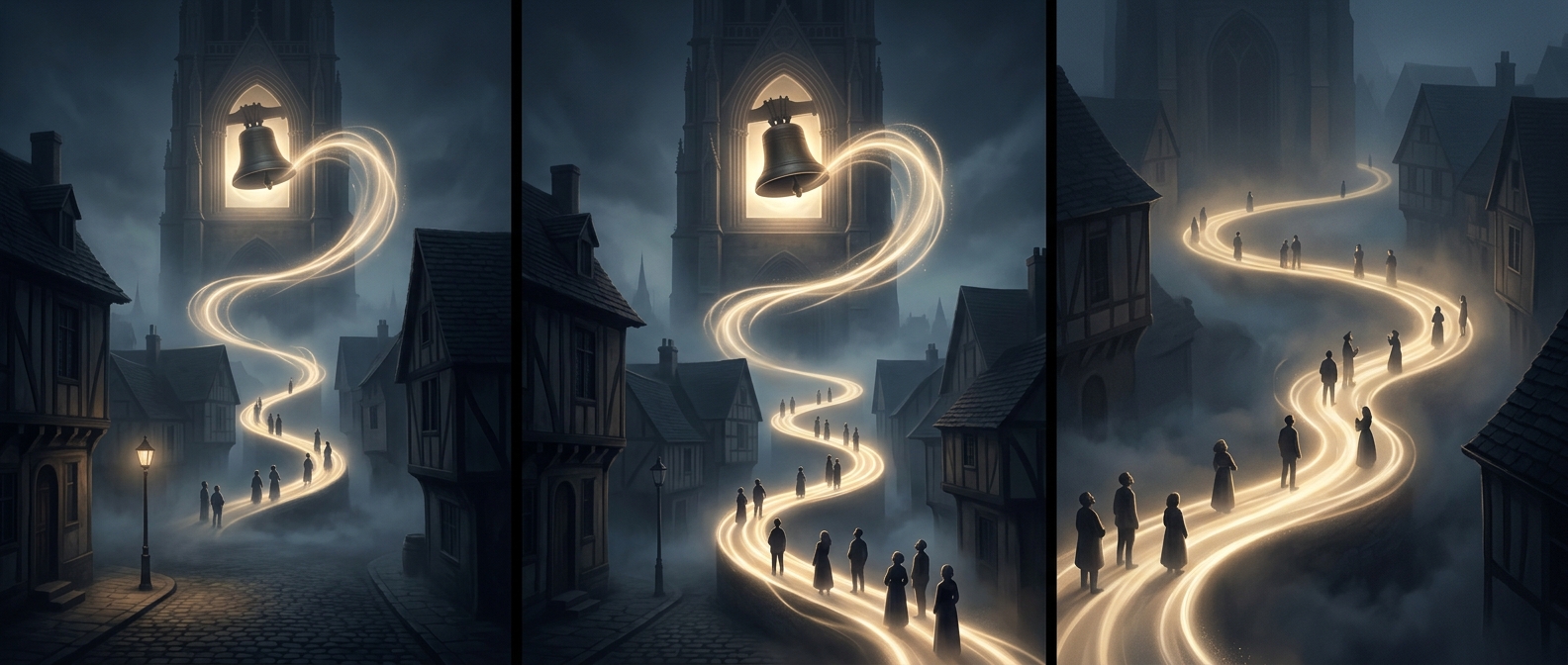
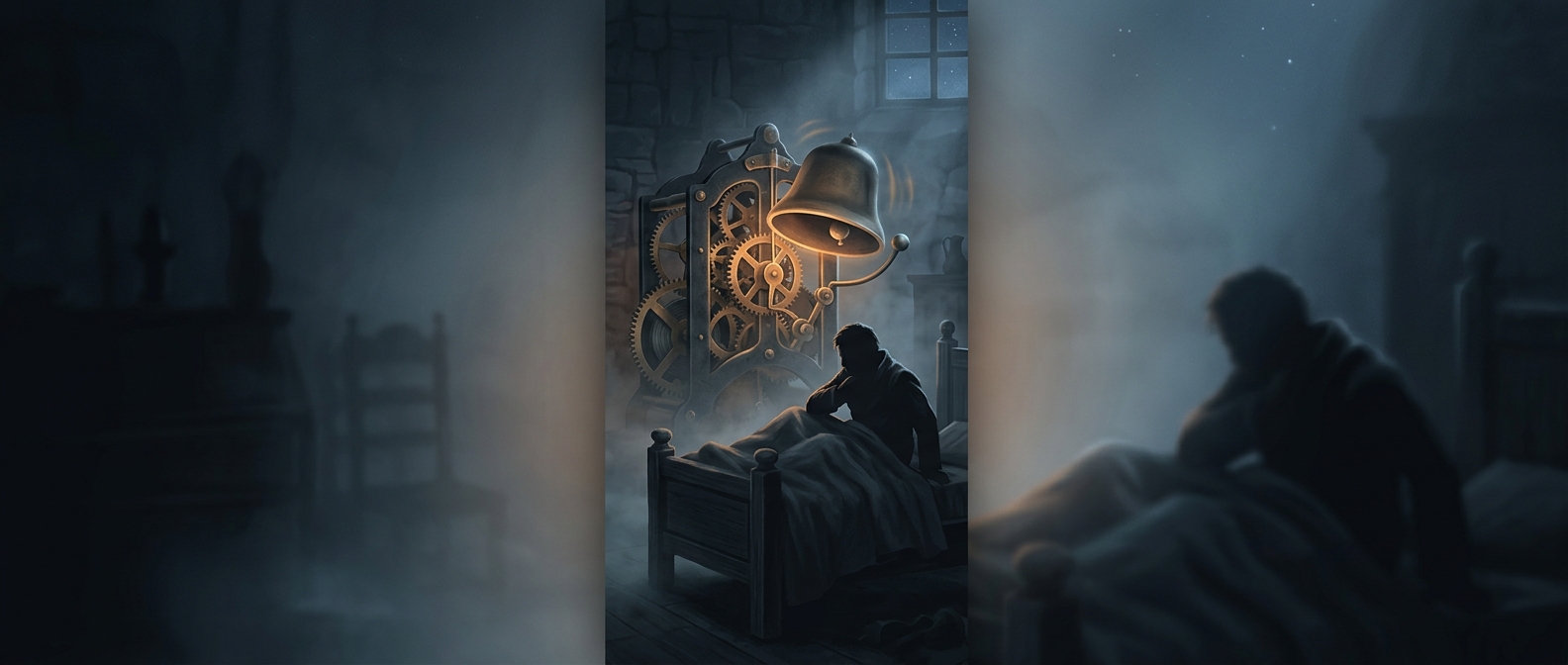
At sea, a navigator could not check a wall clock or measure a ship’s position against landmarks every minute. Instead, the crew kept time through repeated intervals. A sailor assigned to watch the sandglass turned it when the sand ran through, then kept the cycle going. On many ships, bells marked the passing watches, helping the crew coordinate work and record the time.
The task sounds simple, but the schedule mattered: a glass left unturned did not merely leave one sailor uncertain. It disrupted the shared measure of time the crew relied on.
Turning time into an estimate of distance
A timed interval could help estimate how far the ship had traveled. Sailors used a weighted board and a marked line—often called a log line—to gauge speed. They let the line run out for a measured period, then counted how many marks passed. Comparing that speed with the elapsed time gave the navigator an estimate of distance covered.
This was dead reckoning: calculating a likely position from a known starting point, course, speed, and elapsed time. It could not replace observations of the sun or stars, and small errors could accumulate. But when land was out of sight, a dependable hourglass turn helped keep the ship’s running account from drifting further off course.