How a political caricature became a measurement
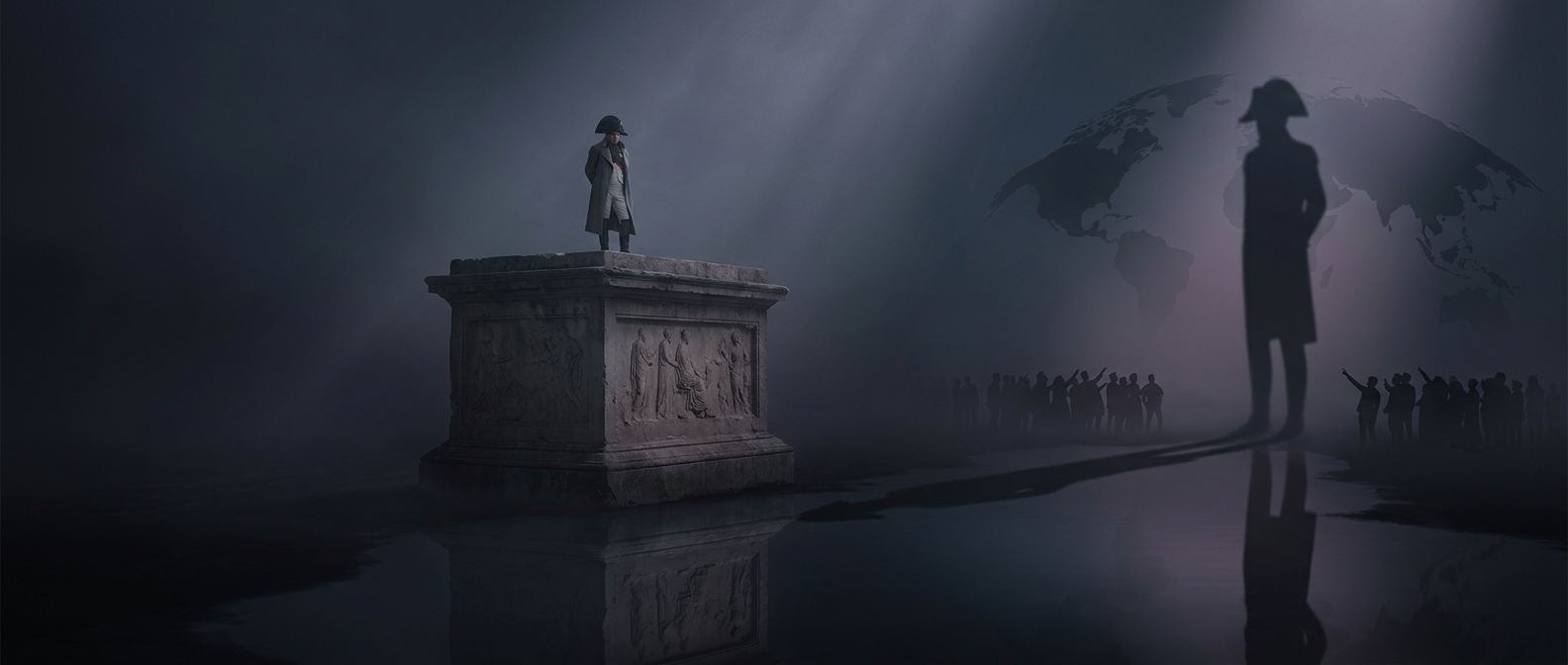
Napoleon’s small stature was useful to his enemies because it turned a complicated political opponent into an instantly readable joke. British cartoonists drew him as a diminutive figure, making his ambition look absurd and inviting viewers to see him as less imposing than his power suggested. The image was satire, not a careful record of his height.
The comparison made the joke look real
Napoleon was often seen alongside the Imperial Guard, an elite military unit whose soldiers were notably tall. Put an average-sized man beside unusually large guards and the contrast can make him seem short even without a cartoonist shrinking him. The setting supplied a visual punchline that caricature could then exaggerate.
There was also a measurement trap. French and British measures of the time did not use identical units, so a height recorded in French feet could look surprisingly low when read as though it were in British feet. That confusion helped the story endure, though it does not explain the caricatures by itself.
Repetition outlasted the evidence
The result was a memorable image built from several reinforcing cues: hostile cartoons, imposing companions, and a number that could be misread across measurement systems. Napoleon was around average height for a Frenchman of his era, not the tiny figure familiar from popular jokes. The lasting lesson is that a visual comparison can feel like proof—especially when a political caricature gives it a name and keeps repeating it.