History
Discover facts about history. Small discoveries that change the way you see familiar things.
History
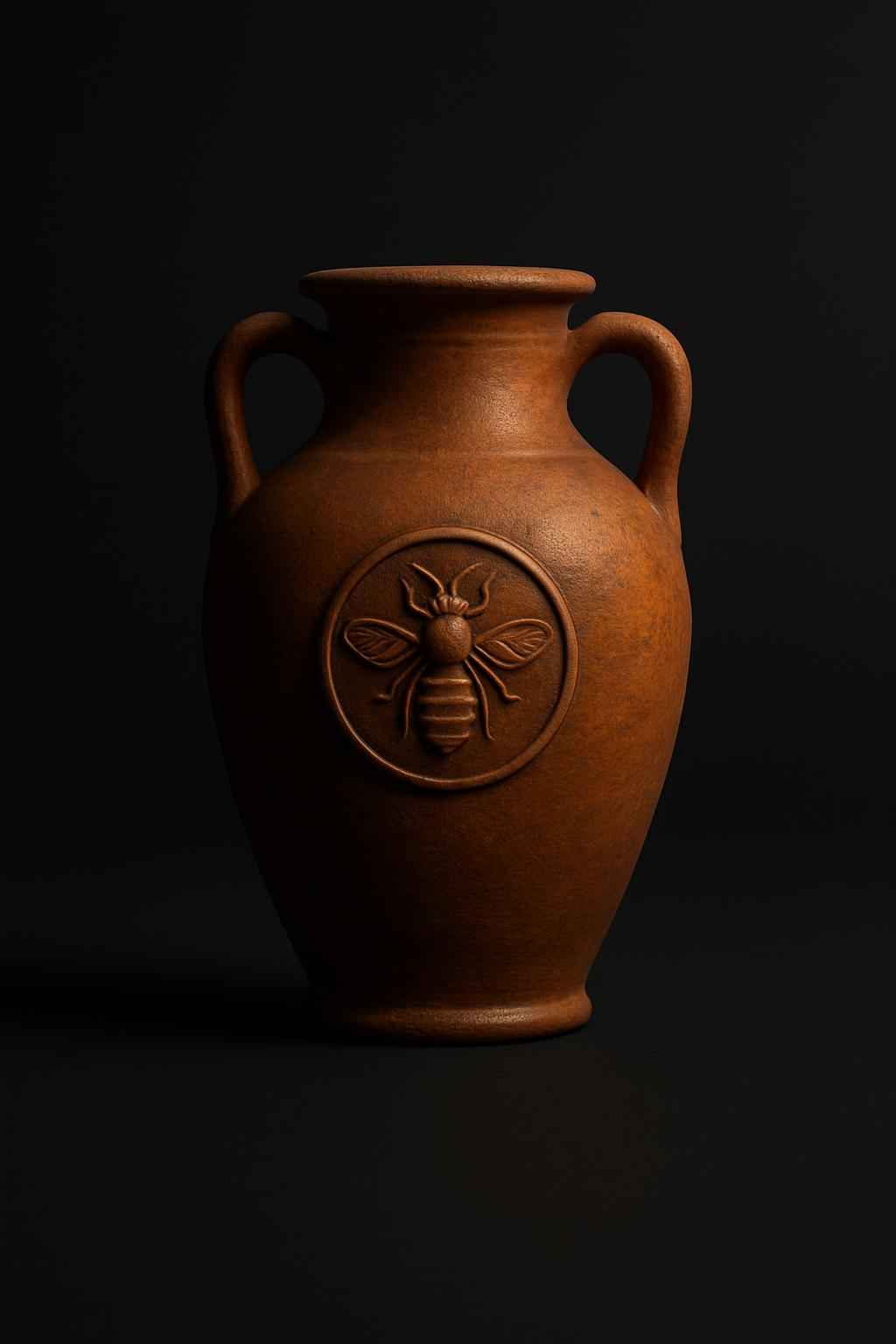
In ancient Athens, honey sellers faced a strange law: their jars had to be stamped with a bee symbol only if the honey came from Mount Hymettus—failure meant exile or enormous fines.
In ancient Athens, honey sellers faced a strange law: their jars had to be stamped with a bee symbol only if the honey came from Mount Hymettus—failure meant…
Discover more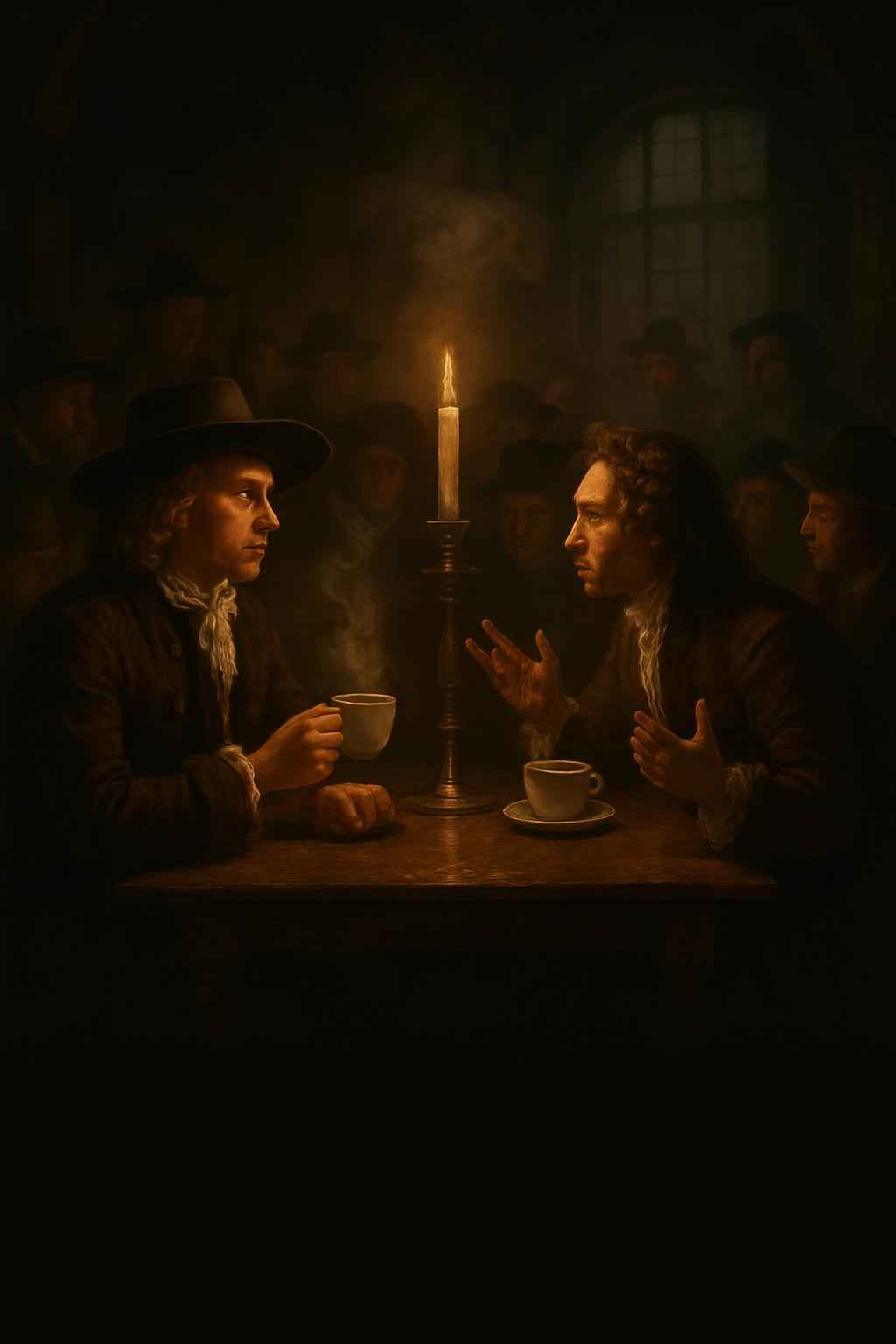
Before the internet connected the world, another network changed civilization: coffeehouses in 17th‑century Europe.
Before the internet connected the world, another network changed civilization: coffeehouses in 17th‑century Europe. Patrons called them ‘penny…
Discover more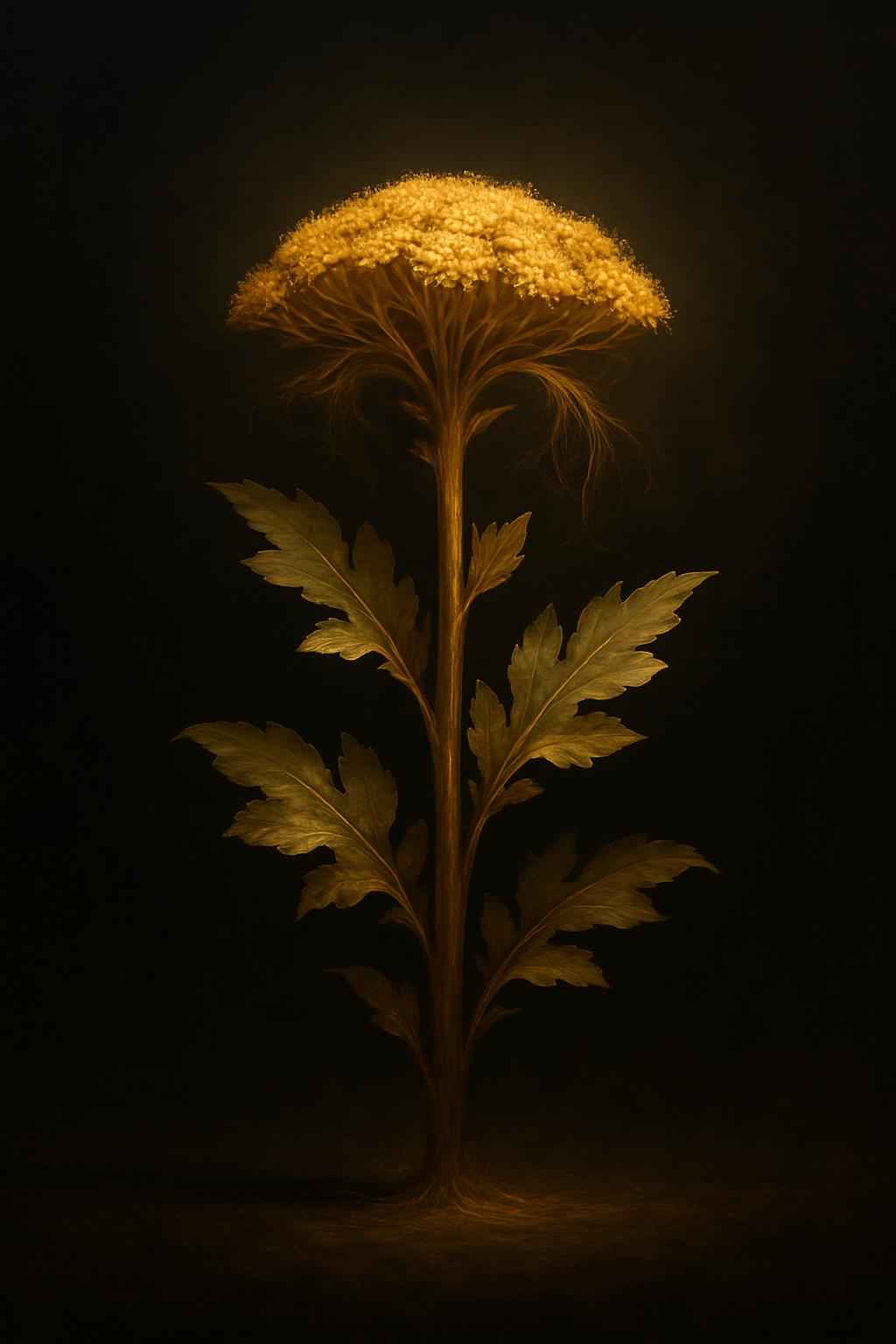
In Roman times, silphium was worth its weight in silver—a golden-haired plant said to cure everything from coughs to heartbreak, even working as contraception.
In Roman times, silphium was worth its weight in silver—a golden-haired plant said to cure everything from coughs to heartbreak, even working as…
Discover more
Most schoolbooks celebrate the Renaissance as a parade of artists and thinkers, but hidden beneath the paint and marble were the gears of revolution: forgotten inventors who changed how people lived.
Most schoolbooks celebrate the Renaissance as a parade of artists and thinkers, but hidden beneath the paint and marble were the gears of revolution:…
Discover more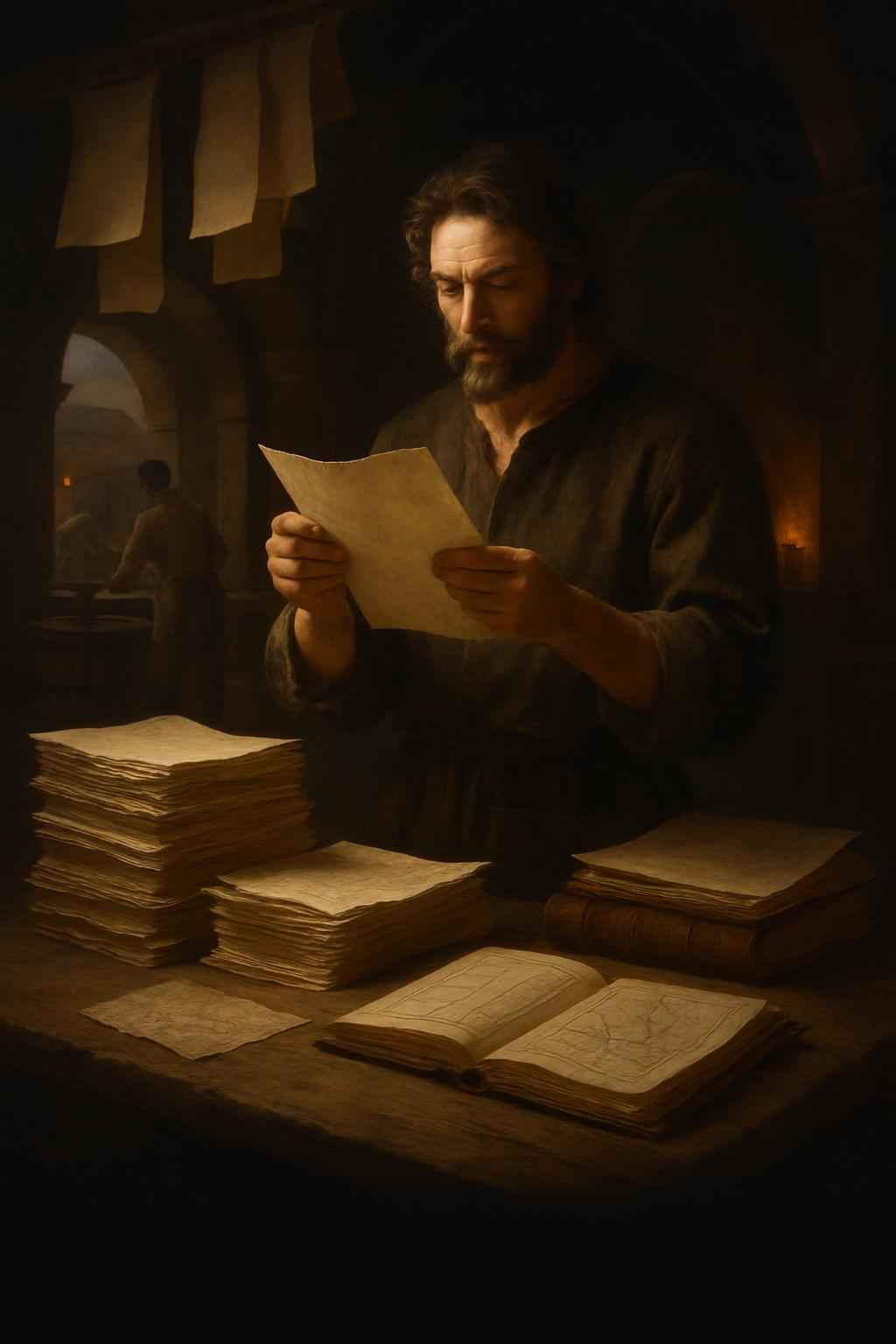
Renaissance wasn’t born from rich patrons—it started in paper mills.
Renaissance wasn’t born from rich patrons—it started in paper mills. In the 13th century, cheap paper from rags reached Europe, freeing ideas from the price…
Discover more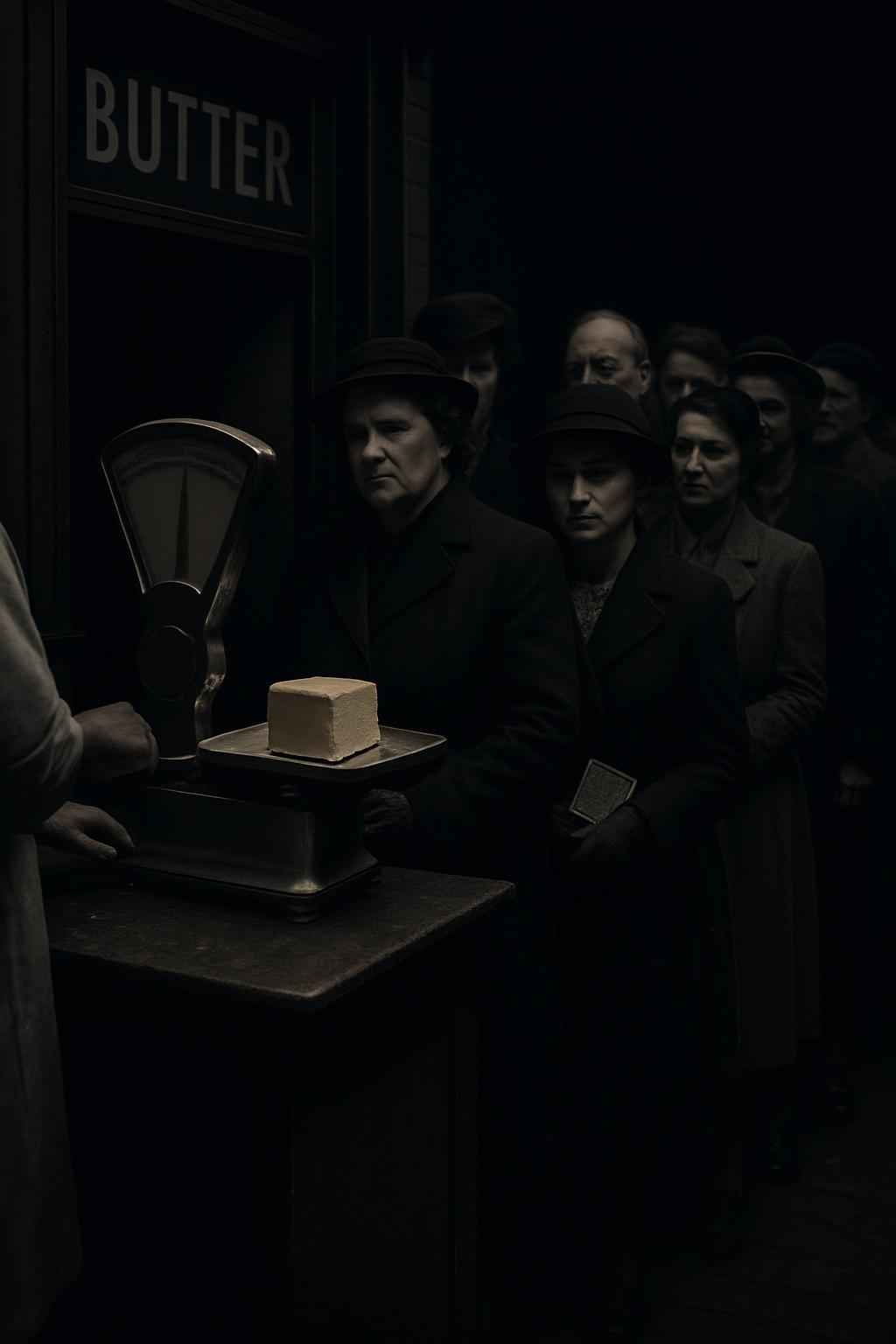
During World War II, British citizens queued hours for a few ounces of butter.
During World War II, British citizens queued hours for a few ounces of butter. Yet diaries from the period reveal an odd nostalgia: people felt strangely…
Discover more STACKY FOR IPHONE
A bigger world.
One discovery
at a time.
Keep discovering with Stacky. Interesting facts in an app that is always within reach.

In 1826, a French inventor named Nicéphore Niépce produced what’s now considered the first photograph using a pewter plate coated in bitumen.
In 1826, a French inventor named Nicéphore Niépce produced what’s now considered the first photograph using a pewter plate coated in bitumen. Eight hours of…
Discover more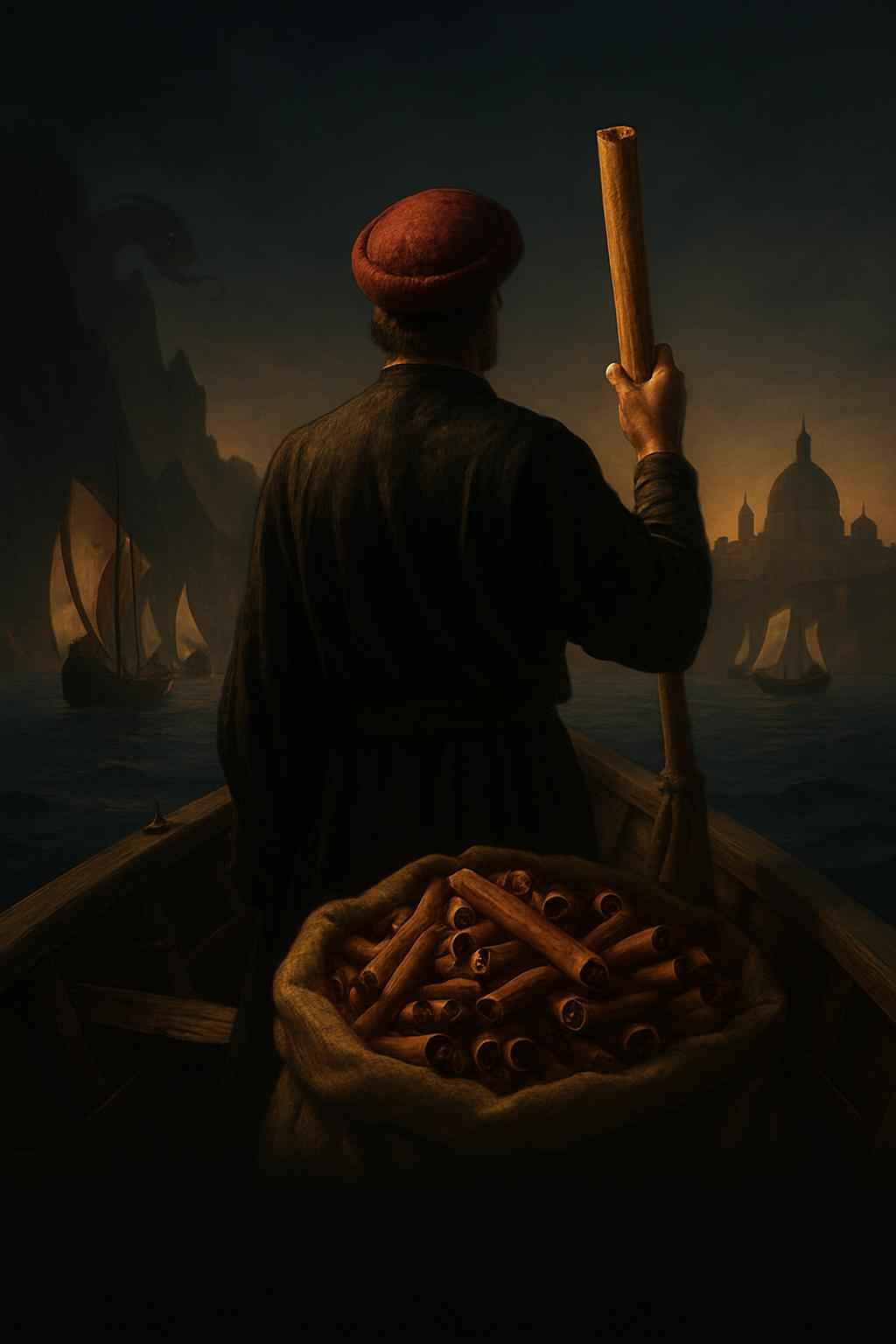
Long before Silicon Valley built empires on code, ancient merchants hacked geography.
Long before Silicon Valley built empires on code, ancient merchants hacked geography. The spice trade between the Indian Ocean and Venice was the original…
Discover more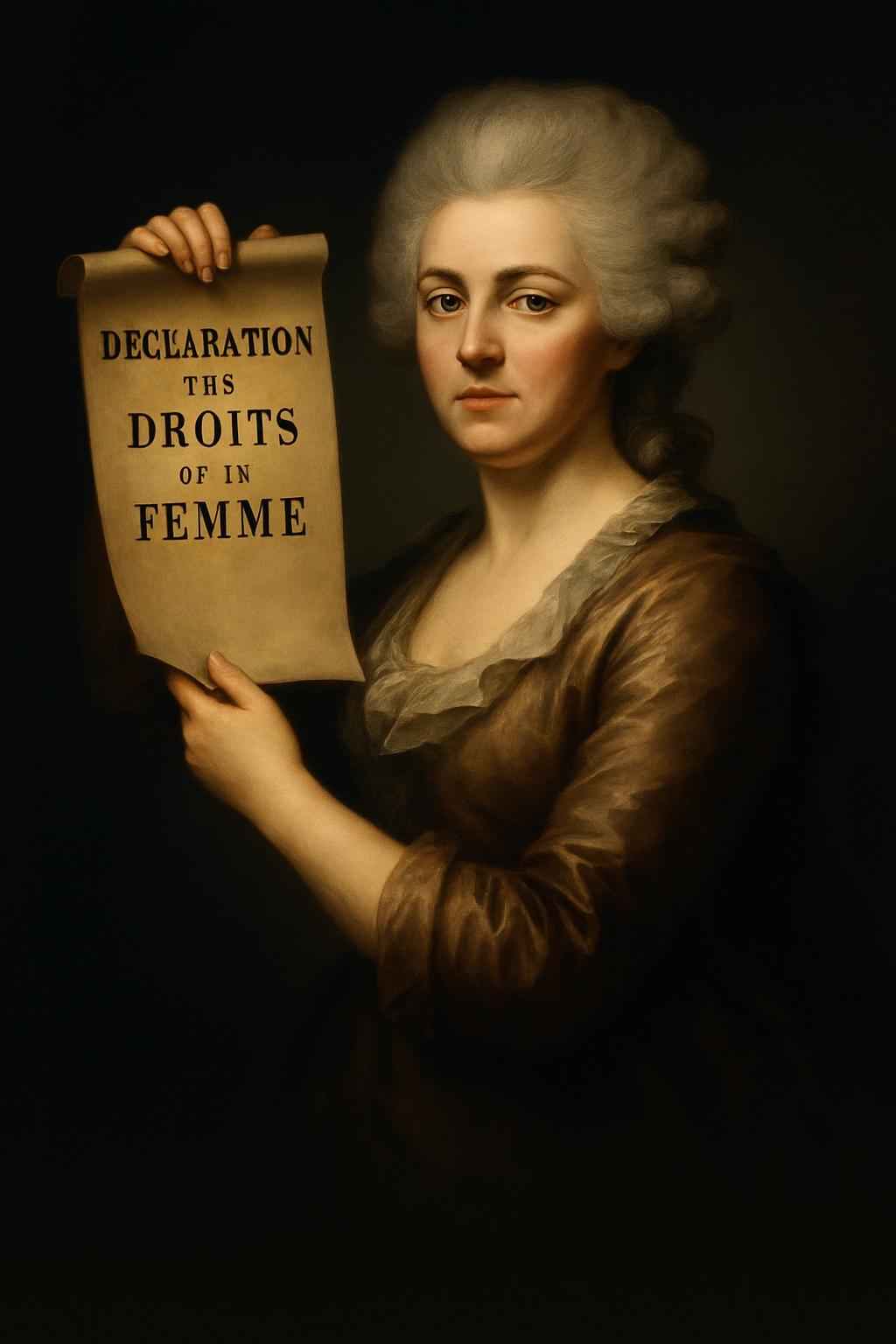
In 1791, a Parisian playwright named Olympe de Gouges published the ‘Declaration of the Rights of Woman.’ It mirrored the grand declaration of French revolutionaries—changing…
In 1791, a Parisian playwright named Olympe de Gouges published the ‘Declaration of the Rights of Woman.’ It mirrored the grand declaration of French…
Discover more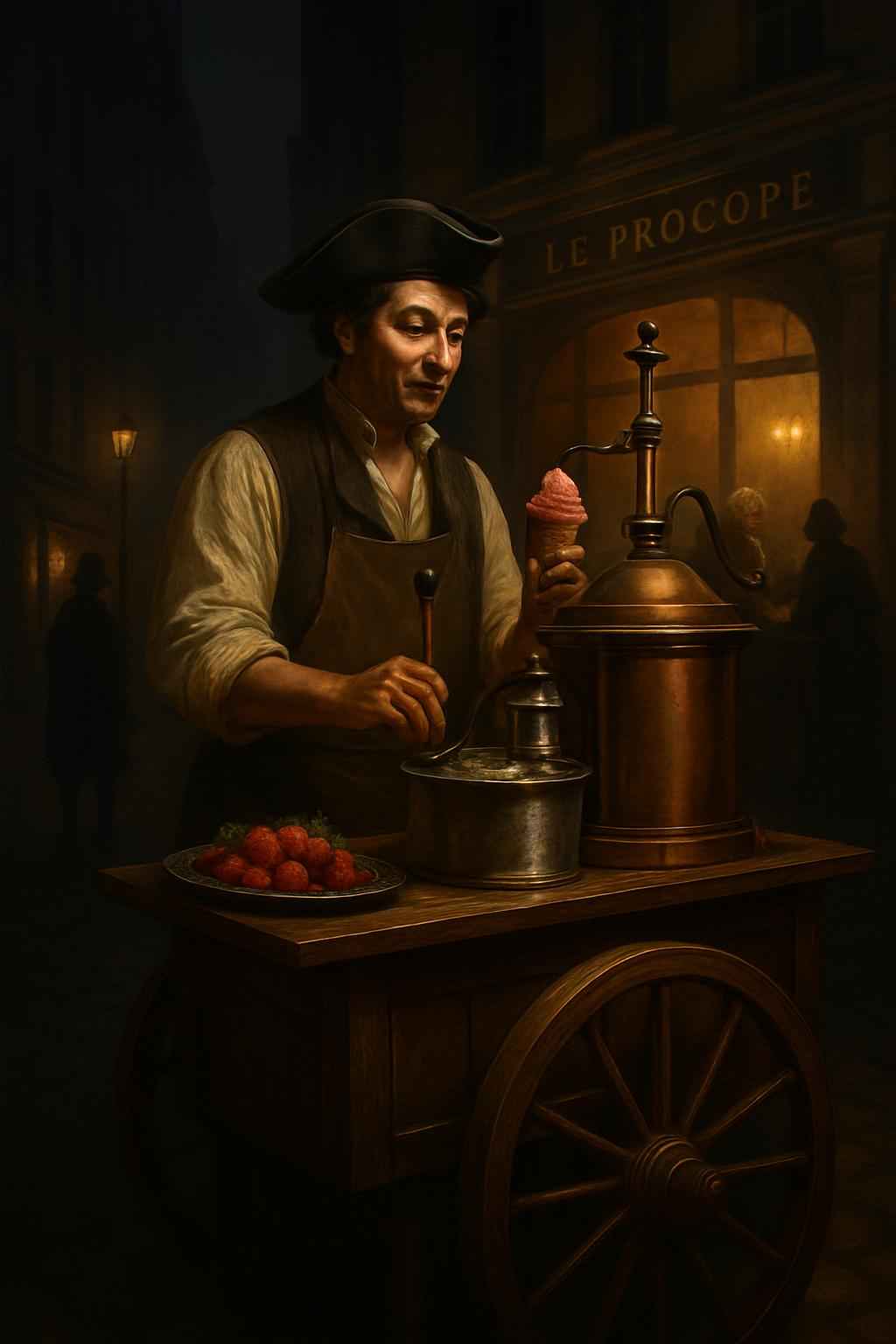
In 19th-century Paris, ice cream was served only to the aristocracy.
In 19th-century Paris, ice cream was served only to the aristocracy. Then an Italian immigrant named Francesco Procopio invented the world’s first gelato…
Discover more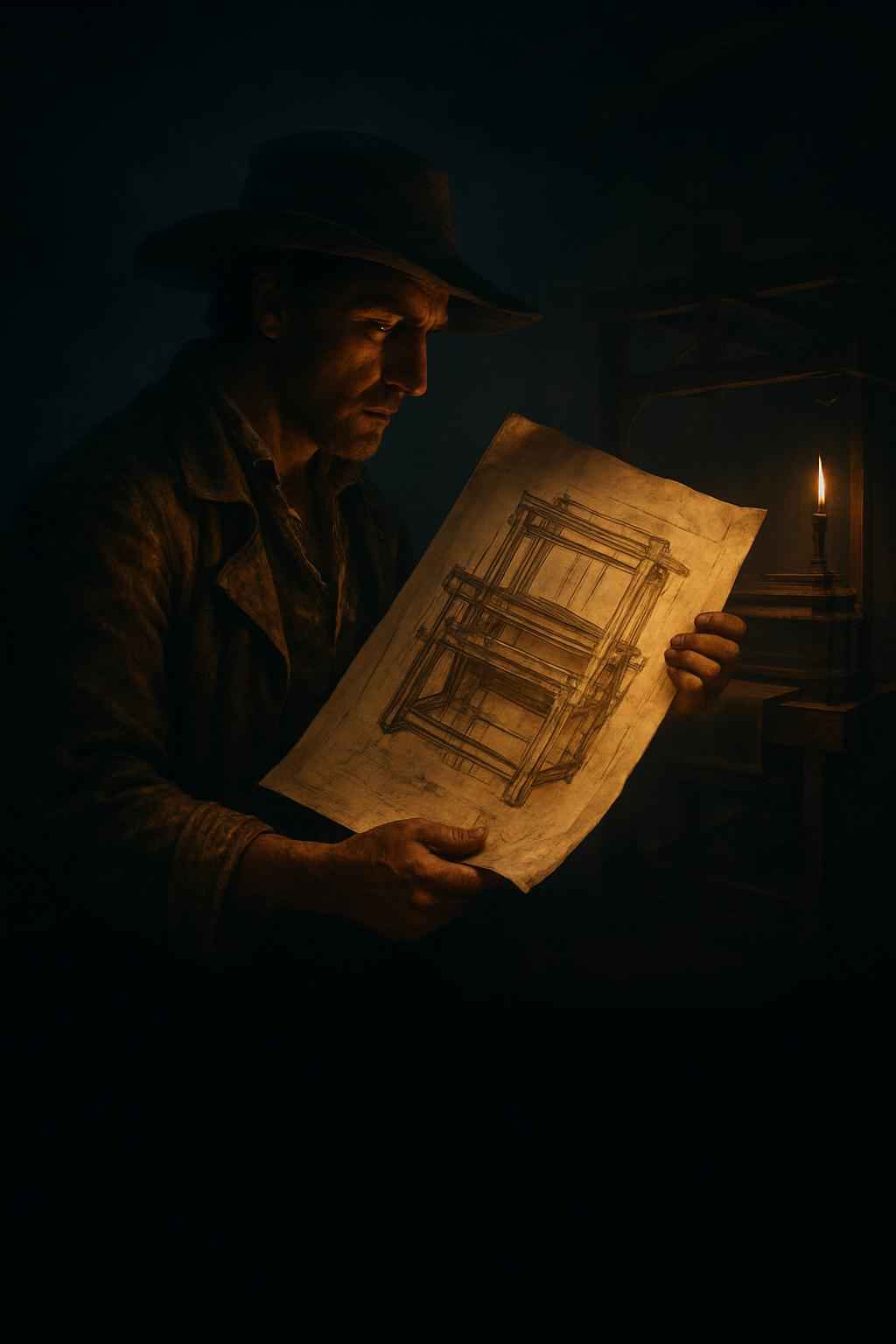
In 18th‑century England, industrial spies disguised as farmers and sailors crossed borders to steal secrets of fabric weaving.
In 18th‑century England, industrial spies disguised as farmers and sailors crossed borders to steal secrets of fabric weaving. Loom designs were copied and…
Discover more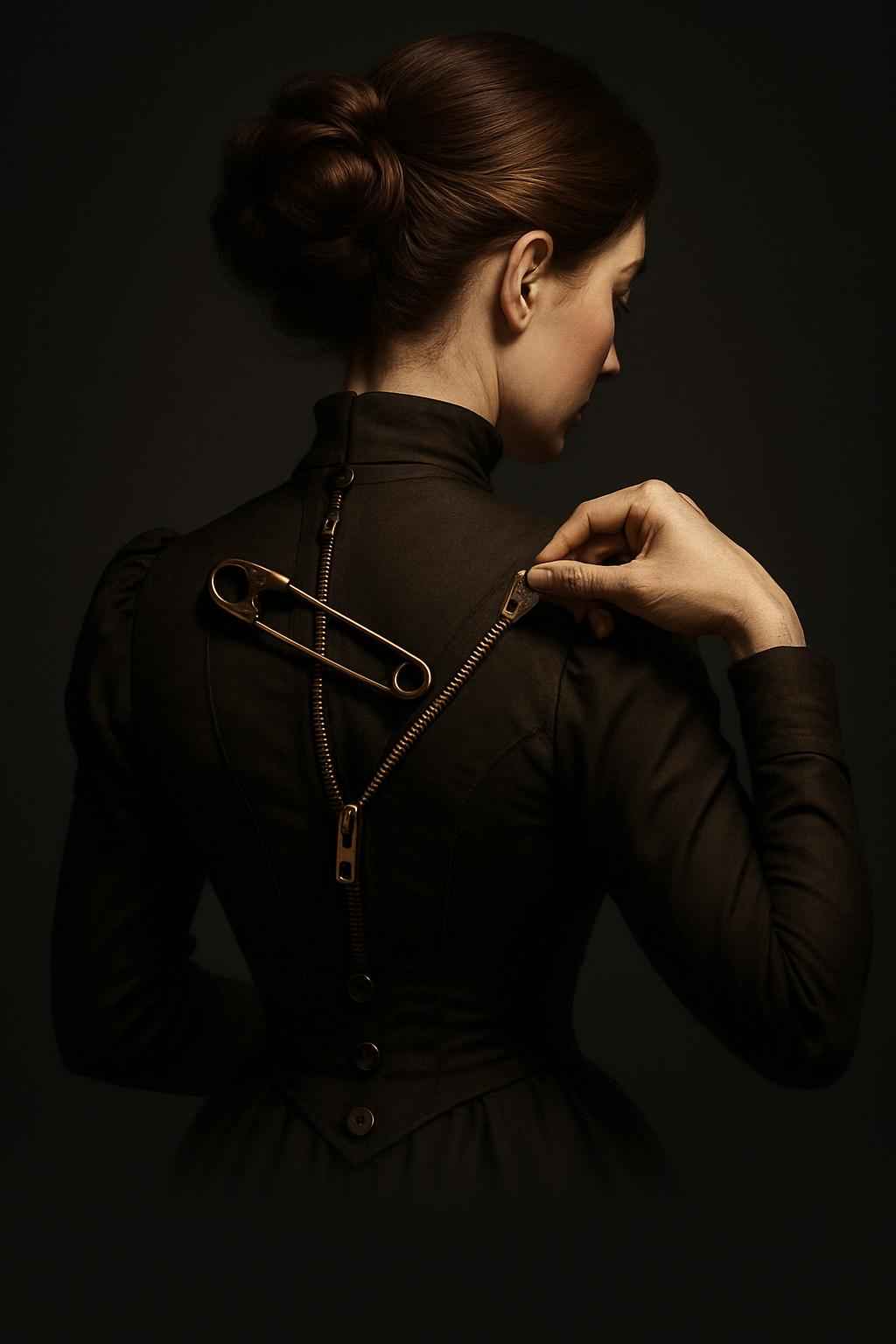
During the Victorian era, clothing technology helped reinvent privacy.
During the Victorian era, clothing technology helped reinvent privacy. The invention of the zipper, safety pin, and button weren’t just fashion tweaks — they…
Discover more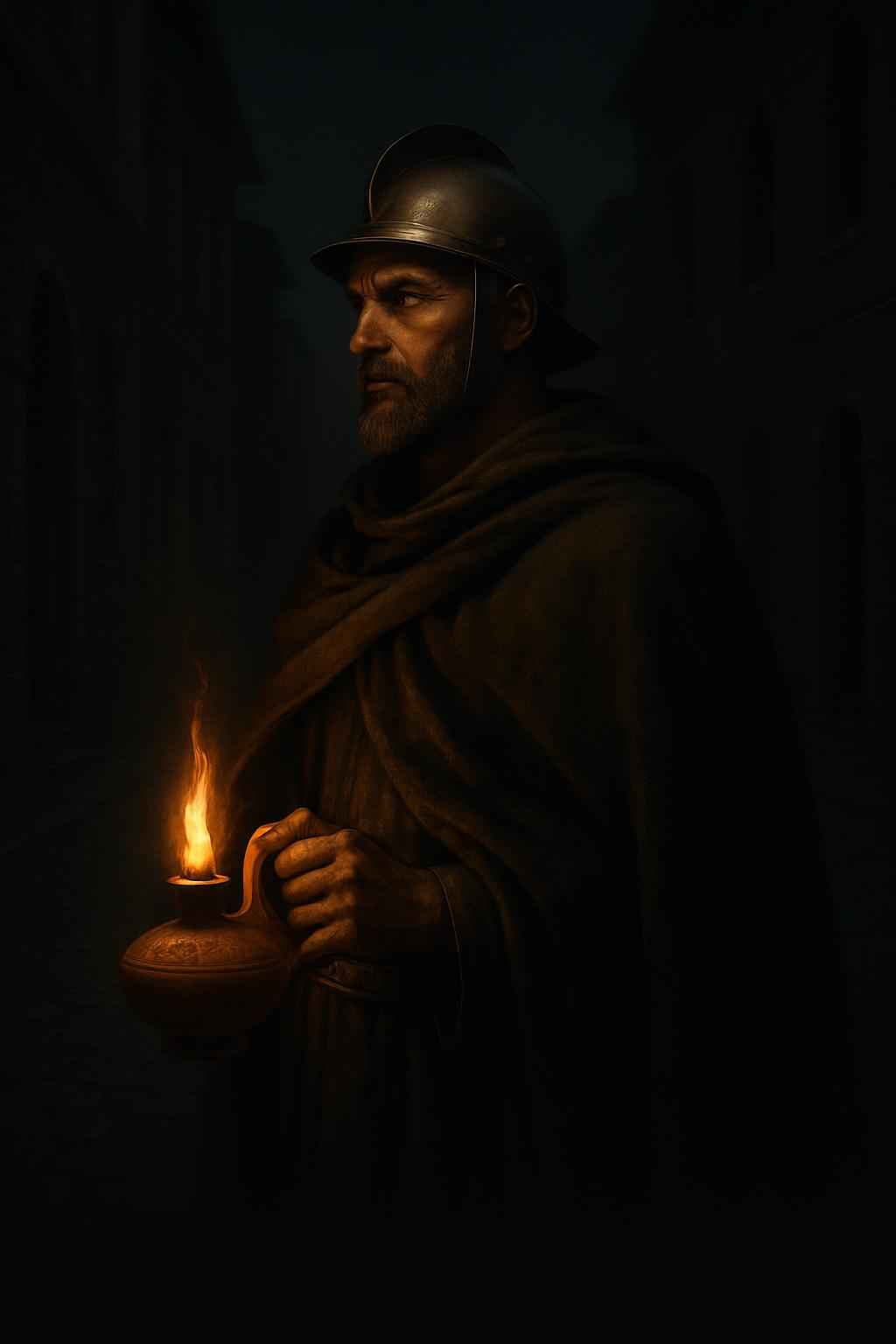
In ancient Rome, street lamps weren’t powered by oil — they were powered by gossip.
In ancient Rome, street lamps weren’t powered by oil — they were powered by gossip. Citizens who patrolled streets at night carried terracotta lamps paid for…
Discover more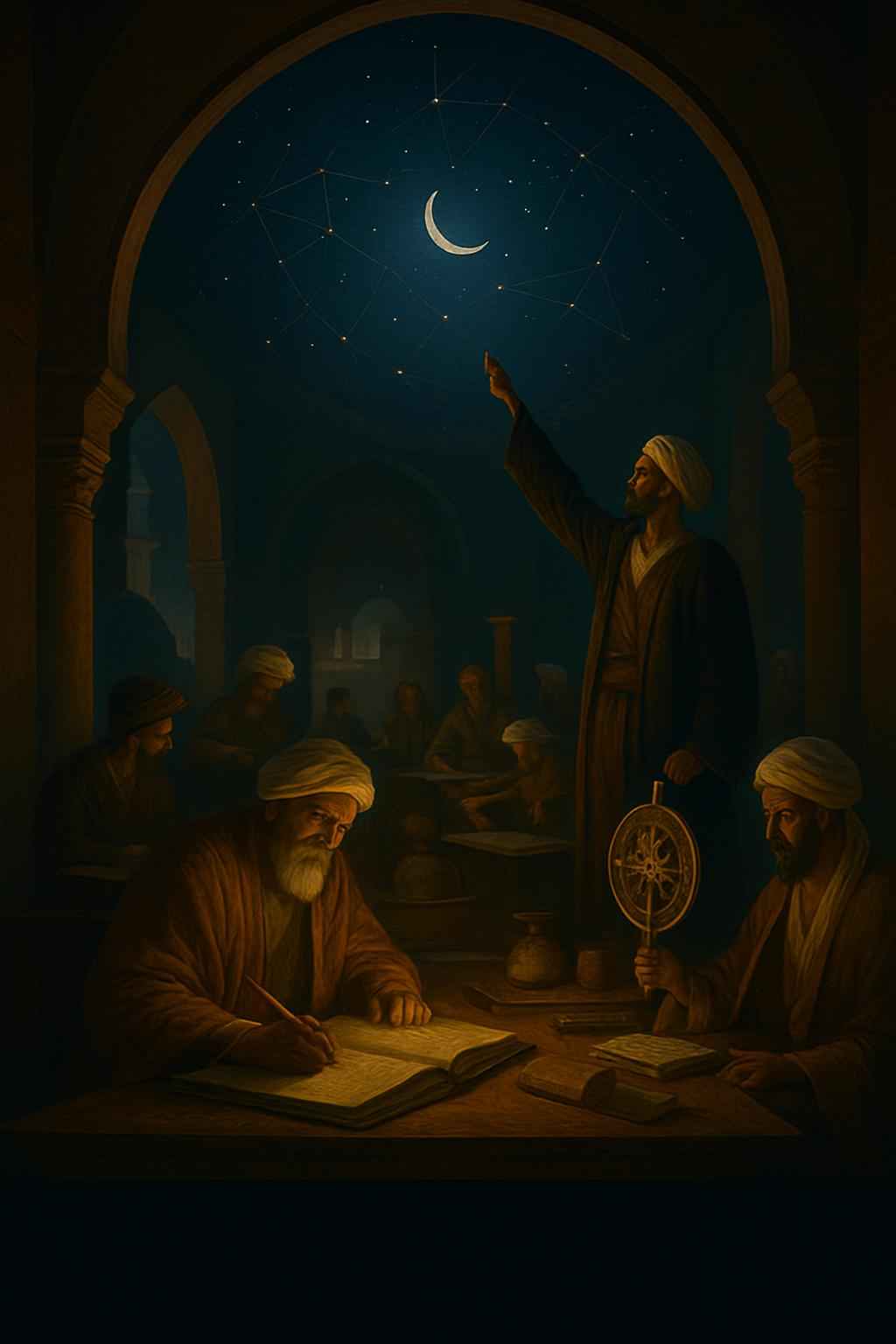
In 9th-century Baghdad, when Europe struggled through dark ages, a dazzling experiment unfolded—the House of Wisdom.
In 9th-century Baghdad, when Europe struggled through dark ages, a dazzling experiment unfolded—the House of Wisdom. Scholars translated Greek, Persian, and…
Discover more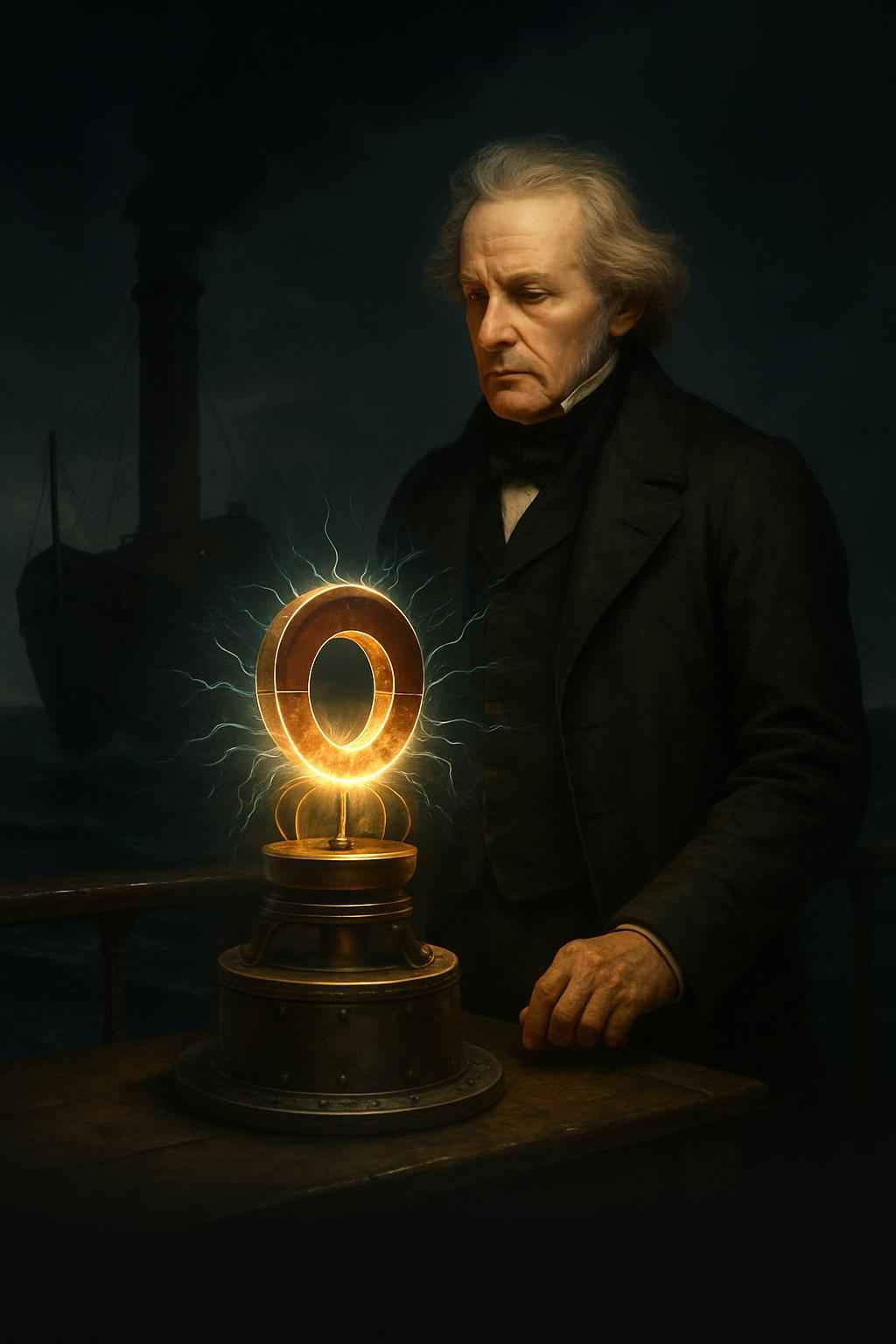
In 1831, a Scottish clergyman watched a ship power itself against the tide using nothing but the Earth’s magnetic field — or so he believed.
In 1831, a Scottish clergyman watched a ship power itself against the tide using nothing but the Earth’s magnetic field — or so he believed. His experiment…
Discover more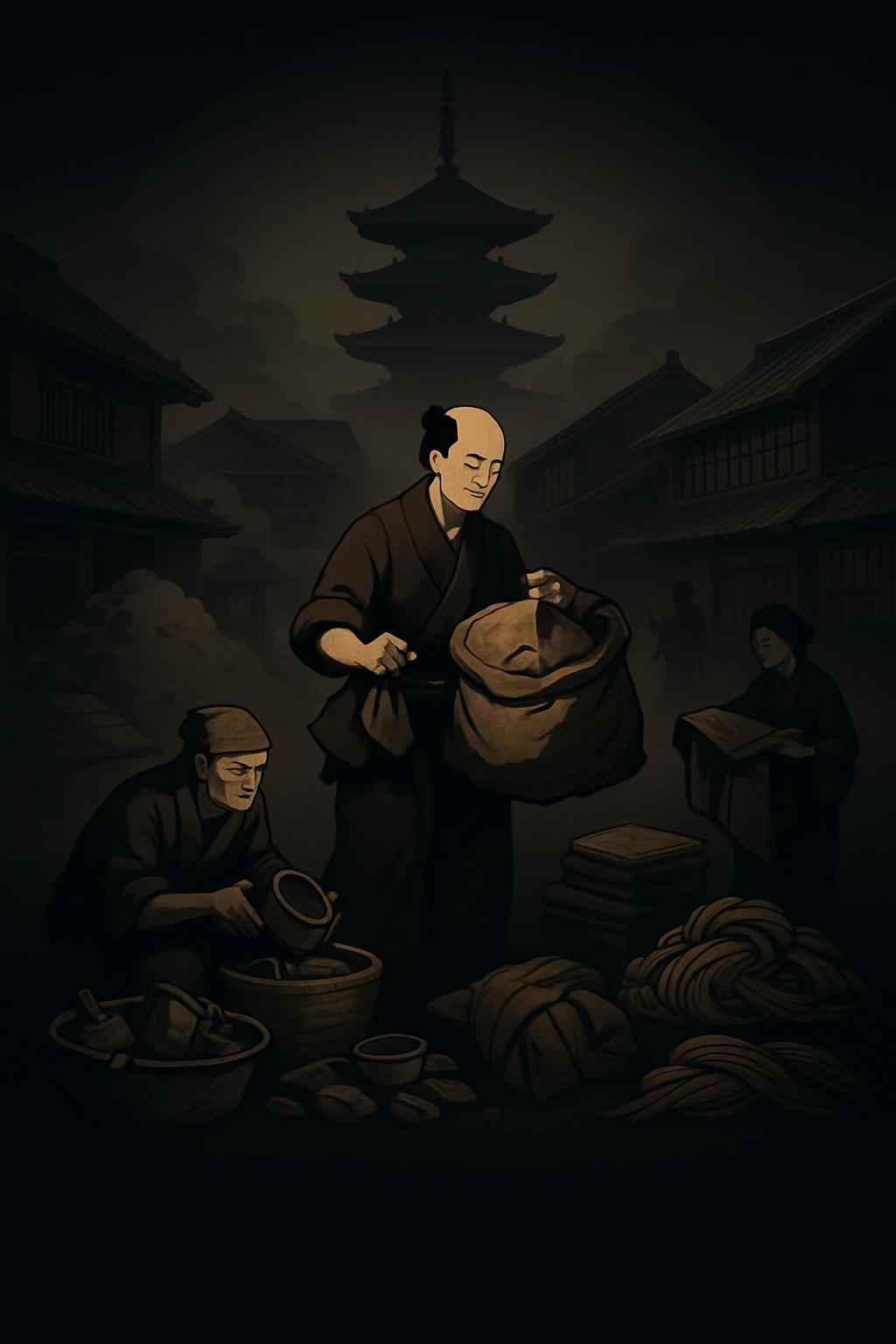
City Built from Trash: Edo’s Recycling Empire.
City Built from Trash: Edo’s Recycling Empire. Long before the modern recycling bin, 18th‑century Tokyo (then Edo) ran an entire economy on reused paper,…
Discover more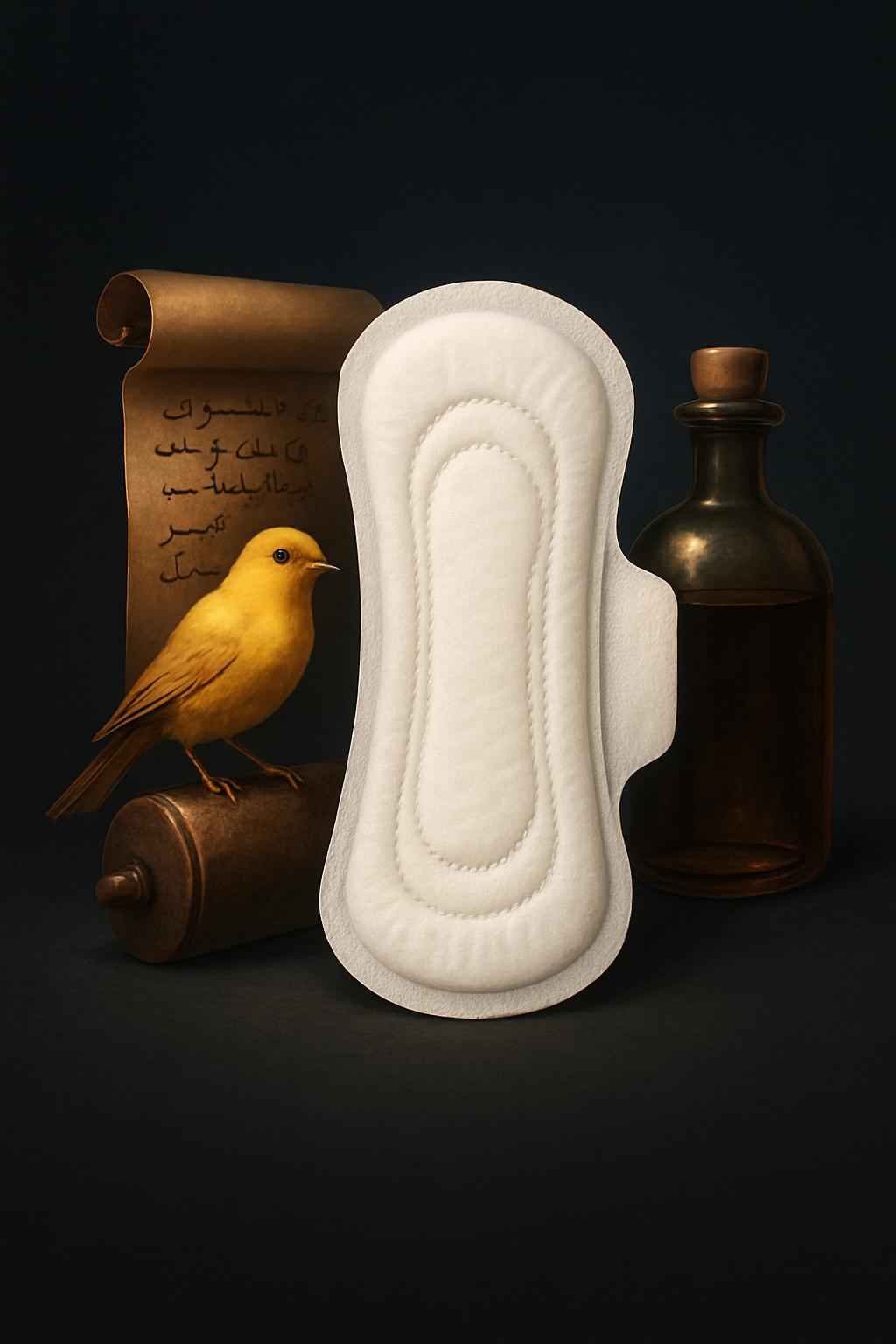
In 1896, a British nurse invented a disposable sanitary product — government officials banned it, claiming it threatened textile interests.
In 1896, a British nurse invented a disposable sanitary product — government officials banned it, claiming it threatened textile interests. A century later,…
Discover more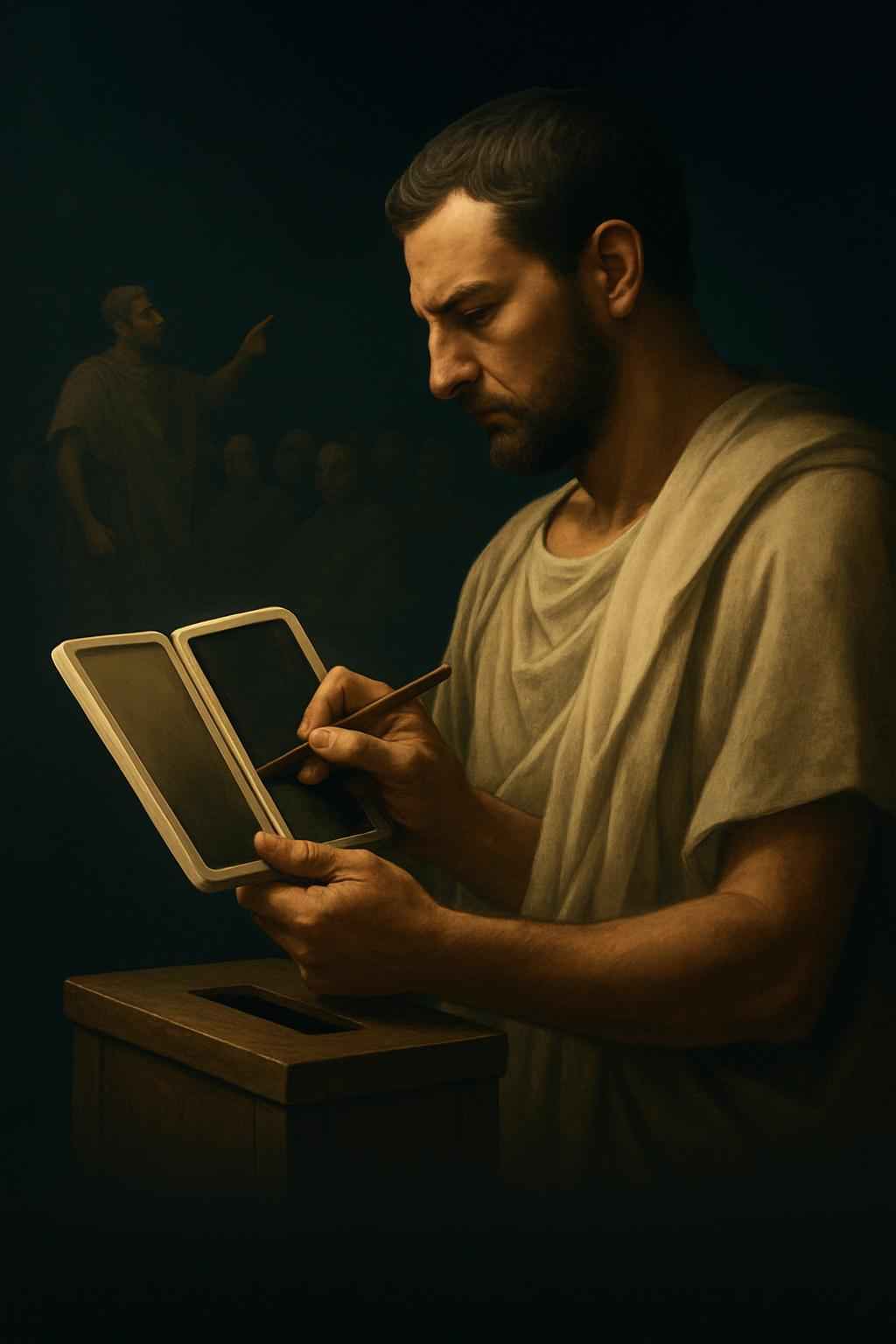
In the Roman Republic, voting was public.
In the Roman Republic, voting was public. Citizens declared their choice aloud, forcing allegiance to powerful patrons. When the secret ballot arrived…
Discover more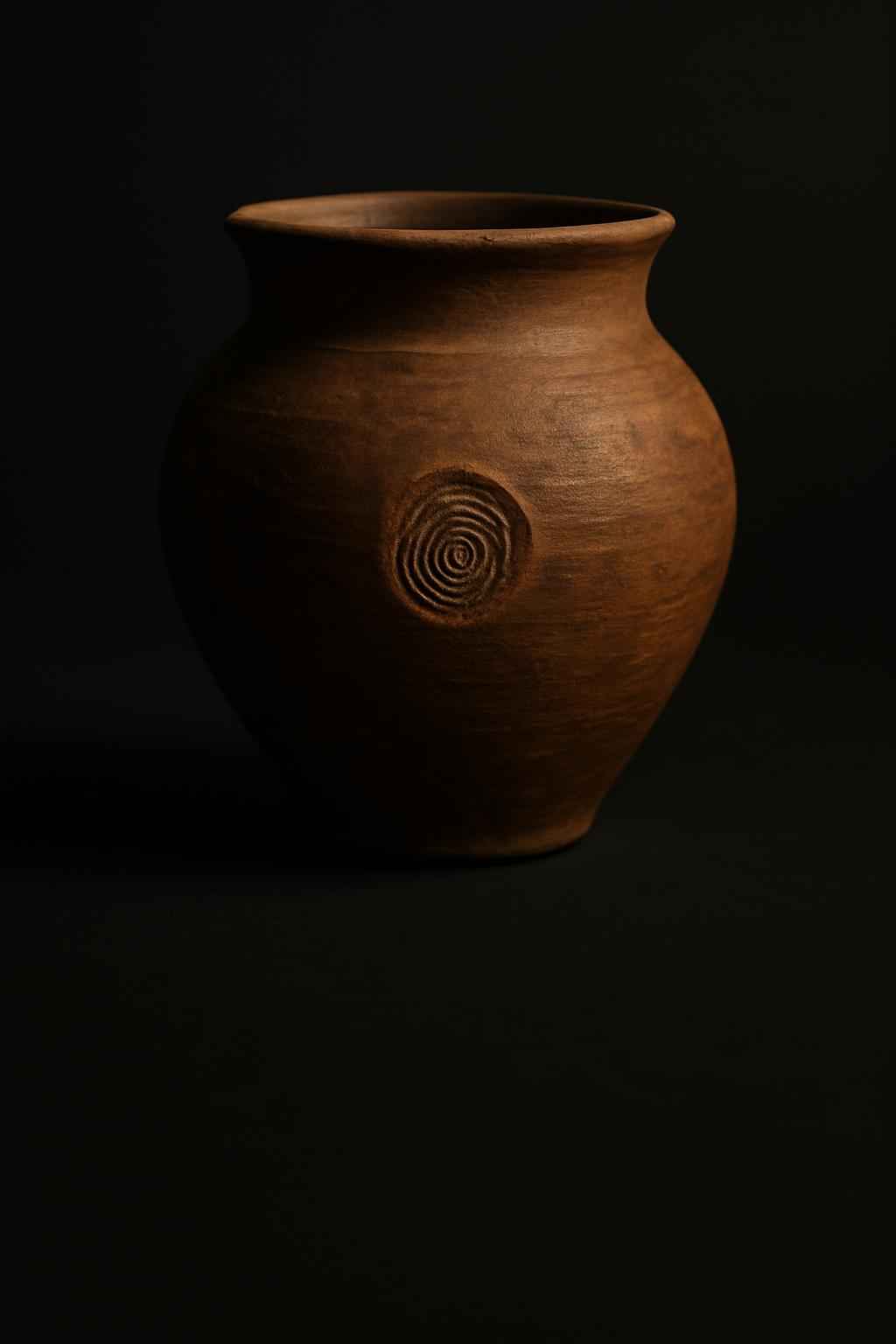
Long before Instagram and viral trends, an anonymous Mesopotamian merchant started a kind of influencer revolution.
Long before Instagram and viral trends, an anonymous Mesopotamian merchant started a kind of influencer revolution. Around 2000 BCE, certain clay potters…
Discover more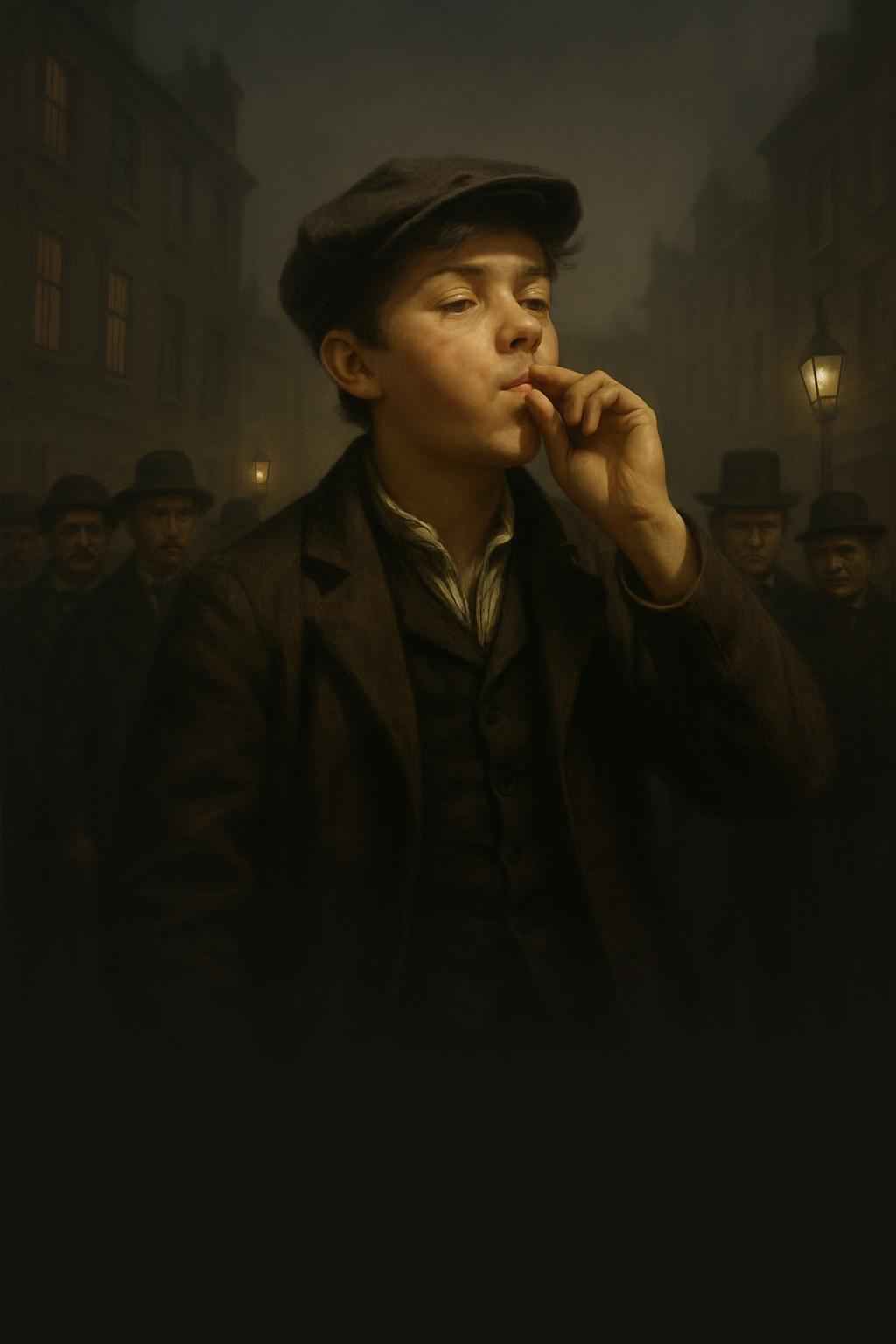
Before smartphones, before typewriters, the biggest urban noise complaint of the 19th century wasn’t carriages — it was whistling.
Before smartphones, before typewriters, the biggest urban noise complaint of the 19th century wasn’t carriages — it was whistling. In 1890s London, crowds of…
Discover more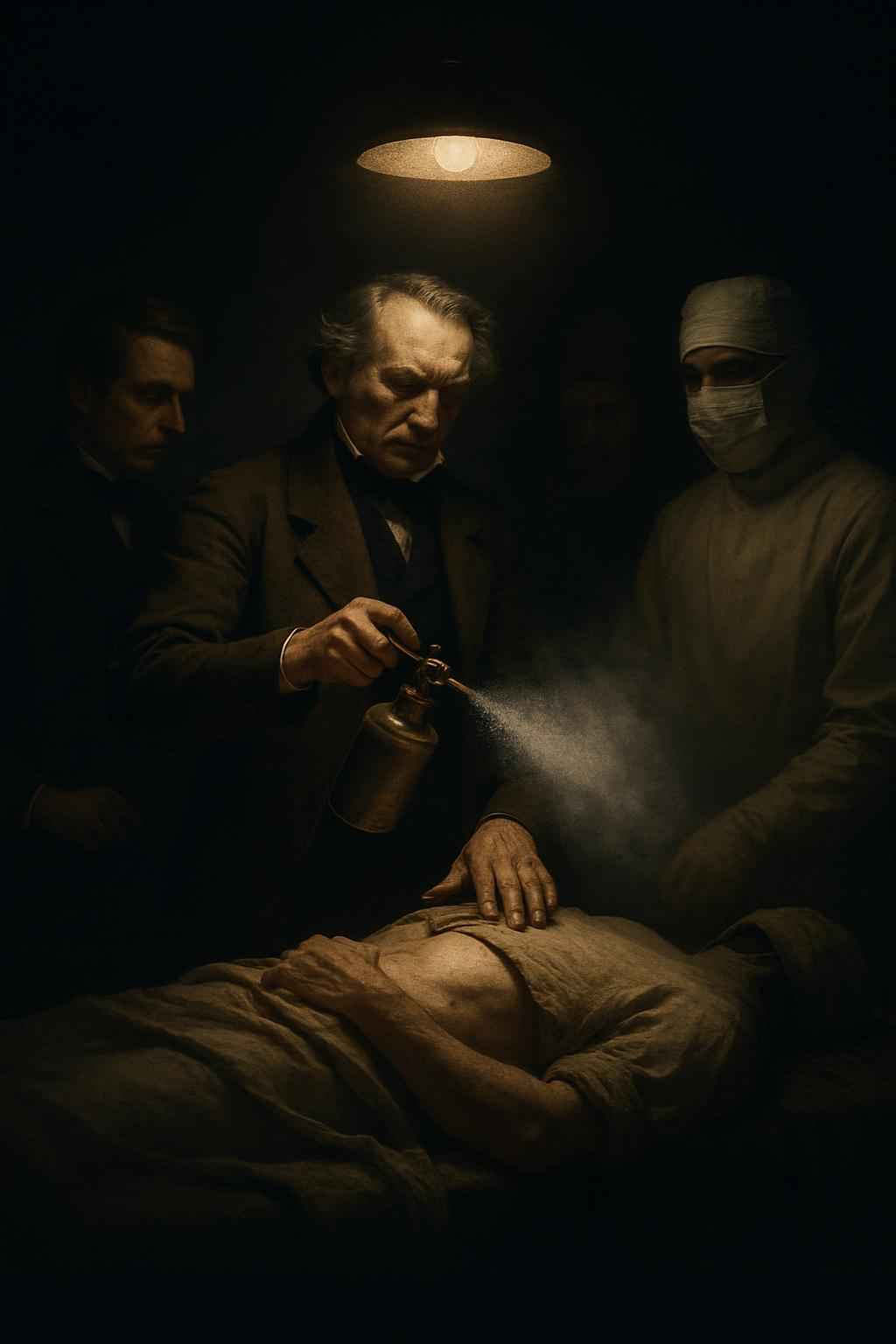
In the 19th century, surgeons operated in street clothes, sometimes after horse rides, with no gloves.
In the 19th century, surgeons operated in street clothes, sometimes after horse rides, with no gloves. When Dr. Joseph Lister proposed carbolic acid for…
Discover more
When the Great Plague of London struck in 1665, most people fled the city while cats and dogs were slaughtered out of fear they spread the disease.
When the Great Plague of London struck in 1665, most people fled the city while cats and dogs were slaughtered out of fear they spread the disease.…
Discover more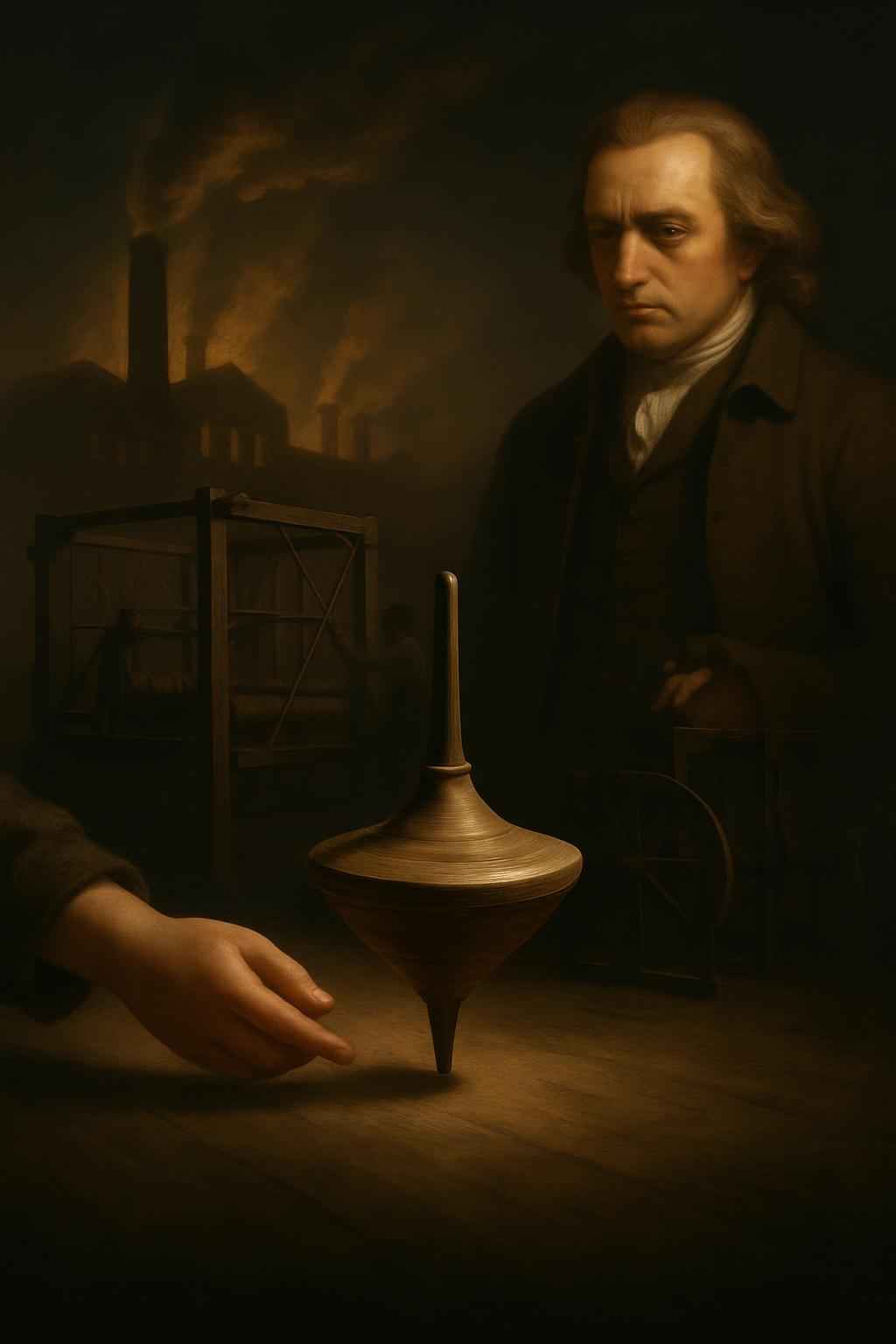
Before the cylinders roared and millions of factory whistles screamed, one humble child’s toy changed the world: the spinning top.
Before the cylinders roared and millions of factory whistles screamed, one humble child’s toy changed the world: the spinning top. In 1764, James Hargreaves…
Discover more
When the French Revolution erupted, the guillotine became its bloody emblem — yet it was originally promoted as humane.
When the French Revolution erupted, the guillotine became its bloody emblem — yet it was originally promoted as humane. Dr. Joseph-Ignace Guillotin proposed…
Discover more