A dangerous story at the edge of the map
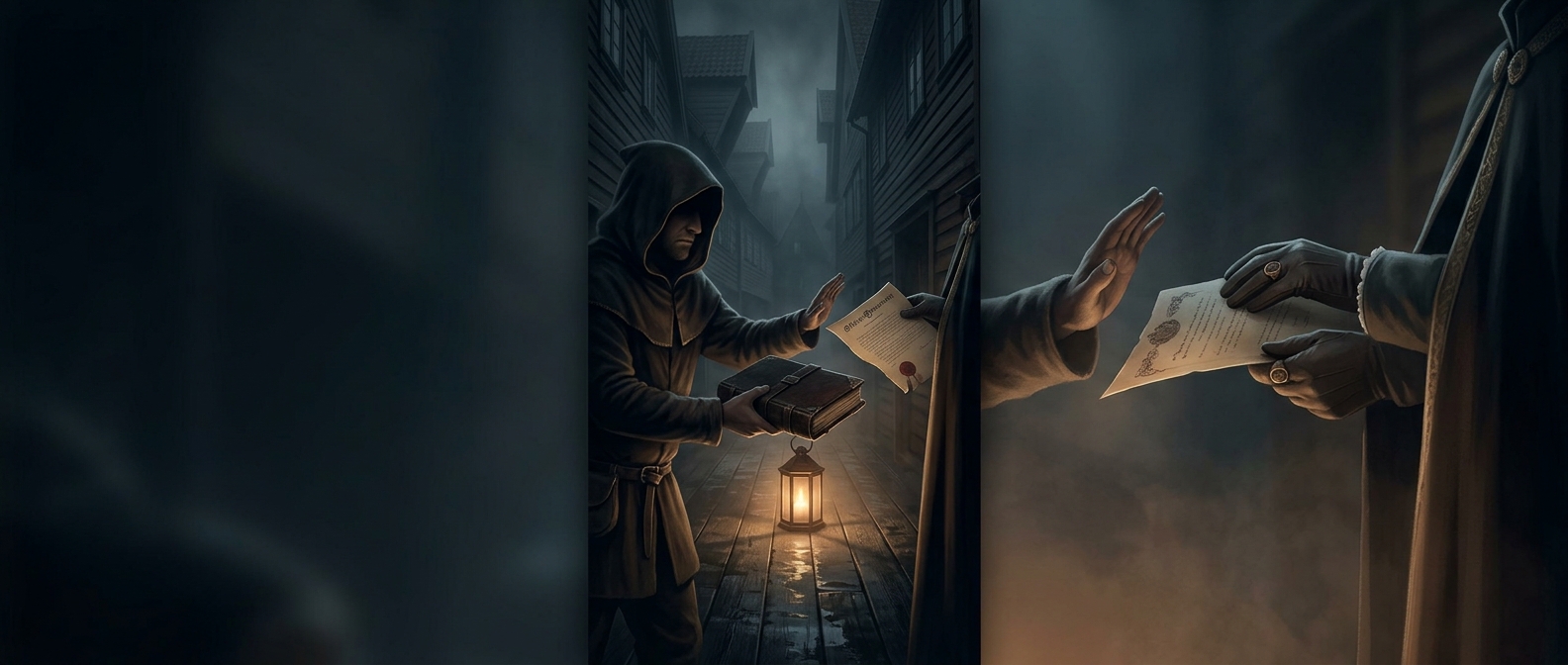
In the ancient Mediterranean, cinnamon arrived through long trading chains, but buyers far from its growing regions had little way to check where it came from or how it was collected. Greek and Roman writers recorded extraordinary tales about the spice’s origins, including accounts of cinnamon gathered from places guarded by deadly snakes. The details varied, and the stories are better read as reports of what people believed or were told—not as reliable descriptions of harvesting.
That uncertainty could serve a commercial purpose. If customers believed cinnamon could be obtained only at great risk, its scarcity and high price seemed more understandable. And if the route to its source remained mysterious, competitors had less chance of bypassing the merchants who controlled its arrival.
Secrecy was part of the supply chain
Ancient traders did not need to control every grove to profit from cinnamon. They could occupy the valuable middle ground: arranging transport, connecting distant producers with Mediterranean buyers, and managing access to information about where the spice originated. A dramatic tale helped make that expertise seem indispensable.
The story was not a literal guard posted beside the merchandise. It was a kind of commercial barrier made from distance and uncertainty. Buyers could purchase cinnamon, but tracing it back through unfamiliar ports, languages, and intermediaries was another matter. When the source stayed obscure, the people who knew the route gained leverage as well as a role in moving the spice.
The snake legend shows how trade could be protected without walls or armies: a supply line was guarded not only by its sellers, but by the stories that kept outsiders from finding their way to its beginning.