Why Roman Funeral Cloth Could Survive a Fire
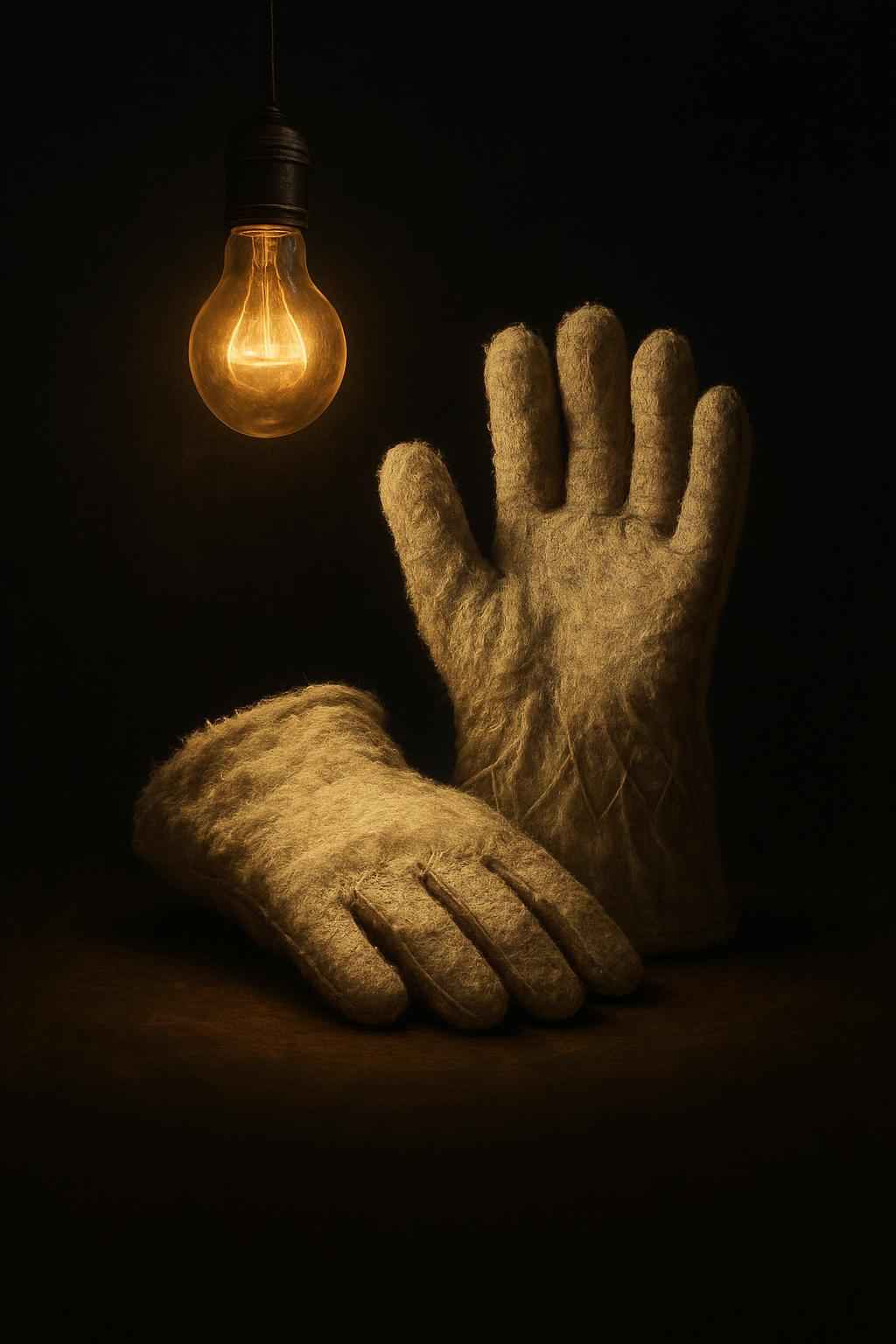
Roman writers described a remarkable cloth that could be cleaned by fire rather than water. The material was asbestos: a name for several naturally occurring minerals whose fibers can be spun into thread. Unlike ordinary plant or animal fibers, these minerals do not burn in a funeral pyre. A shroud woven with them could therefore remain after the body and other offerings had turned to ash.
A Practical Way to Separate the Ashes
That survival mattered in a cremation. Once the fire had cooled, mourners could recover the durable cloth and use it to gather the deceased’s remains, keeping them apart from the pyre’s charcoal and ash. The fabric was not magical or impervious to heat; it was made of mineral fibers that resisted combustion, though intense heat could still damage or alter them.
The same property made asbestos cloth seem almost self-cleaning. A dirty piece could be placed in a fire, burning away the grime while leaving the fibers. To observers accustomed to linen or wool shrinking, charring, or disappearing in flames, this was an astonishing material—and a useful one for more than funerals.
Wonder Before the Danger Was Understood
Asbestos’s fire resistance later made it valuable in products such as insulation and protective materials. But its tiny fibers can become airborne when the material is disturbed. If inhaled, they can lodge deep in the lungs and cause serious diseases, often after a long delay. The property that made asbestos seem extraordinary—fibers that endure when ordinary materials burn—also helps explain why they can persist in the body.
Roman funeral cloth shows how a striking material property could answer a practical need: the fire consumed the pyre, but the mineral weave remained to help collect what was left.