A closer look
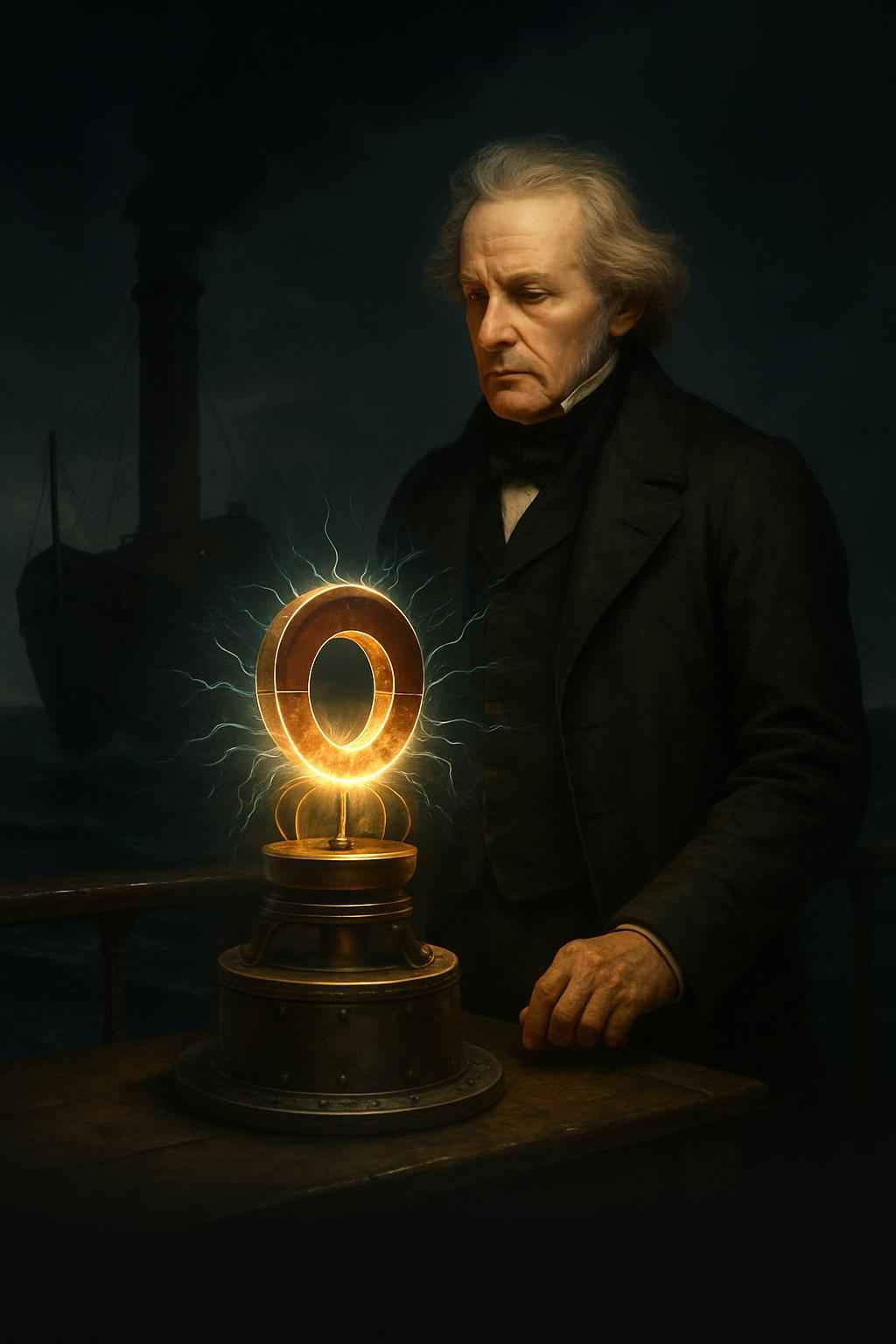
In 1831, a Scottish clergyman watched a ship power itself against the tide using nothing but the Earth’s magnetic field — or so he believed. His experiment failed, but his notes indirectly inspired Michael Faraday, whose electromagnetic studies changed the world. That forgotten reverend, Patrick Miller, existed in the faint margin between madness and genius, one of dozens whose half-mistaken dreams bridged superstition and science. History is littered with these beautiful accidents: Romans quarrying volcanic ash that unknowingly produced self-healing concrete, medieval monks diagramming the galaxy centuries early. Our modern certainty hides the same messy truth — progress often crawls from wild error, not calm logic. The real pattern of invention is feverish, fragile faith that failure might contain a seed of cosmic order.