A valuable plant with a narrow range
Silphium’s importance began with geography. Ancient accounts place it in the region around Cyrene, on the coast of what is now Libya. That limited growing area made the plant difficult to replace: merchants could move its products across the Mediterranean, but they could not easily move the wild plant’s habitat with them.
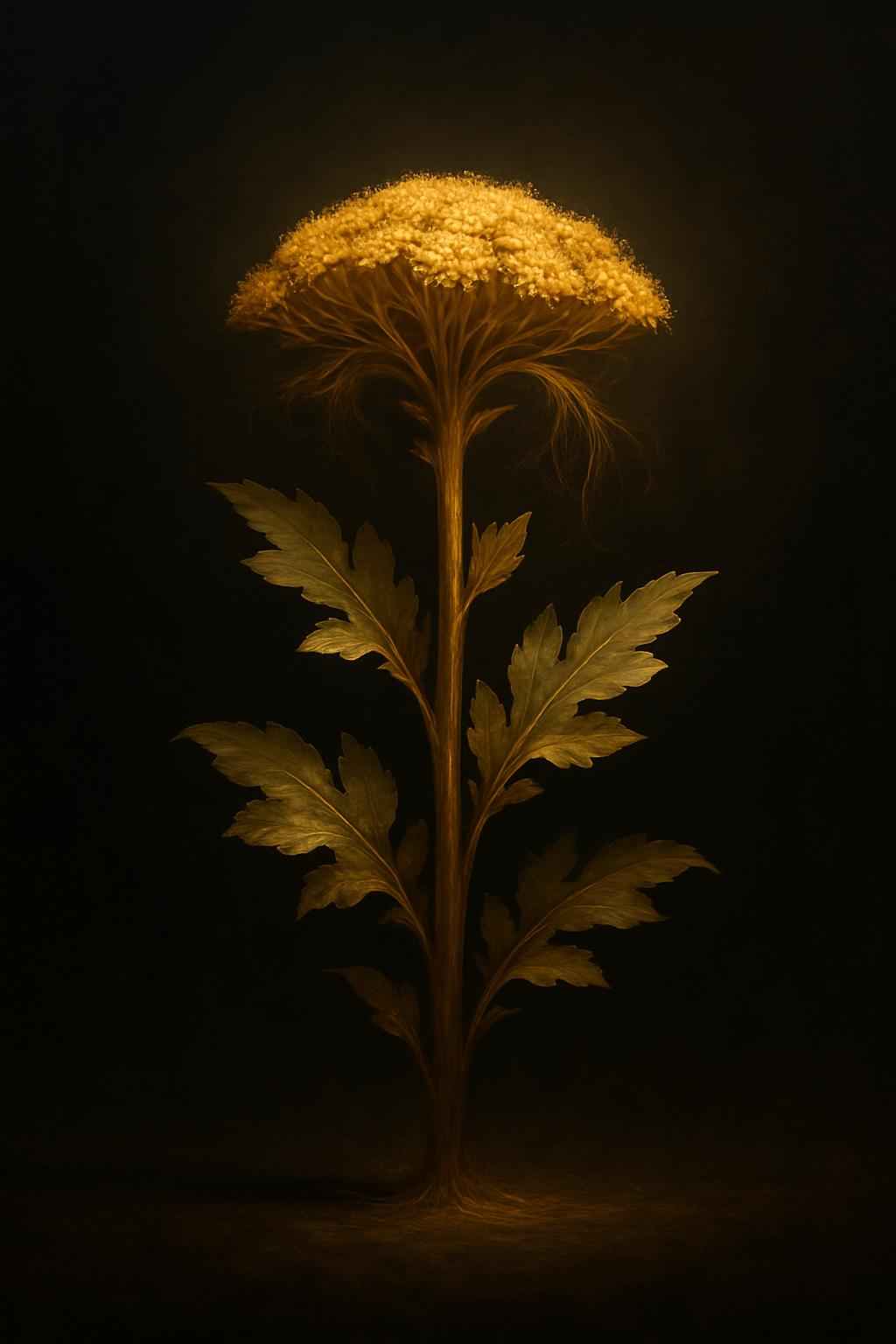
The most prized product was a resin collected from the plant and used as a seasoning and in remedies. In an era without modern refrigeration or standardized medicines, a substance valued for several uses could attract buyers well beyond its home region. Cyrene made silphium a civic emblem, too, putting images of the plant on its coins—a sign that this was not merely a household herb but part of the city’s public identity and trade.
Demand met a difficult supply
Silphium appears to have resisted cultivation. Ancient writers describe efforts to grow it elsewhere as unsuccessful, though the surviving accounts cannot establish exactly why. If merchants and collectors had to rely mainly on plants growing in the wild, rising demand could not be answered simply by planting more fields. Harvesting too heavily would then shrink the supply that future harvests depended on.
That helps explain the ancient story of silphium’s disappearance, but the details remain hard to prove. Its precise botanical identity is uncertain, and there is no modern specimen that can be confidently matched to the historical plant. Researchers therefore compare related species in the hope of narrowing down what silphium was—and whether any close relative might preserve clues to its properties.
What its loss changed
The episode is a reminder that trade can make a local resource famous while leaving its ecological limits in place. A plant’s reputation may travel across an empire; the plant itself still depends on a particular landscape and enough time to reproduce. Cyrene’s coins preserve its image, but they cannot tell us how much silphium remained in the fields when the trade finally failed.