
A closer look
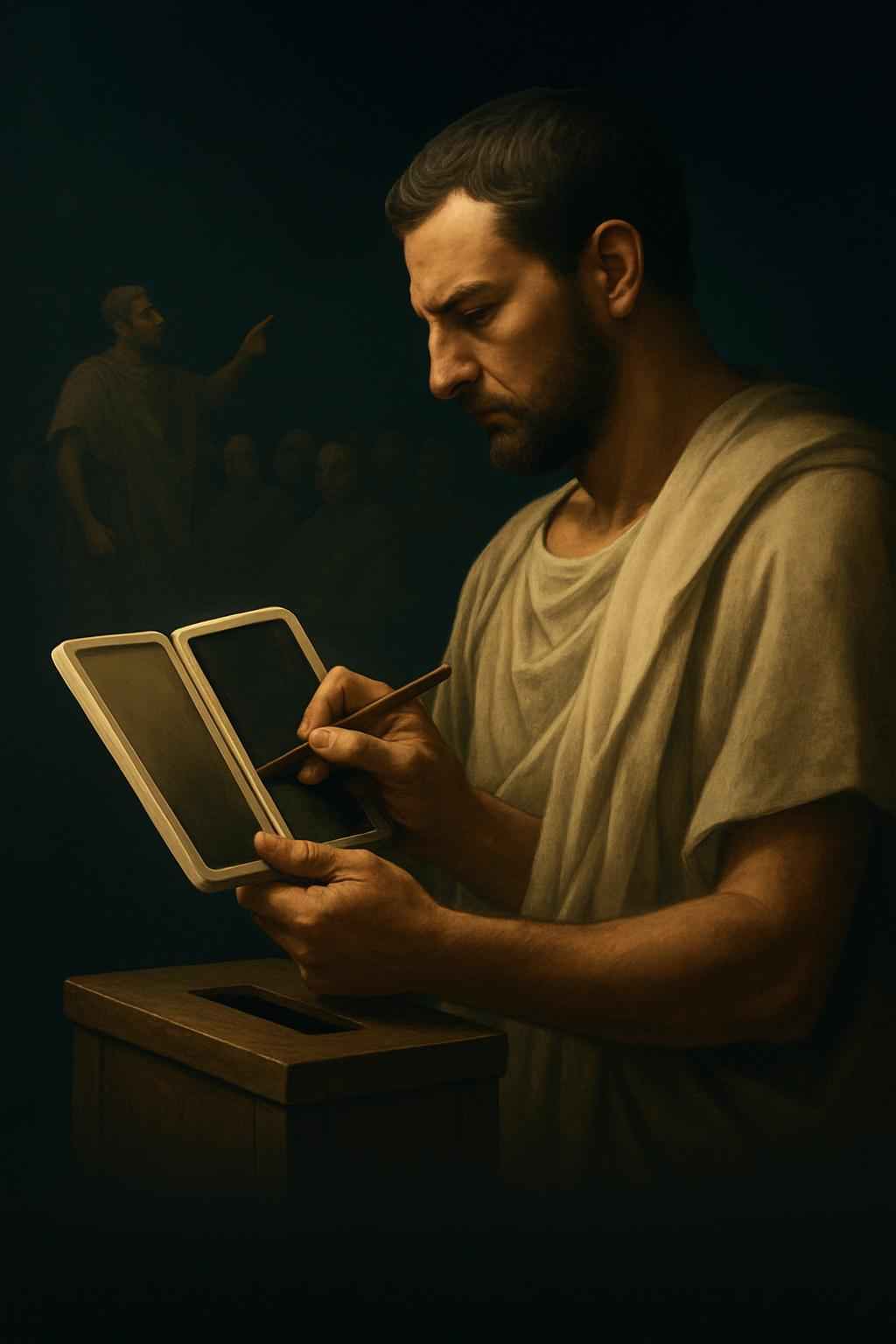
In the Roman Republic, voting was public. Citizens declared their choice aloud, forcing allegiance to powerful patrons. When the secret ballot arrived centuries later, chaos followed—politicians lost instant control over their clients. But beneath that reform lurked innovation: wax tablets that folded inward like envelopes, concealing choices. The idea of private conscience emerged from pure practicality: avoiding retaliation. The same revolution echoes in every touchscreen poll today. Our privacy tools—encryption, passwords—descend from fearful whispers of ancient voters hiding ink stains. History hides in our interfaces. When you log in anonymously, you reenact a decision sparked in dusty forums where voices once shook empires. A small slip of wax once changed the power dynamics of a civilization; our digital equivalents still decide how free we truly are when we click.