History
Discover facts about history. Small discoveries that change the way you see familiar things.
History
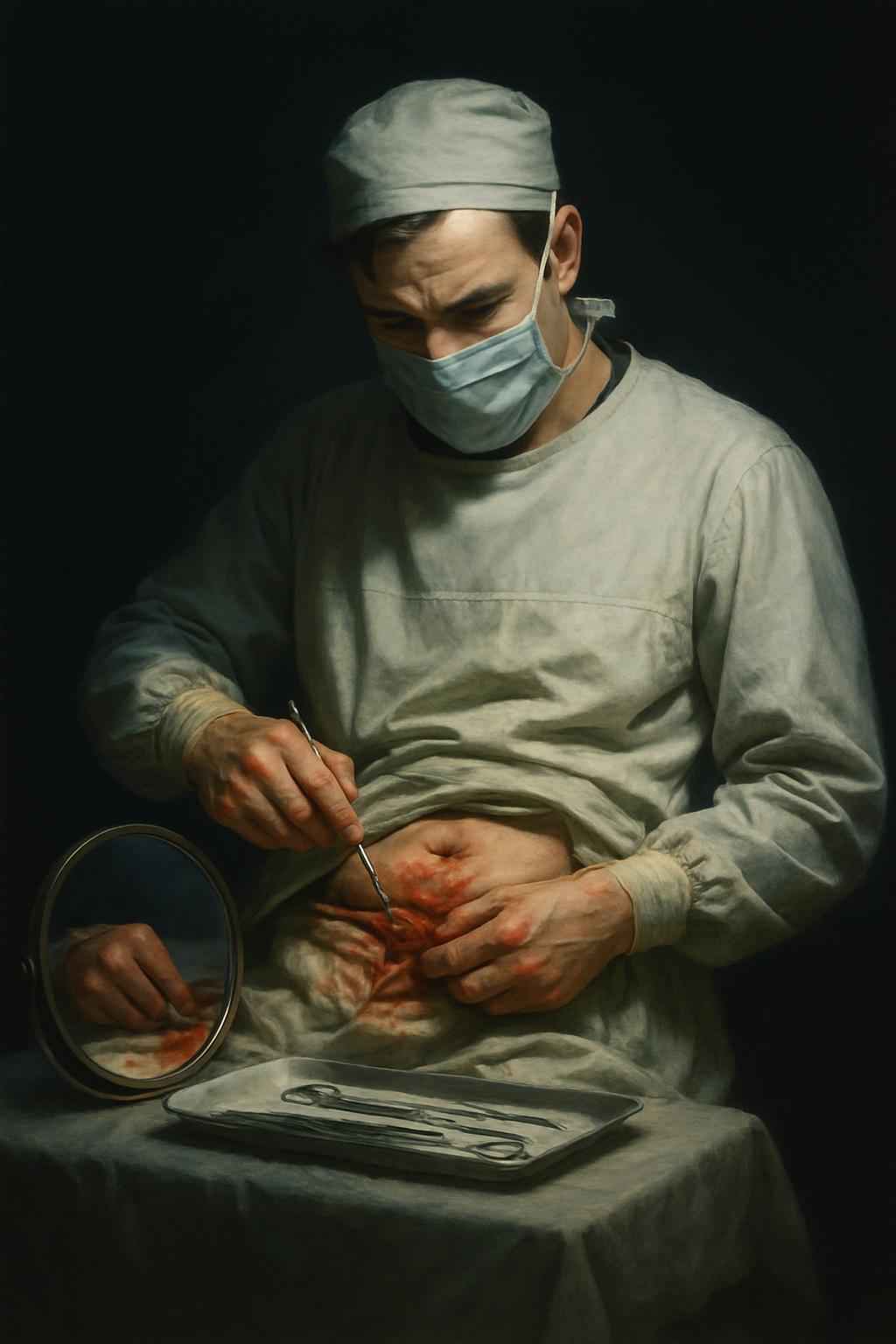
Antarctica’s only doctor at his station removed his own appendix.
Antarctica’s only doctor at his station removed his own appendix. In 1961, Leonid Rogozov operated under local anesthesia while colleagues helped with…
Discover more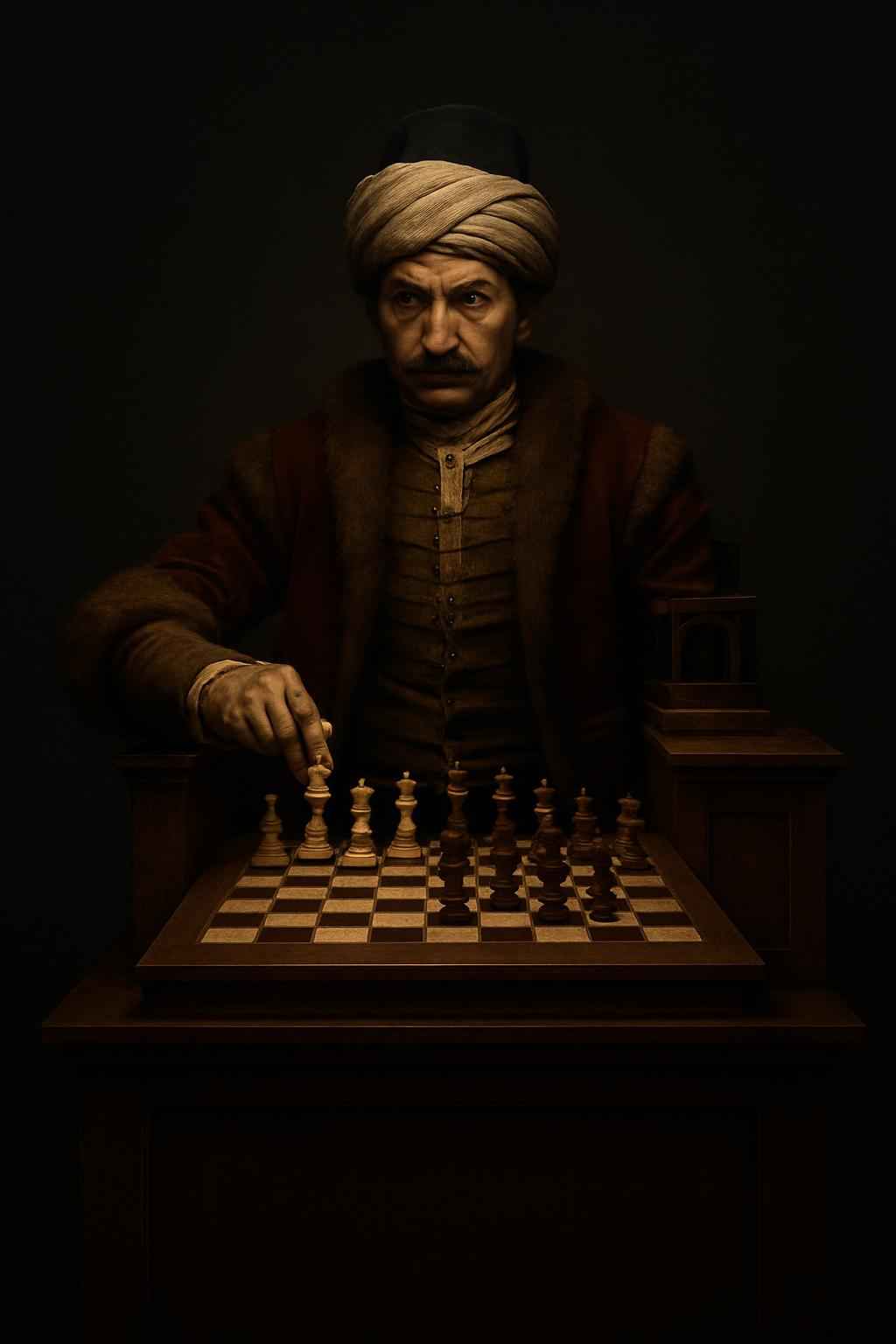
In 1770, an Austrian inventor unveiled a machine called the Turk—a wooden automaton that could supposedly play chess and win.
In 1770, an Austrian inventor unveiled a machine called the Turk—a wooden automaton that could supposedly play chess and win. A chess master hidden inside…
Discover more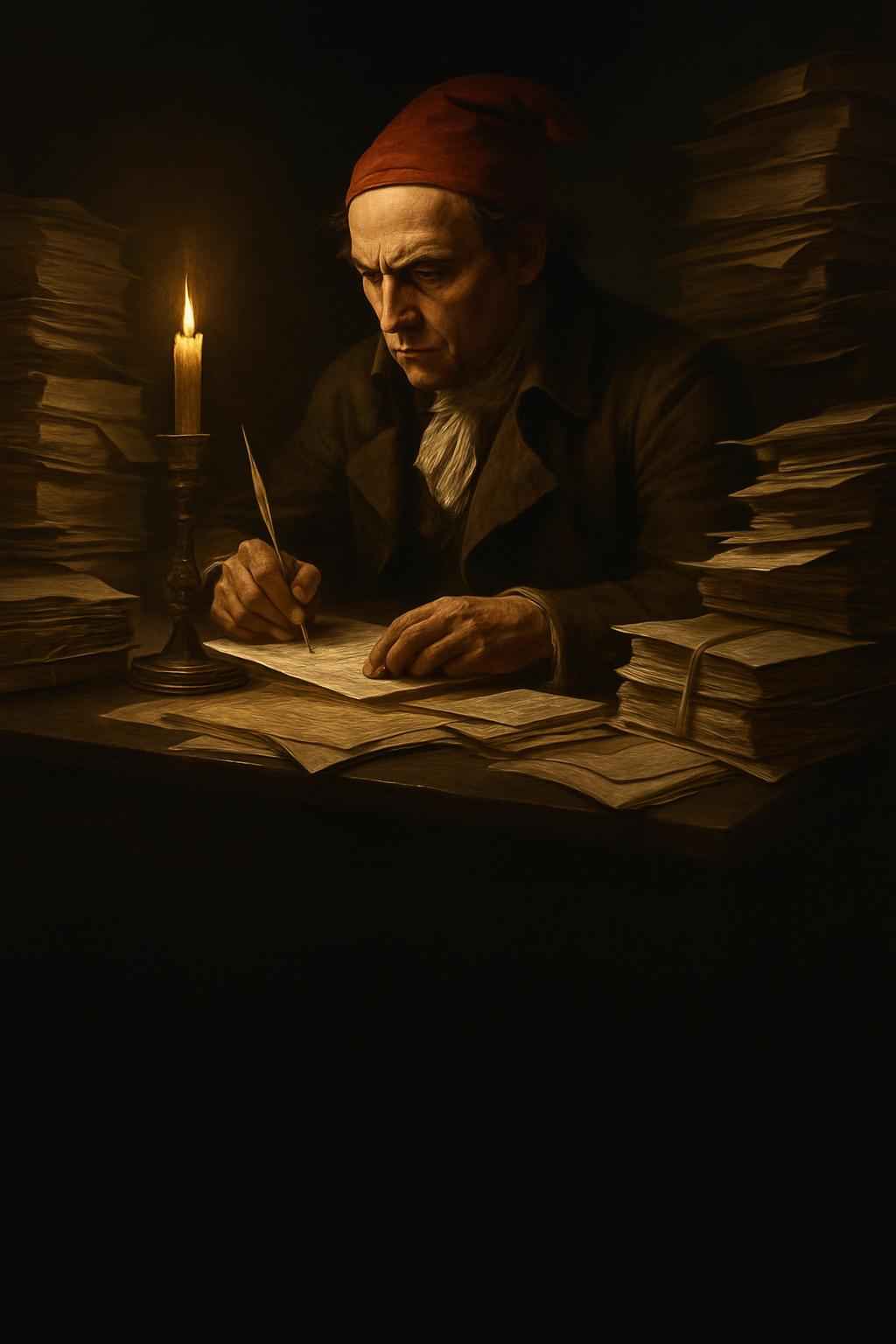
Paris, 1793.
Paris, 1793. Authorities used lists and censuses to make people easier to track, while denunciations turned neighbors’ accusations into leads. Paperwork meant…
Discover more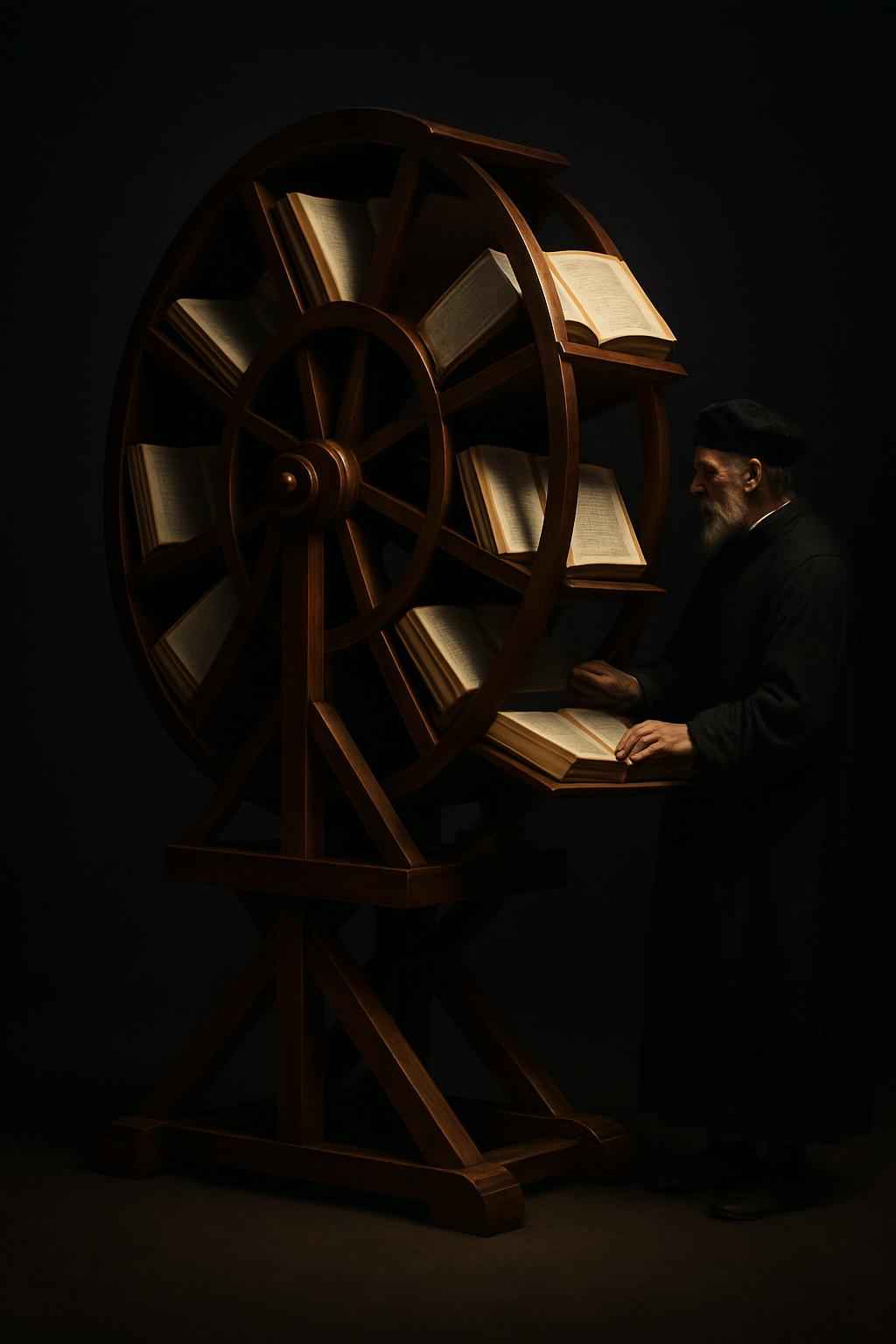
A Renaissance engineer designed a wheel for switching between open books.
A Renaissance engineer designed a wheel for switching between open books. Agostino Ramelli's 1588 illustration shows a rotating structure that brings…
Discover more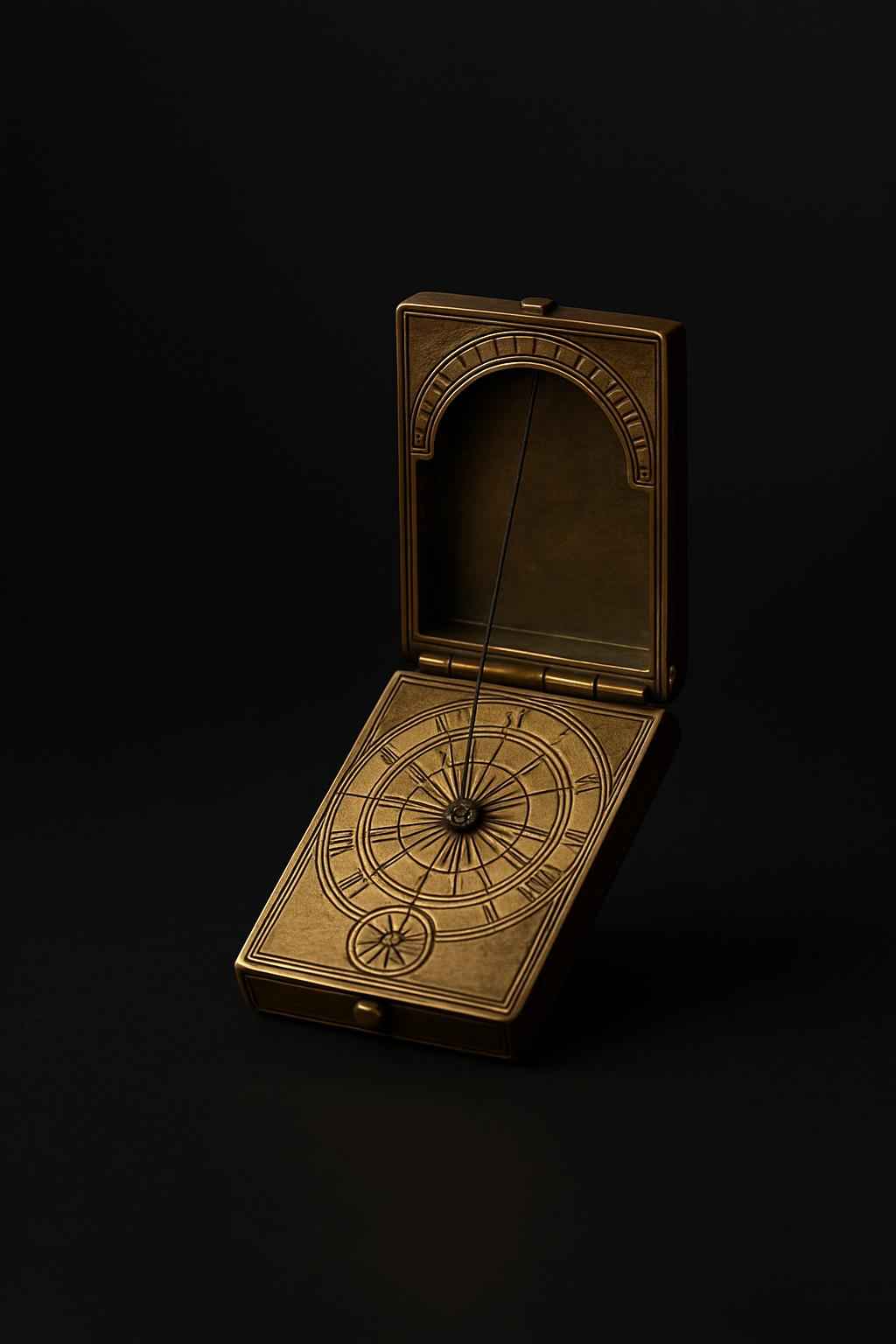
Centuries before smartphones, people were obsessed with another handheld device: the portable sundial.
Centuries before smartphones, people were obsessed with another handheld device: the portable sundial. Because the shadow depended on the sun's path, each…
Discover more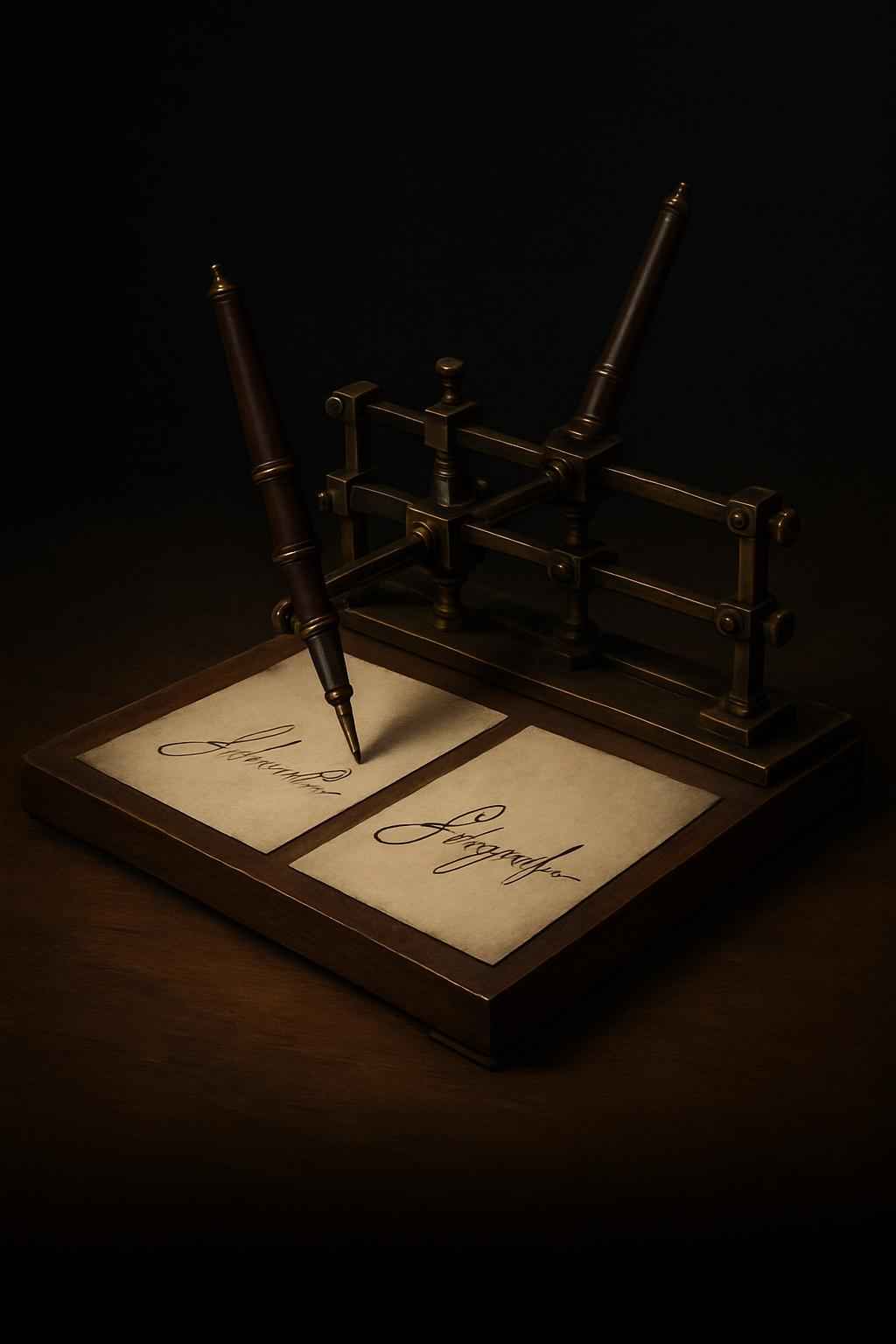
Jefferson's copying machine used two pens at once.
Jefferson's copying machine used two pens at once. A polygraph linked the pen in his hand to a second pen, producing a duplicate as he wrote. Jefferson used…
Discover more STACKY FOR IPHONE
A bigger world.
One discovery
at a time.
Keep discovering with Stacky. Interesting facts in an app that is always within reach.
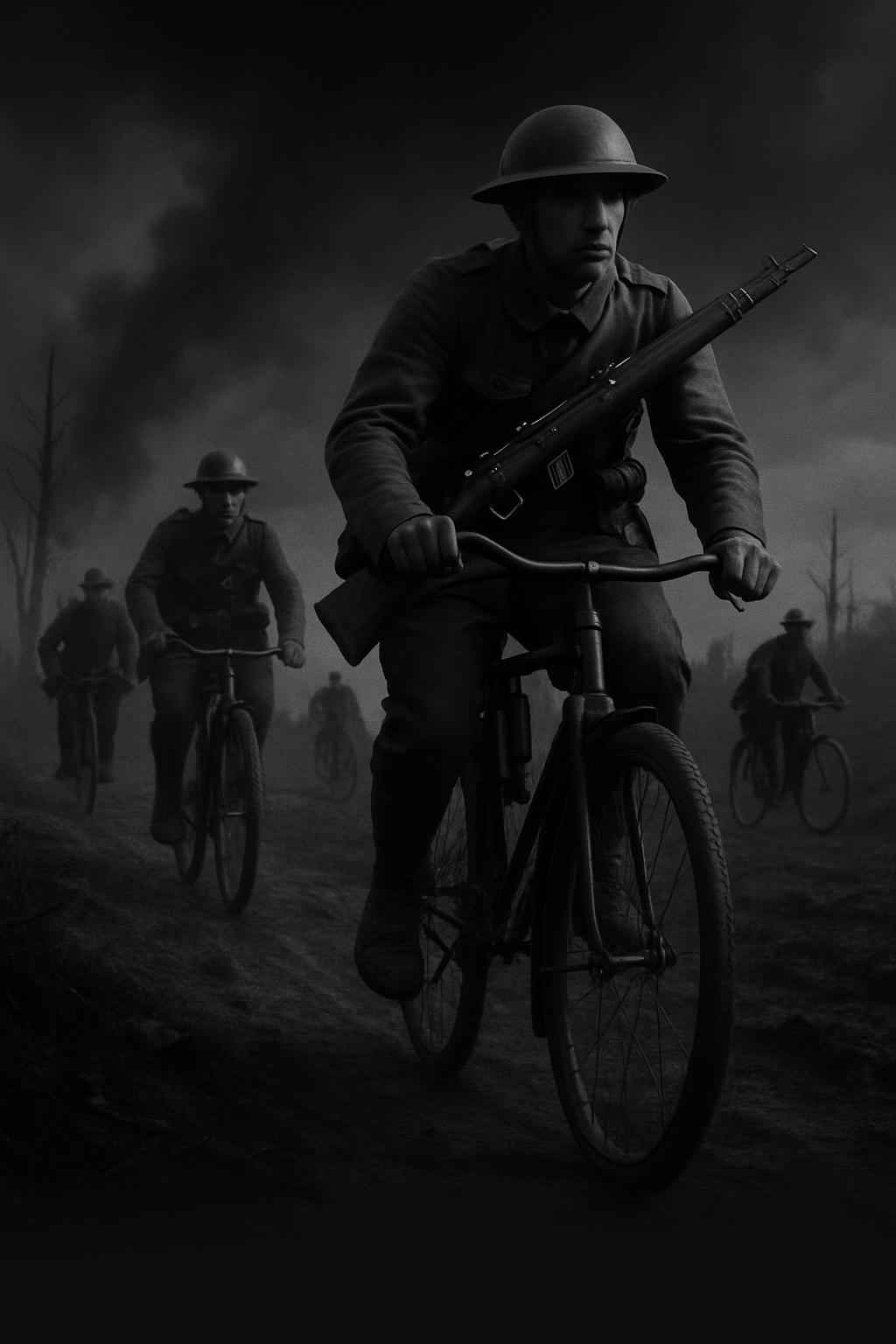
Bicycle Soldiers of 1914 — Before tanks and drones, armies experimented with two-wheelers.
Bicycle Soldiers of 1914 — Before tanks and drones, armies experimented with two-wheelers. The bikes offered mobility, not protection: battalions pedaled…
Discover more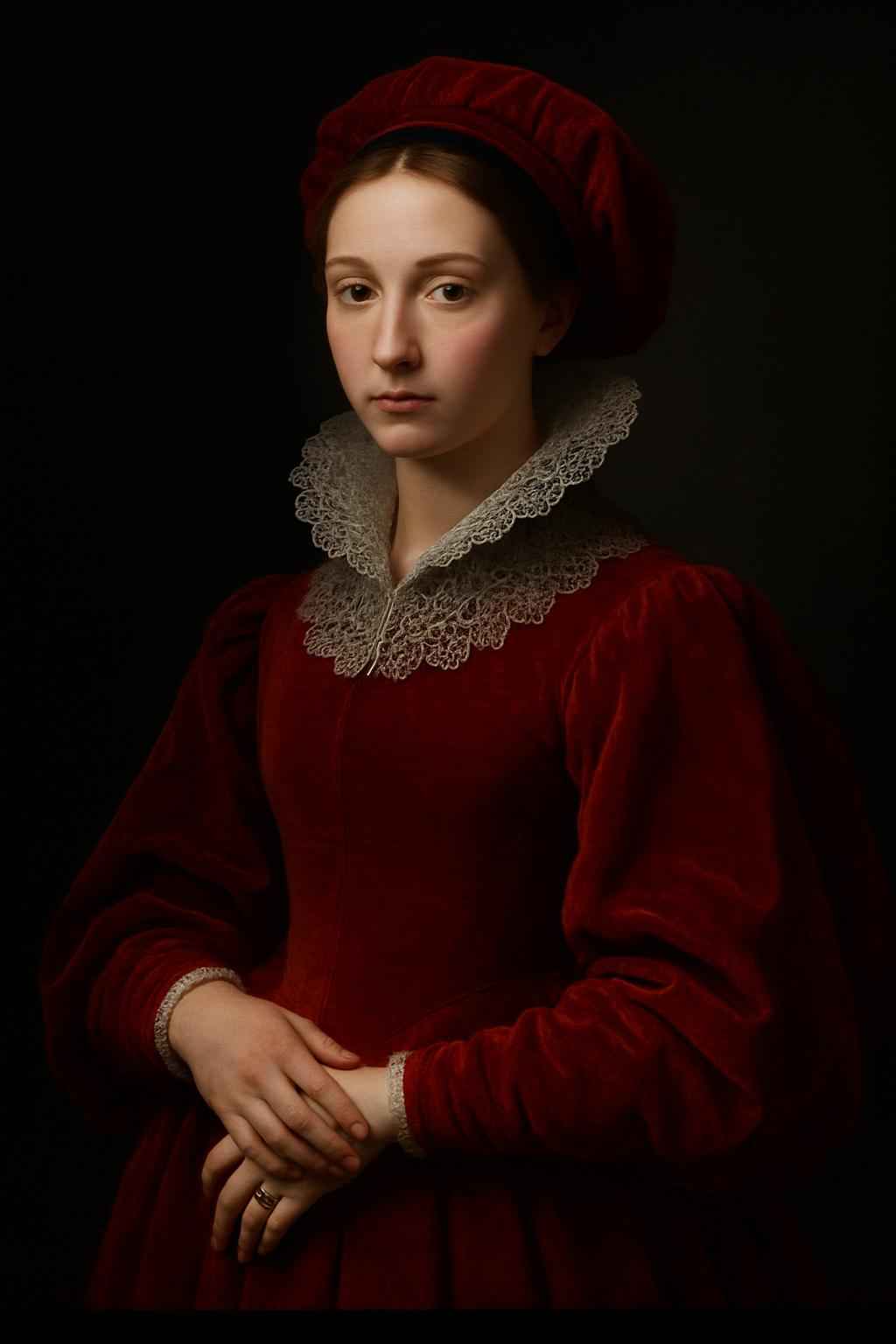
When Velvet Was Dangerous: The Class Politics of Color in the Renaissance.
When Velvet Was Dangerous: The Class Politics of Color in the Renaissance. In 15th-century Florence, rules against luxury could mean fines or arrest for…
Discover more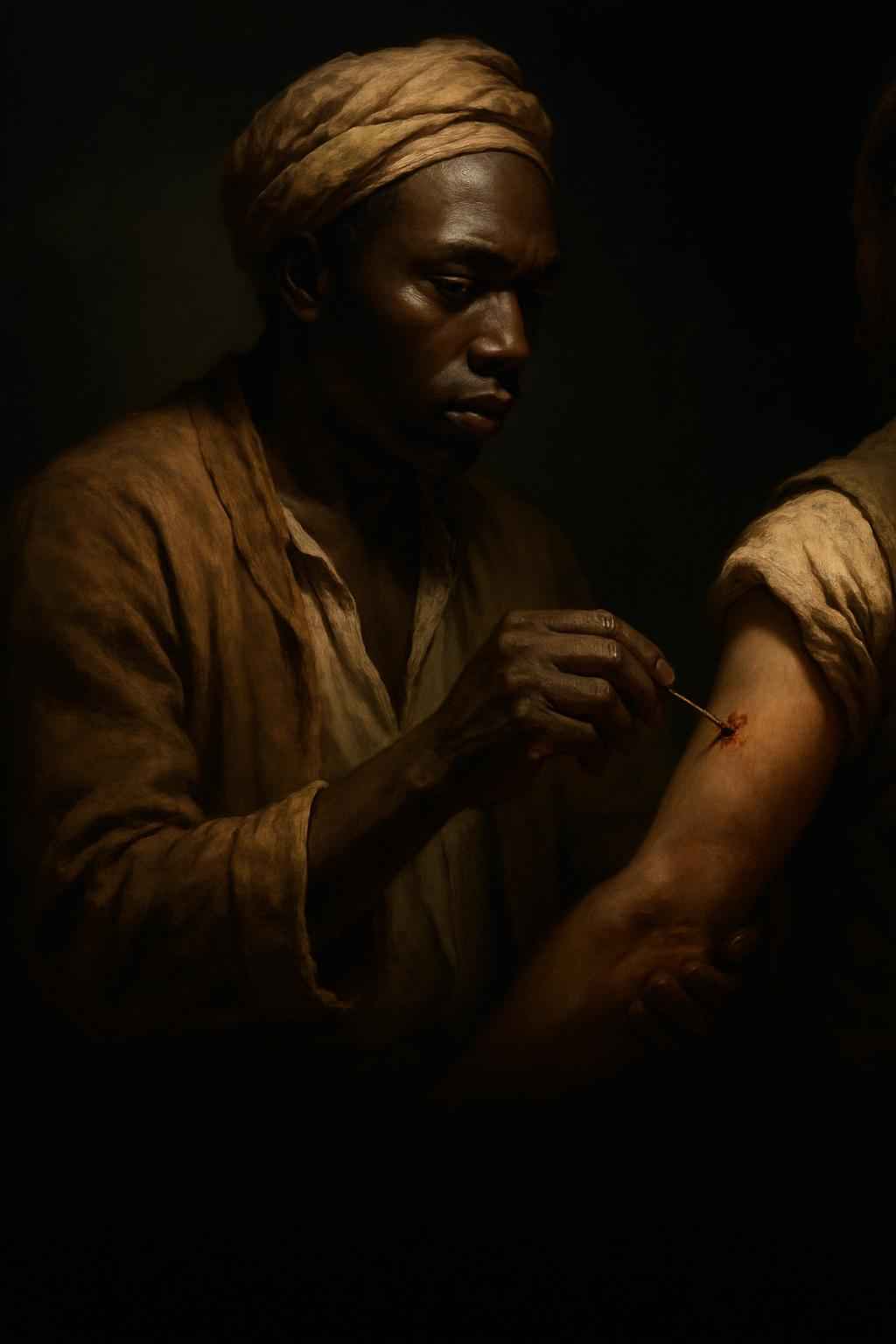
An enslaved man's knowledge helped change Boston's smallpox response.
An enslaved man's knowledge helped change Boston's smallpox response. Onesimus told Cotton Mather about inoculation practiced in Africa. During Boston's 1721…
Discover more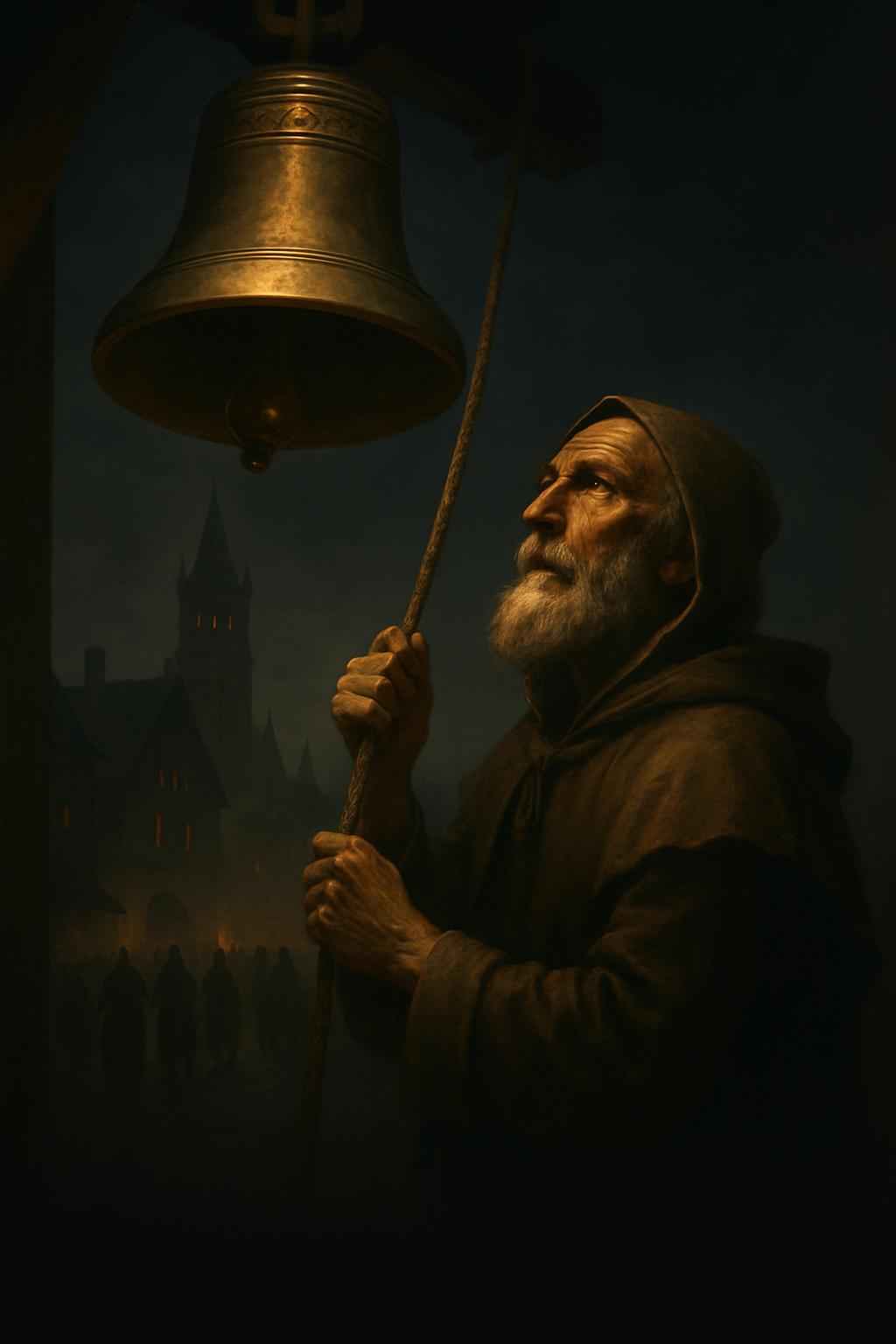
Before smartphones, the greatest social notification ever invented was the town bell.
Before smartphones, the greatest social notification ever invented was the town bell. One bell-ringer could reach people across town, announcing deaths,…
Discover more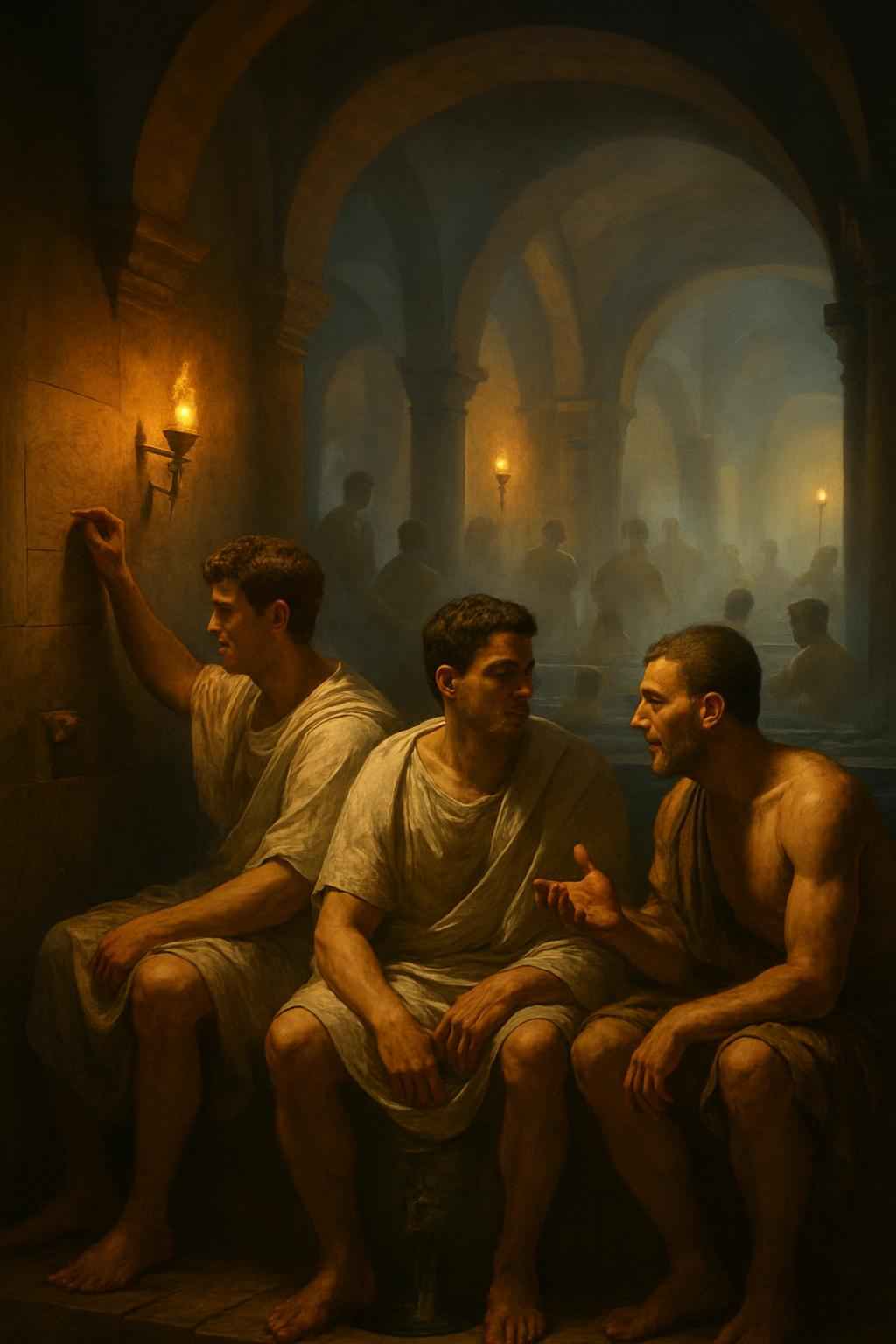
Before smartphones, the Romans built an early social network — via public baths and communal latrines.
Before smartphones, the Romans built an early social network — via public baths and communal latrines. Baths and latrines put people together in shared…
Discover more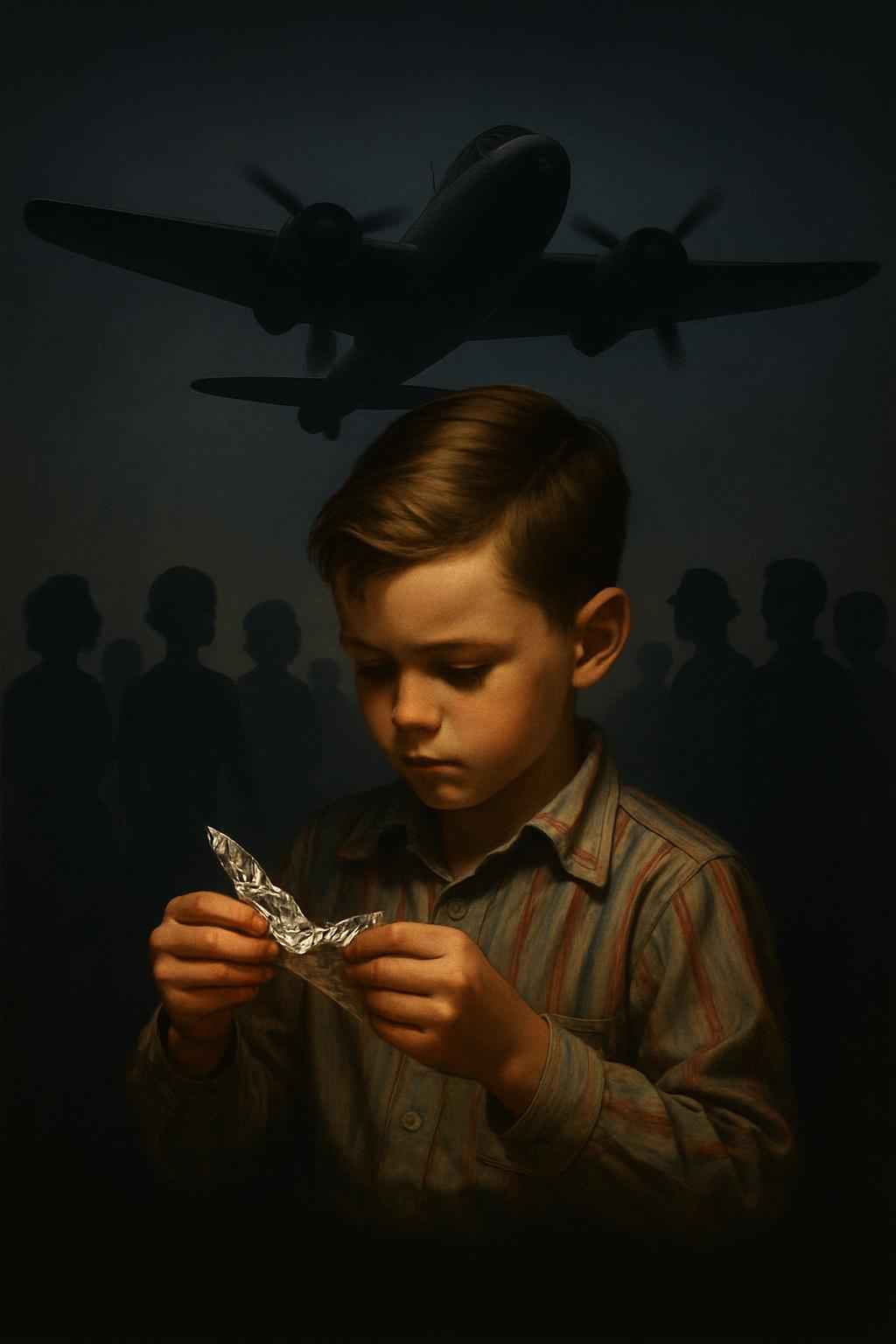
During World War II, entire neighborhoods taught children to fold foil because adults said it would help build planes.
During World War II, entire neighborhoods taught children to fold foil because adults said it would help build planes. Most of the foil never reached…
Discover more
Fines in Salt and Ghost Weddings: In 900 CE China, families occasionally held symbolic marriages between deceased single adults, uniting two spirits to ease family shame over…
Fines in Salt and Ghost Weddings: In 900 CE China, families occasionally held symbolic marriages between deceased single adults, uniting two spirits to ease…
Discover more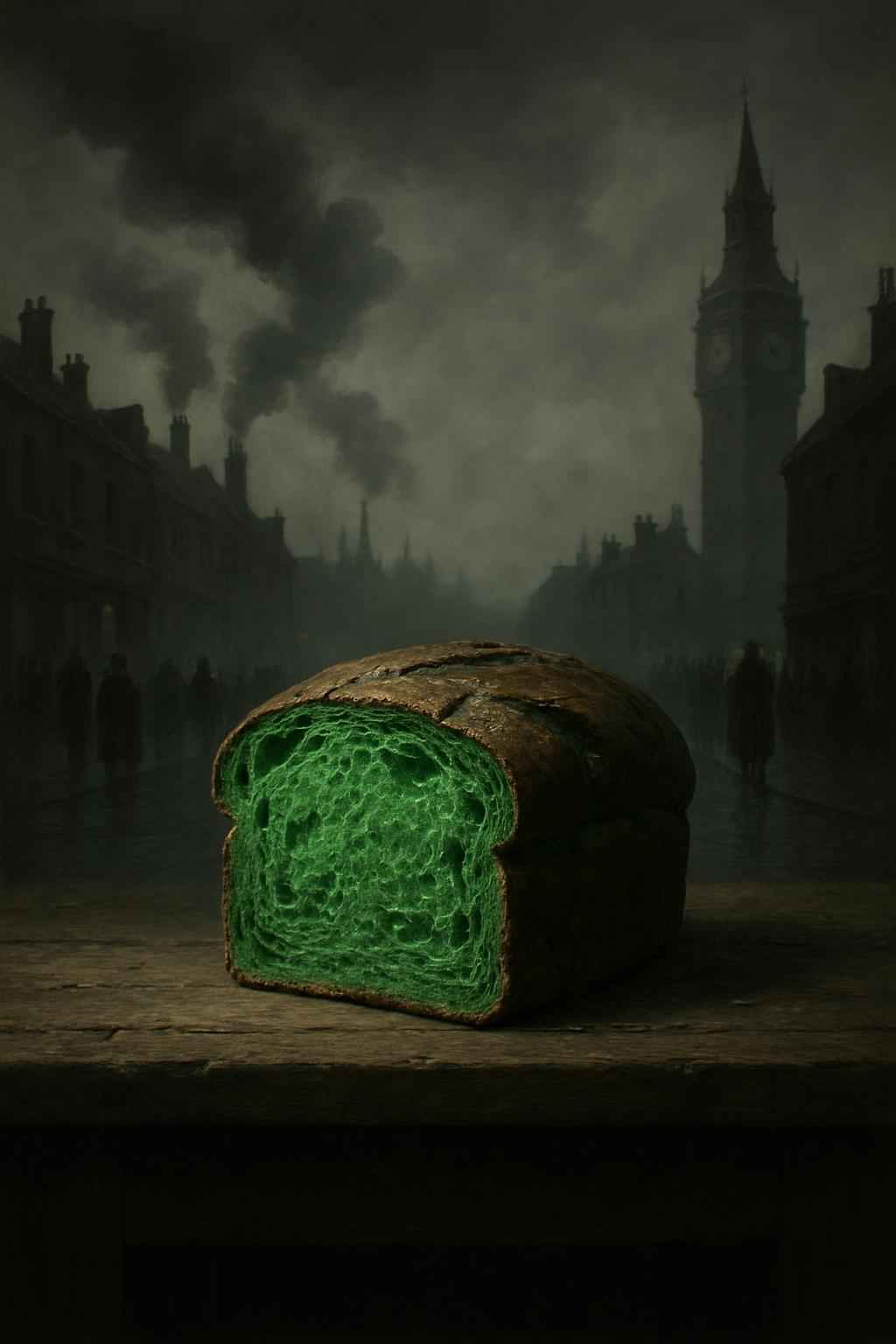
Bread whiteness once hid a chemical shortcut.
Bread whiteness once hid a chemical shortcut. In his 1820 exposé of food adulteration, chemist Frederick Accum described alum being added to bread. It could…
Discover more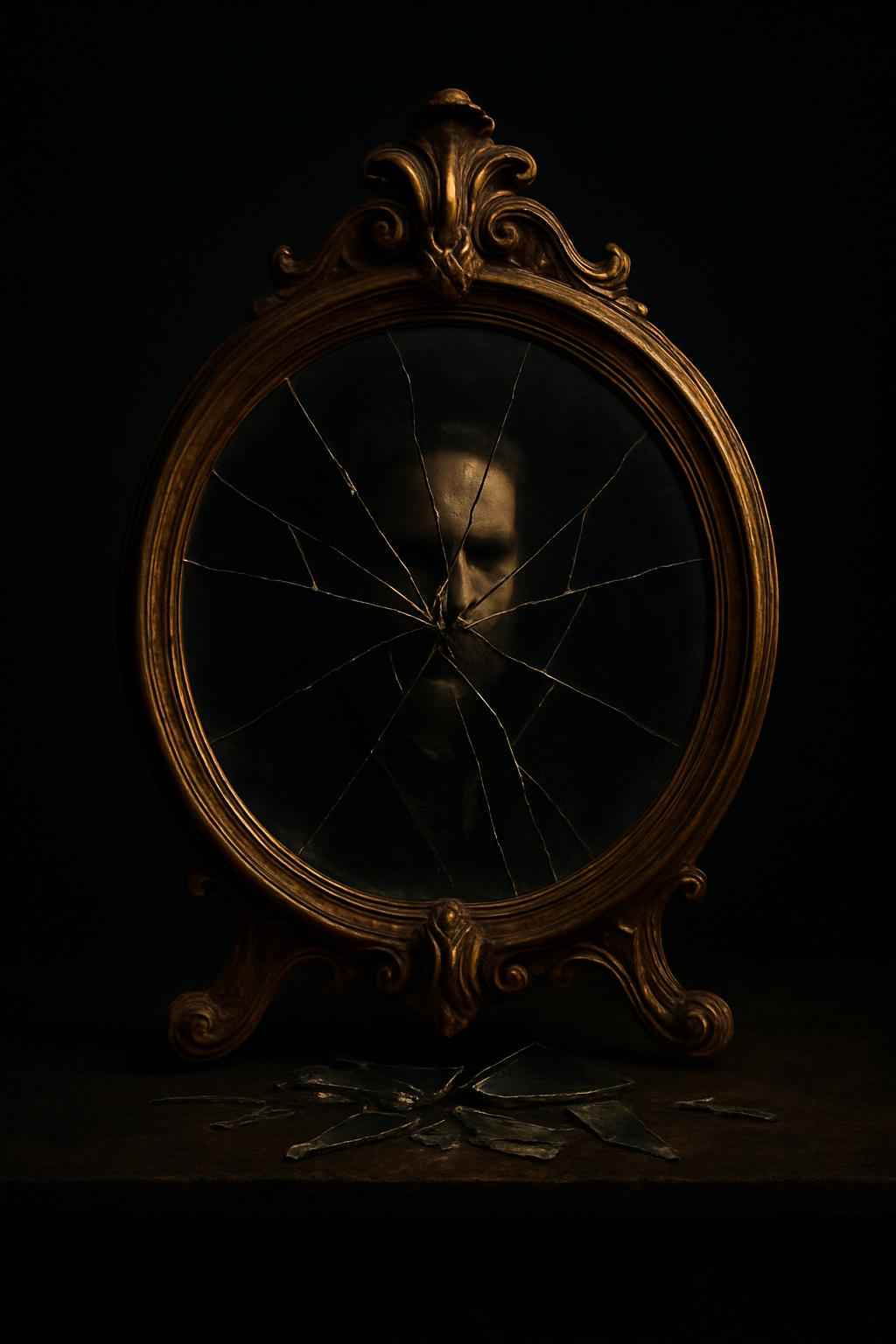
Venice treated mirror-making secrets like state secrets.
Venice treated mirror-making secrets like state secrets. Its prized glass brought in money and prestige, so exporting skilled workers threatened more than one…
Discover more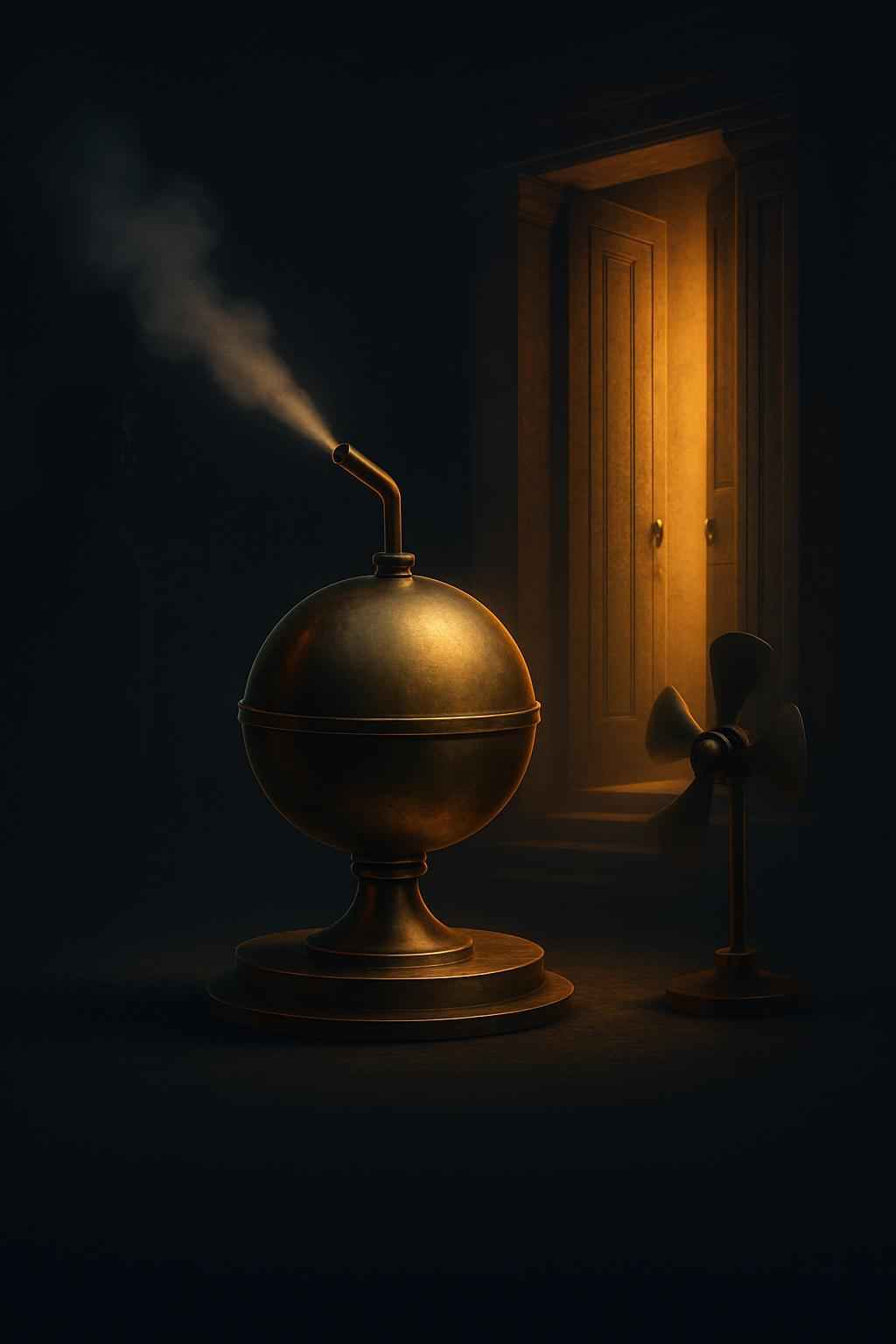
There’s a forgotten invention from 1st-century Alexandria that almost launched an industrial revolution two millennia early: Heron’s steam engine.
There’s a forgotten invention from 1st-century Alexandria that almost launched an industrial revolution two millennia early: Heron’s steam engine. Steam could…
Discover more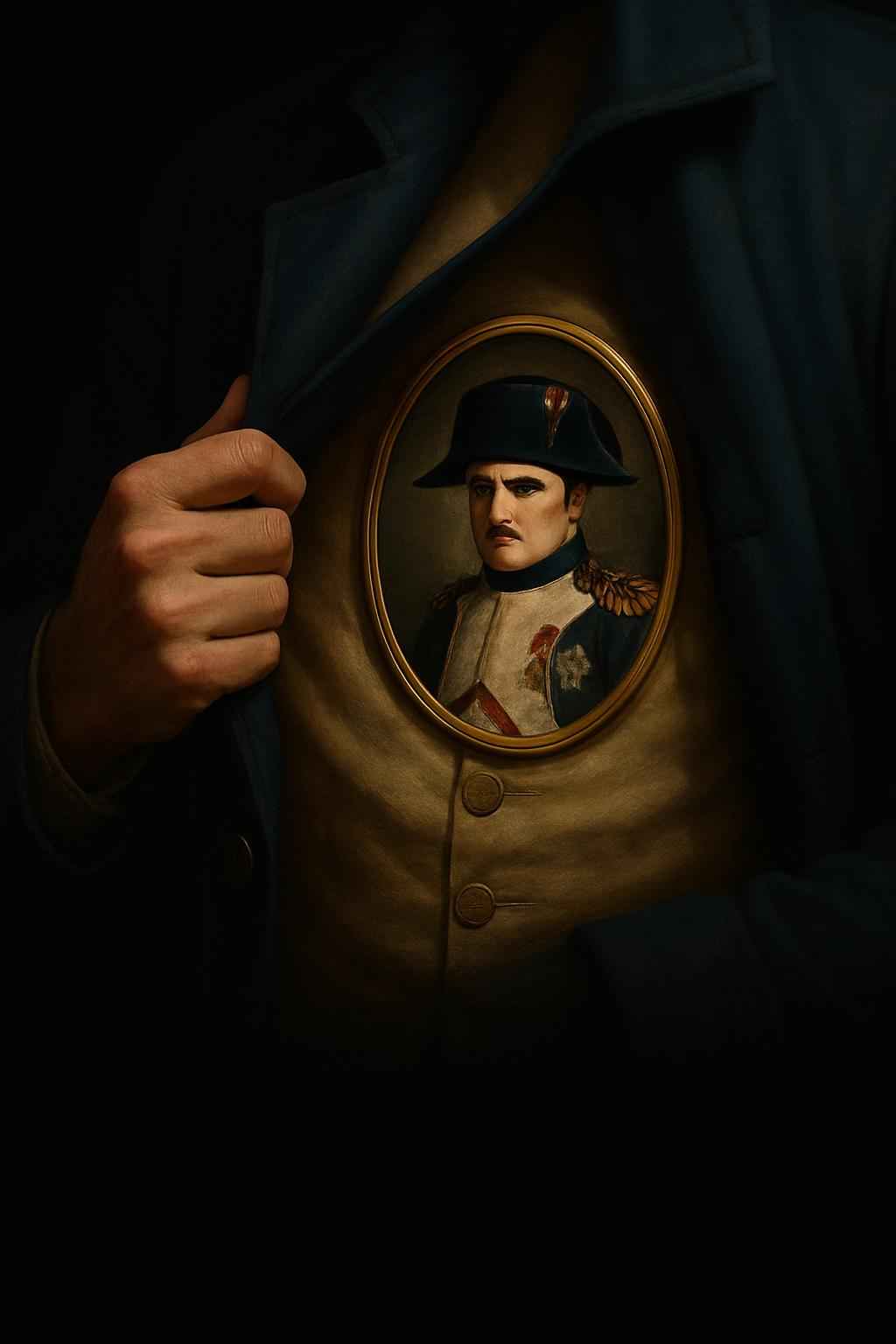
Napoleon gave officials pocket-size portraits of himself.
Napoleon gave officials pocket-size portraits of himself. Miniatures of the emperor were mounted on ornate presentation boxes, with their luxury reflecting…
Discover more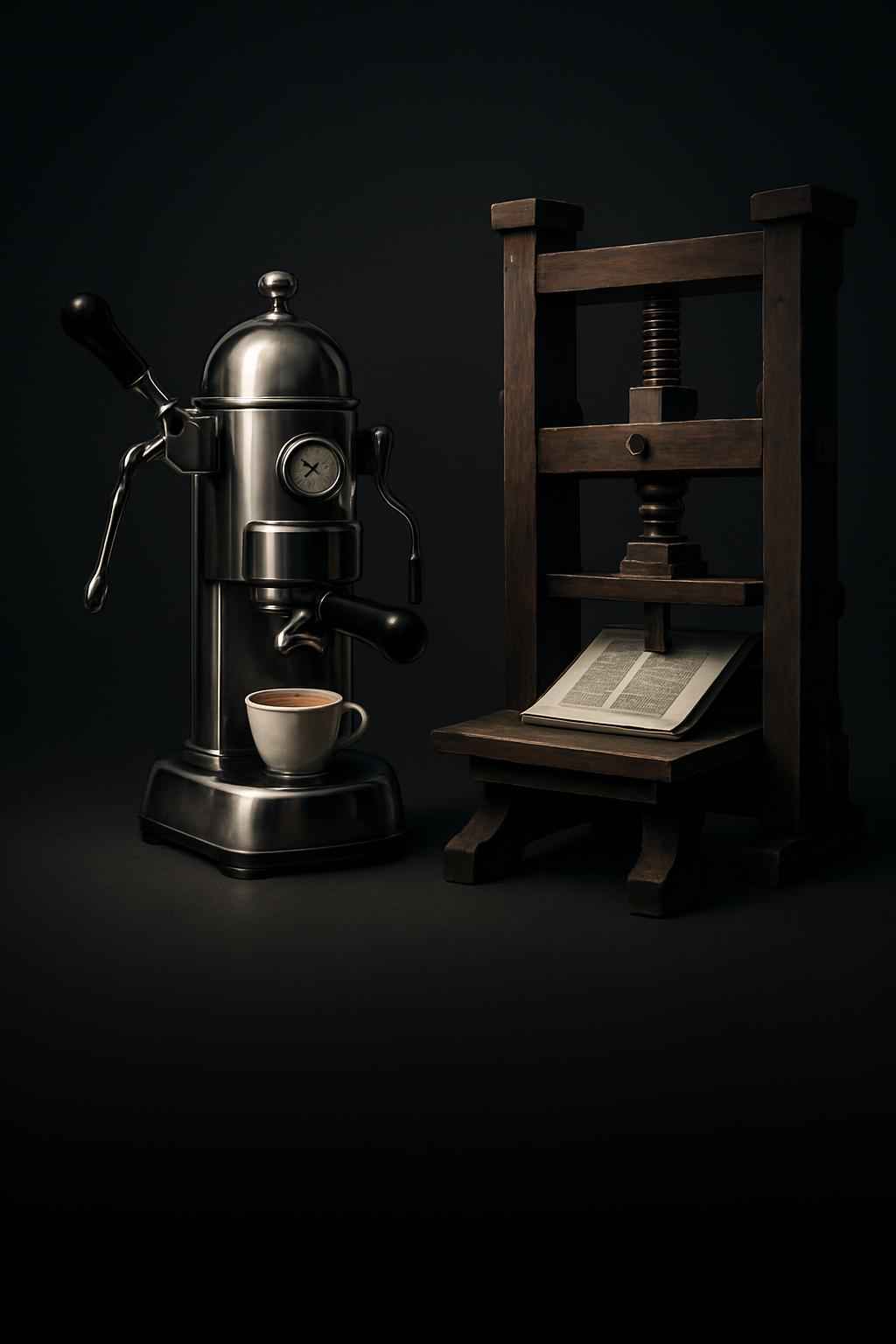
Gutenberg combined familiar mechanics into a new publishing system.
Gutenberg combined familiar mechanics into a new publishing system. Screw presses already applied pressure in crafts and food production, providing a…
Discover more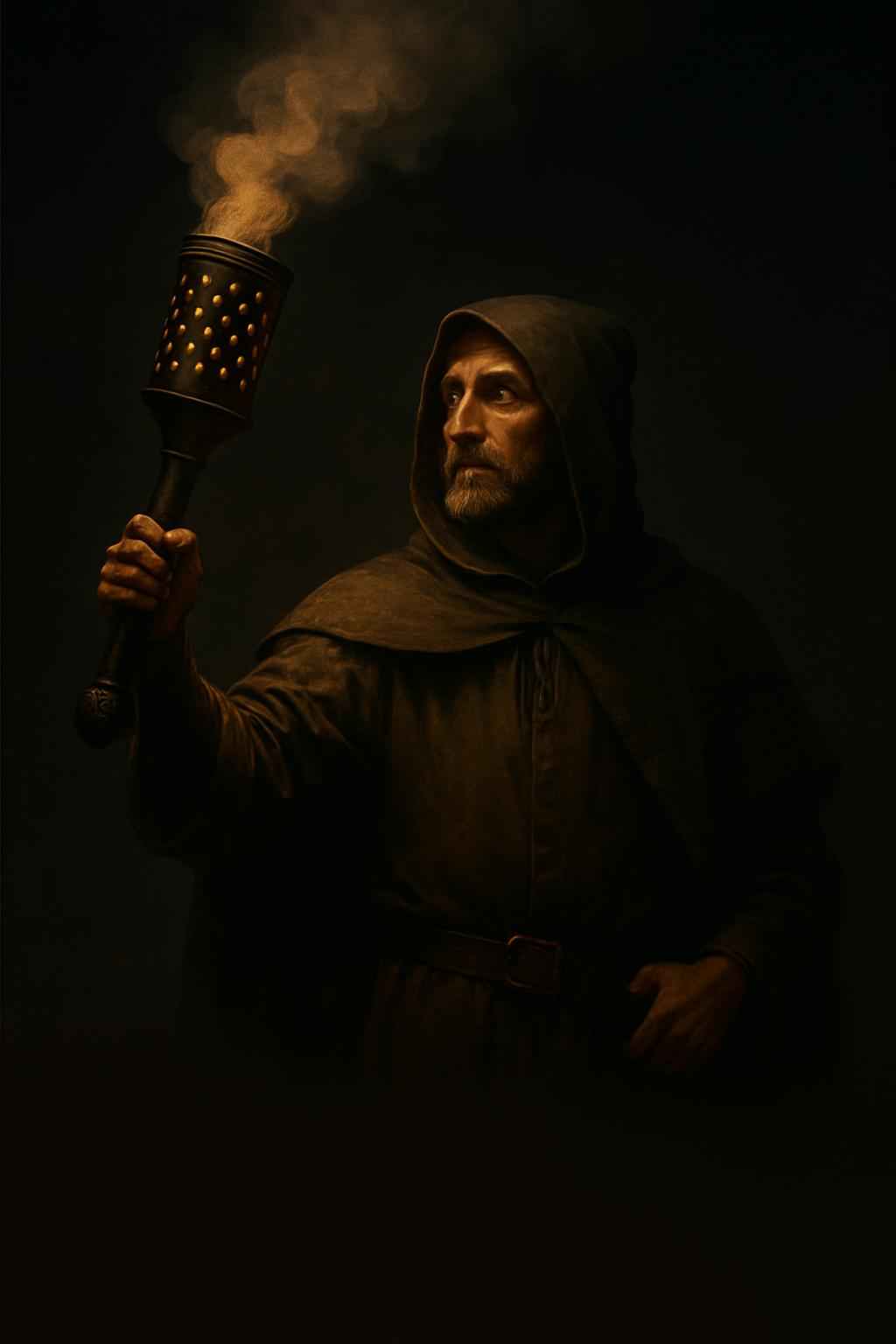
Before streetlights, an iron basket could hold the night's fire.
Before streetlights, an iron basket could hold the night's fire. Cressets held burning material such as pitch-soaked rope or oily rags in an open metal frame.…
Discover more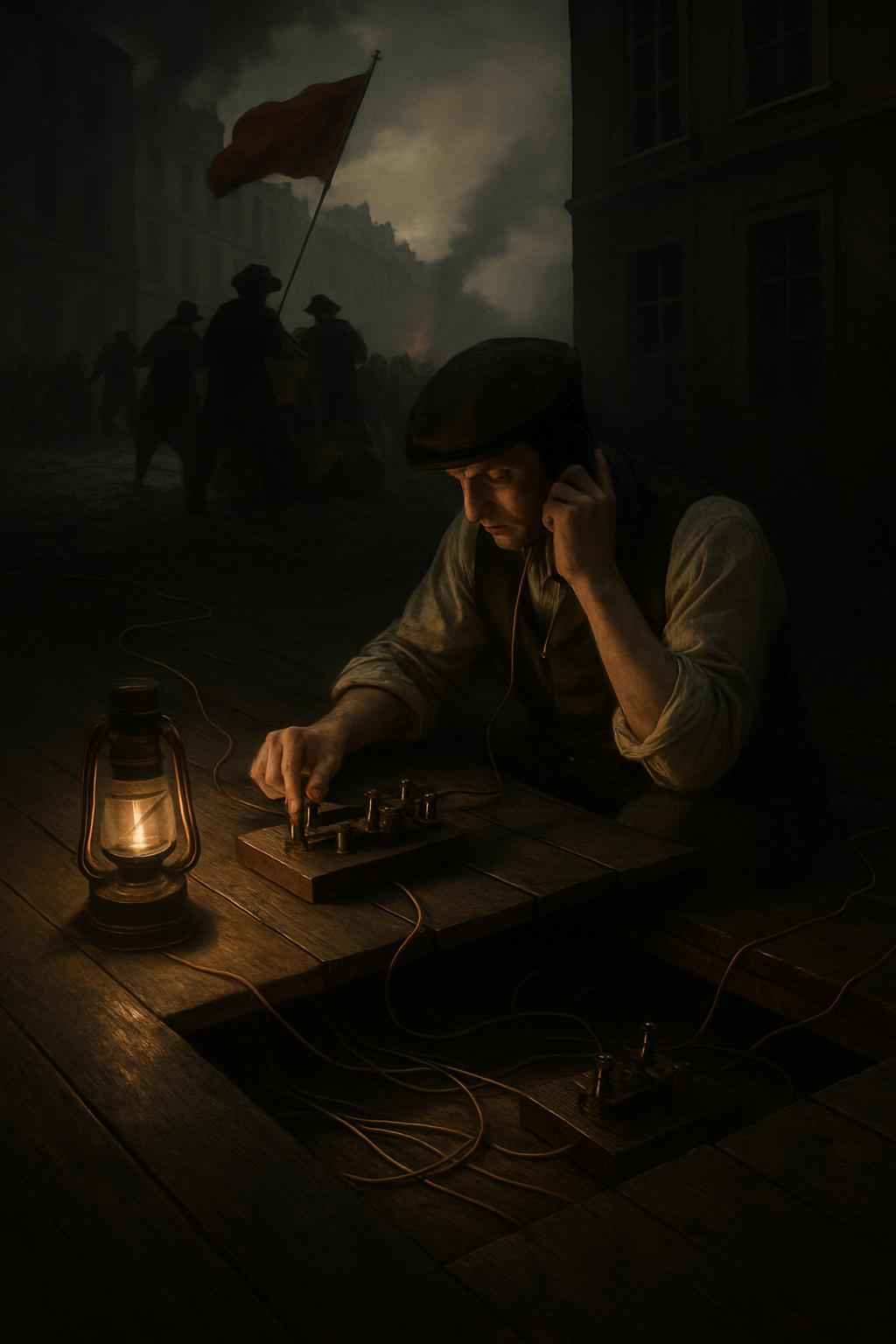
Besieged Paris sent mail out by balloon and back by pigeon.
Besieged Paris sent mail out by balloon and back by pigeon. During the 1870–71 siege, balloons carried letters and homing pigeons beyond the surrounding…
Discover more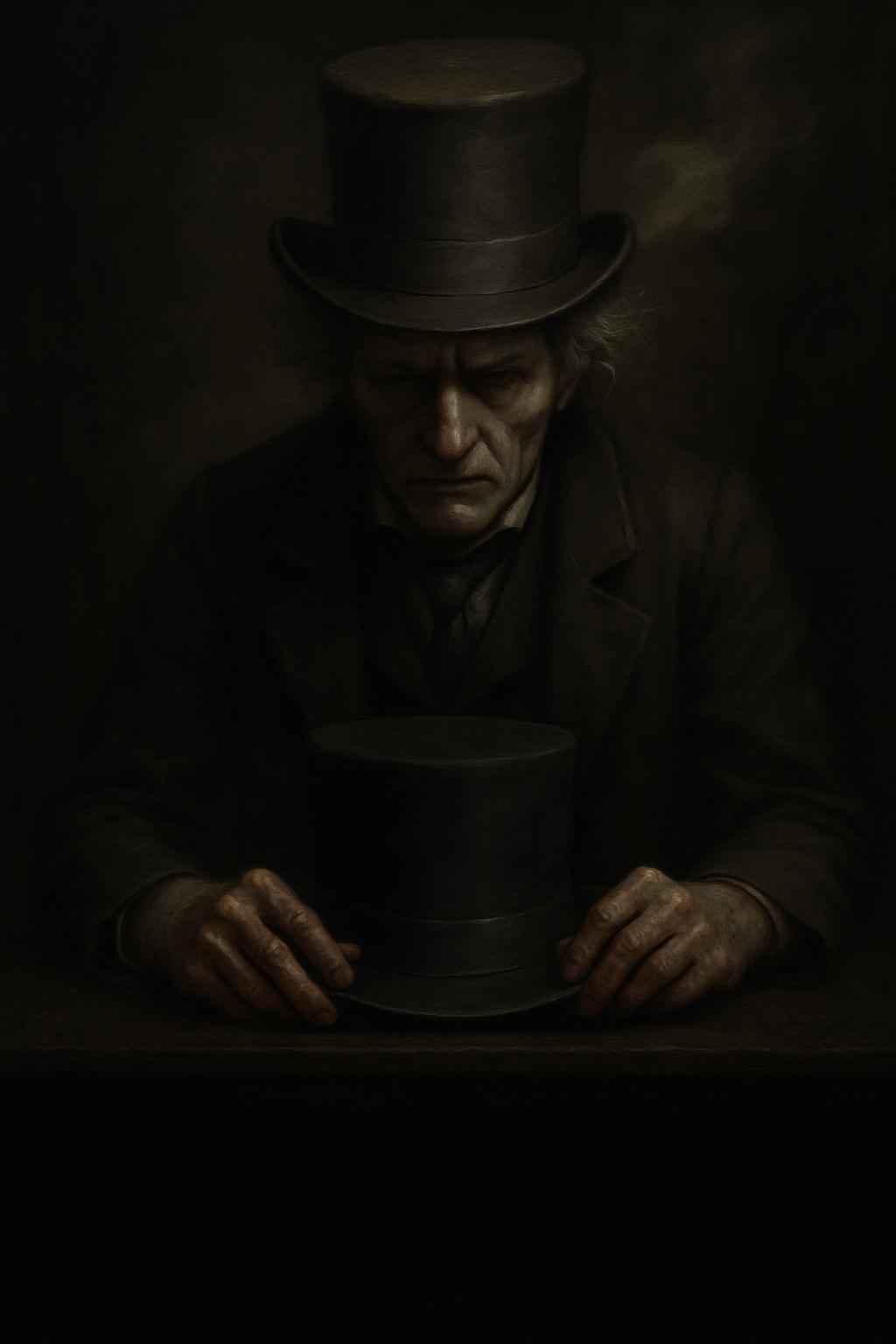
The elegant felt hat could poison the worker making it.
The elegant felt hat could poison the worker making it. Mercury compounds used in hat production exposed workers to toxic fumes and residues. Chronic…
Discover more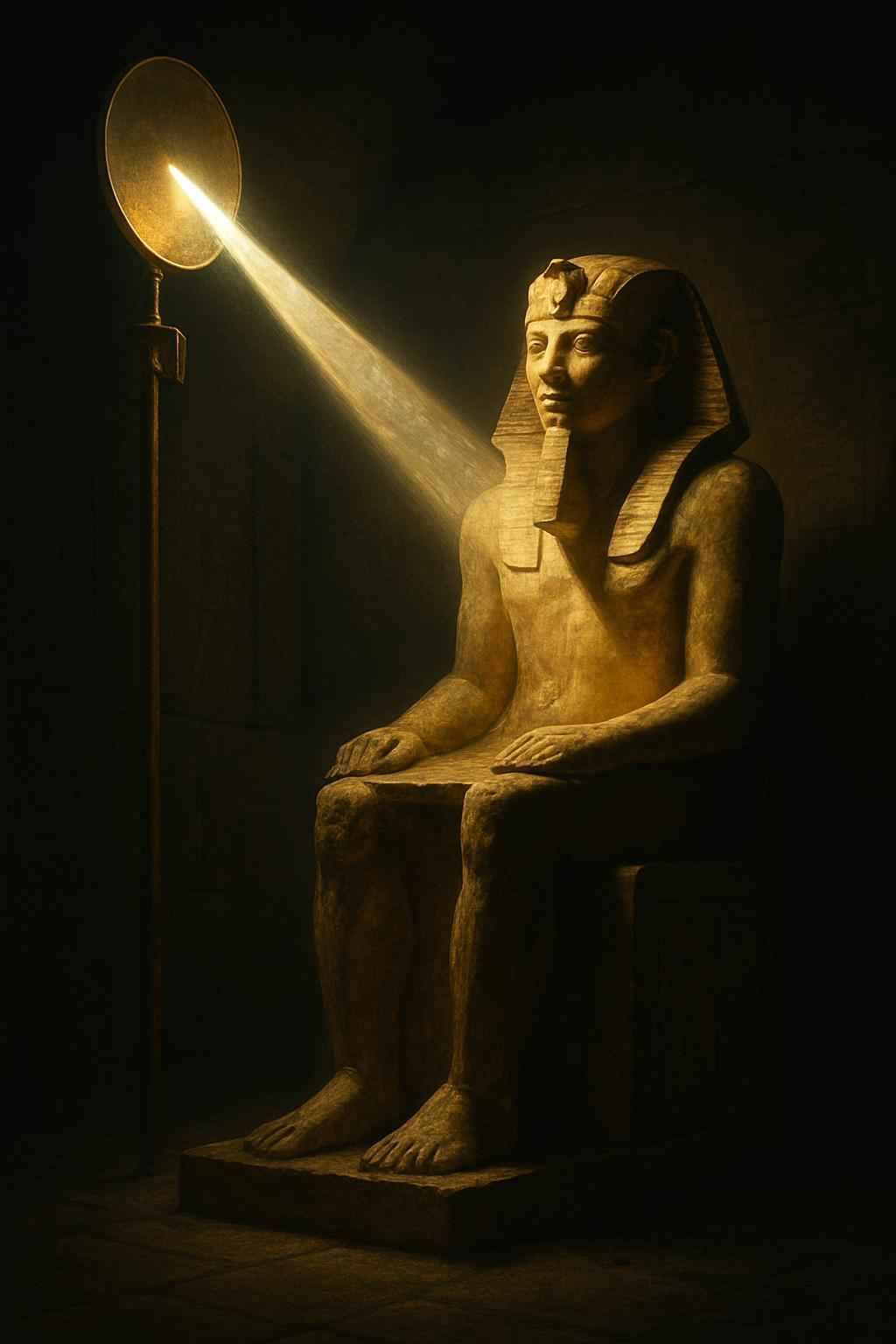
Centuries before Rome was even a rumor, Egyptian engineers lit dark corridors not with fire, but with “chemical sunlight.” The proposed setup used copper mirrors and polished…
Centuries before Rome was even a rumor, Egyptian engineers lit dark corridors not with fire, but with “chemical sunlight.” The proposed setup used copper…
Discover more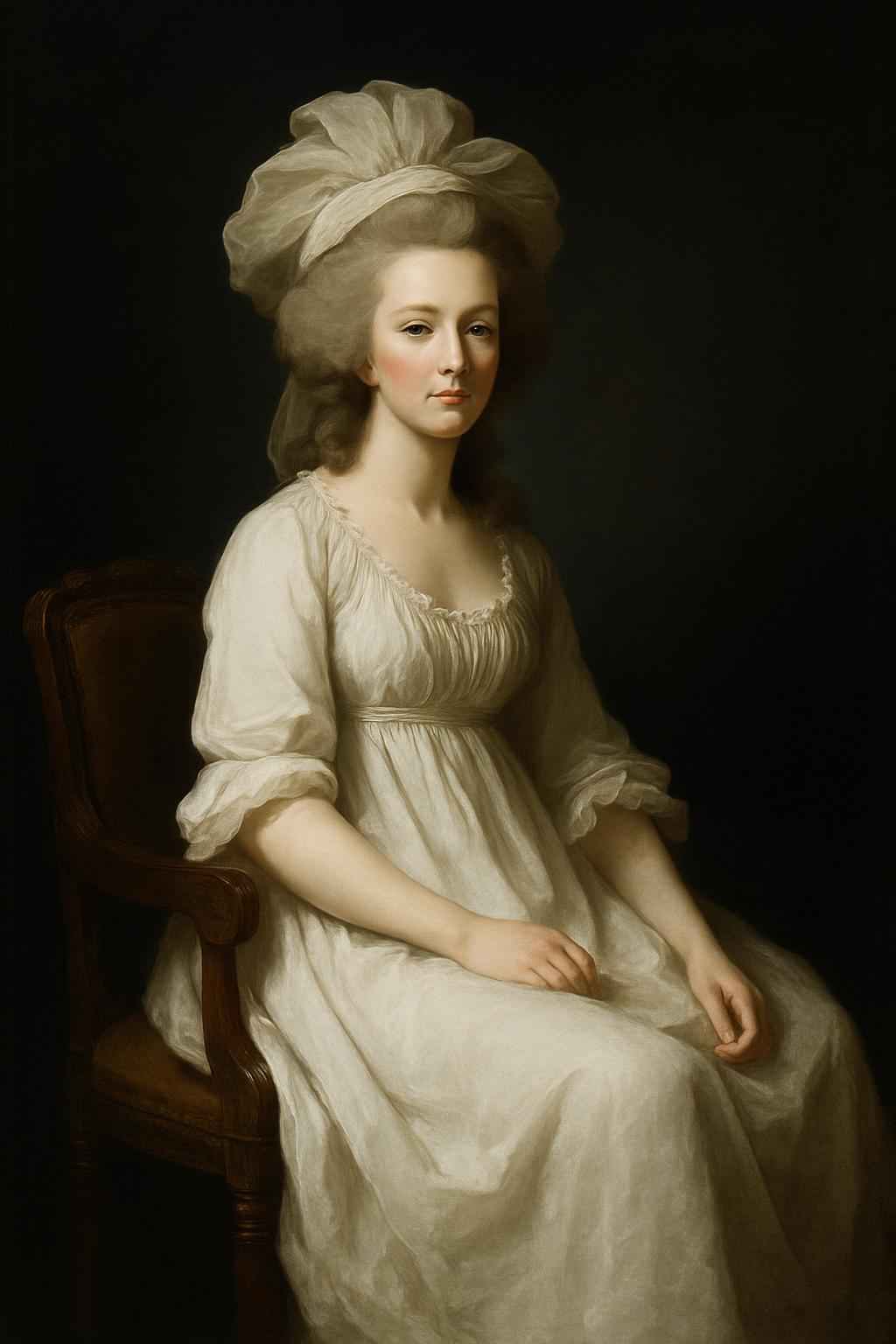
DRESS THAT TOPPLED A KING — In 1780s France, Queen Marie Antoinette posed wearing a simple white muslin dress for a portrait.
DRESS THAT TOPPLED A KING — In 1780s France, Queen Marie Antoinette posed wearing a simple white muslin dress for a portrait. Critics saw the choice as an…
Discover more
Heron described temple doors that opened when a fire was lit.
Heron described temple doors that opened when a fire was lit. Heat expanded air in a hidden vessel, pushing water into another container. The changing weight…
Discover more