A medical emergency with no way out
In April 1961, Soviet physician Leonid Rogozov was wintering at a research station in Antarctica when he developed symptoms of acute appendicitis, an inflammation that can become life-threatening if the appendix ruptures. The station was cut off by the polar winter: severe weather and the lack of a usable aircraft meant there was no realistic way to fly him to a hospital.
Rogozov was the only doctor there. Waiting for rescue risked letting the infection worsen, so he made the decision usually reserved for a surgical team: he would remove his own appendix.
Mirrors, local anesthetic, and a difficult view
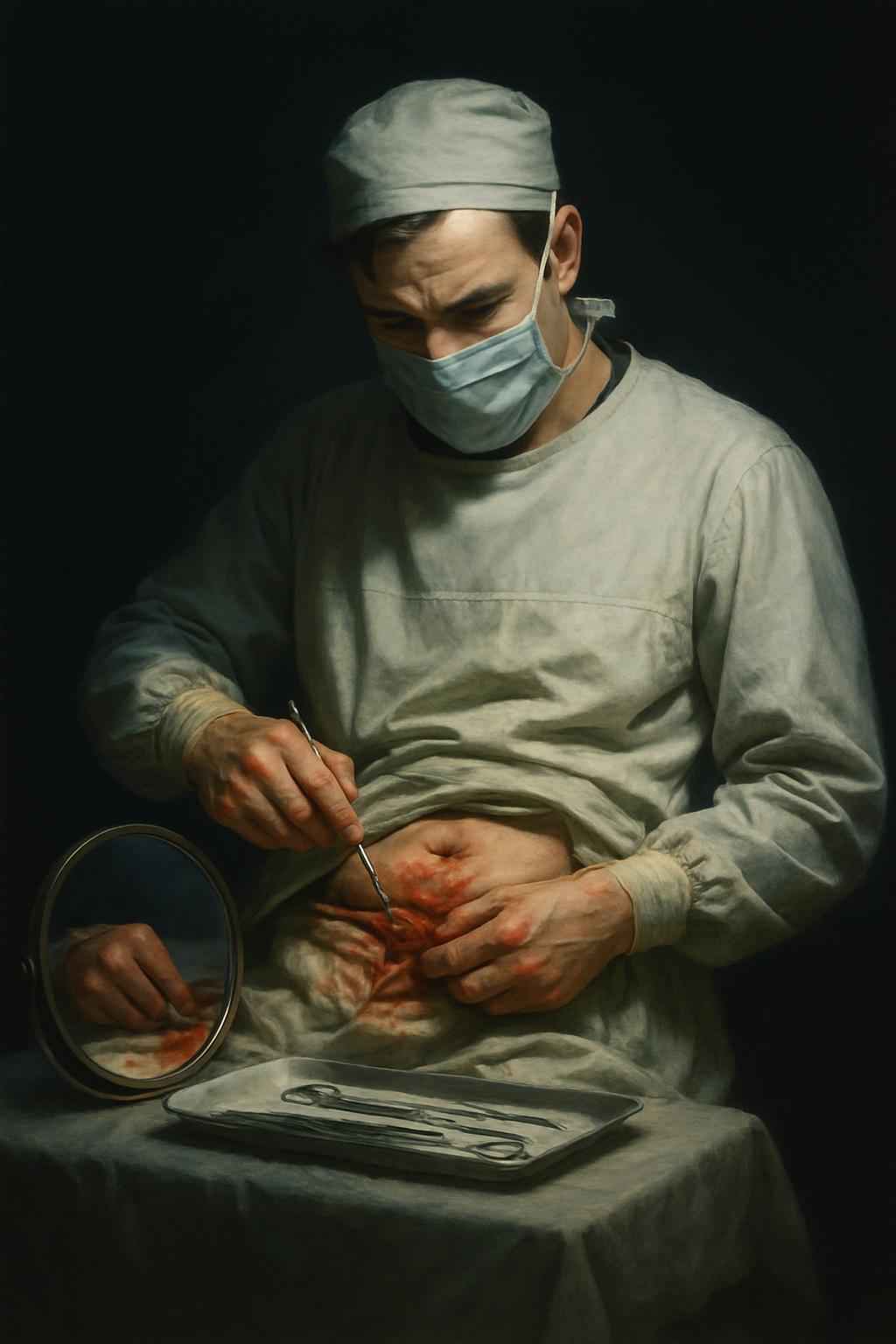
Rogozov used local anesthetic to numb the area rather than general anesthesia, which would have left him unconscious and unable to control the operation. He arranged mirrors to see the incision and had station colleagues assist by handing him instruments and holding a mirror and light. They were not surgeons, but their practical help mattered while Rogozov worked on himself.
The setup made a familiar operation unusually hard. A mirror reverses what it shows, and bending over his abdomen while trying to keep the field visible strained his concentration. He also had to work carefully enough to avoid worsening his condition. The operation succeeded: he removed the inflamed appendix and closed the wound.
The station had to keep functioning
Rogozov recovered at the outpost and returned to his duties about two weeks later. That recovery was important not only for him but for the small wintering team, which had no replacement doctor or nearby medical facility. His colleagues’ assistance and the station’s supplies made the procedure possible, but the central skill was his ability to judge the danger, adapt the tools at hand, and operate while still alert.
The episode is memorable because it turns isolation into a concrete medical constraint: in Antarctica, a doctor could not simply call for an operating room. Rogozov had to become both patient and surgeon before the station could resume its ordinary work.