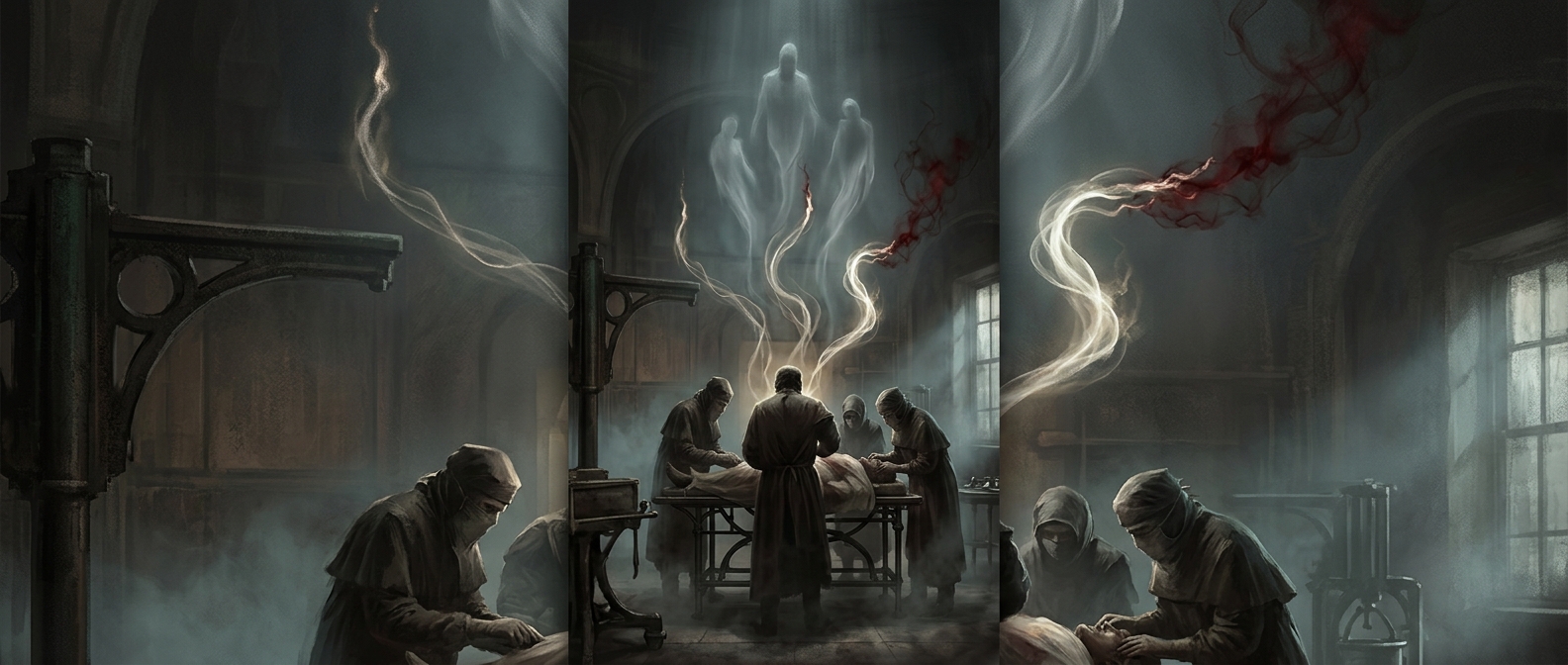
The English sweating sickness: a Tudor-era medical mystery
Between 1485 and 1551, a series of outbreaks in England brought a frighteningly rapid illness into homes and towns. Later called the English sweating sickness, it was known not only for its speed but for striking people who had seemed healthy shortly before. The first recorded outbreak came as Henry VII’s forces took the throne; later waves returned at intervals, then disappeared from the historical record.
Why its cause is still uncertain
Doctors of the time could describe what they saw, but they had no microscopes, laboratory tests, or reliable way to separate one infectious disease from another. Their accounts preserve a recognizable pattern of sudden illness, yet they cannot reveal what organism—if any—caused it. No known pathogen has been conclusively identified as the cause, and the surviving descriptions are not detailed enough to settle the question by themselves.
That gap matters because a fast-moving fever can have many causes, and symptoms alone rarely identify one. The name “sweating sickness” records a visible feature of the illness, not its underlying mechanism. Later medical theories have proposed possible explanations, but none has turned the historical evidence into a confirmed diagnosis.
A disease that vanished from view
The outbreaks disrupted ordinary life because people could not predict who would fall ill or how quickly an episode would turn fatal. Then, after the final recorded epidemic in 1551, the disease was no longer reported. Its disappearance is as puzzling as its arrival: historians can trace its sudden appearances, but cannot say with confidence what caused them—or what made them stop.