A closer look
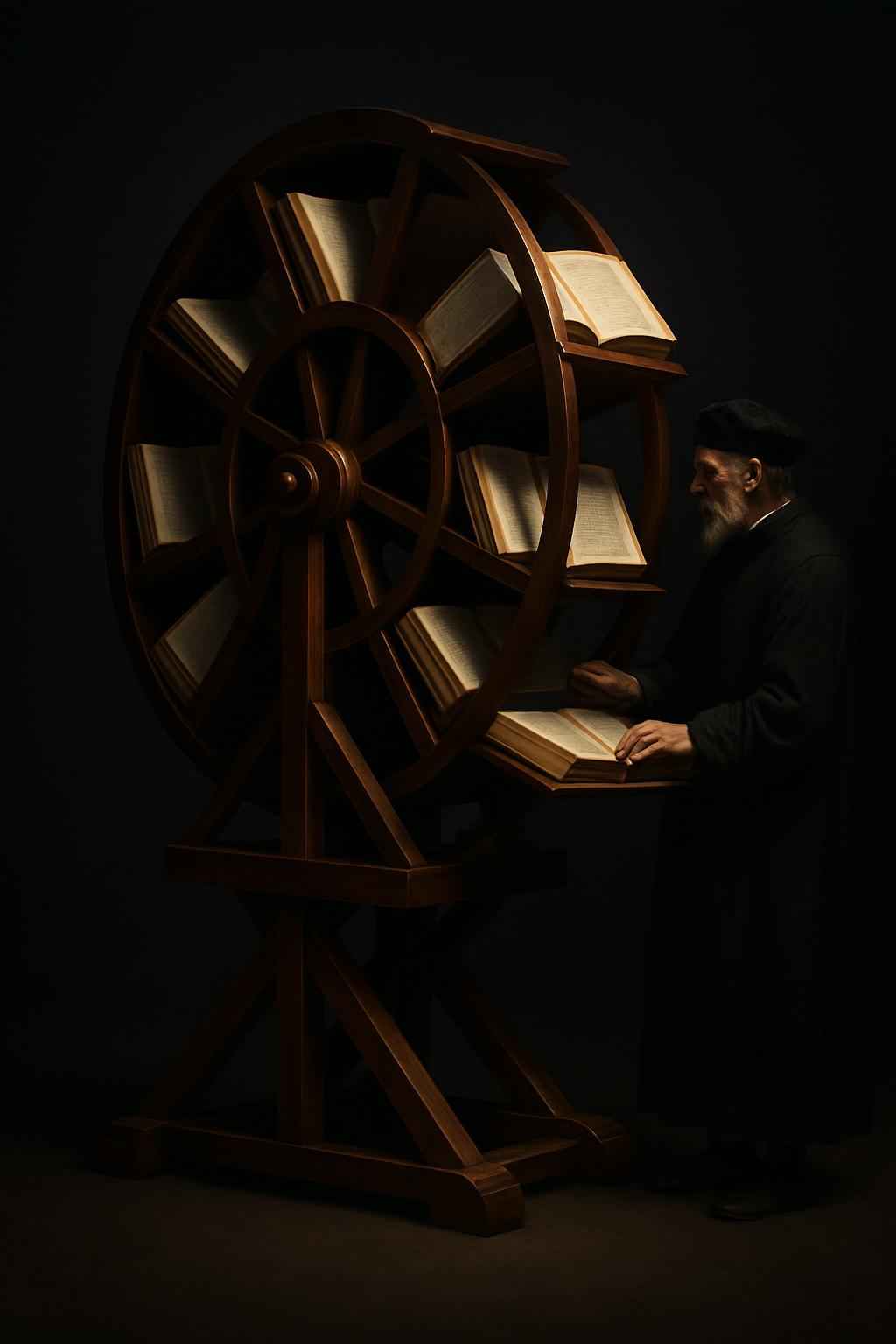
In the 1500s, a little-known Florentine engineer named Agostino Ramelli built a “book wheel”—a rotating wooden carousel that let scholars read half a dozen open books at once without moving. It looked absurd, yet it predicted the browser tab centuries early. Each turning shelf represented a hyperlink of sorts, connecting knowledge through rotation. History quietly repeats this design idea: vast scrolls to print presses to digital tabs—all chasing frictionless access to thought. When you swipe between tabs today, you're echoing the rhythm of a giant oak wheel that spun knowledge into motion long before keyboards or screens existed.