A closer look
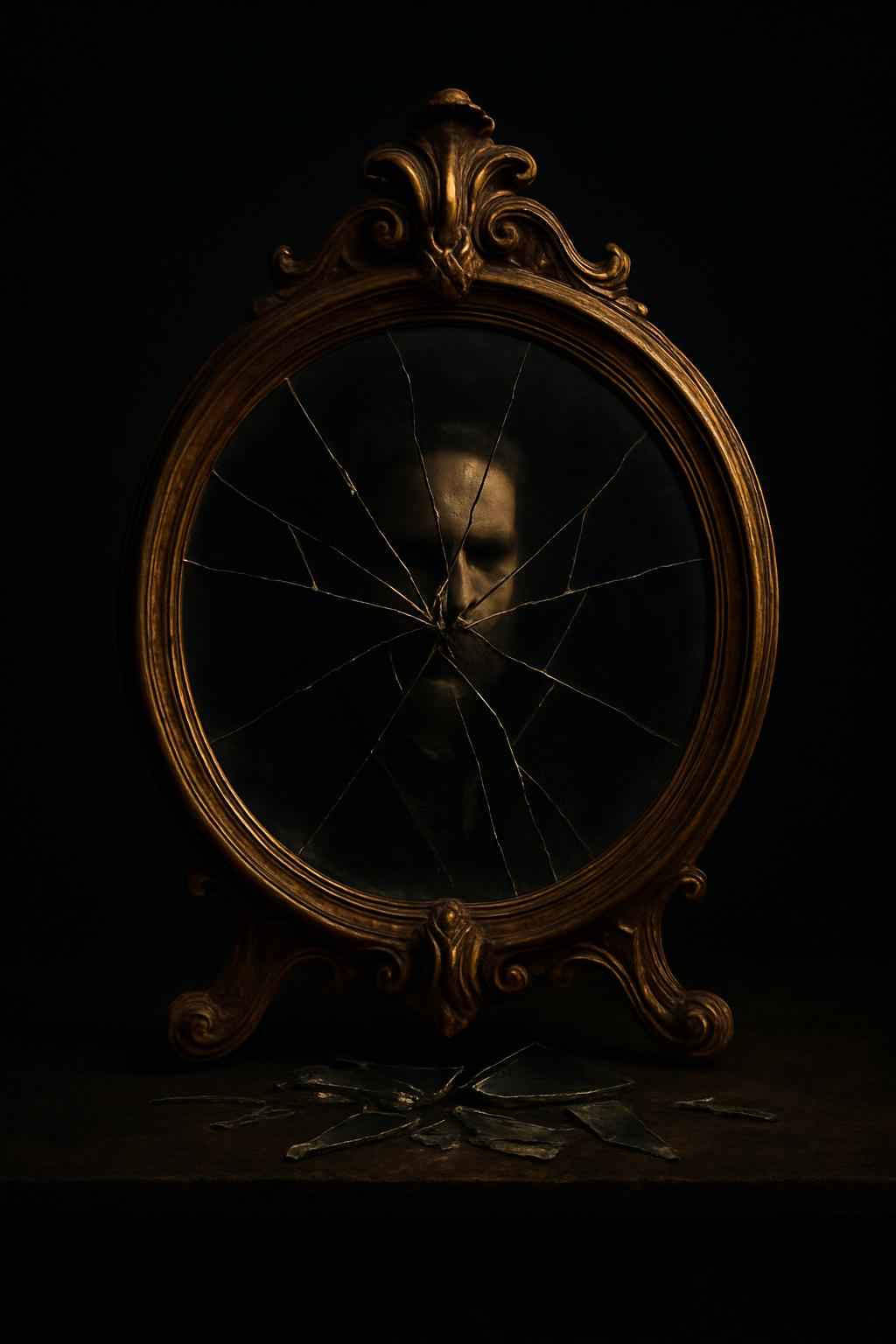
In 16th-century Denmark, broken mirrors were fined—a holdover from medieval laws that saw reflections as proof of divine order. Smash one, and you symbolically fractured society’s face. Similar laws spread quietly through Europe, pairing superstition with civic logic. In Venice, makers of reflective glass worked under sworn secrecy, forbidden to leave the island because mirrors were state technology. Shards of that paranoia survive in our modern 'superstitions,' a civil memory that once had jail time attached. Every time you joke about seven years of bad luck, you’re echoing laws that once shaped guilds, wages, and spiritual control. What was nonsense became infrastructure.