A closer look
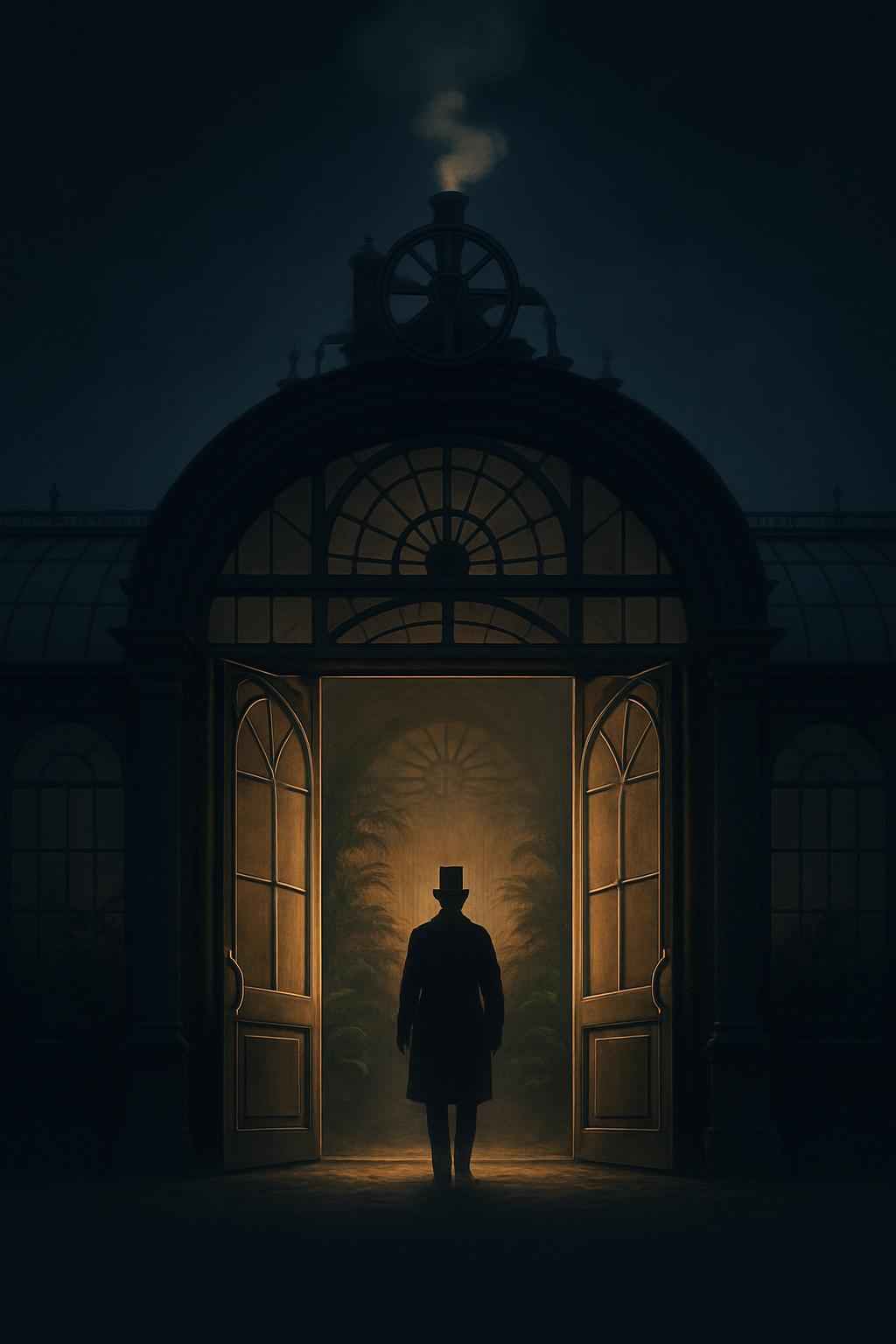
In 19th-century Vienna, the first recorded automatic door was powered by a steam mechanism crafted for a royal greenhouse. Few citizens noticed, but it hinted at humanity’s obsession with effortless entry—entrances that adjust to power and class. Every new 'automatic' invention since has echoed that subtle hierarchy: who gets doors that open for them without effort? The same pattern reappeared with elevators, motion sensors, and now facial recognition checkpoints. What began as convenience masked social engineering. The moral shock is that automation, born from aristocratic spectacle, trickled down as social symbol—and every sliding door you pass is an echo of that noble greenhouse whisper: you may enter... if you’re recognized. History never stopped designing thresholds—it simply updated the code.