A marriage could change the living family’s obligations
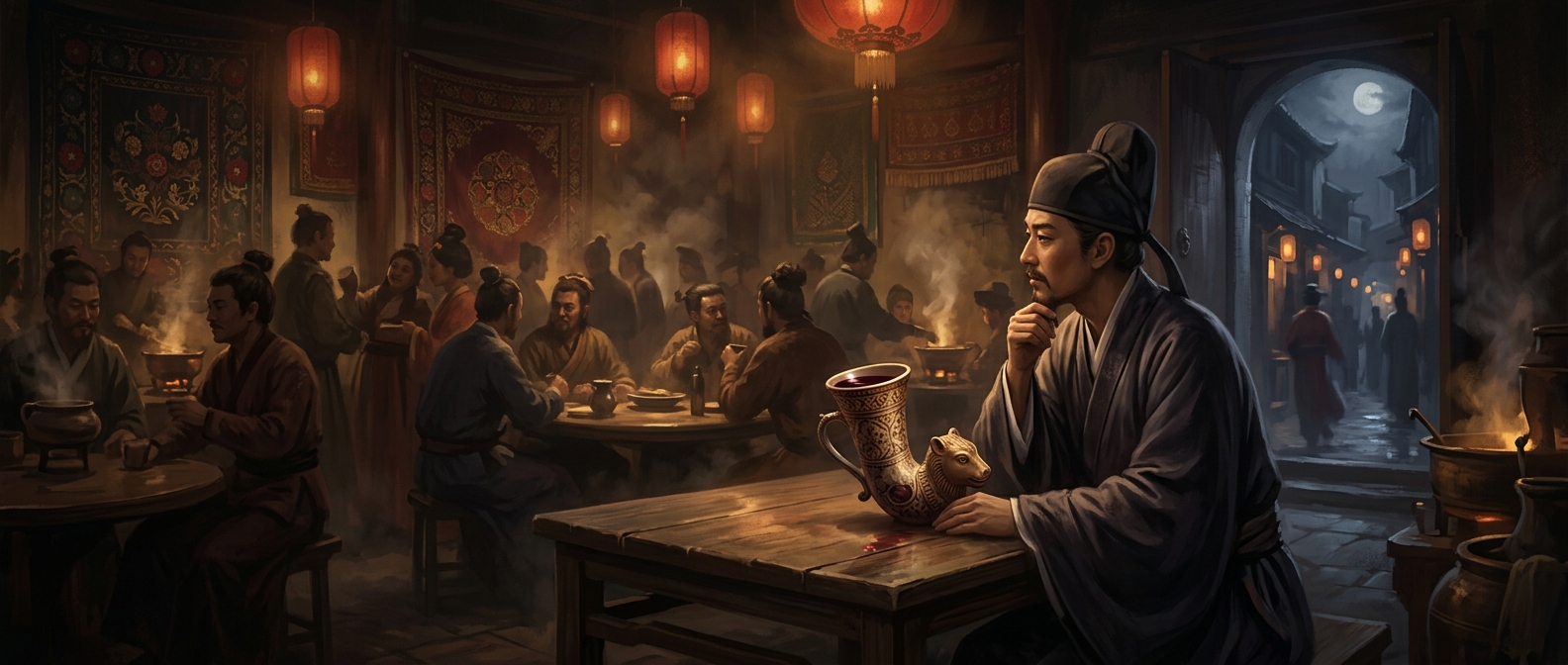
A wedding joined more than two people: it also connected households and shaped how relatives understood duties, status, and inheritance. That made marriage meaningful even when one or both partners had died. In 900 CE China, families could arrange a symbolic union for deceased unmarried adults, treating it as a way to give the dead a recognized place in family life and resolve the sense that their lives had been left incomplete.
The ritual mattered because relatives acted for the dead
A deceased person could not consent, negotiate, or manage a household. The ceremony instead gave surviving relatives a way to establish a relationship between the two spirits—and, practically, between their families. Its force lay in what the living recognized: the dead were no longer treated simply as unattached individuals, but as members of a pair with a place in family relationships.
Inheritance made the stakes earthly
In parts of Northern Europe, a wedding involving a corpse could also help settle an inheritance dispute. The dead could not claim property personally, but marriage could affect how living relatives understood a deceased person’s family connections and the claims that followed from them. That is the striking divide: a ceremony might be directed toward the dead, yet its consequences were negotiated among the living. The wedding’s practical importance depended not on the corpse’s ability to act, but on the family and community treating the union as consequential.