A loom was more than a set of plans
In the 18th century, a weaving design could be an economic weapon. A loom’s arrangement of beams, gears, and moving parts determined how quickly cloth could be made and what patterns it could produce. A rival workshop that learned the design could try to make the same kind of machine—and compete for the same buyers.
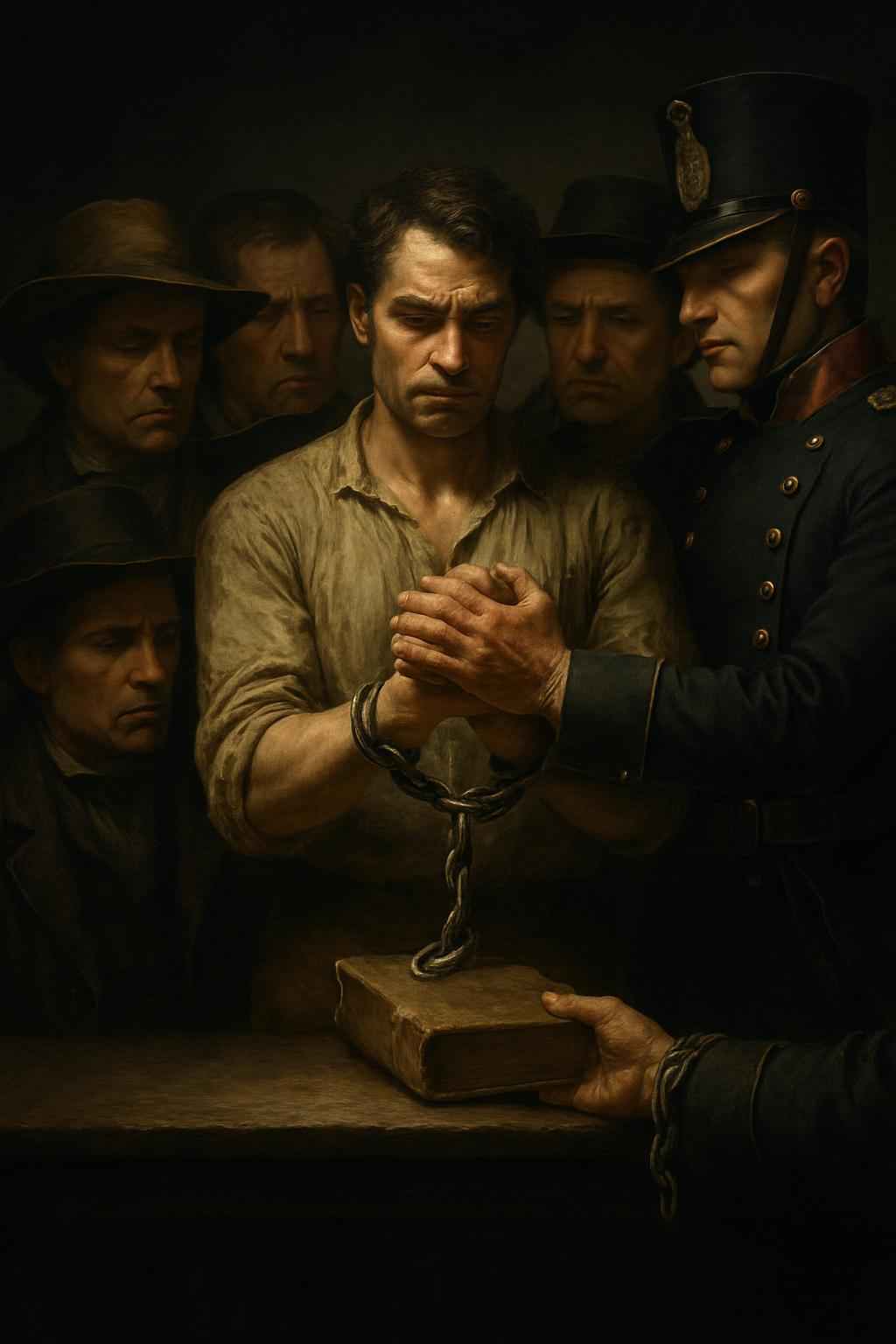
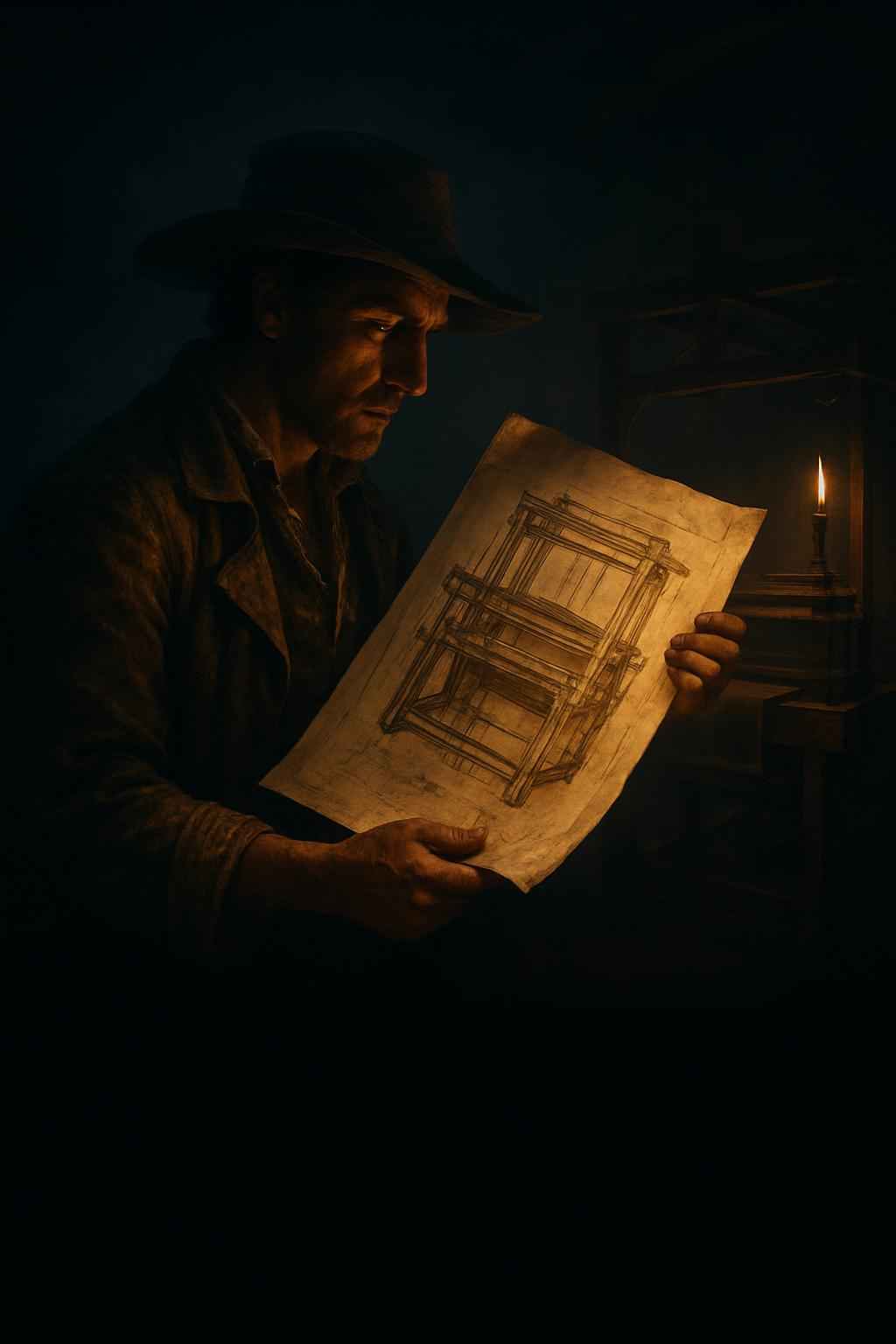
The valuable information was not always a finished blueprint. It could be measurements, sketches, or close observation of how a machine’s parts worked together. Disguises helped spies travel without attracting the suspicion that might follow a known trader or mechanic. Posing as a farmer or sailor could make movement across a border seem ordinary, giving someone a chance to carry technical knowledge to another country.
Why copying still took craft
A drawing could show where a part belonged, but a workshop needed skilled workers to shape the pieces, fit them together, and get the loom running. In that sense, stealing a design was only the first step: the knowledge had to be turned into working machinery. Once the key arrangement was understood, however, rival makers could reproduce it without having to discover the solution from scratch.
That made industrial spying a shortcut through years of experimentation. The disguise helped the secret travel; the workshop’s practical skill made it productive. A stolen loom design could therefore spread an industrial advantage far beyond the room where it was first built.